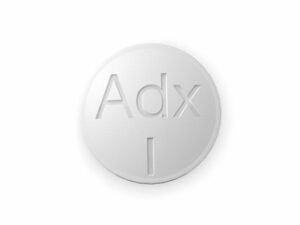


Danazol (Danazol capsules/tablets) — Patient Information Guide (UK)
Danazol is a medicine used to treat certain hormone-dependent conditions, particularly some forms of endometriosis and disorders related to abnormal ovarian/hormonal activity. It works by reducing or altering hormonal signals in the body. Because Danazol can cause side effects (including effects on bleeding patterns, skin, weight, and cholesterol), it is important to understand how to take it safely and what monitoring may be needed.
This guide is written for people in the United Kingdom and explains the medicine in clear, practical terms: what it does, how it works, how it behaves in the body, typical uses, dosing principles, interactions (including alcohol), safety considerations, alternatives, and practical tips for day-to-day use.
Basic product information
| Feature | Information |
|---|---|
| Active ingredient | Danazol |
| Medicinal type | Antigonadotrophic/anti-oestrogenic agent; androgenic effects |
| Common forms | Capsules or tablets (brand/form may vary by supplier) |
| Typical way it’s taken | By mouth, usually in divided doses |
| Who it may be suitable for | Selected adults with specific hormonal conditions (e.g., endometriosis, certain bleeding disorders) |
| Why it needs care | Hormone-related side effects and potential effects on liver, lipids, blood counts |
Note: Availability, brand names, strengths, and pack sizes can vary across the UK market. Your pharmacist can confirm what’s currently supplied.
How Danazol works (mechanism of action)
Danazol affects the body’s hormonal signalling:
- It reduces gonadotrophin release from the pituitary gland (hormones that stimulate the ovaries/testes), lowering stimulation of the reproductive hormonal system.
- It alters steroid hormone activity (including oestrogen and androgen balance) within target tissues.
- It can suppress or shrink hormone-sensitive tissue, which is why it is used in conditions such as endometriosis.
The overall effect is often a reduction in symptoms linked to hormone activity (for example, pelvic pain related to endometriosis) and changes in abnormal bleeding patterns.
Pharmacokinetics (how the body processes Danazol)
Pharmacokinetics describes what happens after Danazol is swallowed: absorption, distribution, metabolism, and elimination.
- Absorption: Danazol is absorbed after oral administration, though absorption can vary between people.
- Distribution: It distributes into tissues and binds to plasma proteins.
- Metabolism: Danazol is extensively metabolised, largely by the liver.
- Elimination: The drug and its metabolites are eliminated mainly via the biliary/hepatic route and in urine to a lesser extent.
- Half-life: The duration of effect may extend beyond a single dose because of metabolism and tissue distribution. Clinicians often use divided dosing schedules to maintain effect and manage tolerability.
Practical implication: Because Danazol is processed through the liver, people with liver problems require extra caution, and your clinician may arrange blood tests to monitor liver function and other parameters.
Typical uses in the UK
Danazol is used for selected hormone-related conditions. The exact suitability depends on your diagnosis, medical history, and treatment history.
Common indications
- Endometriosis (to reduce pain and suppress endometriotic activity)
- Other hormone-dependent disorders where danazol’s hormone-modifying effects may help (your clinician will confirm whether it is appropriate for your specific condition)
In clinical practice, it may be considered when other options have not worked well or are unsuitable, because Danazol can cause androgenic effects and requires careful monitoring.
How and when to take Danazol
Because Danazol can be given in divided doses, consistency is important.
Timing
- Follow your prescribed schedule exactly.
- If you take more than one dose per day, space them evenly (for example morning and evening) to maintain steadier levels.
- Try to take it at the same times each day.
If you miss a dose
- Take the missed dose as soon as you remember, unless it is close to the next dose.
- If it is close, skip the missed dose and continue as normal.
- Do not double doses.
If you are unsure, ask your pharmacist for advice based on your specific dosing pattern.
Dosing: general principles (UK patient-friendly overview)
Dosing varies by indication and individual response. Your clinician will set the dose based on your condition and how you tolerate the medicine.
What dosing usually depends on
- Diagnosis (e.g., endometriosis vs another condition)
- Severity of symptoms
- Response after initial treatment
- Side effects and monitoring results
- Other medicines and any liver-related concerns
Common approach
- Danazol is often taken in divided daily doses.
- Treatment duration may be limited and reviewed periodically based on symptom control and side-effect risk.
Important: Do not start, stop, or adjust your dose without speaking to a healthcare professional. If you want to discuss a dose change, your pharmacist or prescriber can review your situation.
Food interactions
Food can influence how medicines are absorbed. For Danazol:
- Take it with or without food only as advised by your clinician or the product instructions.
- If you notice stomach upset, taking Danazol with food may help—however, keep the method consistent each day.
Consistency matters: Try to take Danazol the same way each day (with the same general food routine) to reduce fluctuations in absorption.
Alcohol and medicine interactions
Alcohol can increase strain on the liver and may worsen side effects such as dizziness, nausea, or fatigue. Because Danazol is processed by the liver, it’s generally wise to:
- Limit alcohol while taking Danazol.
- Avoid binge drinking.
- Seek medical advice if you have a history of liver disease or heavy alcohol use.
Alcohol tips
- If you drink, consider small amounts and monitor how you feel.
- If you develop jaundice (yellowing of skin/eyes), severe tiredness, upper abdominal pain, or dark urine, contact urgent medical care.
Do not combine alcohol with other liver-stressing substances (such as high-dose paracetamol in repeated large amounts) without professional advice.
Other medicine interactions
Danazol can interact with other medicines. Interactions may affect:
- How well Danazol works
- Side-effect risk
- Blood clotting/lipid levels
- Liver metabolism pathways
Always tell your pharmacist about all medicines you take, including over-the-counter products and herbal supplements.
Examples of medicines that may be relevant
- Liver-affecting medicines or those known to influence liver enzymes
- Hormonal therapies (e.g., certain contraceptives or hormone replacement treatments) — hormone interactions are particularly important
- Medicines affecting cholesterol or blood clotting (because Danazol can influence lipid profiles and may affect haemostasis in some people)
This is not a complete list. Your pharmacist can check interactions based on your exact product and dose.
Safety profile: side effects and who needs extra caution
Like all medicines, Danazol can cause side effects. Many are dose-related and may improve if the dose is adjusted or treatment reviewed. However, some effects require urgent medical attention.
Common or expected side effects
- Changes in menstrual bleeding (including irregular bleeding)
- Acne or oily skin
- Weight changes
- Headache
- Hot flushes or mood changes
- Vaginal dryness or changes in sexual comfort (varies)
- Fatigue
Androgenic effects (important)
Because Danazol has androgen-like activity, some people may experience:
- Increase in facial/body hair
- Voice changes
- Scalp hair thinning
- Enlargement of clitoris (rare)
If you notice voice changes or other signs that concern you, contact your clinician promptly.
Serious but uncommon risks
Seek urgent medical advice if you experience any of the following:
- Signs of liver problems: yellow skin/eyes, severe nausea/vomiting, dark urine, severe abdominal pain, marked weakness
- Possible blood clot symptoms: sudden shortness of breath, chest pain, coughing blood, leg swelling/pain (seek emergency care)
- Severe allergic reaction: swelling of face/lips, difficulty breathing, widespread rash
- Severe mood or neurological symptoms (e.g., suicidal thoughts, severe agitation, confusion)
Monitoring
Your clinician may arrange periodic tests, especially if treatment continues for more than a short period. Monitoring may include:
- Liver function tests
- Lipid profile (cholesterol)
- Full blood count (depending on your situation)
- Symptom response and review of side effects
Extra caution is needed if you have
- Known liver disease
- A history of blood clots or significant clotting risk factors
- Uncontrolled cardiovascular risk (high cholesterol, high blood pressure, smoking)
- Any condition that could be worsened by hormonal changes
Practical use tips for day-to-day living
- Keep a symptom diary: note changes in pain, bleeding pattern, mood, and any side effects. This helps your clinician tailor treatment.
- Stick to consistent timing: take it at the same times each day.
- Use sun protection if you get skin changes, as hormonal changes may affect skin sensitivity.
- Be aware of mood changes: if you feel unusually low, anxious, or irritable, speak to a healthcare professional early.
- Stay hydrated and manage nausea if it occurs (small meals can help).
- Attend monitoring appointments: blood tests and reviews are part of safe use.
When to contact a healthcare professional promptly
- New or worsening jaundice symptoms
- Unusual bruising or bleeding
- Severe headaches with neurological symptoms
- Marked worsening of mood or behaviour changes
- Unexpected severe pelvic pain or heavy bleeding
Alternative options
Whether Danazol is the best choice depends on your condition, symptom severity, previous treatment response, and personal preferences. Alternatives vary by indication.
For endometriosis (examples)
- Hormonal therapies such as progestogens (e.g., norethisterone preparations) or combined regimens used in selected circumstances
- Gonadotrophin-releasing hormone (GnRH) analogues/antagonists (where appropriate)
- Non-hormonal pain control such as NSAIDs (with clinician guidance)
- Surgical options for selected cases (discuss with a specialist)
For other hormone-dependent conditions
Your specialist may consider different hormonal or non-hormonal treatments depending on the underlying cause.
Tip: If you’re considering switching, ask your pharmacist or clinician about how to transition safely and what side effects to watch for during the change.
UK market and legal context (patient-friendly overview)
In the United Kingdom, medicines are regulated by the Medicines and Healthcare products Regulatory Agency (MHRA). Danazol availability and classification may vary by brand, strength, and legal status (for example, whether it is prescription-only or restricted supply). Online pharmacies must comply with UK pharmacy and medicines regulations, including safe supply processes and patient eligibility checks.
Always ensure you order from a reputable UK-registered pharmacy. If you have questions about legality or availability, contact the pharmacy directly.
Recent guidance and prescribing practice notes
- Clinicians continue to emphasise risk–benefit assessment due to androgenic and liver/lipid effects.
- Ongoing practice includes monitoring (such as liver function and lipids) when appropriate, especially for longer courses.
- For endometriosis, many patients are offered stepwise options (starting with other hormone strategies or pain control, depending on severity) before considering Danazol.
Guidance may update over time. For the most current advice relevant to your condition, speak to a healthcare professional.
Delivery and availability in the UK
Availability of Danazol in the UK can change due to manufacturing cycles, stock levels, and pharmacy ordering systems. Online pharmacy delivery typically includes:
- Standard delivery (often 2–5 working days, depending on the pharmacy)
- Express delivery options where available
- Package tracking for shipped orders
What to expect when ordering
- Some online pharmacies may need to complete eligibility checks before dispatch.
- Pack sizes may differ between suppliers; your order will match the available product.
- Frozen or temperature-controlled delivery is usually not required for oral medicines, but packaging and storage instructions should always be followed.
If Danazol is temporarily out of stock, your pharmacy may offer an alternative supply option or advise on expected restock dates (subject to availability).
How to store Danazol
- Store at room temperature unless the package advises otherwise.
- Keep it in the original packaging to protect from light and moisture.
- Keep out of the sight and reach of children.
- Do not use after the expiry date on the pack.
FAQ about Danazol (United Kingdom)
1) What is Danazol used for?
Danazol is used for selected hormone-dependent conditions, most notably endometriosis and certain other disorders where modifying hormonal activity can improve symptoms. Your healthcare professional will confirm whether it is appropriate for your diagnosis.
2) How quickly will Danazol start working?
Some people notice symptom changes within the first few weeks, but response varies. Your clinician may review symptoms and side effects periodically and adjust the plan based on benefit and tolerability.
3) Can I take Danazol with food?
Danazol can often be taken with or without food, but follow the product instructions or the advice you were given. If you experience stomach upset, taking it with food may help—try to keep the approach consistent.
4) Does alcohol affect Danazol?
Alcohol may increase liver strain and could worsen side effects. It’s generally recommended to limit alcohol and avoid binge drinking. If you have liver concerns, ask a healthcare professional for personalised advice.
5) What side effects should I watch for?
Common issues include menstrual changes, acne, weight changes, headache, and mood changes. Seek urgent medical advice for symptoms suggesting liver problems (yellowing skin/eyes, dark urine), possible blood clot symptoms, or severe allergic reactions.
6) Will Danazol affect my cholesterol or liver?
It can. Danazol may alter lipid levels and can affect the liver, which is why monitoring (such as liver function tests and cholesterol checks) may be recommended depending on your treatment plan.
7) Are there alternatives if I can’t tolerate Danazol?
Yes, alternatives exist depending on your condition—especially for endometriosis (other hormonal treatments, pain management options, and in some cases surgical approaches). Your clinician can help you choose an option with a safer side-effect profile for you.
8) What should I do if I miss a dose?
Take it when you remember unless it’s near the time of your next dose. If it’s close, skip the missed dose. Do not double. If you’re unsure, consult your pharmacist.
9) Can I stop Danazol suddenly?
Do not stop without medical advice. If you want to stop due to side effects or concerns, speak to your clinician/pharmacist so they can advise a safe plan and consider alternatives.
10) Who should not take Danazol without specialist advice?
Particular caution is needed in people with liver disease, those at higher risk of blood clots, and those with other significant medical conditions. Always discuss your full medical history and current medicines with a pharmacist or clinician.
Reminder: This information is a general guide for patients in the UK. It does not replace advice from healthcare professionals. If you have questions about suitability, interactions, or side effects, speak to your pharmacist or clinician.