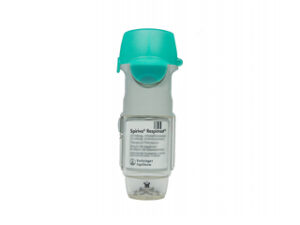
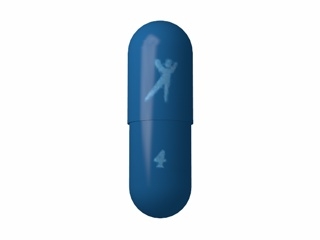


Detrol LA (Tolterodine) – Patient Information (UK)
Detrol LA is a medicine containing tolterodine, used to treat symptoms of an overactive bladder. It belongs to a group of medicines known as antimuscarinics. This page explains how Detrol LA works, how it is used, what to expect, and key safety information in a patient-friendly way for people in the United Kingdom.
Quick facts
- Active ingredient: Tolterodine
- Brand: Detrol LA
- Type: Extended-release (LA = long acting)
- Used for: Overactive bladder symptoms (urge incontinence, urinary urgency, frequency)
- How often: Usually once daily (LA formulation)
Basic product information
| Feature | Details |
|---|---|
| Medicine name | Detrol LA (tolterodine) |
| Medicine type | Antimuscarinic / anticholinergic for bladder symptoms |
| Formulation | Long-acting (modified release), taken once daily |
| Common strengths | Typically 2 mg or 4 mg long-acting capsules (availability may vary) |
| Typical use | Treats overactive bladder symptoms in adults |
What overactive bladder is
Overactive bladder (OAB) refers to a set of urinary symptoms that may include:
- Urinary urgency: a sudden, hard-to-delay need to pass urine
- Frequency: needing to urinate often (including during the day and sometimes at night)
- Urge incontinence: leaking urine because of a sudden urge
Detrol LA helps reduce bladder muscle overactivity and can improve quality of life.
How Detrol LA works (mechanism of action)
Tolterodine works by blocking muscarinic receptors in the bladder. These receptors normally help trigger bladder muscle contractions. By reducing their activity, tolterodine can:
- Decrease involuntary bladder contractions
- Increase bladder filling capacity
- Reduce urgency and leakage episodes
- Help lower the number of trips to the toilet
The effect is symptom-focused: it targets the bladder control problem rather than treating infection or prostate enlargement. If there is an underlying cause (for example, a urinary tract infection), this usually needs separate assessment.
Pharmacokinetics (how the body handles it)
Understanding pharmacokinetics can help set expectations for onset and duration of action. Detrol LA is a long-acting (modified-release) product designed to release tolterodine gradually.
Absorption and onset
- After taking Detrol LA, tolterodine is absorbed from the gut.
- The “LA” design aims for a steadier concentration throughout the day.
- Some symptom improvement may be noticed within days, but full benefit can take several weeks.
Distribution
Tolterodine distributes through the body and is present in tissues involved with bladder control. It is also metabolised in the liver to active and inactive forms.
Metabolism and excretion
- Tolterodine is processed in the liver.
- Metabolites are excreted mainly via the kidneys.
- Because of this, dose needs may change in people with kidney problems or liver impairment.
Your individual situation (age, kidney/liver function, and other medicines) affects how tolterodine behaves in the body. This is one reason it is important to follow the dosing instructions provided with your medicine.
Typical use and indications
Detrol LA is indicated for adults who have symptoms of:
- Overactive bladder with urgency
- Increased urinary frequency
- Urge urinary incontinence
It can be used when lifestyle measures alone are not sufficient and to help improve control.
When to take Detrol LA (timing and routine)
Detrol LA is typically taken due to its long-acting formulation. Many people choose to take it at a consistent time each day, for example in the morning or evening.
How to take it
- Take the capsule with water.
- Swallow whole—do not crush or chew unless your product instructions specifically say otherwise.
- Try to take it at the same time every day to maintain steady drug levels.
If you miss a dose
If you miss a dose, take it when you remember unless it is close to the time for your next dose. Avoid taking a double dose to make up for a missed one. If you are unsure, ask a pharmacist for advice.
Dosing (general guidance)
Dosing depends on individual factors such as kidney function, liver function, and the presence of interacting medicines. The most common approach is:
- Adults: commonly start on a lower dose, then adjust if needed and tolerated.
- Older adults: dosing may require extra caution due to higher susceptibility to side effects.
- Kidney or liver impairment: dose may be reduced.
Always follow the dosing directions on your medicine label and the instructions provided with your product. If you have had kidney disease, glaucoma, or significant constipation, your prescriber/pharmacist may suggest a lower dose and closer monitoring.
Food interactions
Food can affect how some medicines are absorbed. For Detrol LA, the practical advice is usually:
- Take consistently with or without food based on the instructions you were given.
- If stomach upset occurs, many people find taking it with food helps, but do not change your routine without guidance if you are also managing other medicines.
In general, major food interactions are not usually the main concern with tolterodine, but consistency is helpful for maintaining predictable effects.
Alcohol interactions
Alcohol may increase drowsiness or worsen side effects such as dizziness in some people. While tolterodine is not an opioid or sedative in the same way, it can cause effects that may be more noticeable when combined with alcohol.
- If you choose to drink alcohol, start with small amounts and see how you feel.
- Avoid heavy drinking, especially when beginning treatment or after dose changes.
- Do not drive or use machinery if you feel dizzy or impaired.
Medicine interactions
Detrol LA can interact with medicines that affect the same pathways or that have anticholinergic effects. This may increase side effects such as dry mouth, constipation, blurred vision, and drowsiness.
Medicines to be especially cautious with
- Other antimuscarinic/anticholinergic medicines (for example, some treatments for overactive bladder, some bowel antispasmodics, and some allergy medications).
- Medicines that affect liver enzymes involved in tolterodine metabolism (dose adjustments may be needed).
- Drugs that can worsen urinary retention (for example, some medicines with anticholinergic properties).
- Medicines that affect the heart rhythm may require additional attention, particularly if you have existing cardiovascular risk factors. Your pharmacist can review this.
Tell your pharmacist about
- Any other bladder medicines you take (past or current)
- Medicines for allergies, travel sickness, stomach cramps, Parkinson’s disease, or depression/anxiety
- Any medicines started or stopped recently
- Herbal products (some can influence liver metabolism)
Safety profile: common and important side effects
Like all medicines, Detrol LA can cause side effects. Some are more common than others. Many side effects lessen as your body adjusts, but some may require attention.
Common side effects
- Dry mouth
- Constipation
- Dry eyes or blurred vision
- Headache
- Indigestion or stomach discomfort
- Reduced sweating (in some people)
- Urinary retention (difficulty passing urine) in susceptible individuals
Less common but serious warnings
Seek medical advice urgently if you experience symptoms that could indicate a serious reaction or complication. These can include:
- Severe allergic reaction (swelling of face/lips, rash, breathing difficulties)
- Severe constipation, severe abdominal pain, or inability to pass wind
- Unable to urinate or marked difficulty passing urine
- Confusion, extreme drowsiness, or worsening mental state
- Eye pain or sudden vision changes (especially if you have narrow-angle glaucoma)
- Fainting or palpitations (particularly if you have known heart rhythm issues)
Who should take extra care
Detrol LA may not be suitable or may require close monitoring if you have:
- Narrow-angle glaucoma (risk of increased eye pressure)
- Urinary retention or difficulty passing urine
- Severe constipation or certain bowel disorders
- Myasthenia gravis (a muscle condition)
- Toxic megacolon (a rare, serious condition)
- Significant kidney or liver impairment
- Older age with frailty or existing constipation issues
Practical use tips (getting the best results)
Detrol LA works best when combined with bladder-friendly habits. Consider these practical tips:
1) Track symptoms for a baseline
- For 2–3 days (before or early in treatment), note: number of trips, urgency episodes, and any leaks.
- This helps you judge whether the medicine is helping and how quickly.
2) Give it time
Many people do not see maximum improvement immediately. It can take several weeks to evaluate benefit. If symptoms worsen severely or you have intolerable side effects, contact a healthcare professional for advice.
3) Manage dry mouth
- Use sugar-free chewing gum or lozenges.
- Keep water nearby and take small sips.
- Maintain good oral hygiene and consider dental advice if dryness persists.
4) Prevent constipation early
- Drink adequate fluids (unless you have fluid restrictions from a clinician).
- Increase fibre gradually (for example, fruits, vegetables, whole grains).
- Stay physically active where possible.
- If you normally struggle with bowel movements, discuss preventive measures early with a pharmacist.
5) Watch for dizziness
- When starting treatment or after dose changes, stand up slowly.
- Avoid driving if you feel dizzy, drowsy, or your vision is affected.
6) Plan bathroom access
In the first weeks, until urgency reduces, consider planning routes with easy bathroom access. Bladder training techniques (such as timed voiding) may complement medication.
Alternative options to Detrol LA
If tolterodine does not suit you or if side effects are problematic, there are alternative approaches commonly considered for overactive bladder in the UK:
Other medicines (antimuscarinics)
- Oxybutynin (available in different formulations)
- Solifenacin
- Fesoterodine
- Darifenacin
Beta-3 agonist option
Another drug class used for overactive bladder is beta-3 adrenergic agonists, which work differently from antimuscarinics. A commonly used example is:
- Mirabegron
Choice depends on your medical history, side effect profile, and other medicines.
Non-medicine options
- Bladder training and timed voiding
- Pelvic floor muscle exercises
- Lifestyle measures (fluid management, reducing bladder irritants like excess caffeine)
- Referral pathways for advanced therapies if needed (as advised by clinicians)
Your pharmacist can help you compare options and discuss whether a different medicine might better suit your needs.
UK market and legal context (overview)
In the United Kingdom, medicines are regulated by the Medicines and Healthcare products Regulatory Agency (MHRA). Patient medicines are supplied through licensed routes, and safe use guidance is provided through the medicine’s documentation and healthcare professionals.
Overactive bladder medicines like tolterodine are widely used in the UK, and pharmacy supply follows national safety and quality standards. Eligibility to obtain a medicine through specific supply routes can depend on product availability and local services.
Where relevant, doctors and pharmacists may advise on the most suitable treatment based on age, symptoms, and medical history.
Recent guidance and clinical approach (high-level)
Management of overactive bladder in the UK typically follows a stepped-care approach:
- Initial assessment to rule out infections, red flags, and potentially reversible causes.
- Lifestyle and bladder strategies as early measures.
- Medication review when symptoms persist, including monitoring response and side effects.
- Switching or adjusting therapy if benefit is insufficient or side effects are troublesome.
While formal guidance documents may change over time, the overarching principles remain similar: tailor treatment to the individual, monitor safety (especially constipation, urinary retention, and eye issues), and review effectiveness after an appropriate period.
Delivery and availability in the UK
Detrol LA may be available in different strengths, and stock can vary between suppliers. When ordering online, delivery times depend on your location and courier services.
- Availability: subject to pharmacy supply and product stock status
- Delivery: typically available as standard or next-day options where offered
- Packaging: medicines are usually dispatched in sealed, secure packaging
- Tracking: many deliveries include tracking confirmation
For the most accurate delivery estimate, check the shipping section at checkout.
How to store Detrol LA
- Store at room temperature as indicated on the packaging.
- Keep out of the sight and reach of children.
- Do not use after the expiry date printed on the carton/blister.
- Keep in the original container to protect from moisture.
FAQ
1) How long does it take for Detrol LA to work?
Some people notice improvements within the first days, but it often takes several weeks to judge full effectiveness. If there is no improvement after an adequate trial period, you may need a review of dose or treatment choice.
2) Can I drive while taking Detrol LA?
Many people can drive, but if you feel dizzy, unsteady, or experience blurred vision, avoid driving. This is especially important when starting treatment or after a dose change.
3) What should I do if I get dry mouth?
Sip water regularly, use sugar-free sweets or chewing gum, and maintain good oral hygiene. If dryness becomes severe or you develop mouth sores, speak to a pharmacist or clinician.
4) Can Detrol LA cause constipation?
Yes. Constipation is one of the more common side effects. Drink fluids, increase fibre gradually, and consider discussing preventive measures if you are prone to constipation. Seek urgent advice if constipation becomes severe or you cannot pass wind.
5) Is Detrol LA safe for older adults?
Older adults may be more sensitive to antimuscarinic effects (such as constipation, dizziness, and confusion). Many older people still use tolterodine safely when monitored, but dose may be lower and reviews may be more frequent.
6) Are there specific medicines I must avoid?
You should be cautious with other medicines that have anticholinergic effects, medicines that may affect liver enzymes, and medicines that increase the risk of urinary retention. Always provide a full list of your current medicines to a pharmacist for interaction checking.
7) Can I take Detrol LA with alcohol?
Moderate alcohol may be tolerated by some people, but alcohol can worsen dizziness or impair judgement. If you drink, do so cautiously and avoid activities requiring full alertness if you feel affected.
8) What if I have kidney or liver problems?
Dose adjustments may be needed because tolterodine is processed by the liver and excreted by the kidneys. If you have kidney disease or liver impairment, your pharmacist/clinician should check the appropriate dose.
9) Will Detrol LA treat urinary infection or prostate problems?
Detrol LA is for overactive bladder symptoms. It does not treat urinary infections. If you have symptoms such as burning pain, fever, or blood in urine, you should seek appropriate medical assessment promptly.
10) What happens if I stop taking Detrol LA?
Symptoms may gradually return because the medicine helps control bladder overactivity while you are taking it. Do not stop suddenly without advice if you are concerned; ask a pharmacist about the safest way to manage changes.
Important safety reminder
This information is designed to help you understand Detrol LA. It does not replace the advice of a healthcare professional. If you experience severe side effects, signs of an allergic reaction, inability to urinate, or severe constipation, seek urgent medical advice.
If you have questions about whether Detrol LA is suitable for you or about managing side effects, a pharmacist can provide tailored guidance.