

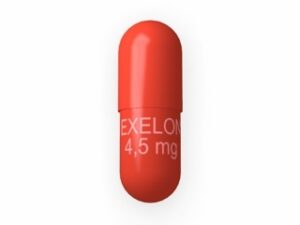
Donepezil (for Alzheimer’s disease) — Patient-Friendly Guide (UK)
Donepezil is a medicine commonly used to help manage symptoms of Alzheimer’s disease. It works by supporting brain signaling in areas involved with memory and thinking. If you or a loved one has been prescribed donepezil, this guide explains how it works, when to take it, what to expect, and key safety information—written for people in the United Kingdom.
Note: This page provides general information to help you understand the medicine. Always follow the advice provided by your healthcare professional and read the medicine label and leaflet supplied with your product.
Quick Facts
- Generic name: Donepezil
- Common brand examples: Depends on manufacturer (varies by availability)
- Medicinal form: Tablets (including strengths such as 5 mg and 10 mg are commonly used)
- Used for: Alzheimer’s disease symptoms (mild to moderate; sometimes continued in later stages under clinical review)
- How it works: Increases availability of acetylcholine in the brain
- Typical dosing style: Once daily, often in the evening
- Time to notice effects: Improvements may be gradual over weeks
What is Donepezil?
Donepezil is a medicine that belongs to a group called cholinesterase inhibitors. In Alzheimer’s disease, nerve cell communication becomes less effective. Donepezil helps to improve or maintain communication by increasing levels of a brain chemical called acetylcholine.
It is important to understand what donepezil can and cannot do:
- It may help with symptoms such as memory, thinking, and daily functioning in some people.
- It does not cure Alzheimer’s disease or stop the underlying condition from progressing.
- Benefits differ from person to person and are usually assessed by your clinician over time.
Mechanism of Action (How It Works)
Donepezil works by reversibly inhibiting acetylcholinesterase—an enzyme that breaks down acetylcholine. By slowing down this breakdown, donepezil increases acetylcholine activity in the brain.
This enhanced cholinergic signaling may:
- Support cognition (thinking and memory)
- Support attention and daily functioning
- Potentially improve behavioural symptoms in some people
Pharmacokinetics (Absorption, Distribution, Metabolism, Elimination)
Pharmacokinetics describes how the body handles a medicine. While exact values vary between individuals, the overall pattern for donepezil is well established:
- Absorption: Donepezil is absorbed after oral dosing. Food may affect the speed slightly, but overall exposure is not usually clinically significant.
- Peak levels (Cmax): Typically reached within a few hours after taking a dose.
- Distribution: Donepezil distributes throughout the body and reaches the brain.
- Metabolism: Mainly metabolised by the liver (notably via CYP enzymes).
- Elimination half-life: Approximately around 70 hours (long half-life). This supports the usual once-daily dosing schedule.
Practical implication: Because donepezil stays in the body for a long time, missing a single dose is often not catastrophic, but consistent daily use is generally recommended for stable effect.
Typical Uses in the UK
In the United Kingdom, donepezil is used to treat symptoms associated with Alzheimer’s disease. It is generally intended for:
- Mild to moderate Alzheimer’s disease (commonly initiated early)
- Ongoing symptom support for some individuals, with regular clinical review
Your clinician may consider donepezil if Alzheimer’s disease is diagnosed and symptom management is appropriate.
Indications
Donepezil indications may vary slightly by product presentation and local guidance, but in general it is indicated for:
- Symptomatic treatment of Alzheimer’s disease
It is not intended as a treatment for other causes of memory problems (such as vascular dementia) unless specifically advised by your healthcare professional.
How and When to Take Donepezil
Typical timing
Most people take donepezil once daily. Many regimens start with a lower dose and may increase after several weeks depending on tolerability and clinical assessment.
Common approach in practice:
- Often taken in the evening (for example, with dinner or before bed), especially if it causes vivid dreams or nausea in some people.
- Try to take it around the same time each day.
With or without food
- Donepezil can usually be taken with or without food.
- If it upsets your stomach, taking it with a meal may help.
If you miss a dose
In general, if you miss a dose, take it as soon as you remember unless it is close to your next dose. Do not take a double dose to make up for the missed one. If you’re unsure, consult a pharmacist or your healthcare team.
How to manage swallowing difficulty
If swallowing tablets is difficult, ask your pharmacist whether your specific product has suitable alternatives or whether any practical options are available for your situation.
Dosing (General Guidance)
Dose regimens can vary based on individual factors, product strength, and clinician assessment. A typical pattern in adults may include:
| Stage / Step | Typical starting dose | Possible increase (depending on response/tolerability) | Frequency |
|---|---|---|---|
| Initial treatment | 5 mg once daily | May be increased after a period of assessment | Once daily |
| Ongoing / continued treatment | 10 mg once daily (only if appropriate) | Further adjustments are clinician-led | Once daily |
Important: Your healthcare professional will provide the exact dose and schedule for your situation. Do not change dose without clinical advice.
Food Interactions
Donepezil may be taken with or without food. If you experience stomach upset, nausea, or indigestion, taking it with meals may help.
There are no major “must avoid” food restrictions for most people. However, maintaining good hydration and regular meals can support comfort, especially if side effects occur.
Alcohol Interactions
Alcohol may worsen side effects such as:
- Feeling dizzy or light-headed
- Sleep disturbance
- Nausea or stomach upset
If you choose to drink alcohol, it is generally safer to discuss an appropriate approach with your healthcare team—particularly if you have low blood pressure, are at risk of falls, or are taking other medicines that affect the brain.
Medicine Interactions (Key Examples)
Donepezil can interact with other medicines. Some interactions relate to liver metabolism, while others relate to effects on the nervous system or heart rate.
Medicines that may affect heart rate
Donepezil can slow the heart rate in some people. Extra caution is needed if you take:
- Other medicines that slow the heart (e.g., some beta-blockers, certain heart rhythm medicines)
- Some medicines that affect conduction in the heart
Cholinesterase inhibitor effects and anticholinergic medicines
Because donepezil enhances cholinergic activity, it may work against or reduce the effect of medicines with anticholinergic properties (which can counteract acetylcholine effects). Examples include some medicines used for:
- Overactive bladder
- Some types of allergies
- Certain stomach or bowel conditions
Liver metabolism interactions
Since donepezil is metabolised in the liver, medicines that influence liver enzymes may affect donepezil levels. Discuss with your pharmacist if you take:
- Certain antidepressants
- Antifungal or antibiotic medicines
- Medicines used to treat seizures
- Herbal products such as St John’s wort
Always check your full list
To reduce interaction risk, keep an up-to-date list of all medicines and supplements (including over-the-counter products) and review them with your pharmacist or prescriber.
Safety Profile: Common and Important Side Effects
Like all medicines, donepezil can cause side effects. Many are mild and improve as your body adjusts, but some effects require prompt medical advice.
Common side effects
- Nausea
- Diarrhoea
- Vomiting
- Loss of appetite or weight loss
- Muscle cramps
- Fatigue or weakness
- Headache
- Sleep disturbance, including vivid dreams
Less common but important risks
- Fainting or dizziness due to slower heart rate or low blood pressure
- Falls (especially in older adults)
- Heart rhythm problems in susceptible individuals
- Urinary frequency or worsening bladder symptoms
- Increased acid/ulcer risk in people with a history of stomach problems (clinician-led monitoring may be needed)
When to seek urgent help
Contact emergency services or urgent medical help if you notice:
- Severe dizziness, fainting, or collapse
- Chest pain, severe shortness of breath, or signs of an abnormal heartbeat
- Black stools or vomiting blood (possible bleeding)
- Severe allergic reaction symptoms such as swelling of the face/lips or trouble breathing
Who should be monitored more closely?
Extra monitoring may be appropriate if you have:
- Known heart rhythm problems or a history of fainting
- Significant gastrointestinal disease (such as ulcers)
- Difficulty eating or unintentional weight loss
- Seizures or a history of seizures
- Severe liver disease (requires clinician assessment)
Practical Use Tips (Making It Easier)
- Start low and review: If your clinician increases dose, it’s usually done gradually to improve tolerability.
- Take at the same time daily: Consistency supports stable symptom control.
- If nausea happens: Try taking it with food or in the evening (if advised). Small, regular meals and hydration can help.
- Watch for weight loss: Donepezil may reduce appetite. If food intake drops, ask a pharmacist or GP about strategies and monitoring.
- Reduce fall risk: If you feel dizzy, rise slowly, ensure good lighting, and consider home safety measures.
- Keep a side-effect diary: Note timing and severity of nausea, sleep changes, dizziness, or bowel changes—helpful during follow-up.
- Use medication aids if needed: Pill boxes, blister packs, or supervised dosing can prevent missed or double doses.
Alternative Options (If Donepezil Isn’t Suitable)
There are other medicines used in Alzheimer’s disease that may be considered depending on individual needs and tolerability.
Other cholinesterase inhibitors
- Rivastigmine (available in different forms, including patches in some settings)
- Galantamine
Memantine
- Memantine is another option, often considered for moderate to severe Alzheimer’s disease or in specific circumstances as part of a broader care plan.
Your clinician can recommend alternatives if side effects occur, if donepezil is not effective, or if the overall treatment plan changes.
United Kingdom: Market, Regulation, and Recent Guidance Context
In the UK, Alzheimer’s disease management is supported by national clinical pathways and local guidance. Medicines for Alzheimer’s symptoms are typically reviewed periodically to ensure benefits outweigh risks for the individual.
What you may see in practice:
- Baseline assessment and review: Symptom changes are typically assessed using clinical measures and caregiver reports.
- Monitoring for tolerability: Heart rate, blood pressure, gastrointestinal effects, and weight may be reviewed.
- Ongoing reassessment: Treatment continuation may be reviewed after a trial period and then periodically.
Additionally, UK medicines regulation requires products to meet quality standards and include patient information leaflets. Availability can vary by strength and manufacturer.
Recent guidance (general themes): Clinical practice in the UK has continued to emphasise early diagnosis, appropriate patient selection, careful monitoring for side effects, and regular review of whether cognitive or functional benefits are present.
Delivery and Availability (UK Online Pharmacy Information)
Availability of donepezil can vary by:
- Strength (for example, 5 mg vs 10 mg)
- Pack size
- Manufacturer
When ordering online in the UK, delivery options and dispatch times depend on stock levels and your postcode. Reputable online pharmacies typically provide:
- Clear dispatch estimates
- Tracking information
- Secure packaging to protect tablets
If you need a specific strength or formulation, it’s worth checking whether it is currently in stock. If a product is temporarily unavailable, your pharmacy may provide alternative options consistent with clinical guidance.
Safety Considerations for Caregivers and Patients
Because donepezil is often used in older adults who may have other health conditions, it’s helpful to plan for real-world safety:
- Medication review: Regularly review all medicines with a healthcare professional to identify interaction risks and duplicate therapies.
- Hydration and nutrition: Support adequate fluids and food intake, especially if appetite decreases.
- Monitoring sleep and behaviour: If vivid dreams or sleep disruption becomes problematic, discuss timing changes or supportive strategies.
- Falls prevention: Ensure grab rails, non-slip flooring, and regular mobility checks if dizziness occurs.
FAQ — Donepezil (UK)
1) How long does it take for donepezil to work?
Some people notice changes within a few weeks, while for others effects may be gradual. Clinicians often review benefit after an initial period and then periodically.
2) Should donepezil be taken at night or in the morning?
Many people take it in the evening. If sleep disturbance or vivid dreams happen, your clinician may suggest changing the timing. Follow the schedule you were given.
3) Can I take donepezil with food?
Yes. Donepezil can usually be taken with or without food. If you experience nausea, taking it with a meal may help.
4) What if I forget a dose?
Take it when you remember unless it is close to your next dose. Do not take a double dose. If unsure, ask a pharmacist.
5) Will donepezil stop Alzheimer’s disease from getting worse?
No. Donepezil helps manage symptoms and may support day-to-day functioning, but it does not cure or stop progression.
6) What are the most common side effects?
Common side effects include nausea, diarrhoea, vomiting, loss of appetite, muscle cramps, headache, and sleep disturbances.
7) Can donepezil cause dizziness or fainting?
It can, particularly due to potential effects on heart rate. If you feel faint, dizzy, or unusually weak, seek medical advice promptly.
8) Are there important drug interactions?
Yes. Interactions can occur with medicines that affect the heart rate, anticholinergic medicines, and medicines that influence liver metabolism. Always share your full medicine list with your pharmacist.
9) Is it safe to drink alcohol while taking donepezil?
Alcohol may increase side effects such as dizziness and sleep disturbance. If you choose to drink, do so cautiously and discuss with your healthcare team, especially if you’ve had falls or low blood pressure.
10) What should I do if side effects are troublesome?
Contact your pharmacist or clinician. Don’t stop the medicine suddenly without advice, especially if you are not sure whether the symptoms are related.
Summary
Donepezil is a cholinesterase inhibitor used to help manage symptoms of Alzheimer’s disease in the UK. It works by increasing acetylcholine activity in the brain. In most people, it is taken once daily, often in the evening, and can usually be taken with or without food. As with all medicines, it has possible side effects—particularly gastrointestinal symptoms and, in some people, dizziness or effects related to heart rate—so monitoring and medication reviews are important.
If you have questions about your specific situation, including timing, side effects, or medicine interactions, speak to a qualified healthcare professional or pharmacist.