
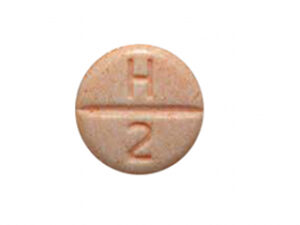
Edarbyclor (Azilsartan) — Patient-Friendly Guide (UK)
Edarbyclor is a blood pressure medicine used to help control hypertension (high blood pressure). In the UK it is commonly supplied as a combined treatment that contains azilsartan (an angiotensin II receptor blocker, “ARB”) along with a diuretic component (often referred to as a “water tablet”). This guide explains how the medicine works, how it fits into treatment, what to expect, and key safety considerations.
Important: Medication advice should always be personalised to you. This page is for general information and does not replace advice from your healthcare professional.
Quick Facts
- Medicine name: Edarbyclor
- Active component: Azilsartan (ARB class) as part of the product
- What it’s used for: Lowering high blood pressure
- Typical form: Oral tablets
- Common benefits: Helps reduce blood pressure and lower cardiovascular risk over time
- Who it may suit: People whose blood pressure is not sufficiently controlled with lifestyle measures alone or with a single medicine
How Edarbyclor Works (Mechanism of Action)
High blood pressure is partly driven by the body’s renin–angiotensin–aldosterone system (RAAS), which regulates blood vessel tone and salt/water balance.
- Azilsartan (ARB effect): Azilsartan blocks angiotensin II receptors on blood vessel cells. This helps blood vessels relax (vasodilation), reducing resistance to blood flow and thereby lowering blood pressure.
- Diuretic effect (water loss): The diuretic component helps the kidneys remove excess salt and water. This can further reduce blood volume and lower blood pressure.
Combined effect: By acting on both blood vessel tone and fluid balance, Edarbyclor can provide stronger blood pressure control than either approach alone for many people.
Pharmacokinetics (How the Body Handles It)
Pharmacokinetics describes absorption, distribution, metabolism, and elimination.
| Topic | What generally happens |
|---|---|
| Absorption | After oral dosing, azilsartan is absorbed from the gastrointestinal tract. Peak effects typically occur after the tablet is taken and absorbed. |
| Distribution | Azilsartan is distributed in the body and binds to plasma proteins. |
| Metabolism | Metabolism occurs primarily in the liver. The active and inactive metabolites are then handled by normal elimination pathways. |
| Elimination | Removal from the body occurs through combined routes, including biliary and renal processes (depending on metabolism and metabolite handling). |
| Onset and duration | Blood pressure reductions may be noticed within days, with fuller effects building over several weeks as steady response develops. |
Individual response varies: Kidney function, liver function, age, other medicines, and diet can influence how someone responds and how well they tolerate treatment.
Typical Use in the UK
In clinical practice, Edarbyclor is used for high blood pressure when:
- Blood pressure is not adequately controlled with lifestyle measures and/or a single medication, or
- A clinician decides that combination therapy is appropriate from the start due to risk level or blood pressure severity, or
- To improve the likelihood of reaching target blood pressure with fewer dose adjustments.
It is part of a long-term strategy. Even when readings look better, stopping suddenly can lead to blood pressure rising again.
Indications (What It Treats)
The indication for Edarbyclor is the treatment of hypertension (high blood pressure) in adults.
It may also be used in people with coexisting cardiovascular risk factors, where blood pressure control helps lower future cardiovascular events such as heart attack and stroke.
Dosing and Timing (General Guidance)
How to take Edarbyclor:
- Take your tablet once daily, at a time you can remember consistently.
- You can usually take it with or without food, but choose a routine that helps adherence.
- Swallow the tablet whole with water.
- Do not change your dose without clinician guidance.
Timing tips:
- If you notice increased urination after taking it, consider taking it earlier in the day to reduce nighttime bathroom trips.
- Try to take it around the same time each day.
Missed dose: If you miss a dose, take it when you remember unless it is close to the next dose. If it’s close, skip the missed dose and continue as normal. Avoid taking double doses.
Food Interactions and Dietary Considerations
Food: Edarbyclor is generally taken with or without food. Food does not typically require strict timing changes for many patients.
However, consider the following dietary points:
- Salt intake: High salt intake can make blood pressure harder to control. Reducing salt (especially processed foods) can improve effectiveness.
- Potassium-rich foods: ARBs can raise potassium levels in some people. Eating very high amounts of potassium-rich foods (for example, certain salt substitutes) may be an issue if you also have kidney problems or take interacting medicines.
- Alcohol and hydration: See alcohol section below; diuretic effects may increase dehydration risk for some people.
Alcohol Interactions
Alcohol may increase the blood-pressure-lowering effect of Edarbyclor, which can increase the risk of:
- Dizziness
- Feeling faint, particularly when standing up
- Falls in susceptible individuals
Practical advice: If you drink alcohol, keep it moderate and monitor how you feel. Avoid binge drinking, and be extra cautious if you are new to treatment or dose has recently changed.
Medicine Interactions (Important)
Certain medicines can interact with Edarbyclor, affecting safety (for example, kidney function, potassium levels, and blood pressure). Always tell your healthcare professional and pharmacist about:
- All prescription medicines
- Over-the-counter products (including painkillers and cold/flu remedies)
- Herbal supplements
Common interaction themes include:
- Other blood pressure medicines: May increase the chance of low blood pressure or dizziness.
- Potassium-raising medicines or supplements: Examples include some potassium supplements or potassium-sparing diuretics. This may raise potassium levels.
- NSAIDs (anti-inflammatory painkillers): Such as ibuprofen or naproxen may reduce the kidney-friendly effects of RAAS blockers and can increase risk of kidney strain, especially in people who are dehydrated or older.
- Diuretics and dehydration: Combined diuretic effects may worsen dehydration, particularly during hot weather or if you are unwell with vomiting/diarrhoea.
- Lithium: ARBs may increase lithium levels and toxicity risk. Monitoring may be needed if lithium is used.
“Sick day” rule: If you become unwell with significant vomiting, diarrhoea, fever, or you cannot drink normally, your clinician may advise temporarily pausing certain medicines to protect kidney function. Follow individual guidance.
Safety Profile and Side Effects
Like all medicines, Edarbyclor can cause side effects. Many are mild and improve as your body adjusts.
Common side effects
- Dizziness or light-headedness (especially when standing)
- Headache
- Increased urination (due to diuretic component)
- Fatigue
- Changes in blood test results (such as kidney function markers or potassium levels)
Less common but important side effects
- Low blood pressure (symptoms: fainting, severe dizziness)
- High potassium levels (symptoms may be subtle; monitoring is important)
- Kidney function changes (more likely if dehydrated, older, or with kidney disease)
Seek urgent medical advice if
- You faint, have severe dizziness, or symptoms of dangerously low blood pressure
- You develop swelling of the face, lips, tongue, or throat, or breathing difficulties
- You have signs of severe allergic reaction
- You experience very reduced urine output, severe weakness, or confusion (especially if unwell)
Monitoring: Healthcare professionals often check blood pressure and blood tests (kidney function and electrolytes such as potassium) after starting and during dose changes.
Practical Use Tips (How to Get the Best Results)
- Take it every day: Consistency improves control and reduces the chance of fluctuations.
- Track your readings: Home blood pressure monitors can help you and your clinician assess progress. Record readings and bring them to appointments.
- Stand up slowly: If you feel dizzy, rise slowly from sitting or lying positions.
- Watch hydration: Drink appropriately. Contact your clinician if you cannot keep fluids down.
- Be cautious with OTC products: Some cold remedies and painkillers may affect blood pressure or interact.
- Know your risk factors: If you have kidney disease, diabetes, heart failure, or are older, monitoring is especially important.
- Don’t stop abruptly: If side effects occur, speak to a clinician before stopping.
Alternative Options
There are many other ways to treat high blood pressure. Alternatives depend on your health profile, kidney function, and how your blood pressure responds.
Drug classes commonly used in the UK
- ACE inhibitors (another RAAS approach)
- Other ARBs (including medicines like losartan, telmisartan, candesartan)
- Calcium channel blockers (e.g., amlodipine)
- Thiazide-like diuretics (e.g., indapamide)
- Beta blockers (for specific indications)
- Other add-on options when blood pressure remains above target
Combination therapy options: If a diuretic is part of your regimen, clinicians may choose different ARB or diuretic pairings based on your needs and lab results.
Market and Legal Context (United Kingdom)
In the UK, medicines for hypertension are regulated and supplied under national frameworks that focus on safety, quality, and responsible use. Blood pressure medicines are widely available, and combination therapies such as ARB + diuretic are commonly used in standard care pathways.
Medicines information: If you order online, make sure you purchase from a reputable UK-compliant service. Look for clear product information, batch/expiry details where applicable, and standard delivery terms.
Guideline context: UK recommendations generally emphasise reaching and maintaining blood pressure targets, using lifestyle measures alongside medication when needed, and tailoring treatment to individual risk factors. Combination therapy may be recommended when single-agent treatment is insufficient.
Recent guidance (high-level): In recent years, UK practice has continued to emphasise:
- Appropriate monitoring of kidney function and electrolytes for RAAS medicines and diuretics
- Home blood pressure monitoring as a supportive tool for assessment in selected patients
- Shared decision-making and attention to adherence and tolerability
- Optimising medicines while reviewing interactions, especially NSAIDs and dehydration risks
Delivery and Availability (Online Pharmacy Information)
Availability may vary depending on stock levels and the specific tablet strength you require. For UK customers, delivery typically follows standard postal or courier processes.
- Packaging: Medicines should be dispatched in tamper-evident packaging where relevant.
- Storage: Store tablets as directed on the packaging (commonly at room temperature, away from excess heat and moisture).
- Delivery times: Many online pharmacies offer standard and expedited options; times depend on postcode and supplier fulfilment.
- Order tracking: Reputable suppliers often provide tracking or dispatch confirmation.
Tip: Before ordering, confirm the exact product name, tablet strength, and quantity to match your current regimen.
FAQ — Frequently Asked Questions
1) What is Edarbyclor used for?
Edarbyclor is used to treat high blood pressure (hypertension) in adults by helping relax blood vessels and reduce fluid/salt balance issues that contribute to elevated blood pressure.
2) How quickly will it start working?
Some blood pressure reduction may be seen within the first days. For many people, fuller and steadier effects develop over several weeks. Continue taking it consistently unless your healthcare professional advises otherwise.
3) Should I take it in the morning or evening?
Many people take it at the same time each day. If the diuretic effect causes frequent urination, taking it earlier in the day can help reduce night-time effects.
4) Can I take it with food?
It is generally taken with or without food. Choose what suits you and helps you remember.
5) Is Edarbyclor safe with alcohol?
Alcohol may increase the likelihood of dizziness or low blood pressure. If you drink, keep it moderate and pay attention to how you feel, especially when starting or adjusting dose.
6) What side effects should I watch for?
Common effects include dizziness and increased urination. Contact urgent services if you experience fainting, swelling of the face/lips/tongue, breathing difficulties, or severe symptoms of very low blood pressure.
7) Will I need blood tests?
Often, yes. Monitoring kidney function and electrolytes (such as potassium) is commonly recommended after starting therapy or changing dose, particularly in people with kidney impairment or other risk factors.
8) Can I take painkillers like ibuprofen?
NSAIDs such as ibuprofen may affect kidney function when combined with RAAS medicines, especially if you are dehydrated or unwell. If you need regular pain relief, ask a pharmacist or clinician what is safest for you.
9) What if I miss a dose?
Take it when you remember unless it’s close to the next dose. Do not take double doses.
10) Are there alternatives if Edarbyclor doesn’t suit me?
Yes. Alternatives can include different ARBs, ACE inhibitors, calcium channel blockers, or diuretics, either alone or in different combinations. The best option depends on your health history and blood pressure response.
Summary
Edarbyclor is a combination blood pressure medicine that includes azilsartan (an ARB) to help lower high blood pressure. It works by relaxing blood vessels and supporting salt and fluid balance. Many people use it long-term to reduce cardiovascular risk associated with hypertension.
To use Edarbyclor effectively and safely, take it consistently at the same time each day, be mindful of hydration and salt intake, and attend any recommended blood tests. If you experience persistent dizziness, symptoms of very low blood pressure, or any signs of a serious allergic reaction, seek urgent medical advice.
Always check product strength and instructions on the pack, and consult a healthcare professional for personalised advice.