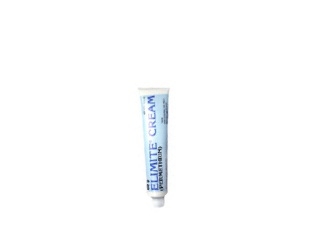

Elimite (Permethrin) 5% Cream
Elimite is a medicated cream containing permethrin, a medicine used to treat certain skin infestations caused by parasites. It is widely used in the UK for conditions such as scabies (itch mite) and, in some cases, other infestations depending on local guidance and product licensing. This guide explains what Elimite is, how it works, how to use it safely, and what to expect during treatment.
Quick overview
- Active ingredient: Permethrin
- Strength: 5% cream
- Used for: Scabies and certain other infestations as advised
- How it works: Kills parasites and helps stop the spread
- Typical application: Applied to the skin, left for a set period, then washed off
- Important note: Itching may continue for days even after successful treatment
Basic product information
Elimite is an anti-parasitic (ectoparasiticide) medicine applied to the skin. It is designed to treat infestation on the surface of the skin and in hair follicles (depending on the condition being treated).
In the UK, permethrin is available in different formulations (creams and lotions) used for specific indications. Always check the label and patient information provided with the product you receive, as instructions can vary by diagnosis and product type.
How Elimite works (mechanism of action)
Permethrin is a type of pyrethroid. It works by affecting the nervous system of parasites:
- It interferes with the way nerve cells function.
- This causes paralysis and death of the parasite.
- Because it acts on the parasite, successful treatment depends on applying the cream to the correct areas and repeating when advised (particularly for scabies, where eggs can survive the first application).
Elimite is not an anti-itch medicine in the strict sense; rather, relieving the itch usually happens as the parasite infestation is controlled and the skin calms down afterward.
Pharmacokinetics (what the body does with permethrin)
When permethrin cream is applied to intact skin, only small amounts are absorbed into the bloodstream. Most of the medicine remains on the skin surface and within the outer skin layers where the parasites live.
- Absorption: Limited systemic absorption through skin.
- Metabolism: If absorbed, permethrin is broken down in the body (primarily in the liver).
- Excretion: Metabolites are mainly eliminated via the kidneys in urine.
In normal use, systemic exposure is generally low. However, absorption may be higher if treated skin is irritated, inflamed, or covered extensively.
Typical indications and when it’s used
Elimite (permethrin 5% cream) is used to treat scabies. It may also be used for other infestations depending on local product licensing and clinical advice.
Common indication:
- Scabies (itch mite): Causes intense itching, often worse at night, with characteristic rash and burrows. Spread occurs mainly through prolonged skin-to-skin contact.
If you’re unsure whether your symptoms fit scabies, consider discussing with a healthcare professional. Correct diagnosis is important because the treatment approach (including treating close contacts and washing items) differs by condition.
Timing and how long treatment takes
The exact timing depends on the condition being treated and the instructions you’re given. For scabies, a common approach is:
- First application: Apply the cream to the skin thoroughly and evenly.
- Leave on for: Usually around 8–12 hours (follow the package instructions).
- Wash off: After the recommended time, wash the treated areas.
- Second application (often needed for scabies): A second application is commonly recommended about one week later to kill parasites that hatch from eggs.
Even when parasites are killed, skin irritation and itching can persist for up to several weeks. This does not always mean treatment failed.
Food interactions
There are no known food interactions with permethrin cream when used on the skin as directed. Because systemic absorption is limited, what you eat is not expected to affect how the medicine works.
Alcohol and medicine interactions
Alcohol interactions: No specific interaction between alcohol and permethrin cream is expected based on how the medicine is used (topical, low systemic absorption). If you are using other medicines with alcohol restrictions for separate reasons, follow those guidance.
Other medicines: There are generally no clinically significant interactions expected for topical permethrin. However, you should:
- Avoid applying other creams or lotions to the same area unless advised.
- Tell a healthcare professional or pharmacist about other treatments you’re using, especially if you have widespread skin inflammation or other skin conditions.
Dosing: how much and where to apply
Dosing for topical permethrin is usually described as how to apply rather than a weight-based amount. The key is complete coverage of the areas where mites may be present.
General dosing guidance for scabies (typical approach):
- Apply a thin, even layer over the whole body as instructed, paying careful attention to areas where scabies commonly affects the skin.
- Be sure to cover between fingers and toes, under nails (as far as possible), around wrists, elbows, armpits, waist, genitals, buttocks, and soles of feet.
- Hair and scalp: Instructions vary by age and product. Follow the product label and local guidance. For some people (e.g., very young children), scalp may be included; for others, it may not.
Follow your exact instructions:
- Use the amount recommended on the packaging.
- Do not reduce the amount if coverage is incomplete.
- Do not reapply early; repeat timing matters (especially for scabies).
If Elimite is being used for another infestation, the areas and timing may differ—always follow the relevant directions for that condition.
Practical step-by-step: how to use Elimite safely
Before you start
- Read the label and any patient instructions included with your product.
- Check your skin: If you have broken or severely inflamed skin, the product may sting more—still follow instructions, but consider advice if symptoms are severe.
- Plan a time: You’ll need to leave the cream on for the recommended period (commonly overnight).
During application
- Apply to clean, dry skin unless your instructions state otherwise.
- Use enough cream to cover all targeted areas.
- Wash hands after application (unless your hands are part of the treated area and you’ve been instructed to leave them).
- For children, ensure a responsible adult applies the cream carefully and covers required areas.
After the recommended time
- Wash off thoroughly using water and a gentle cleanser or soap as appropriate.
- Change into clean clothing and use clean bedding.
- If instructed, repeat for the second round (often about a week later for scabies).
How to handle clothing, bedding, and household items (important for scabies)
Even with correct cream application, reinfestation can occur if close contacts or items are not addressed. Guidance can differ, so follow the label and local advice. Typical scabies measures include:
- Wash recently used clothing, towels, and bedding on a hot wash if fabric allows.
- Dry thoroughly if possible.
- If items cannot be washed, seal them in a bag for a period advised by local guidance or product instructions.
- Treat close contacts as advised, since scabies spreads through close skin contact.
Keeping to these practical steps is one of the most effective ways to reduce the chance of treatment failure.
Safety profile: side effects and what to watch for
Most people tolerate permethrin cream well when used as directed. However, some side effects can occur, especially if skin is already inflamed or if the cream is applied over large areas.
Common or expected effects
- Skin irritation such as redness, mild burning, or itching
- Dryness or a temporary rash where applied
- Tingling or stinging, especially if skin is broken
Less common but important reactions
- Allergic reactions (e.g., swelling, intense rash, difficulty breathing) are uncommon but require urgent medical help.
When to stop and seek advice
Seek urgent medical help if you develop signs of a serious allergy (such as swelling of face/lips, wheezing, or difficulty breathing). Contact a pharmacist or healthcare professional promptly if you have severe skin pain, widespread worsening rash, or symptoms that do not settle.
Precautions
- Avoid contact with eyes, inside nose, and mouth. If accidental contact occurs, rinse thoroughly with water.
- Be careful applying around genitals and in skin folds.
- Do not use more frequently than advised.
- If you are pregnant, breastfeeding, or treating a young child, follow specific advice provided with the product or by a healthcare professional.
Safety tips for effective use
- Do not miss areas: Incomplete coverage is a common reason for persistent scabies symptoms.
- Use the full course: For scabies, a second application is often necessary even if you feel better after the first.
- Expect itch to continue: The itch can persist due to ongoing skin reaction to dead mites and their waste, not necessarily ongoing live infestation.
- Check close contacts: If household members or close contacts are not treated when required, reinfestation is more likely.
- Keep nails and hands in mind: Mites can be in areas near nails and between fingers.
What if the itch continues after treatment?
After successful scabies treatment, itching may continue for up to a few weeks. This is commonly called post-scabies itch and can occur even when the mites are gone. The rash may look different over time and often gradually settles.
Re-treatment may be considered if there are signs of ongoing infestation (e.g., new burrows or itch that quickly worsens soon after treatment) and if guidance suggests it. If symptoms persist, seek advice from a healthcare professional or pharmacist.
Alternative options (what else may be used)
Depending on the diagnosis, age, and severity, alternatives to permethrin may include other scabicides or supportive measures. In the UK, options used for scabies can include:
- Other topical scabies treatments: Different permethrin formulations or comparable topical anti-parasitic medicines where appropriate.
- Oral options: Some conditions may be treated with oral medicines under clinical guidance in certain situations.
- Symptom relief: After parasites are treated, itch and inflammation may be managed with soothing or anti-itch products recommended by a pharmacist or healthcare professional.
The best alternative depends on the individual case, including age, pregnancy status, previous treatment response, and the household situation.
Market and legal context in the United Kingdom
In the UK, permethrin-containing medicines are regulated and supplied in accordance with UK medicines legislation and regulatory frameworks. Availability may vary by formulation and indication. Scabies treatments are commonly accessed through pharmacies and, depending on local pathways, via healthcare services.
Product labels and patient leaflets are expected to include:
- The licensed indication(s)
- How to use the product safely
- Warnings and precautions
- Information about what to do about household contacts and laundering items
UK guidance for scabies management may be updated as new evidence emerges, particularly regarding treatment of contacts, environmental measures, and symptom management after therapy.
Recent guidance (what to consider)
Updated advice commonly emphasises the following principles for effective scabies control:
- Early recognition and prompt treatment to reduce spread.
- Treating close contacts to prevent reinfestation.
- Following correct timing for repeat applications when recommended.
- Understanding post-treatment itch so that people don’t unnecessarily re-treat too soon.
- Environmental cleaning focused on recently used bedding and clothing, following local or product instructions.
Always refer to the most current advice from reliable UK health sources or speak to a pharmacist for tailored guidance.
Delivery and availability in the UK
Elimite (permethrin) may be available from UK online pharmacies depending on stock levels and product licensing. Delivery options typically include standard and express services, with dispatch times and delivery windows varying by supplier.
- Check availability: Some strengths or related permethrin products may have different availability.
- Packaging: Medicines are usually delivered in secure packaging suitable for transport.
- Storage: Store according to the label, often at room temperature away from excessive heat and direct sunlight.
If the product you order is unavailable, an online pharmacy may offer a suitable alternative product or advise you to contact customer service.
FAQ: Elimite (Permethrin) for scabies and other skin infestations
1) How quickly does Elimite work?
Permethrin works on the parasites once applied. For scabies, improvement can be noticed over the following days, but itch may continue for longer due to skin reaction. The recommended repeat application (often after about a week for scabies) is designed to address mites that hatch after the first treatment.
2) Can I shower after applying Elimite?
You should generally avoid washing off the cream before the recommended time has passed. After the period stated on the label (commonly 8–12 hours), you should wash off thoroughly. If unsure, follow the leaflet instructions or speak with a pharmacist.
3) Will Elimite stop the itch straight away?
Not always. Itching can persist after successful treatment. Skin inflammation and immune response can continue after the mites are dead, so itch may take days to weeks to settle.
4) Is it safe to use on children?
Permethrin is commonly used for scabies in children, but the exact approach (including whether the scalp should be treated and the timing) may vary with age and the product leaflet. Follow the instructions provided with your product and seek pharmacy advice for the safest approach.
5) Do I need to treat everyone in the household?
For scabies, close contacts are often treated as well to reduce the risk of reinfestation. The number of people and whether they require treatment depends on close skin contact and local guidance. If you live with or have had close contact with someone affected, discuss appropriate contact treatment with a pharmacist or healthcare professional.
6) What should I do about bedding and clothing?
Wash and dry items that have been used close to treatment, following label guidance. Items that can’t be washed may need to be sealed for a period advised by local guidance or the product leaflet.
7) Can I use Elimite alongside other creams?
Avoid layering on other products on the same areas unless advised. If you’re using moisturisers or other treatments, ask a pharmacist whether they should be applied before or after Elimite.
8) What if I forget to apply the second dose?
For conditions such as scabies where a repeat application is commonly recommended, timing matters. Contact a pharmacist for advice on what to do if the schedule has been interrupted.
9) Can Elimite be used if the skin is broken or very inflamed?
It may still be used as directed, but broken skin can increase irritation and stinging. If the skin condition is severe, infected, or you have extensive open sores, seek advice before applying.
10) Is Elimite effective if there is no improvement?
If symptoms persist, it may be due to post-treatment itch, reinfestation, or incomplete coverage. It’s important to confirm whether new signs suggest ongoing infestation and whether contacts and laundering were addressed. A pharmacist can help assess the situation and suggest next steps.
Summary
Elimite (permethrin 5% cream) is a topical anti-parasitic used primarily for scabies and other approved infestations depending on guidance. It works by targeting parasite nerve function, and successful outcomes rely on complete application, correct timing, and addressing close contacts. While skin itch and redness may continue for some time after treatment, this can occur even when parasites are gone. Always follow the label instructions and seek advice if you’re unsure, particularly for children, pregnancy, breastfeeding, or severe skin irritation.
| Category | Details |
|---|---|
| Medicine name | Elimite (Permethrin) |
| Strength | 5% cream |
| Type of medicine | Topical anti-parasitic (pyrethroid) |
| Main use | Scabies treatment (and other approved infestations depending on guidance) |
| How it’s used | Applied to skin and washed off after the recommended period; repeat may be needed for scabies |
| Common expectation after treatment | Itch may persist for days to weeks even after successful parasite kill |
| Key to success | Full coverage + correct timing + treating close contacts and laundering items when advised |