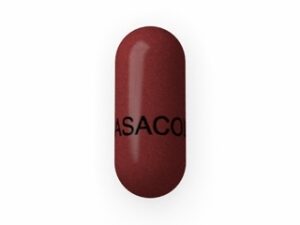


Esomeprazole: Patient-Friendly Guide (UK)
Esomeprazole is a medicine used to reduce stomach acid. It is part of a group called proton pump inhibitors (PPIs). Esomeprazole may be used to treat conditions such as heartburn (acid reflux/GERD), reflux-related inflammation, stomach ulcers, and to help prevent ulcers in certain people taking medicines that can irritate the stomach.
This guide explains how esomeprazole works, how it is usually taken, common safety information, and practical tips to get the best results. It also covers interactions with food, alcohol and other medicines, plus frequently asked questions relevant to the United Kingdom.
Basic product information
| Topic | Details |
|---|---|
| Medicine name | Esomeprazole |
| Medicine type | Proton Pump Inhibitor (PPI) |
| Main action | Reduces stomach acid production |
| Common forms | Tablets/capsules (enteric-coated); other formulations may be available |
| Typical onset | May start working within 1 day; best effect often after several days |
| Where it’s used | Heartburn/GERD, reflux inflammation, ulcers, and prevention strategies |
How esomeprazole works (mechanism of action)
Esomeprazole works by blocking the “proton pump” in stomach cells. These pumps normally produce acid that helps digest food. By inhibiting this system, esomeprazole lowers acid levels in the stomach. Lower acid helps:
- Reduce burning pain and discomfort caused by acid reflux
- Allow healing of inflammation (oesophagitis) where stomach acid has irritated the food pipe
- Support healing of stomach or duodenal ulcers
- Reduce the risk of ulcers, especially in people at higher risk
PPIs like esomeprazole are most effective when taken in a way that matches the stomach’s acid production cycle (explained below under Timing).
Pharmacokinetics (how the body handles it)
Understanding pharmacokinetics can help explain why timing matters and why some medicines may interact.
- Absorption: Esomeprazole is absorbed after oral dosing, but it is designed to be protected from stomach acid and absorbed in the intestines. This helps it work reliably.
- Distribution: It circulates in the bloodstream and reaches stomach cells where acid is produced.
- Metabolism: The liver metabolises esomeprazole mainly via enzyme systems (including CYP2C19).
- Elimination: Metabolites are cleared largely through the kidneys and bile.
- Duration: Although the bloodstream level may fall between doses, the “proton pump” effect can last longer, which is why once-daily dosing is common for many indications.
People who are “poor metabolisers” of CYP2C19 (a genetic variation) may have higher blood levels of PPIs. In practice, this may be relevant for long-term use or when interacting medicines are also taken.
Typical uses and indications (what it treats)
Esomeprazole is commonly used for the following conditions in the UK:
- Gastro-oesophageal reflux disease (GORD)/heartburn: Relief of symptoms such as heartburn and acid regurgitation.
- Reflux oesophagitis: Healing of inflammation in the oesophagus caused by acid.
- Stomach and duodenal ulcers: Treatment to allow ulcers to heal.
- Ulcer prevention in people at risk: Particularly when taking medicines that increase the risk of ulcers (e.g., some anti-inflammatory medicines).
- In combination with antibiotics (where appropriate): For eradication of Helicobacter pylori (H. pylori), a common cause of ulcers.
- Zollinger–Ellison syndrome and other acid-related conditions: Rare conditions involving excessive acid production.
The exact use and dose depend on the diagnosis, severity, and your personal medical history. If you are unsure which condition you are treating, check the information on the product pack and follow healthcare advice.
How and when to take esomeprazole (timing)
Timing is one of the most important factors for PPIs. Esomeprazole works best when taken before food.
For most once-daily regimens
- Take it at least 1 hour before food (often taken in the morning).
- If you are taking it once daily, a common approach is before breakfast.
- Swallow whole with water, unless your product specifically instructs otherwise.
If you are taking it twice daily
- Take the first dose before breakfast and the second dose before evening meal.
- Aim for a similar interval each day.
What to do if you miss a dose
- If you remember the same day, take it when you next can within the usual timing.
- If it is close to the time of the next dose, skip the missed dose.
- Do not take a double dose to make up for a missed one.
If symptoms do not improve, continue taking the medicine as directed and speak to a healthcare professional for advice. Some conditions require several days to show full benefit.
Food interactions: does what you eat matter?
Food can reduce how well esomeprazole works because the medication is designed to be active when the stomach acid pumps are preparing to produce acid. For that reason:
- Take on an empty stomach before meals for best effect.
- Try not to take the tablet/capsule immediately with food.
- If you have a sensitive stomach, swallowing with water is usually easier than taking with large meals.
While the medicine does not usually “interact” with specific foods in the way some drugs do, timing relative to food is key.
Alcohol: is it safe with esomeprazole?
Esomeprazole does not have a direct, well-known dangerous interaction with alcohol for most people. However, alcohol can worsen reflux symptoms in many individuals by relaxing the valve between the stomach and oesophagus and increasing irritation.
- If you notice your symptoms flare after drinking alcohol, consider reducing or avoiding alcohol.
- Moderation is sensible, especially during the initial period of treatment.
Medicine interactions (other medicines with possible effects)
Many medicines can be taken with esomeprazole, but some interactions may be important. Always check the product information and consider advice from a pharmacist or healthcare professional, especially if you take medicines long-term or have complex medical needs.
Examples of medicines where interactions may matter
- Medicines that require stomach acid for absorption: Acid-suppressing medicines may affect the absorption of some medicines. Tell your pharmacist if you take medicines such as certain antifungals (e.g., ketoconazole/itraconazole) or specific antiviral agents.
- Clopidogrel: There can be an interaction between PPIs and clopidogrel in some circumstances. This does not necessarily mean you cannot use a PPI, but it is important that your care plan is correct.
- Warfarin (and other vitamin K antagonists): Changes in clotting control can rarely occur. If you take warfarin, you may require closer monitoring when starting or stopping a PPI.
- Digoxin: Reduced acid and changes in absorption may increase digoxin exposure. Monitoring may be needed in some cases.
- Methotrexate (especially high-dose regimens): PPIs may increase methotrexate levels. This can be clinically relevant for specialist treatment plans.
- CYP2C19-related medicines: Because esomeprazole is metabolised partly via CYP2C19, other medicines affecting this pathway may change PPI levels.
Tip: Keep an updated list of all your medicines (including over-the-counter products and supplements). Provide it to your pharmacist to check for interaction risk.
Dosing: typical regimens (examples)
Esomeprazole dosing depends on the condition being treated, symptom severity, and individual factors such as age, liver function, and whether H. pylori eradication or long-term ulcer prevention is being considered.
The sections below provide general example dosing ranges to help you understand how the medicine is commonly used. Your pack strength and healthcare advice should always take priority.
Common general dosing patterns
- GORD/heartburn: often started once daily in the morning. Some people need higher doses or longer courses.
- Reflux oesophagitis: may require a higher dose and/or longer treatment to heal inflammation.
- Ulcer treatment: dosing may be higher and the course longer than for mild heartburn.
- H. pylori eradication: esomeprazole is combined with specific antibiotics as part of a planned regimen.
- Ulcer prevention (e.g., NSAID-related risk): once daily is common.
If symptoms are controlled, you should not automatically increase the dose. If symptoms return, ask about the safest next step (e.g., correct dosing time, course length, or whether the diagnosis needs review).
Children and adolescents
Dosing in younger people is more condition- and age-specific. Only use paediatric dosing based on the appropriate product information and healthcare advice.
Safety profile: what to watch for
Common side effects
Most people tolerate esomeprazole well. Possible side effects include:
- Headache
- Nausea
- Diarrhoea
- Constipation
- Abdominal discomfort (stomach pain, bloating)
- Flatulence (wind)
Seek urgent medical advice if you have
- Allergic reactions such as swelling of the face/lips, severe rash, or difficulty breathing
- Severe or persistent diarrhoea (especially if watery or with fever)
- Vomiting blood or passing black/tarry stools
- Unexplained weight loss, trouble swallowing, persistent vomiting, or signs of bleeding
Long-term use considerations
PPIs are often used for weeks to months, and sometimes longer. Long-term use should be reviewed periodically with a healthcare professional. Risks can include:
- Vitamin and mineral changes (for example, magnesium and potentially vitamin B12 in some circumstances)
- Increased susceptibility to certain infections, particularly gastrointestinal infections
- Bone fracture risk has been associated with long-term PPI use in some studies, especially at higher doses
Your pharmacist or doctor can help decide whether long-term therapy is necessary and whether dose reduction or step-down treatment might be suitable for your situation.
Who should take extra care
- People with liver problems
- People with a history of low magnesium or vitamin B12
- Those taking medicines with potential interaction risk (see interactions section)
- Older adults taking multiple medicines (polypharmacy)
Practical use tips for best results
- Take it before meals: aim for consistency each day.
- Swallow whole if the pack instructs to do so. Do not crush or chew unless the product specifically allows it.
- Be patient: if symptoms are frequent, it may take a few days for the full benefit.
- Keep symptom notes for the first couple of weeks (e.g., timing of heartburn, triggers, meal times). This helps identify what improves symptoms.
- Lifestyle measures can boost results: try smaller meals, avoid lying down right after eating, and consider reducing spicy, fatty or acidic foods that trigger reflux.
- Review if symptoms persist after a planned course—ongoing symptoms may require diagnosis review.
If you are using esomeprazole for reflux symptoms, you may find that improvements correlate with both medication use and reflux-friendly habits.
Alternative options (other ways to manage acid-related symptoms)
Depending on your condition and severity, there may be alternatives to esomeprazole. Your pharmacist can discuss which option suits you best. Alternatives include:
Other PPIs
- Omeprazole
- Pantoprazole
- Lansoprazole
- Rabeprazole
- Esomeprazole (this product)
H2-receptor antagonists
- Famotidine (availability may vary)
Antacids and alginate-based products
- These can offer faster, short-term relief for occasional heartburn symptoms.
- They may be used alongside other treatments, depending on your symptoms and advice.
Choice depends on factors such as how often symptoms occur, whether there is oesophagitis or an ulcer, and how well you respond to treatment.
UK market and legal context (what to expect in the United Kingdom)
In the UK, access to medicines can vary by strength, indication, and product availability. Some PPIs are available as pharmacy medicines and may be purchased through selected channels, while others are available by prescription depending on the exact product and dose.
Your online pharmacy site may display options that are suitable for OTC/pharmacy sale where permitted by UK regulations. Always follow the product packaging guidance and check that the intended medicine matches your needs.
If you are experiencing “red flag” symptoms (such as difficulty swallowing, vomiting blood, unexplained weight loss, or black stools), you should seek prompt medical advice rather than self-treating.
Recent guidance and best-practice points (UK-relevant)
UK clinical practice commonly supports:
- Using the lowest effective dose for the shortest necessary time.
- Reviewing ongoing therapy for people who remain on PPIs long-term.
- Confirming the diagnosis when symptoms persist or when alarm features are present.
- Considering step-down strategies (reducing dose or stopping) where appropriate once symptoms settle.
- Using lifestyle measures to improve reflux control alongside medication.
Advice can vary between individuals, so for persistent symptoms it’s sensible to consult a pharmacist or clinician for tailored guidance.
Delivery and availability (online pharmacy)
Availability can vary based on product strength and formulation. Many PPIs are stocked regularly, but delivery times may depend on:
- Local stock levels
- Order processing time
- Your delivery address and shipping method
When ordering from an online pharmacy, you can typically expect:
- Secure packaging to protect tablets/capsules
- Tracking options where available
- Information on delivery timeframes shown at checkout
If a product is out of stock, your pharmacy may offer alternatives or delivery notifications, depending on their service.
FAQ about esomeprazole
1) How quickly will esomeprazole start working?
Many people notice improvement within the first day or two, but full effect can take several days. If symptoms are severe or persistent, it may require a complete planned course before judging benefit.
2) Can I take esomeprazole with food?
Esomeprazole generally works best before meals. Taking it after food can reduce effectiveness, so aim to take it on an empty stomach at the recommended time on your pack or as advised.
3) Is it safe to take esomeprazole long-term?
Many people take PPIs for extended periods when clinically necessary. However, long-term use should be reviewed periodically by a healthcare professional, using the lowest effective dose and checking for possible side effects.
4) What should I do if my symptoms come back after stopping?
Symptoms can return once acid suppression stops. Don’t simply restart at a higher dose without advice. Consider speaking to a pharmacist or clinician to determine the cause and the safest next step.
5) Can I drink alcohol while taking esomeprazole?
Alcohol is not usually dangerous with esomeprazole, but it may worsen reflux symptoms. If alcohol triggers your heartburn, reducing or avoiding it may improve control.
6) Will esomeprazole affect other medicines?
Yes, it can. Acid-suppressing medicines may change how some drugs are absorbed or cleared. If you take multiple medicines—especially clopidogrel, warfarin, digoxin, methotrexate, or certain antifungals—check interaction guidance with your pharmacist.
7) Are there any “warning signs” that mean I should get medical help?
Yes. Seek urgent advice if you have symptoms such as vomiting blood, black/tarry stools, difficulty swallowing, severe chest pain, unexplained weight loss, persistent vomiting, or severe/persistent diarrhoea.
8) Can I take antacids or alginates with esomeprazole?
Often, antacids or alginates may be used for quick symptom relief. However, since products differ, it’s best to follow the instructions on each pack and ask a pharmacist if you’re unsure about the best way to combine them.
9) What if I miss a dose?
If you remember later the same day, take it at the next appropriate time. If it is close to your next scheduled dose, skip the missed dose. Do not take a double dose.
10) Who shouldn’t take esomeprazole without advice?
If you have significant medical conditions, take medicines known to interact, or have symptoms that suggest a more serious condition, check with a healthcare professional before starting or continuing treatment.
Summary
Esomeprazole is a proton pump inhibitor that helps reduce stomach acid. It is commonly used for heartburn/GERD, reflux-related inflammation, ulcers, and certain prevention strategies. For best results, take it before meals, typically in the morning, and be consistent with timing. While most people tolerate it well, it’s important to be aware of potential side effects, long-term considerations, and interactions with other medicines.
If you have concerns about your symptoms, whether you need long-term treatment, or whether other medicines you take could interact, speak to a pharmacist for personalised guidance.