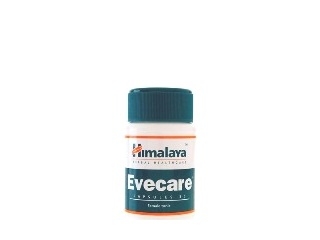

Evecare: Patient-Friendly Guide (UK)
Evecare is a medicine used to help manage certain skin conditions by acting on the underlying biological processes involved in inflammation and cell activity. This guide explains how Evecare works, how it is typically used, what to expect, and the key safety and practical points to consider. It is written for people in the United Kingdom and uses UK-focused information and examples.
Important: This page provides general information to help you understand the medicine. Always follow the instructions provided with your product and any advice from a healthcare professional.
Quick overview
| Topic | What you should know |
|---|---|
| Common purpose | Helps treat specific skin conditions characterised by inflammation and abnormal cell behaviour (see “Indications”). |
| How it works | Reduces inflammatory signalling and helps normalise abnormal growth processes. |
| When you may notice improvement | Some people notice early changes in days to weeks, with fuller benefits often taking longer depending on the condition. |
| Food interactions | Depends on formulation. Many medicines of this type have no major food interaction, but specific guidance matters. |
| Alcohol interactions | Generally avoid heavy alcohol intake if you feel unwell or if you experience side effects; check specific compatibility for your formulation. |
| Key safety points | May cause local skin reactions and, in some cases, general side effects. Seek advice if symptoms are severe or worsening. |
Basic product information
Product availability and exact composition can vary by brand and formulation. For the most accurate details, check the box and patient leaflet supplied with your Evecare product for:
- Active ingredient(s)
- Strength (dose per tablet/capsule or concentration per unit volume/area)
- Pharmaceutical form (for example, cream/gel/solution or another form)
- Pack size
In the UK, medicines are regulated and marketed in line with national medicines guidance. You can also find details (such as licensed indications and summary information) through official UK sources and the leaflet that comes with the product.
How Evecare works (mechanism of action)
Evecare works by targeting biological pathways that drive skin inflammation and abnormal cell activity. While the precise mechanism depends on the active ingredient, medicines used for inflammatory skin conditions typically act in one or more of these ways:
- Reducing inflammatory signals that contribute to redness, swelling, and irritation.
- Modulating cell behaviour, helping slow or normalise abnormal growth and turnover.
- Improving the skin barrier response, which may reduce flare-ups and discomfort.
This combined effect can lead to visible improvements, such as reduced itching, less redness, and more even-looking skin over time.
Pharmacokinetics (how the body handles the medicine)
“Pharmacokinetics” describes what happens after you use or take a medicine: absorption, distribution, metabolism, and elimination. The exact profile depends on whether Evecare is a topical product (applied to skin) or an oral product (taken by mouth).
Topical formulations (applied to the skin)
- Absorption: Most medicine remains on the skin surface or in the outer layers. Small amounts may absorb into deeper tissues.
- Distribution: Absorption into the bloodstream is usually limited for topical products, though this can vary by skin condition, application area, and integrity of the skin barrier.
- Metabolism and elimination: Any absorbed fraction is processed by the body and eliminated via normal pathways.
Oral formulations (taken by mouth)
- Absorption: The medicine is absorbed through the gastrointestinal tract. Speed and extent can be influenced by food.
- Distribution: It distributes into body tissues as it’s carried by the bloodstream.
- Metabolism: The liver typically processes many medicines before elimination.
- Elimination: It is cleared from the body mainly through urine and/or bile/faeces depending on the active ingredient.
Why this matters: If you have liver or kidney problems, widespread skin involvement, or damaged skin, your overall exposure may differ from the typical population. If you have relevant medical history, discuss this with a clinician.
Typical use and timing
The “typical use” of Evecare depends on its intended indication and formulation. In general, medicines for inflammatory skin conditions are used:
- Regularly (once or more daily) to prevent or reduce flare-ups, or
- For a treatment course (often several weeks) to gain control of symptoms.
Starting treatment
When beginning Evecare, it can be helpful to:
- Choose a time you can stick to consistently.
- Use the recommended amount and application method exactly as advised.
- Give the skin time to respond; early changes may occur, but full improvement often takes longer.
If you miss a dose
If you miss a scheduled application or dose:
- Topical: Apply when you remember, unless it is close to the next scheduled application—then skip the missed application.
- Oral: Take when you remember unless it is near the next dose. Do not double up.
Indications (what Evecare is used for)
Evecare is used for conditions where inflammation and abnormal skin processes play a role. Depending on the active ingredient and licensed indication, it may be used for one or more of the following broad categories:
- Inflammatory skin conditions where symptoms such as redness, irritation, and itch are prominent.
- Conditions involving abnormal cell turnover, where normalisation of skin behaviour is beneficial.
- Maintenance or flare prevention in suitable patients, where ongoing control is needed.
Check your specific leaflet: The exact licensed indications are determined by the product’s active ingredients and strength. Always refer to the patient information leaflet included with your specific Evecare pack.
Dosing (how much to use)
Dosing depends on the formulation and your individual needs. For the safest results, use only the dose stated for your product.
Topical dosing (general principles)
- Quantity: Use the amount recommended in the leaflet—often described as a thin layer over affected areas.
- Frequency: Commonly once daily or twice daily depending on the strength and condition.
- Area: Apply to affected skin as directed. Avoid eyes, lips, inside nose, and broken skin unless advised.
Oral dosing (general principles)
- Frequency and strength: Take exactly as stated in the product guidance.
- Duration: Follow the course recommended for your condition; do not stop early if you’re improving unless advised.
Practical note: If you are using other skin therapies (such as moisturisers, emollients, or other topical agents), spacing applications may be needed to prevent interactions or irritation. Ask a pharmacist if you’re unsure.
Food interactions
Food interactions vary significantly between topical and oral products.
- Topical Evecare: Food is unlikely to directly affect how it works because most absorption is local to the skin. However, the condition being treated may be influenced by diet indirectly (for example, overall inflammation), and maintaining hydration can help skin comfort.
- Oral Evecare: Food may change absorption or stomach tolerance for some medicines. The leaflet should state whether you should take it with food, without food, or at a specific time relative to meals.
Best practice: Follow the leaflet instructions about meals. If the leaflet says “take with food,” follow that advice to reduce stomach upset. If it says “take on an empty stomach,” do not take it right after a large meal unless advised otherwise.
Alcohol and medicine interactions
Alcohol interactions depend on the specific active ingredient and route of administration.
- Topical: Alcohol is generally not expected to directly interact with a topical medicine in the bloodstream. However, alcohol can worsen dehydration or skin irritation in some people, and may increase risk if you feel unwell.
- Oral: Alcohol may increase side effects such as dizziness, stomach upset, or fatigue for some people, and can potentially affect how the medicine is processed by the body.
Guidance: If you drink alcohol, keep it moderate and consider avoiding alcohol if you experience side effects. If you have liver disease, a history of pancreatitis, or you are taking multiple medicines, discuss alcohol use with a clinician or pharmacist.
Safety profile
Like all medicines, Evecare can cause side effects. Not everyone will experience them. Side effects may be influenced by how much of the medicine is absorbed, how large the treated area is, and how sensitive your skin is.
Common side effects
- Skin irritation such as redness, dryness, burning, or mild stinging (topical use).
- Itching or increased sensitivity during the initial treatment period.
- Dryness and flaking in the treated area.
Less common but important side effects
- Allergic reactions: swelling of the face/lips, severe rash, or breathing difficulties require urgent medical attention.
- Worsening symptoms: significant deterioration rather than gradual improvement should be reviewed.
When to seek urgent help
Seek urgent medical advice if you develop signs of a serious allergic reaction, including:
- Difficulty breathing or swallowing
- Swelling of the face, lips, tongue, or throat
- Severe widespread rash or hives
Special populations
- Pregnancy and breastfeeding: The safety of Evecare depends on the active ingredient and route. Always check the leaflet and seek advice before using it if you are pregnant, trying to conceive, or breastfeeding.
- Children: Use only if the product is appropriate for the child’s age and as directed in the leaflet.
- Older adults: Usually no special issues are expected, but comorbidities and other medicines can increase risk of side effects.
- Liver/kidney impairment: Relevant mainly for oral products. Discuss suitability with a healthcare professional.
Practical use tips (to get the best results)
For topical Evecare
- Apply to clean, dry skin: Washing gently and patting dry can reduce irritation.
- Use a thin layer: More is not necessarily better and may increase irritation.
- Wash hands after application: Avoid getting it into eyes or mouth.
- Moisturise smartly: Using a bland moisturiser/emollient can improve comfort. If you use both, apply Evecare first unless your leaflet advises a different order.
- Be cautious on sensitive areas: Avoid applying to eyelids, corners of the nose, genital areas, or broken skin unless instructed.
- Sun protection: Some treatments can make skin more sensitive. Use sunscreen and protective clothing on exposed areas.
For oral Evecare
- Take at the same time each day: This supports consistent effectiveness and helps you remember.
- Follow meal guidance: If the leaflet specifies with or without food, follow it.
- Stay hydrated: If you experience dryness, stomach upset, or general side effects, adequate fluid intake can help.
- Keep an eye on symptoms: Track improvements and side effects to report to a clinician if needed.
How long to try before deciding it isn’t working?
Skin conditions often take time to respond. If there is no improvement within the time frame described in the leaflet (or symptoms clearly worsen), contact a healthcare professional for review.
Alternative options
If Evecare is not suitable or doesn’t produce enough improvement, there are other options. Alternatives depend on your exact diagnosis and severity.
Common categories of alternatives (depending on condition)
- Other topical anti-inflammatory treatments (such as different prescription-strength creams/ointments or non-steroidal topical options, where appropriate).
- Moisturisers/emollients to support the skin barrier and reduce irritation.
- Phototherapy in suitable cases under specialist supervision.
- Systemic treatments (oral or injectable) for moderate to severe disease, where appropriate.
In the UK, clinicians may follow guideline-based stepwise care, escalating or switching therapies based on response and tolerability.
Market and legal context (United Kingdom)
In the United Kingdom, medicines are regulated by the Medicines and Healthcare products Regulatory Agency (MHRA) and medicines information is supported by healthcare guidance from organisations such as NICE (National Institute for Health and Care Excellence) and relevant specialty bodies.
Authorisation and leaflets: An approved product will have information such as indications, strength, dosing instructions, and safety warnings provided in the patient information leaflet.
Online pharmacy availability: Online pharmacies in the UK must operate within UK regulations, including dispensing rules, identity checks (where applicable), and ensuring patients receive the correct product and relevant information.
Quality and supply: Buying from regulated suppliers helps reduce the risk of counterfeit or substandard medicines.
Recent guidance and updates (how to stay current)
Guidance for skin conditions can evolve as new evidence becomes available. It is sensible to:
- Check the patient leaflet and product label for the most current instructions.
- Follow advice from a clinician if you have moderate to severe symptoms or repeated flare-ups.
- Be alert to safety bulletins or updates from official healthcare sources.
If you have questions about updates relevant to your condition, a pharmacist can help interpret the latest information and advise on safe ongoing use.
Delivery and availability
Availability depends on stock levels and the exact Evecare formulation/strength you choose. When ordering from an online pharmacy, you can generally expect:
- Secure packaging designed to protect the product during transit.
- Delivery times shown at checkout (varies by location and carrier).
- Tracking information in many cases so you can monitor progress.
Advice: Do not use the medicine past its expiry date. Store it as directed on the pack (for example, at room temperature and away from direct heat/sunlight, unless otherwise specified).
Frequently Asked Questions (FAQ)
1) What is Evecare used for?
Evecare is used to treat specific skin conditions characterised by inflammation and abnormal skin activity. The exact licensed indications depend on the active ingredient and formulation—check the leaflet included with your product.
2) How quickly will I feel better?
Some people notice early improvement within days to weeks. Full benefits often take longer, depending on the condition and how consistently it is used.
3) Can I use moisturiser with Evecare?
In many cases, yes. Using a bland moisturiser/emollient can reduce dryness and irritation. If you apply both products, follow the leaflet and consider applying moisturiser after Evecare (unless the leaflet states otherwise).
4) Can I apply Evecare to broken or very sensitive skin?
Usually it’s best to avoid applying to broken skin unless specifically instructed. Sensitive areas may react more strongly. If unsure, ask a pharmacist.
5) Is there an interaction with food?
Topical use typically has minimal food interaction. Oral formulations may have specific guidance regarding taking with or without food—follow the leaflet instructions for your product.
6) Can I drink alcohol while using Evecare?
Alcohol interactions depend on whether Evecare is topical or oral and on the active ingredient. Many topical products don’t have direct interactions, but oral medicines may. If you drink alcohol and notice increased side effects, reduce intake and seek advice.
7) What side effects should I watch for?
Common side effects include local skin irritation, dryness, or mild burning. Seek urgent medical help if you have signs of a serious allergic reaction such as swelling of the face, lips, tongue, or difficulty breathing.
8) What if my symptoms get worse at first?
Some skin treatments can cause temporary irritation early on. However, significant worsening or severe reactions should be reviewed by a healthcare professional. If you’re unsure whether it’s expected or concerning, contact a pharmacist.
9) Can I stop Evecare once I feel better?
It’s important to follow the recommended course or maintenance plan in your leaflet. Stopping early can lead to flare-ups in some conditions.
10) Are there alternatives if Evecare isn’t suitable?
Yes. Depending on your diagnosis, there may be other topical therapies, systemic treatments, moisturisers to support the skin barrier, or specialist options such as phototherapy. A clinician can advise the most appropriate alternative.
Need help choosing? If you’re not sure whether Evecare is suitable for your symptoms, or you’re combining it with other skincare products or medicines, a pharmacist can provide guidance tailored to your situation.