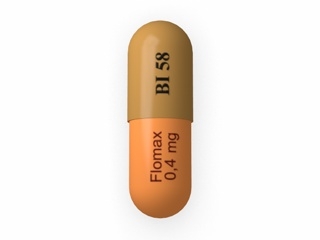


Tamsulosin: Patient-Friendly Guide (UK)
Tamsulosin is a medicine commonly used to help relieve symptoms caused by enlarged prostate (benign prostatic hyperplasia, BPH). If you have BPH, you may experience difficulty starting to urinate, weak urine flow, needing to urinate frequently (including at night), or feeling you have not fully emptied your bladder. Tamsulosin can make these symptoms easier to manage.
This guide explains how tamsulosin works, how it’s taken, what to expect, and how to use it safely alongside other medicines and alcohol. It also covers UK availability and practical tips for everyday use.
Basic product information
| Category | Details |
|---|---|
| Medicine name | Tamsulosin |
| Common use | Treat symptoms of enlarged prostate (BPH) |
| How it works (class) | Alpha-1A adrenoceptor blocker (urology “selective” alpha blocker) |
| Typical formulation | Modified-release capsules (often taken once daily) |
| Typical strength | Commonly 0.4 mg per day (varies by product) |
| UK context | Widely used under UK clinical practice for LUTS due to BPH |
How tamsulosin works (mechanism of action)
Tamsulosin is an alpha-1 blocker. In the prostate and the bladder neck, muscle tone is partly controlled by alpha-1 receptors. By blocking these receptors—particularly the alpha-1A subtype—tamsulosin helps to relax smooth muscle in the prostate and bladder neck. This can:
- Improve urine flow
- Reduce the effort required to start urinating
- Decrease urinary frequency and urgency
- Improve the feeling of incomplete emptying
Importantly, tamsulosin generally treats symptoms and may not shrink the prostate to the same degree as some other therapies (for example, 5-alpha-reductase inhibitors).
Pharmacokinetics (how the body handles it)
“Pharmacokinetics” describes absorption, distribution, metabolism, and elimination. The exact behaviour can vary by formulation, but the following points are typical for tamsulosin.
- Absorption: Tamsulosin is absorbed after taking by mouth. Modified-release products are designed to provide steadier blood levels.
- Food effect: Absorption may be better when taken with a meal (see “Food interactions” below).
- Distribution: It binds to plasma proteins, meaning it circulates in the blood attached to proteins.
- Metabolism: It is broken down mainly in the liver by drug-metabolising enzymes.
- Elimination: Metabolites are excreted mainly through the urine (and to some extent in faeces). The medicine has an elimination profile that supports once-daily dosing for many people.
- Onset: Many people notice symptom improvement within days to weeks, although individual experiences vary.
Typical uses and indications
Tamsulosin is indicated for the symptoms of lower urinary tract associated with benign prostatic hyperplasia (BPH). These symptoms are often grouped as LUTS (lower urinary tract symptoms).
Common symptoms that tamsulosin may help include:
- Difficulty starting urination
- Weak urine stream
- Dribbling or stopping and starting
- Frequent urination, including at night
- Urgency (a sudden strong need to urinate)
- Feeling of incomplete bladder emptying
If you have symptoms such as blood in the urine, severe pain, fever, or sudden inability to urinate, seek urgent medical advice—these may indicate conditions other than BPH.
How and when to take tamsulosin
Timing (best time of day)
Many tamsulosin products are taken , typically . Some people choose to take it after breakfast or after their evening meal; what matters most is consistency.
Follow the instructions provided with your specific tamsulosin product. If you are unsure, ask your pharmacist.
With or without food
Tamsulosin is commonly recommended for best absorption. Taking it without food may reduce how well the medicine is absorbed.
How to swallow
- Swallow the capsule whole with water.
- Do not crush or chew modified-release capsules, because this can change how the medicine is released and absorbed.
What to do if you miss a dose
If you miss a dose, take it when you remember unless it is close to the time of your next dose. Do not take a double dose to make up for the missed one.
Food interactions
Meal timing can affect absorption. For many tamsulosin modified-release formulations, taking the capsule is recommended.
Practical guidance:
- Take tamsulosin (for example, after breakfast or after dinner—choose one and stick with it).
- If you regularly skip meals, discuss this with a healthcare professional because it may affect how well tamsulosin works.
There are generally no major “foods to avoid” like with some other medicines, but consistent meal habits can help you get more predictable results.
Alcohol and medicine interactions
Alcohol
There is no specific “forbidden” amount of alcohol for tamsulosin, but alcohol can affect blood pressure and dizziness risk. Because tamsulosin may cause light-headedness in some people (especially when standing up), it’s wise to:
- Avoid heavy drinking
- Be cautious with alcohol if you already feel dizzy or faint
- Stand up slowly from sitting or lying positions
Common medicine interactions
Tamsulosin may interact with medicines that affect blood pressure or drug-metabolising enzymes. Particular attention is needed for:
- Other medicines that lower blood pressure (antihypertensives): may increase the chance of dizziness or hypotension.
- Phosphodiesterase-5 inhibitors used for erectile dysfunction (such as sildenafil, tadalafil, vardenafil): the combination may also lower blood pressure in some people.
- CYP3A4 inhibitors (some medicines that can increase tamsulosin levels): examples may include certain antifungals or antibiotics. This can increase side effects.
- Other alpha blockers: using multiple alpha-blocking medicines can amplify the effect on blood pressure.
Always inform your pharmacist or clinician about all medicines you take, including:
- Over-the-counter remedies
- Herbal products (for example, some supplements may affect metabolism or blood pressure)
- Recently started or stopped medications
Dosing guidance (typical regimens)
Dosing can vary depending on the specific product and individual circumstances. A commonly used starting and maintenance dose in the UK is:
- 0.4 mg once daily (often taken after a meal)
Some formulations may have different strengths or dosing schedules. Do not change your dose without medical advice.
If you experience troublesome side effects (especially dizziness), your prescriber may review the dose or timing.
Safety profile and important precautions
Common side effects
Side effects vary between individuals, but the most commonly reported include:
- Dizziness, especially when getting up quickly
- Headache
- Abnormal ejaculation (for example, reduced semen volume)
- Low blood pressure symptoms such as feeling faint
- Runny or stuffy nose
Serious side effects—seek urgent help
Contact urgent medical services or seek immediate advice if you develop signs of a severe allergic reaction (for example, facial swelling, difficulty breathing) or if you faint.
Orthostatic hypotension (blood pressure drops)
Tamsulosin can lower blood pressure for some people, particularly:
- When you first start treatment
- After a dose increase
- If you are dehydrated or also take blood-pressure medicines
Safety tips:
- Get up slowly from bed or a chair.
- Be extra careful driving or operating machinery if you feel dizzy.
- If you feel faint, sit or lie down until you feel better.
Eye-related precautions (Floppy Iris Syndrome)
Tell your ophthalmologist before any eye surgery (especially cataract surgery). Tamsulosin has been associated with a condition called Intraoperative Floppy Iris Syndrome which can make eye procedures more complex.
People with liver or kidney conditions
Many people with BPH safely use tamsulosin, but your clinician may consider your health history, including:
- Severe liver impairment
- Severe kidney impairment
Your pharmacist can help check whether your specific product is appropriate based on your circumstances.
Practical use tips for everyday life
- Be consistent with timing: taking it after the same meal each day can help.
- Expect gradual improvement: some people notice changes quickly, others take longer—stick with the plan and monitor symptoms.
- Hydrate sensibly: avoid excessive evening fluids if night-time urination is a problem, but don’t become dehydrated.
- Double-voiding: trying to urinate, wait a moment, and then try again can help some men feel more fully emptied.
- Review constipation: constipation can worsen urinary symptoms; eating fibre and staying active can help.
- Stand up slowly: helps reduce dizziness risk.
- Keep follow-up appointments: persistent symptoms may need assessment for infection, bladder stones, or other causes.
Alternative options for BPH symptoms (non-tamsulosin)
Depending on symptom severity, prostate size, and your overall health, clinicians may consider different medication strategies or procedures. Alternatives include:
- Other alpha blockers: e.g., silodosin or alfuzosin (choice depends on side effect profile and individual factors).
- 5-alpha-reductase inhibitors: e.g., finasteride or dutasteride. These can reduce prostate size over time and may be useful when prostate enlargement is significant, but they typically work more slowly than alpha blockers.
- Combination therapy: sometimes an alpha blocker plus a 5-alpha-reductase inhibitor is used for selected people.
- Other approaches: lifestyle changes (fluid management, reducing caffeine/alcohol), pelvic floor strategies, and in some cases procedures such as laser therapy or TURP-like interventions.
Your pharmacist or clinician can help you understand what option is most suitable based on your symptoms and history.
Market and legal context in the United Kingdom
In the UK, medicines for BPH/LUTS such as tamsulosin are used in accordance with UK prescribing guidance and routine clinical practice. Treatment choice is individualised based on symptom burden and risk factors (for example, prostate size, urinary retention history, and comorbidities).
Online pharmacies in the UK operate under relevant regulatory frameworks. Availability and supply depend on the product form and the pharmacy’s compliance with UK medicine regulations.
If you’re using an online pharmacy, check:
- That the pharmacy is legitimate and registered
- That the product description matches the exact formulation (for example, modified-release capsules)
- That storage instructions are followed
Recent guidance and monitoring (UK clinical practice)
UK clinical practice generally emphasises:
- Assessment before treatment: confirming that symptoms are consistent with BPH/LUTS and not another cause.
- Follow-up: reviewing symptom response and side effects after starting therapy.
- Safety precautions: awareness of dizziness/hypotension and communication to eye surgeons regarding tamsulosin use.
- Individualised choice: selection of medicine based on symptom pattern, age, health status, and prostate-related factors.
If your symptoms worsen (for example, increasing difficulty urinating or inability to pass urine), you should seek medical review promptly.
Delivery and availability (online pharmacy)
Tamsulosin is commonly available through UK pharmacies, including online providers, subject to stock and the specific product strength and formulation. Delivery timing depends on your location and the courier service used by the pharmacy.
- Availability: often stocked as modified-release capsules.
- Packaging: products are supplied in sealed packaging suitable for dispensing.
- Storage: store according to the instructions on the outer pack (typically at room temperature, away from excessive heat and moisture).
If you need urgent supply, check delivery options at checkout. For continuing treatment, consider ordering in advance so you do not run out.
FAQ
1) How quickly will tamsulosin start working?
Many people notice some improvement within days, but others may take longer—often several weeks. Symptom response can vary depending on the cause and severity of symptoms.
2) Will tamsulosin cure an enlarged prostate?
Tamsulosin usually helps symptoms by relaxing muscle tone in the prostate and bladder neck. It does not typically “cure” enlargement permanently. Other medicines may work differently (for example, those that reduce prostate size over time).
3) What if I feel dizzy after taking it?
Dizziness can occur, particularly when starting or if you stand up quickly. Sit or lie down until you feel better. Avoid driving or operating machinery if you feel unsteady, and contact a clinician or pharmacist for advice if dizziness persists.
4) Should I take tamsulosin with food?
For many modified-release tamsulosin products, taking it improves absorption and helps maintain consistent effects. Follow the instructions for your specific product.
5) Can I drink alcohol while taking tamsulosin?
Moderate alcohol is not always strictly prohibited, but it may increase the risk of dizziness due to its effects on blood pressure and hydration. Use caution and avoid heavy drinking, especially if you have experienced dizziness.
6) Are there any medicines I should avoid?
Tamsulosin may interact with other blood pressure-lowering medicines and some medicines affecting drug metabolism. Always let your pharmacist know about all medicines and supplements you take.
7) What happens if I miss a dose?
If you miss a dose, take it when you remember unless it is close to your next scheduled dose. Do not take a double dose.
8) Can tamsulosin affect ejaculation?
Yes. Changes in ejaculation (such as reduced semen volume) can occur. This is a known effect for some people taking alpha blockers.
9) I’m scheduled for cataract surgery. Do I need to stop tamsulosin?
Do not stop the medicine without professional advice. Inform your ophthalmologist that you take tamsulosin so they can take appropriate measures for surgery planning.
10) When should I seek urgent medical help?
Seek urgent help if you develop fainting, severe dizziness, symptoms of an allergic reaction, or you cannot pass urine.
Always read the Patient Information Leaflet provided with your specific tamsulosin product. If you have questions about suitability, side effects, or interactions, speak to your pharmacist.