
Floxin (Ofloxacin) – Patient Information (UK)
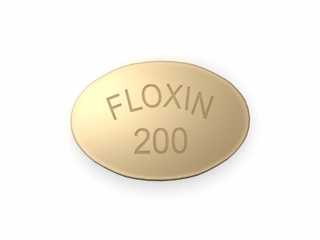
Floxin is a brand name for ofloxacin, an antibiotic used to treat certain bacterial infections. It belongs to the fluoroquinolone group of antibiotics and works by stopping bacteria from making and repairing their DNA. This can help clear the infection and reduce symptoms.
This page provides patient-friendly information about how Floxin works, what it is used for, how it is typically taken, and important safety considerations—especially relevant in the United Kingdom.
Quick facts
- Active ingredient: Ofloxacin
- Medicinal type: Antibiotic (fluoroquinolone)
- Common forms: Oral tablets (availability may vary by strength and manufacturer)
- Used for: Selected infections caused by susceptible bacteria
- Key safety note: Fluoroquinolones can rarely cause serious side effects involving tendons, nerves, and mood/central nervous system effects
How Floxin works (mechanism of action)
Ofloxacin works by interfering with two enzymes that bacteria use to copy and repair their genetic material:
- DNA gyrase
- Topoisomerase IV
By blocking these enzymes, ofloxacin prevents bacterial DNA replication. This makes the bacteria unable to multiply, allowing the immune system to clear the infection.
Pharmacokinetics: what the body does with ofloxacin
Understanding pharmacokinetics can help you take Floxin correctly and know what to expect.
- Absorption: Ofloxacin is absorbed after oral administration. Absorption may be reduced by some products that bind to it (for example, certain antacids or mineral supplements).
- Distribution: It can reach many body tissues and fluids, including sites relevant to infections it is commonly used for.
- Metabolism: Only a small proportion is metabolised; most of the active drug remains unchanged.
- Elimination: The drug is mainly eliminated through the kidneys. Kidney function can influence how long it stays in the body.
- Half-life: The dosing interval is designed around the drug’s elimination rate; your healthcare professional will tailor the schedule to your infection and kidney function.
If you have reduced kidney function, your dose and interval may need adjustment to reduce the risk of side effects.
Typical uses: which infections Floxin may treat
Ofloxacin is used to treat bacterial infections where the causative organism is susceptible. It is not effective against viral infections such as the common cold or flu.
Common clinical indications (depending on local guidelines, culture results, and individual factors) may include:
- Urinary tract infections (including some complicated cases)
- Prostatitis (in certain bacterial forms)
- Skin and soft-tissue infections (when due to susceptible bacteria)
- Respiratory tract infections (selected cases, based on guidance and resistance patterns)
- Other gram-negative infections where ofloxacin is considered appropriate
Because antibiotic resistance patterns change, the most suitable antibiotic depends on:
- Local resistance data
- Your infection type and severity
- Any previous antibiotic exposure
- Test results (when available)
Dosing and timing: how Floxin is usually taken
Dosing varies depending on the infection, severity, age, body weight, and kidney function. Follow the instructions provided for your specific course.
General dosing principles include:
- Take at regular intervals to maintain effective drug levels.
- Complete the full course as directed, even if you feel better.
- Do not skip doses. If you miss one, take it when you remember unless it is nearly time for the next dose—then skip the missed dose and continue normally.
Some infections may be treated with dosing once or twice daily. Your schedule should be set by the prescriber based on your situation.
Food interactions: can you take Floxin with meals?
Ofloxacin can generally be taken with or without food. Taking it with food may help reduce stomach upset for some people.
What to avoid around the dose
Certain substances can reduce absorption by binding with ofloxacin. To improve effectiveness, separate ofloxacin from:
- Antacids containing aluminium or magnesium
- Sucralfate
- Mineral supplements such as iron, zinc, or calcium (when taken as supplements)
A common approach is to separate these products from your ofloxacin dose by several hours, but the exact timing depends on the product and your regimen. If you use these products regularly, ask a pharmacist for a personalised schedule.
Alcohol and medicine interactions
Alcohol
It is usually recommended to avoid or limit alcohol while taking antibiotics, particularly if you experience side effects such as dizziness, stomach upset, or sleep disturbances. Alcohol may also worsen dehydration and affect recovery.
Other medicine interactions
Several medicines can interact with ofloxacin. Tell your pharmacist or healthcare professional about all medicines you take, including over-the-counter products and supplements.
Important interaction categories include:
- Medicines that affect heart rhythm (QT prolongation): Some medicines can increase the risk of abnormal heart rhythms. Your healthcare team may consider this based on your current medicines and health conditions.
- Corticosteroids (e.g., prednisolone): Combining with fluoroquinolones may increase the risk of tendon injury.
- Anticoagulants (blood thinners): Warfarin (and similar agents) may be affected, increasing bleeding risk. Monitoring may be advised.
- Diabetes medicines: Some patients experience blood sugar changes. If you take insulin or medicines for diabetes, be alert to symptoms of low or high blood sugar and seek advice if they occur.
- Non-steroidal anti-inflammatory drugs (NSAIDs): In some cases, combining NSAIDs with fluoroquinolones may increase risk of central nervous system effects.
- Theophylline: Levels may be affected in certain cases.
If you are unsure about a possible interaction, it’s safest to check with a pharmacist before taking both.
Indications: when Floxin is considered appropriate
In the UK, fluoroquinolones like ofloxacin are used selectively. Their use depends on the infection type and likely bacteria, as well as safety considerations.
Ofloxacin may be considered when:
- The causative organism is likely to be susceptible to the antibiotic.
- Other recommended options are not suitable due to allergies, resistance, or specific clinical factors.
- Benefits are expected to outweigh potential risks.
If you’ve previously had serious side effects from a fluoroquinolone, you should make that known to your healthcare professional before starting.
Safety profile: important risks to know
Most people tolerate ofloxacin well, but fluoroquinolones have known rare but serious adverse effects. The safest approach is to understand warning signs so you can get help promptly.
Seek urgent medical advice if you experience:
- Tendon pain, swelling, or sudden difficulty moving: Especially in the Achilles tendon. Stop the medicine and get medical advice promptly if this occurs.
- Signs of nerve problems: Tingling, burning pain, numbness, weakness, or new unusual sensations.
- Severe or persistent diarrhoea: This may be a sign of antibiotic-associated colitis. Contact a healthcare professional urgently if diarrhoea is severe, watery, or includes blood/mucus.
- Severe allergic reaction: Facial swelling, breathing difficulties, widespread rash, or fainting.
- Confusion, hallucinations, severe agitation, or seizures: These central nervous system effects require prompt advice.
- Unusual heart palpitations or fainting: These could indicate heart rhythm changes.
Other possible side effects
Common or less serious side effects may include:
- Nausea, stomach upset, abdominal pain
- Headache
- Dizziness
- Changes in taste
- Vaginal symptoms (in some cases)
- Skin rash (mild forms may occur—seek advice if it worsens)
Report side effects to a healthcare professional. In the UK, suspected side effects can also be reported via the MHRA Yellow Card scheme.
Who should be extra cautious?
Risk of certain complications may be higher in people who:
- Are elderly
- Have kidney problems
- Take oral corticosteroids
- Have a history of tendon disorders
- Have neurological conditions or peripheral neuropathy
- Have heart rhythm problems or take medicines that affect the QT interval
- Have previously experienced a serious adverse reaction to a fluoroquinolone
Practical use tips for better outcomes
- Hydrate well: Unless you’ve been told to restrict fluids, drink enough water during the course.
- Take it consistently: If you’re on a once-daily regimen, choose a time you can maintain daily.
- Use sun protection: Some people may be more sensitive to sunlight. If you notice unusual skin reactions, seek advice.
- Avoid strenuous exercise if you notice tendon discomfort: Stop activity if you feel pain and contact a healthcare professional.
- Don’t stop early without advice: Stopping early can increase the chance of treatment failure and antibiotic resistance.
- Keep notes: If symptoms change or side effects occur, note timing and severity to discuss with a pharmacist or clinician.
What to expect after starting
Many bacterial infections begin improving within 48–72 hours. However, the timeline varies by infection type and severity. If symptoms are not improving, are worsening, or you develop fever or new symptoms, contact a healthcare professional for review.
Alternative options
Alternatives depend on the infection and local susceptibility patterns. Depending on your situation, healthcare professionals may consider:
- Other antibiotic classes (e.g., beta-lactams, macrolides, trimethoprim-based options) where appropriate
- Targeted therapy based on culture results if testing is done
- Supportive care alongside antibiotics (e.g., fluids, pain/fever relief)
A pharmacist can help you understand which options may be suitable based on symptoms, allergies, and current medicines—but a clinician will determine the best antibiotic choice.
UK market and legal context (brief overview)
In the United Kingdom, antibiotics are regulated medicines. Fluoroquinolones such as ofloxacin are authorised and must be used in line with recognised clinical guidance to support effective treatment and responsible antibiotic use.
National guidance and local formularies emphasise:
- Appropriate selection to reduce resistance
- Risk–benefit assessment due to known safety warnings
- Consideration of safer alternatives when appropriate
Recent guidance and safety updates (UK-focused)
Over recent years, regulators and clinical bodies have issued safety communications and strengthened warnings regarding fluoroquinolone-associated risks, including tendon injury and effects on nerves and the central nervous system. As a result, clinicians may reserve fluoroquinolones for situations where the benefits are expected to outweigh risks, particularly for uncomplicated infections.
If you have questions about why ofloxacin was selected for you, discuss your concerns with a healthcare professional. They can explain the reasons based on your infection and health history.
Delivery and availability in the UK
Availability and delivery options may vary depending on the specific formulation and strength of Floxin (ofloxacin). Many online pharmacy services provide:
- UK delivery to selected postcodes or nationwide, depending on supplier
- Standard and express delivery options (where offered)
- Careful packaging to protect tablets
- Order tracking for reassurance
Check the product page for current stock status, delivery timescales, and any restrictions that may apply. If the product is temporarily unavailable, you may be able to choose an alternative medicine with similar use-case suitability after pharmacist review.
Frequently Asked Questions (FAQ)
1) What is Floxin used for?
Floxin (ofloxacin) is used to treat bacterial infections that are susceptible to ofloxacin. Your clinician will select it based on the type of infection and likely bacteria.
2) How quickly should I feel better?
Many people begin to feel better within a few days. If you do not notice improvement after 48–72 hours, or symptoms worsen at any time, contact a healthcare professional for advice.
3) Can I take Floxin with food?
Yes. Ofloxacin can usually be taken with or without food. Taking it with food may help if you get stomach upset.
4) What should I avoid taking with Floxin?
Avoid or separate from products that may bind the antibiotic, such as antacids containing aluminium or magnesium and mineral supplements like iron, zinc, or calcium. Ask a pharmacist for the best spacing for your specific products.
5) Can I drink alcohol while taking it?
It’s best to avoid or limit alcohol while you’re taking an antibiotic, especially if you experience dizziness, stomach upset, or sleep disturbance. Alcohol can slow recovery.
6) What if I miss a dose?
Take it when you remember unless it’s almost time for the next dose. Do not double up. If you’re unsure, ask a pharmacist.
7) Are there people who should not take ofloxacin?
Some people may need to avoid fluoroquinolones or use them with extra caution—particularly those with a history of serious fluoroquinolone reactions, certain tendon or nerve conditions, or significant kidney impairment. Your pharmacist can help review your situation.
8) What are the serious side effects I should watch for?
Stop seeking the medicine and get urgent medical advice if you notice tendon pain or swelling, symptoms of nerve damage (tingling, burning pain, numbness), severe diarrhoea, signs of an allergic reaction, severe central nervous system symptoms, or heart palpitations/fainting.
9) Can Floxin interact with my other medicines?
Yes. Tell your pharmacist about all medicines and supplements you take. Particularly important categories include anticoagulants, corticosteroids, medicines for heart rhythm, diabetes medicines, and certain painkillers/anti-inflammatory drugs.
10) What happens if the infection doesn’t improve?
If symptoms don’t improve or worsen, you may need a review. Sometimes bacteria may be resistant, or the infection may be caused by something else, requiring a different antibiotic or further testing.
11) Is Floxin safe for everyone?
Not necessarily. Safety depends on your age, kidney function, medical history, and other medications. Fluoroquinolones carry rare but significant risks; clinicians consider these carefully.
Summary
Floxin (ofloxacin) is an oral antibiotic that targets bacterial DNA-related enzymes to stop bacterial growth. It is used for selected bacterial infections where it is expected to be effective. Like all antibiotics, it should be taken correctly and for the right duration. Because fluoroquinolones have important potential risks, it’s crucial to recognise warning signs and seek advice promptly if they occur.
If you have questions about interactions, timing, side effects, or suitability for your health profile, a pharmacist can provide guidance tailored to your circumstances.
| Topic | What you should know |
|---|---|
| Type of medicine | Antibiotic (fluoroquinolone): ofloxacin |
| How it works | Blocks DNA gyrase and topoisomerase IV to stop bacterial replication |
| Typical timing | Take at regular intervals; finish the full course as directed |
| Food effects | Can usually be taken with or without food |
| Mineral/antacid interactions | Antacids and mineral supplements may reduce absorption—separate doses |
| Alcohol | Avoid or limit alcohol while on treatment, especially if side effects occur |
| Serious risks (rare) | Tendon injury, nerve symptoms, severe diarrhoea, allergic reactions, CNS effects, heart rhythm concerns |
| When to seek help | Urgently if tendon pain/swelling, severe diarrhoea, allergic reaction, nerve symptoms, seizures/confusion, fainting/palpitations |