
Fludac (Fluoxetine) — Patient Information Guide (UK)
Fludac contains fluoxetine, an antidepressant medicine belonging to the SSRI (selective serotonin reuptake inhibitor) group. It is used to treat several mental health conditions and may also be prescribed for certain behaviours related to obsessive-compulsive spectrum symptoms.
This guide explains how Fludac works, what to expect when starting treatment, practical tips for taking it, important safety information, and how it may interact with food, alcohol and other medicines. It also includes UK-specific information relevant to accessing and using medicines.
1. Basic product information
- Medicine name: Fludac
- Active ingredient: Fluoxetine
- Drug class: SSRI (selective serotonin reuptake inhibitor)
- Common uses in adults and/or children: Varies by condition and age group (see “Typical uses / indications”)
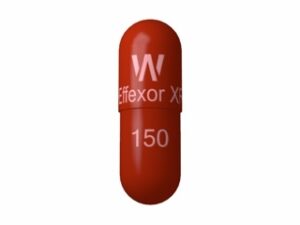
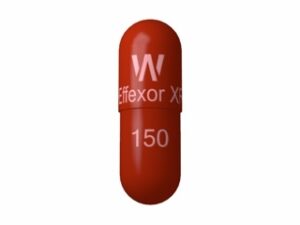
- Forms and strengths: Available in tablet and/or capsule strengths depending on the product range offered by the manufacturer and pharmacy
Note: Always check the specific packaging and leaflet for the strength you have been supplied.
2. How Fludac works (mechanism of action)
Fluoxetine increases levels of serotonin in the brain by blocking the serotonin transporter responsible for reabsorbing serotonin. This is known as reuptake inhibition. Over time, this can help improve mood, anxiety symptoms and obsessive-compulsive symptoms in many people.
SSRIs like fluoxetine may take time to work because the brain’s response involves changes in communication between nerve cells and downstream signalling pathways. That’s why symptom improvement is often gradual.
3. Pharmacokinetics: how the body handles fluoxetine
Understanding the way fluoxetine moves through the body can help set expectations:
- Absorption: Fluoxetine is absorbed after oral dosing.
- Metabolism: It is metabolised primarily in the liver.
- Active metabolite: Fluoxetine is converted to norfluoxetine, which also has antidepressant activity.
- Long half-life: Fluoxetine and norfluoxetine have a relatively long half-life compared with some other SSRIs. This can mean:
- effects may build gradually
- missed doses may be “buffered” longer than with shorter-acting SSRIs
- stopping should still be done carefully and with clinician guidance
- Elimination: Eventually, the medicine and its metabolites are cleared through metabolism and excretion routes.
4. Typical uses and indications (UK context)
Fludac (fluoxetine) is used for several conditions. The exact use depends on age, severity, and local clinical practice. Common indications include:
- Depression (including major depressive episodes)
- Obsessive-compulsive disorder (OCD)
- Bulimia nervosa (to reduce binge eating and purging behaviours in some patients)
- Some anxiety-related conditions depending on the clinical assessment and age group
Children and adolescents: Fluoxetine may be used for certain mental health conditions in younger people where appropriate. In the UK, childhood and adolescent treatment is typically monitored closely due to the need for safety surveillance.
Important: If you are unsure whether Fludac is suitable for your diagnosis, speak with a qualified healthcare professional.
5. When it starts working (timing expectations)
Everyone’s experience is different, but the following timeline is common:
- First days to 1–2 weeks: Some people notice sleep, appetite or agitation changes; mood improvement may not yet be clear.
- 2–4 weeks: Gradual improvement in depressive or anxiety symptoms may begin.
- 4–6+ weeks: Full benefits often take longer. In OCD, improvements can be slower and may require longer treatment periods.
Consistency matters: Taking the medicine regularly as advised supports steady drug levels and improves the chance of benefit.
6. How to take Fludac: dosing overview and practical timing
Because dosing depends on the condition, age, and individual response, the exact schedule should follow the instructions provided with your medicine and by your healthcare professional. However, the following general points may help:
- Daily schedule: Fluoxetine is commonly taken .
- Time of day: Many people take it in the morning to reduce the chance of sleep disturbance. Others prefer evening—choose what suits you, and keep it consistent.
- Start low and adjust: In many cases, dosing may start lower and be adjusted based on response and tolerance.
- Do not stop suddenly: If you want to stop or change dose, talk to a healthcare professional first. SSRIs can cause withdrawal-like symptoms if stopped abruptly.
| Topic | Patient-friendly guidance |
|---|---|
| Missed dose | Take it as soon as you remember on the same day. If it’s almost time for the next dose, skip the missed dose and continue as normal. Avoid doubling up. |
| Adjusting dose | Any dose change should be guided by your clinician, especially in OCD, depression in younger patients, and if side effects occur. |
| Stopping | Do not stop suddenly. A gradual reduction plan is often used to minimise discomfort. |
| Duration of therapy | Depression and OCD may require weeks to months (or longer) to achieve and maintain benefit. Your plan should be reviewed periodically. |
7. Food interactions: can you take Fludac with meals?
Food is generally not a major issue with fluoxetine. It can usually be taken with or without food, depending on what suits your stomach and routine.
If fluoxetine upsets your stomach, taking it with food may help. If it affects your sleep or energy levels, you may need to adjust the time of day (with clinician or pharmacist advice).
8. Alcohol and medicine interactions
Alcohol
It is best to limit or avoid alcohol while taking SSRIs. Alcohol can worsen mood, reduce motivation and impair concentration. It may also increase side effects such as drowsiness, dizziness and poor sleep.
Other medicines
Fluoxetine can interact with other medicines because it may affect liver enzymes involved in drug metabolism. Some interactions can be serious. It’s important to tell your pharmacy or healthcare professional about all medicines you take, including:
- Other antidepressants (especially MAO inhibitors)
- Linezolid (an antibiotic with MAOI-like activity)
- Triptans used for migraine (e.g., sumatriptan)
- Strong pain medicines (e.g., some opioids) and other central nervous system agents
- Medicines affecting blood clotting (e.g., warfarin, some antiplatelet medicines)
- Non-steroidal anti-inflammatory drugs (NSAIDs) like ibuprofen/naproxen (may increase bleeding risk in combination)
- Medicines for irregular heartbeat or those that affect heart rhythm
- St John’s wort (herbal supplement that can increase serotonin-related effects)
- Supplements containing tryptophan or other serotonin-increasing substances
Serotonin syndrome risk: Combining fluoxetine with other medicines that raise serotonin can increase the risk of serotonin syndrome, a potentially serious condition. Symptoms may include:
- agitation, confusion
- fever
- sweating, fast heart rate
- shaking, muscle stiffness
- diarrhoea
If you suspect serotonin syndrome, seek urgent medical help.
9. Safety profile: common side effects and what to watch for
Most people tolerate fluoxetine reasonably well, but side effects can occur—particularly during the first days or weeks. Many are mild and settle as your body adjusts.
Common side effects
- Nausea, stomach upset
- Headache
- Sleep changes (insomnia or sleepiness)
- Dry mouth
- Reduced appetite or changes in weight
- Increased sweating
- Tremor or restlessness
- Sexual side effects (e.g., reduced libido, difficulty achieving orgasm)
When to get medical advice urgently
Contact a healthcare professional urgently or seek emergency help if you experience:
- Signs of an allergic reaction (swelling of face/lips, wheezing, rash)
- Serious behavioural or mood changes, especially new or worsening agitation
- Mania or hypomania symptoms (unusually high energy, reduced need for sleep, racing thoughts, impulsive behaviour)
- Suicidal thoughts or self-harm thoughts, particularly in early treatment or after dose changes
- Signs of abnormal bleeding (unusual bruising, black/tarry stools, vomiting blood)
- Serotonin syndrome symptoms (see above)
Special caution groups
Please speak with a healthcare professional if any of the following apply:
- History of bipolar disorder (or suspected bipolar symptoms)
- History of bleeding disorders or use of blood-thinning medicines
- Significant liver disease
- Conditions predisposing to low sodium (hyponatraemia) (more common in older adults)
- Seizure disorders
- Existing heart rhythm issues or use of medicines that affect heart rhythm
10. Practical use tips for getting the best results
Fluoxetine works best when it is taken reliably and supported by good self-care and follow-up. Consider these tips:
- Give it time: Improvement is often gradual. Avoid judging the medicine on the first few days alone.
- Take at the same time each day: Helps maintain routine and steady levels.
- Track symptoms: Keeping a simple weekly note of mood, sleep, anxiety and side effects can help you and your clinician make informed decisions.
- Manage early side effects: If nausea occurs, taking with food may help. If insomnia occurs, you may prefer morning dosing (ask your pharmacist for advice).
- Avoid abrupt changes: Don’t skip multiple doses. If you miss a dose, follow the instructions in your leaflet.
- Use non-drug supports: Therapy, regular sleep, exercise and structured daily routines can strengthen recovery.
- Ask before combining: Check with a pharmacist before starting any new medicine, supplement or herbal product.
11. Alternative options to consider
There are multiple treatments for depression, OCD and related conditions. Alternatives depend on diagnosis, age, symptom severity and previous treatment response. Options may include:
- Other SSRIs (e.g., sertraline, citalopram, escitalopram, paroxetine)
- SNRIs (e.g., venlafaxine, duloxetine)
- Psychological therapies such as CBT (especially for depression and anxiety) and ERP (for OCD)
- For some cases: other antidepressants (e.g., mirtazapine) depending on your symptoms and tolerability
- Supportive lifestyle strategies including sleep hygiene and stress management
If fluoxetine is not suitable or not effective, a clinician may recommend a different medicine or a therapy-based approach. Switching antidepressants should be done carefully to reduce interaction risks.
12. UK market and legal context (overview)
In the United Kingdom, fluoxetine products are widely available through licensed supply routes. Access may be subject to local prescribing and dispensing arrangements. For online pharmacy access, medicine availability and eligibility can depend on the specific service and patient details.
Community pharmacies and online pharmacies must follow UK medicines regulations, including safeguarding patient information, using approved supply chains, and providing appropriate patient information (such as the patient leaflet and advice on safe use).
Pharmacy advice is important: If you are unsure about interactions or how to take your medicine, a pharmacist can advise on safe use and common side effects.
13. Recent guidance and monitoring (UK practice)
Clinical practice in the UK emphasises monitoring for:
- Early treatment safety, including changes in mood, behaviour and suicidal thoughts, particularly in children, adolescents and young adults
- Side effects such as gastrointestinal symptoms, sleep disturbance and sexual function changes
- Treatment response after an appropriate period and adjusting plans where needed
- Switching and stopping safely to reduce discontinuation symptoms and interactions
Always follow the monitoring plan described to you by your healthcare professional. If symptoms worsen, do not “wait it out” without advice.
14. Delivery and availability (online pharmacy)
Availability varies by pharmacy and stock levels. When ordering online, you typically receive:
- Product information including the medicine description and strength
- Packaging and leaflet appropriate to the brand and formulation supplied
- Delivery updates depending on the courier service used
Storage: Keep medicines in their original packaging, at an appropriate room temperature, and away from moisture and direct sunlight. Keep out of sight and reach of children.
If you need help: If delivery is delayed or the product is damaged, contact the pharmacy’s customer support team promptly.
15. Fludac FAQ (Frequently Asked Questions)
1) How long does it take for Fludac to work?
Some people notice changes in sleep or appetite within the first 1–2 weeks, but mood and anxiety improvements usually take 2–4 weeks. For conditions like OCD, improvements can take longer.
2) Can I take Fludac with food?
Yes. Fluoxetine can generally be taken with or without food. If you feel nauseated, taking it with meals may help.
3) Will Fludac make me feel worse at the start?
Some people experience temporary side effects such as restlessness or nausea in the early stages. However, if you feel significantly worse or develop troubling agitation or mood changes, seek medical advice promptly.
4) Is it safe to drink alcohol while taking Fludac?
It’s usually recommended to limit or avoid alcohol because it may worsen mood and increase side effects like dizziness and sleep disturbance.
5) What medicines should I avoid?
Avoid combining fluoxetine with certain medicines without professional advice—especially other serotonin-increasing drugs, MAO inhibitors, linezolid, and medicines that significantly increase bleeding risk. A pharmacist can help check your current medicine list.
6) Can I stop Fludac suddenly?
Stopping suddenly is not usually recommended. Fluoxetine has a long half-life, which may reduce some discontinuation symptoms compared with shorter-acting SSRIs, but safe stopping still typically involves gradual reduction with clinician guidance.
7) What are the signs of serious side effects?
Seek urgent help for symptoms suggesting serotonin syndrome, severe allergic reactions, mania/hypomania, significant bleeding, or sudden suicidal thoughts or self-harm thoughts—particularly early in treatment or after dose changes.
8) Will Fludac affect sexual function?
Sexual side effects can occur with SSRIs, including fluoxetine. If this happens and is distressing, talk to a clinician—there are sometimes options to manage this safely.
9) Can I take it if I’m already on other antidepressants?
Do not start or combine antidepressants without professional guidance due to interaction risks. Your prescriber will advise on timing and switching strategies.
10) What if I miss a dose?
Take it when you remember on the same day. If it’s nearly time for the next dose, skip the missed dose and continue normally. Avoid doubling up.
Important note
This information is designed to help you understand Fludac (fluoxetine) and how it is commonly used. It does not replace medical advice from a qualified healthcare professional. If you have concerns about side effects, interactions, or changes in your mood, seek advice promptly.