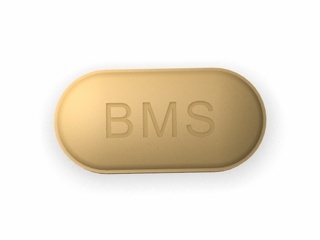
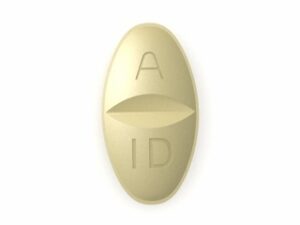

Isosorbide (Isosorbide) — Patient Information
Isosorbide is a medicine used to prevent and relieve certain types of chest pain (angina). It works by widening blood vessels and improving blood flow to the heart, which can reduce symptoms such as tightness, pressure, or discomfort in the chest.
This guide is written for people in the United Kingdom and explains how isosorbide works, how it is used, what to expect, and important safety information. Always follow the advice given by your healthcare professional and the instructions provided with your medicine.
Basic product information
- Active ingredient: Isosorbide (commonly available as isosorbide mononitrate or isosorbide dinitrate, depending on the product)
- Medicine type: Nitrate medicine (anti-anginal)
- Common uses: Prevention of angina; some forms are also used for certain heart-related conditions as advised
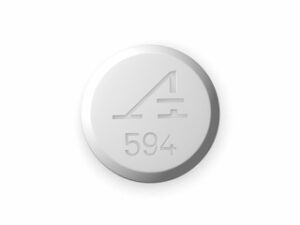
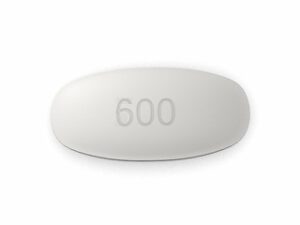
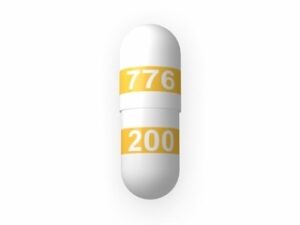
- How it may be taken: Tablets or capsules (including modified-release forms), depending on the brand and strength
- Availability in the UK: Prescription-only in many cases (availability depends on product and strength)
Important note: The exact dose and timing depend on the specific formulation you have (for example, immediate-release vs modified/extended-release). If you are unsure which type you’ve been given, check the label or speak to a pharmacist.
How Isosorbide works (mechanism of action)
Isosorbide belongs to the nitrate family. In the body, it is converted into substances that relax and widen blood vessels.
This leads to:
- Venodilation: The veins widen, which reduces the amount of blood returning to the heart (lower “preload”).
- Arteriodilation: At higher effects, some widening of arteries occurs, which may reduce resistance (lower “afterload”).
- Improved oxygen supply: By reducing the heart’s workload and improving blood flow distribution, the heart needs less oxygen.
As a result, the heart is less likely to become under-supplied during periods of stress or exertion—helping to prevent angina attacks.
Pharmacokinetics (what the body does to the medicine)
“Pharmacokinetics” describes how your body absorbs, distributes, metabolises, and eliminates isosorbide. Exact details can vary depending on the specific nitrate and the formulation (especially whether it is immediate or modified release).
Absorption
Isosorbide tablets are absorbed through the gut into the bloodstream. Modified-release products are designed to release medicine more slowly, producing longer symptom control.
Distribution
The medicine circulates in the body and exerts its effect on blood vessels to reduce chest pain episodes.
Metabolism and elimination
Isosorbide is metabolised in the body and its metabolites are then eliminated primarily via the kidneys (urine). Dose choices may be influenced by kidney function, especially in people who have significant impairment.
If you have liver or kidney conditions, or you are older, your prescriber may choose a careful dosing plan and monitor you more closely.
Typical uses (indications)
In the UK, isosorbide is used mainly for heart and circulation conditions where angina symptoms are a concern. Indications may differ by formulation and product licence.
Common indications include
- Prevention of angina: Helping to reduce the frequency and severity of chest pain due to reduced blood flow to the heart
- Long-term symptom control: Particularly with modified-release products, depending on the individual’s pattern of symptoms
If you are taking isosorbide for a condition other than angina, follow your prescriber’s instructions—do not assume the same dosing approach applies for different diagnoses.
Timing and when to take it
Timing depends on the exact product:
- Immediate-release preparations: Often taken several times per day, with evenly spaced doses to maintain symptom protection.
- Modified-release preparations: Typically taken once or twice daily, designed to provide more sustained effect.
A key practical point with nitrates is that the body can develop tolerance—meaning the medicine may work less effectively if taken continuously without a break. Some people are advised to schedule a nitrate-free period each day. Your healthcare professional will guide you.
Do not change your dose or timing without medical advice. If you miss a dose, check your product instructions (or ask your pharmacist) for guidance.
Food interactions
Isosorbide can generally be taken with or without food. However, some people experience headache or light-headedness especially after starting or when doses are adjusted. If symptoms occur, taking the medicine consistently in relation to meals may help.
- General rule: If your instructions say “take with food” or “take after food,” follow that advice.
- Consistency matters: Taking it at the same times daily helps maintain steady effects.
If you notice new or worsening side effects after meals, contact your pharmacist or prescriber.
Alcohol and medicine interactions
Alcohol can increase the risk of side effects from isosorbide, such as dizziness, low blood pressure, and faintness. Because both alcohol and nitrates can affect blood pressure, combining them may make you feel unwell.
Alcohol
- Limit alcohol: Consider avoiding alcohol, especially when starting or adjusting the dose.
- Watch for symptoms: Dizziness on standing, headache, or feeling faint are warning signs.
Other medicines (important interactions)
Certain medicines can interact strongly with nitrates. The most critical interaction involves medications for erectile dysfunction.
Do not combine with PDE-5 inhibitors
Isosorbide should not be taken with medicines that contain or act like PDE-5 inhibitors (for example, sildenafil, tadalafil, or vardenafil), because the combination may cause a dangerous drop in blood pressure.
Other possible interactions
- Other blood pressure-lowering medicines: Can increase the risk of dizziness or low blood pressure.
- Riociguat (for pulmonary hypertension): Combination may significantly increase the risk of low blood pressure and is generally avoided.
- Some medicines affecting liver enzymes: May change nitrate levels; your pharmacist can check compatibility.
For the safest use, tell your pharmacist about all medicines and supplements you take, including over-the-counter products and herbal remedies.
Dose and how to take Isosorbide
Dosing varies by the specific isosorbide product, your symptoms, and your medical history. The exact strength and frequency should be taken from your prescription label or product instructions.
General dosing principles
- Start low, increase if needed: Many people begin with a lower dose to reduce side effects (especially headaches).
- Split dosing where appropriate: Immediate-release regimens may require multiple daily doses.
- Maintain a nitrate-free period (if advised): This can help reduce tolerance.
- Do not double up: If you miss a dose, follow the instructions for that product rather than taking extra.
Example dosing patterns (for illustration)
The table below shows common patterns seen in clinical practice. Your individual dose may differ. Always use the strength and schedule written on your medicine label.
| Product type | Typical frequency | General timing idea | Notes |
|---|---|---|---|
| Immediate-release | Several times daily | Evenly spaced during waking hours | May require multiple doses to maintain effect |
| Modified/extended-release | Once or twice daily | Consistent morning and/or evening time | Designed for longer symptom control |
How to take: Swallow tablets whole with water unless your pharmacist or product instructions say otherwise. If you have difficulty swallowing, ask your pharmacist—some formulations may not be suitable for crushing or splitting.
Safety profile
Like all medicines, isosorbide can cause side effects. Many are related to its blood vessel–widening effect, especially during the first days of treatment or after dose increases.
Common side effects
- Headache (very common, often improves with time)
- Dizziness or light-headedness
- Flushing
- Feeling weak or tired
- Low blood pressure symptoms, especially when standing up quickly
Less common but important
- Fainting (syncope)
- Fast heartbeat or palpitations
- Worsening angina in rare cases if dosing or timing is not appropriate
Seek urgent medical help if
- You feel severely faint or have collapsed
- You develop symptoms of an allergic reaction (swelling of face/lips, rash, breathing difficulties)
- Your chest pain is severe, new, or not relieved according to your usual action plan
Who should take extra care
- People with low blood pressure (or a history of fainting)
- People who are dehydrated or have vomiting/diarrhoea
- Older adults who may be more sensitive to dizziness
- People with certain heart rhythm or circulatory conditions—your clinician will advise
- People with kidney problems may need dose consideration and monitoring
Practical use tips (patient-friendly guidance)
1) Reduce the risk of dizziness
- Stand up slowly from sitting or lying positions.
- Be cautious when driving or using machinery until you know how the medicine affects you.
- If you feel faint, sit or lie down immediately and seek advice.
2) Manage headaches
- Headaches are common at the start. They often lessen as your body adjusts.
- Keep well hydrated unless you have been told to restrict fluids.
- Ask a pharmacist what pain relief is suitable for you (for example, some people may use simple analgesics, but individual advice matters).
3) Keep a regular schedule
Isosorbide works best when taken consistently. Set reminders if needed—especially for modified-release products that rely on stable daily timing.
4) Know your angina plan
Many people with angina have a separate “rescue” medicine (often a fast-acting nitrate) for attacks. Isosorbide is commonly used for prevention and long-term control. Your clinician should give you a clear plan for when symptoms occur.
5) Do not stop suddenly without advice
If you stop a nitrate abruptly, angina may return or worsen. If you need to stop for any reason, discuss it with a pharmacist or prescriber first.
Alternative options
Depending on your angina type and overall health, there are other medicines and strategies. Your prescriber will choose based on your symptoms, other conditions, and current treatments.
Medication alternatives may include
- Other nitrates (for example, different isosorbide preparations or glyceryl trinitrate products, depending on the situation)
- Beta-blockers (to reduce the heart’s workload)
- Calcium channel blockers (to relax blood vessels)
- Other anti-anginal treatments used in specific circumstances
Non-medicine approaches
- Regular physical activity tailored to your condition
- Smoking cessation
- Heart-healthy diet and weight management
- Managing blood pressure, cholesterol, and diabetes
If you are considering switching from isosorbide to another option, ask your pharmacist for advice on how to do it safely.
UK market and legal context (general information)
In the United Kingdom, many nitrate medicines used for angina are regulated under the Medicines and Healthcare products Regulatory Agency (MHRA). Product licences and supply rules can differ by formulation and strength.
- Regulation: Medicines are classified and supplied according to UK medicines legislation.
- Safety standards: UK pharmacies must follow legal requirements for dispensing, labelling, and patient counselling.
- Information: Leaflets and patient information are aligned to product-specific authorisations.
Supply and eligibility can vary by brand. If you have questions about availability in the UK, contact the pharmacy you plan to buy from.
Recent guidance and updates (how to stay current)
Guidance for angina treatment can evolve as new safety information, prescribing advice, and clinical recommendations are updated. To stay current:
- Check the patient information leaflet supplied with your specific product.
- Follow advice from your GP or cardiology team.
- Ask your pharmacist if there are any recent safety communications relevant to nitrates.
One recurring safety theme across nitrate medicines is the careful management of interactions and the avoidance of combinations that can cause dangerous blood pressure drops.
Delivery and availability (UK)
Online pharmacies in the UK may offer home delivery for eligible medicines. Availability depends on:
- Whether the exact strength and formulation is in stock
- Supply chain timing
- Ordering cut-off times and delivery options
- Any clinical checks required by the pharmacy service
What to expect at delivery:
- Sealed packaging with the medicine name and strength
- Patient information leaflet included in the box where applicable
- Clear instructions for use and storage
If you need the medicine urgently, ask the online pharmacy about delivery times and whether there are alternatives in stock.
Frequently Asked Questions (FAQ)
1) What is Isosorbide used for?
Isosorbide is used to prevent and control angina (chest pain) by widening blood vessels and improving circulation. Some formulations are designed for longer-lasting prevention.
2) How quickly does it work?
This depends on the formulation. Immediate-release products may work more quickly, while modified-release forms are designed for sustained effect. Check your product leaflet for the expected onset time.
3) Can I take Isosorbide with food?
Usually yes. Many people take it with or without food, but follow the instructions on your specific product. If you get side effects, try taking it consistently at the same time in relation to meals.
4) Is it safe to drink alcohol?
Alcohol may increase dizziness or the risk of low blood pressure. It’s generally safest to limit or avoid alcohol, especially when you are starting the medicine or adjusting the dose.
5) What medicines should I avoid?
You must avoid combining isosorbide with PDE-5 inhibitor medicines for erectile dysfunction (such as sildenafil or tadalafil) and with riociguat. Also be cautious with other blood pressure-lowering medicines. Your pharmacist can check interactions for your specific medicines.
6) Why do I get headaches?
Headaches are a common effect of nitrates because they relax blood vessels. They often improve after your body adjusts. If headaches are severe, persistent, or changing in character, speak to a pharmacist or prescriber.
7) What should I do if I miss a dose?
Follow the instructions in the patient leaflet for your particular product. In general, don’t take an extra dose to make up for a missed one unless advised.
8) Can I drive while taking Isosorbide?
If you feel dizzy or light-headed, avoid driving or operating machinery. Once you know how the medicine affects you, you can decide based on your personal tolerance and your healthcare advice.
9) Are there alternatives if I can’t tolerate it?
Yes. Depending on your situation, other anti-anginal medicines (such as beta-blockers or calcium channel blockers) may be considered, or a different nitrate formulation. Discuss with your pharmacist or prescriber.
10) When should I seek urgent help?
Seek urgent medical help if you faint, develop severe dizziness, have signs of an allergic reaction, or if chest pain is severe, new, or not relieved according to your agreed action plan.
Storage and handling
- Store at room temperature unless the leaflet instructs otherwise.
- Keep the medicine in its original packaging to protect it from moisture and light (as stated in the leaflet).
- Keep out of sight and reach of children.
If your tablets look damaged, discoloured, or different from usual, don’t take them—ask your pharmacist for advice.
Disclaimer: This information is designed to support patient understanding and does not replace professional medical advice. Always read the patient information leaflet provided with your medicine and consult a healthcare professional for guidance tailored to you.