

Levothroid (Levothyroxine) – Patient Guide (UK)
Levothroid contains levothyroxine, a medicine used to replace or supplement thyroid hormone. It is commonly prescribed for conditions where the thyroid does not make enough hormone, helping to restore normal metabolism, energy levels, and growth and development.
This patient-friendly guide explains what Levothroid is, how it works, how to take it, important food and medicine interactions, safety information, and practical tips. It also includes UK-specific notes on availability and current expectations for monitoring.
Basic product information
- Active ingredient: Levothyroxine sodium
- Medicine type: Synthetic thyroid hormone (T4)
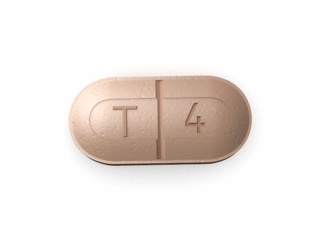
- Common forms: Tablets in various strengths (strengths may vary by manufacturer and local supply)
- Who it’s for: People with hypothyroidism or certain thyroid-related conditions
- Brand name in this guide: Levothroid
Important: Levothyroxine brands and tablet strengths should be taken consistently. If you change brand, strength, or the way tablets are taken, thyroid levels may need re-checking.
How Levothroid works (mechanism of action)
Levothyroxine is identical to the thyroxine (T4) hormone your body naturally produces. In the body:
- T4 is converted (mainly in tissues) into the more active hormone triiodothyronine (T3).
- T3 then binds to thyroid hormone receptors in cells and helps regulate the body’s metabolic activity.
By restoring normal thyroid hormone levels, Levothroid helps improve symptoms such as tiredness, feeling cold, dry skin, constipation, and weight changes associated with hypothyroidism.
Pharmacokinetics (how the body handles it)
Pharmacokinetics describes how the medicine is absorbed, distributed, metabolised, and eliminated.
- Absorption: Levothyroxine is absorbed primarily in the small intestine. Absorption can vary, and it is affected by food and other substances.
- Onset: Some symptom improvement can occur over days, but full effect often takes several weeks because the body needs time to reach a new steady hormonal balance.
- Distribution: Levothyroxine binds mainly to thyroid-binding proteins in the blood.
- Metabolism: T4 is converted to T3 in tissues and is also metabolised by the liver and other tissues.
- Elimination: Levothyroxine is cleared slowly, with a long elimination half-life (often about one week). This is why dosing is typically once daily and missing doses can affect levels gradually.
Typical use in the UK
Levothroid is used to treat thyroid hormone deficiency and to support thyroid-related treatment plans. It is also used in specific situations to help suppress thyroid stimulating hormone (TSH) when appropriate.
Common reasons Levothyroxine is used include:
- Primary hypothyroidism (underactive thyroid), including after thyroid surgery or radioactive iodine
- Congenital hypothyroidism (in children)
- Subclinical hypothyroidism in selected patients (based on blood tests and risk factors)
- TSH suppression in certain patients with thyroid cancer or high-risk thyroid conditions (the specific goal depends on individual assessment)
Indications (when Levothroid is used)
Levothroid is indicated for conditions where thyroid hormone replacement or thyroid hormone level adjustment is required. Your prescriber will set the most suitable indication based on your diagnosis and blood test results.
Examples of clinical indications:
- Treatment of hypothyroidism (including autoimmune thyroid disease)
- Replacement therapy in people who have had thyroidectomy
- Management of hypothyroidism during development (children)
- Selected cases requiring TSH suppression as part of thyroid disease management
How to take Levothroid (timing and routine)
Levothyroxine works best when taken in a consistent way. Food and some medicines can reduce absorption, leading to incorrect thyroid levels.
Typical timing
- Many people take it once daily.
- Common practice is to take it in the morning on an empty stomach with water.
- Wait before eating to reduce absorption variability (see food section below).
Simple daily routine (example)
- Take your tablet with a full glass of water.
- Do not eat immediately afterwards.
- Wait until your usual breakfast time.
- Take other tablets that interact with levothyroxine at a separate time (see interactions).
Missed dose
If you miss a dose, the best action depends on how often you take Levothroid and how close you are to your next dose. In general:
- If you remember the same day: take it as soon as you can if it is still possible to keep a routine (empty stomach timing may be adjusted).
- If it is near the next dose: skip the missed dose and take the next one at the usual time.
Advice: If you are unsure, check with a pharmacist or clinician for personalised guidance. Do not double up unless you have been specifically advised to do so.
Food interactions and absorption tips
Food can reduce the absorption of levothyroxine. To keep thyroid levels stable, follow a consistent approach.
What to do
- Take Levothroid on an empty stomach whenever possible.
- Wait after taking it before eating. Many guidelines recommend at least 30–60 minutes before breakfast (follow your local advice and prescriber/pharmacist instructions).
- Keep your routine consistent day-to-day.
Common substances that may affect absorption
- High-fibre meals or sudden changes in diet
- Soy-containing products
- Calcium-fortified foods (may contribute to interaction, depending on timing and overall supplements)
Practical tip: If you have difficulty taking it in the morning, some people take levothyroxine in the evening under guidance (for example, several hours after the last meal). If you change timing, blood tests may be needed to confirm the correct dose.
Alcohol interactions
Alcohol is not usually considered a direct interaction with levothyroxine in the way that some foods or medicines are. However, alcohol can affect:
- Your overall health and nutrition
- Medication adherence (missed or irregular dosing)
- Liver function in heavy use, which can indirectly influence hormone metabolism and the interpretation of blood tests
Recommendation: If you drink alcohol, aim for moderate use and keep your Levothroid routine consistent. Seek advice if you have liver disease or experience symptoms suggesting thyroid imbalance.
Medicine interactions (important)
Many medicines can affect levothyroxine levels by altering absorption, binding, metabolism, or test interpretation. Always tell your pharmacist or clinician about all medicines, including over-the-counter products and supplements.
Common interaction groups
- Iron supplements (for example ferrous salts)
- May reduce absorption—separate by several hours.
- Calcium supplements and antacids
- May reduce absorption—take at a different time.
- Magnesium-containing products (some antacids)
- May affect absorption—separate dosing.
- Bile acid sequestrants (for example cholestyramine)
- Can reduce absorption; dose spacing and monitoring may be needed.
- Orlistat
- May affect fat absorption and potentially thyroid hormone absorption; monitoring is important.
- Anti-seizure medicines (such as carbamazepine, phenytoin)
- Can increase hormone metabolism, potentially requiring dose adjustment.
- Some medicines that affect hormone binding (e.g., oestrogen therapy)
- May increase thyroid binding proteins, changing required levothyroxine dose.
- Amiodarone
- Can affect thyroid function due to its iodine content; requires close monitoring.
- Glucocorticoids
- May alter hormone conversion/metabolism; clinical monitoring may be required.
- Other thyroid medicines (e.g., antithyroid drugs)
- These may change thyroid hormone dynamics; dose balancing is guided by blood tests.
General spacing advice: A common approach is to separate levothyroxine from interacting minerals and antacids by at least 4 hours unless your pharmacist advises otherwise. Because individual products vary, always confirm the best timing for your specific regimen.
Dosing: what to expect
Levothyroxine dose is individual and is based on blood test results—especially TSH and, in some cases, free T4. Dose requirements vary by age, body weight, underlying thyroid condition, pregnancy, and other medicines.
How dosing is usually determined
- Clinicians start with a dose appropriate to your diagnosis and health profile.
- Dose may be adjusted gradually, especially in older adults or people with heart disease.
- Blood tests are rechecked after an appropriate interval to reach stable levels.
Common dosing patterns
- Adults: typically once daily
- Children: dosing is weight-based and carefully monitored
- Older adults or those with cardiac risk: starting dose may be lower with slower increases
When dose adjustments are most likely
- After major lifestyle or diet changes
- After switching between brands or formulations
- When starting or stopping interacting medicines (iron, calcium, antacids, etc.)
- During pregnancy
- After thyroid surgery or changes in thyroid status
Do not change your dose yourself. Stable thyroid levels require careful monitoring and gradual adjustment.
Safety profile and side effects
Levothyroxine is generally well tolerated when taken at the correct dose. The main risk is taking too much (over-replacement) or too little (under-replacement), both of which can affect symptoms and long-term health.
Signs of too much levothyroxine (over-treatment)
- Palpitations or feeling of a fast heartbeat
- Tremor, anxiety, restlessness
- Heat intolerance, sweating
- Unintended weight loss
- Insomnia
- Diarrhoea
Signs of too little levothyroxine (under-treatment)
- Ongoing tiredness or sluggishness
- Feeling cold
- Constipation
- Dry skin, hair thinning
- Weight gain
- Depressed mood
When to seek urgent help
Seek urgent medical advice if you develop severe symptoms such as:
- Chest pain
- Fainting or severe shortness of breath
- Severe palpitations or an irregular heartbeat that feels new or worsening
Special safety considerations
- Heart disease: Over-replacement can increase the risk of rhythm problems and angina. Dose should be introduced carefully and monitored.
- Pregnancy: Thyroid hormone requirements often increase. Monitoring is important to support maternal and fetal health.
- Older adults: Starting and increasing doses may be slower to avoid side effects.
Practical use tips for best results
- Keep it consistent: Take Levothroid in the same way each day.
- Use a reliable reminder: Many people use phone alarms or a daily pill organiser.
- Separate interacting medicines: Keep iron, calcium, and antacids at a different time (often by several hours).
- Check timing with breakfast: If you eat soon after taking it, absorption can drop.
- Know your product details: Keep track of the strength and brand you use, and don’t change without advice.
- Attend follow-up blood tests: Monitoring helps confirm you’re in the target range.
- Report symptoms: Tell your clinician if symptoms suggest over- or under-treatment.
Alternative options (other thyroid hormone treatments)
Alternative therapy depends on your diagnosis and personal circumstances. Common options include:
- Other levothyroxine brands (same active ingredient, different tablet formulations)
- Liothyronine (T3) – less commonly used; typically for specific situations under clinician guidance
- Desiccated thyroid extracts – not usually first-line in UK practice; consistency can vary
- Combination approaches (T4 plus T3) – considered for select patients, but not routine and requires careful monitoring
Note: If you change to an alternative brand or formulation, thyroid blood tests may be needed because absorption and bioavailability can differ slightly between products.
UK market and legal context (what to know)
In the United Kingdom, levothyroxine is widely available and widely used across NHS and private healthcare settings. Medicines are regulated to ensure quality, safety, and consistency across manufacturers and supply chains.
Switching and consistency: In practice, many UK clinicians emphasise keeping patients on the same brand when possible and ensuring careful monitoring when changes occur, because thyroid hormone levels are sensitive to small differences in dosing and absorption.
Monitoring: Regular blood testing of thyroid function is standard. Targets and intervals may vary by age, diagnosis, and stability of previous results.
Recent guidance and monitoring expectations (UK)
While recommendations can evolve, current UK clinical practice generally includes:
- Use TSH (and often free T4) to guide dose adjustments.
- Check levels after dose changes and after switching formulation/brand.
- Ensure stable dosing habits (empty stomach timing; separation from minerals/antacids).
- Special care in pregnancy with prompt review of thyroid function.
If you have ongoing symptoms despite taking your medicine correctly, it may be worth discussing blood test timing, adherence habits, and interaction risks with your pharmacist or clinician.
Delivery and availability in the UK
Levothroid (levothyroxine) is commonly stocked by online pharmacies and community pharmacies. Availability can depend on your required strength and local supply at the time of ordering.
What to expect when ordering online
- Stock status: The site may show whether your strength is currently available.
- Dispatch times: Dispatch is typically within 1–2 working days where stock is available (this can vary by supplier and local conditions).
- Courier delivery: Delivery times depend on the chosen service and your location.
- Packaging: Medicines are typically dispatched in secure, standard pharmaceutical packaging.
Tip: If you rely on consistent daily dosing, consider ordering a little ahead to reduce the risk of running out.
FAQs – Levothroid (Levothyroxine)
1) What is Levothroid used for?
Levothroid is used to replace thyroid hormone in hypothyroidism and may be used for specific thyroid-related conditions requiring TSH control. Your individual indication depends on your diagnosis and blood test results.
2) How long does it take to work?
Some improvement can be noticed within days to weeks, but full stabilisation usually takes several weeks because thyroid levels and symptoms adjust gradually.
3) Should I take it with food or after meals?
For best absorption, take Levothroid on an empty stomach. Many people take it in the morning and wait before eating. If you change timing (for example, to evenings), discuss with a pharmacist or clinician because you may need blood test monitoring.
4) What foods should I avoid?
You don’t necessarily need to avoid specific foods completely, but absorption can be affected by meal timing and certain dietary patterns. Keep your routine consistent, particularly around breakfast timing and high-fibre meals or soy.
5) Can I take iron or calcium with Levothroid?
Iron and calcium can reduce absorption. Typically, you should separate these from levothyroxine by several hours (often at least 4). Always confirm the timing for your specific products with a pharmacist.
6) Can I drink alcohol while taking Levothroid?
Alcohol is not usually a direct interaction, but moderate use is sensible. Heavy or frequent alcohol use may affect overall health and metabolism. Keep your dosing routine consistent.
7) What if I miss a dose?
Generally, if it’s close to the next dose, skip the missed one and take your usual dose. If you’re unsure, speak to a pharmacist for guidance tailored to your schedule.
8) Will switching brands affect my thyroid levels?
It can. Differences in formulations may lead to small changes in absorption. It’s often recommended to keep the same brand if possible, and to check thyroid function after switching if advised.
9) Are there any serious side effects?
Most people tolerate levothyroxine well at the correct dose. Serious concerns usually relate to over- or under-treatment—such as significant palpitations, chest pain, or severe symptoms. Seek urgent help for severe or rapidly worsening symptoms.
10) How often do I need blood tests?
The exact schedule varies. After starting or adjusting dose, clinicians typically recheck thyroid function after an appropriate interval, and once stable, monitoring may be less frequent (as advised by your clinician).
Summary
Levothroid (levothyroxine) is a synthetic form of thyroid hormone used to treat hypothyroidism and other selected thyroid conditions. Taking it correctly—especially with consistent timing and careful separation from interacting foods and medicines—helps maintain stable thyroid levels. If you experience symptoms of over- or under-treatment, or you start/stop other medicines or supplements, discuss this with a pharmacist or clinician and ensure your thyroid function is monitored.