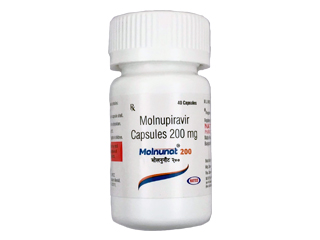
Molnunat (Molnupiravir) – Patient Guide (UK)
Molnunat contains molnupiravir, an antiviral medicine designed to help reduce the chance of illness worsening in certain adults with COVID-19 who are at higher risk. This guide explains how Molnunat works, how it is typically used, what to watch for, and practical considerations such as food, alcohol, other medicines, and delivery in the UK.
Please read the patient information leaflet that comes with your medicine and follow the advice from your healthcare professional. Medicines can affect people differently.
Quick product information
| Item | Details |
|---|---|
| Medicine name | Molnunat (molnupiravir) |
| Type | Oral antiviral (taken by mouth) |
| Use | For eligible adults with mild to moderate COVID-19 who are at higher risk of developing severe disease |
| How it’s taken | Usually as a course of tablets at set times |
| Typical course length | Often 5 days |
| When to start | As early as possible after symptom onset, within the treatment window |
| Food | Can generally be taken with or without food; follow leaflet instructions |
How Molnunat works (mechanism of action)
Molnupiravir is a “prodrug”, meaning it is converted in the body into an active form. The active form interferes with the replication of the virus (SARS‑CoV‑2) by increasing errors during viral genetic copying. This reduces the virus’s ability to multiply effectively, which may help limit disease progression.
In simple terms: Molnunat aims to reduce viral replication in the early stages of infection, when treatment is most likely to be helpful.
What the medicine is used for (indications in the UK)
Molnunat is used to treat COVID‑19 in adult patients who are considered at higher risk of developing severe illness.
UK eligibility criteria can depend on factors such as:
- Age and underlying health conditions
- Whether symptoms are mild to moderate
- Timing from symptom onset
- Clinical judgement and national treatment guidance
The local system for access and selection criteria can vary. Your healthcare provider will confirm whether Molnunat is suitable for you.
Timing: when to start and how quickly it matters
Antiviral medicines work best when started early, before the virus has caused major inflammation or complications. For Molnunat, treatment is generally intended for initiation as soon as possible after symptom onset and within the recommended window stated in current UK guidance and the product information.
- Start early: even a short delay can reduce potential benefit.
- Keep to the schedule: taking doses at consistent times supports steady drug levels.
- Complete the course: if you begin the regimen, finish it unless told to stop.
Dosing (typical adult regimen)
For eligible adults, Molnunat is typically taken as an oral course over 5 days, with doses taken twice daily (morning and evening).
Important: The exact tablet strength and dosing instructions can vary by product presentation. Always follow the instructions from the package and your healthcare professional.
- Common regimen: taken twice daily for 5 days.
- Spacing: doses are usually taken about 12 hours apart.
- If you miss a dose: take it when you remember unless it is close to the next dose; do not take a double dose.
How to take Molnunat (practical tips)
- Use a schedule: set alarms for morning/evening dosing.
- Swallow with water: take the tablet(s) whole unless the leaflet instructs otherwise.
- With or without food: many people can take Molnunat alongside meals; follow the leaflet.
- Stay hydrated: drink fluids, particularly if you have fever or reduced appetite.
- Monitor symptoms: track temperature, breathing, and overall wellbeing daily.
If your symptoms worsen—such as increasing breathlessness, chest pain, confusion, or blue/grey lips—seek urgent medical help immediately.
Pharmacokinetics: what happens in the body
“Pharmacokinetics” describes how the body absorbs, converts, distributes, and eliminates a medicine.
- Absorption: Molnupiravir is absorbed after oral administration.
- Conversion to active form: it is metabolised to an active nucleoside-like form that can be incorporated into viral RNA.
- Distribution: active metabolites reach relevant tissues where viral replication occurs.
- Elimination: metabolites are cleared from the body, with overall clearance dependent on metabolism and renal/hepatic handling.
Because the precise pharmacokinetic profile can vary between people, it’s important to follow dosing recommendations and inform your clinician/pharmacist about kidney or liver issues.
Food interactions
Food can sometimes affect how quickly and how much of a medicine is absorbed. For Molnunat, typical use instructions allow taking it with or without food (subject to product leaflet guidance).
Practical approach:
- If nausea occurs, consider taking the dose with a light meal.
- Maintain consistent routine across doses so your schedule remains predictable.
- Avoid extreme changes in diet during treatment (for example, very high-fat meals) unless advised.
Alcohol and medicine interactions
Alcohol
There is no universal “safe” level of alcohol during acute viral illness. Alcohol can worsen dehydration, reduce sleep quality, and affect the immune response. For safety, it is generally advisable to avoid or minimise alcohol while taking antiviral treatment—especially if you are feverish or have reduced appetite.
Interactions with other medicines
Molnunat can interact with other medicines. Drug interaction risk may be higher if you take multiple medications, including:
- Medicines that affect liver enzymes
- Anticoagulants and antiplatelet agents
- Immunosuppressants
- Other antivirals or treatments for chronic illness
To reduce risk:
- Make a full list of all medicines you take (including over-the-counter medicines and supplements).
- Share it with your pharmacist or healthcare professional.
- Do not start, stop, or change doses without advice.
Safety profile and side effects
Like all medicines, Molnunat can cause side effects. Most are mild, but some may require medical attention.
Common side effects
- Diarrhoea
- Nausea
- Vomiting
- Headache
- Dizziness
Less common but important effects
- Allergic reactions (e.g., rash, swelling, breathing difficulty)
- Severe gastrointestinal symptoms (signs of dehydration such as marked weakness, reduced urination)
Seek urgent medical help if you develop signs of a severe allergic reaction or if breathing/oxygen levels worsen.
Special precautions (who should be extra careful)
You should seek prompt clinical advice if any of the following apply.
- Pregnancy: Molnunat may pose risks to an unborn baby; contraception and pregnancy avoidance guidance may apply.
- Breastfeeding: discuss with a clinician whether breastfeeding should continue during treatment.
- Women of childbearing potential and men with partners who could become pregnant: follow recommended contraception guidance during and after treatment.
- Children and adolescents: use is typically restricted to adults for this indication.
- Kidney or liver problems: dose selection and suitability may be affected; your clinician will advise.
Because guidance around pregnancy/contraception can be specific, always consult the leaflet and healthcare professional for your situation.
Recent UK guidance and treatment context
COVID‑19 treatment recommendations in the UK evolve as evidence and variant patterns change. Molnunat has been used as an oral option for eligible adults at higher risk of deterioration, particularly when started early in the course of illness.
- Eligibility: depends on national guidance, local service pathways, and patient risk factors.
- Timing: early initiation remains central.
- Alternative options: clinicians may consider other treatments based on patient characteristics and availability.
For the most up-to-date information, refer to current UK health authority guidance and the patient leaflet included with your medicine.
Alternative options to consider
Treatment decisions are individual. Depending on eligibility, availability, and health conditions, alternative approaches may include:
- Other antivirals (oral or injected) that may be suitable for certain patients
- Supportive care such as fever control, hydration, and monitoring
- Hospital-based treatments if illness becomes more severe
- Vaccination and preventative measures to reduce risk of severe disease
Your healthcare professional can help you compare options based on drug interactions, timing, and your medical history.
Delivery and availability in the UK
Availability may vary by region and supply. If Molnunat is offered through an online pharmacy service, delivery typically follows standard UK courier processes.
- Processing time: orders may require verification and pharmacy checks before dispatch.
- Delivery times: depend on postcode and courier schedules.
- Cold chain: Molnunat is generally not a cold-chain medicine (confirm with product packaging and leaflet).
- Keep packaging: retain the outer carton and leaflet until the course is complete.
If you need treatment urgently, check estimated delivery time before placing an order so you can meet the recommended initiation window.
Safety checklist before starting
- Confirm you understand the course length and dose frequency.
- Check you have enough tablets for the full course.
- Review your medication list for possible interactions.
- Consider pregnancy/contraception guidance if relevant.
- Plan how you will take doses (with food if it helps nausea).
- Know when to seek urgent help if symptoms worsen.
Frequently Asked Questions (FAQ)
1) What is Molnunat used for?
Molnunat is used in eligible adults with COVID‑19 who are at higher risk of developing severe disease. It is most effective when started early after symptoms begin.
2) How soon after symptoms should I start?
Start as early as possible and within the treatment window recommended in current UK guidance and the product information. If you’re unsure, contact a healthcare professional promptly.
3) How is Molnunat taken?
It is typically taken by mouth as a short course over 5 days, with doses usually taken twice daily. Follow the exact schedule provided with your medicine.
4) Can I take Molnunat with food?
Many patients can take Molnunat with or without food. If you experience nausea, taking it with a light meal may help. Always follow the leaflet instructions.
5) What should I do if I miss a dose?
Take it when you remember unless it is close to the next dose. Do not take a double dose. If you’re uncertain, seek advice from your pharmacist.
6) Can I drink alcohol while taking Molnunat?
It’s best to avoid or minimise alcohol while you are unwell and taking antiviral treatment. Alcohol can worsen dehydration and overall recovery. Ask a pharmacist for personalised advice if you drink regularly.
7) Are there interactions with other medicines?
Yes, interactions are possible. Provide your full list of medicines, supplements, and over-the-counter products to a pharmacist or clinician so they can check compatibility.
8) What are the common side effects?
Common side effects include diarrhoea, nausea, vomiting, headache, and dizziness. If you develop severe symptoms or signs of allergy, seek urgent medical advice.
9) Who should not take Molnunat?
Eligibility depends on individual factors including age, pregnancy status, breastfeeding, kidney/liver health, and other clinical considerations. The patient leaflet and healthcare advice will specify what applies to you.
10) How long does the course last?
For many eligible adults, the course is 5 days. Complete the full regimen unless told otherwise by a healthcare professional.
When to seek urgent help
If you develop any of the following, seek urgent medical advice:
- Severe or worsening breathlessness
- Chest pain or pressure
- Confusion, fainting, or extreme drowsiness
- Blue/grey lips or face
- Signs of severe dehydration (e.g., very little urine)
- Suspected allergic reaction (swelling of face/lips, rash with breathing difficulty)
Disclaimer: This page is for general information for UK patients. It does not replace the advice in the product leaflet or the guidance of a healthcare professional.