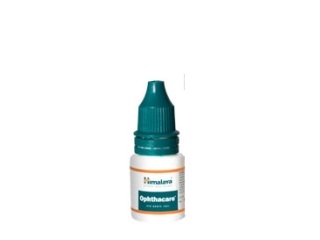


Ophthacare Eye Drops & Ointment — Patient Guide (UK)
Ophthacare is an eye care product used to support comfort and maintenance of the ocular surface. Depending on the exact formulation you purchase (for example, eye drops and/or eye ointment), it may contain active ingredients designed to lubricate, soothe, and help protect the eye.
This page explains how Ophthacare works, how it is typically used, and important safety information for people in the United Kingdom. Always read the patient information leaflet supplied with your product and follow the instructions provided by your pharmacist or clinician.
Quick overview
- Product type: Eye drops and/or ointment for ocular surface comfort
- Common purpose: Helps relieve dry, irritated or uncomfortable eyes
- How it works: Lubricates the eye surface and forms a protective layer
- Typical timing: Often used several times daily; ointments are usually applied at night
- UK availability: Generally available through online pharmacies (availability depends on formulation)
Basic product information
Ophthacare is supplied in different forms. In the UK, online listings may vary by strength and formulation. Common formats include:
- Ophthacare eye drops (for daytime use and flexible dosing)
- Ophthacare eye ointment (for longer-lasting comfort, often used overnight)
Always check the label for the exact ingredients and concentration. Different variants may be intended for slightly different eye conditions.
Key practical notes:
- Use only in the eye as directed.
- Do not share eye products with other people.
- Discard opened bottles/tubes according to the leaflet instructions (e.g., after a set number of weeks).
How Ophthacare works (mechanism of action)
The precise mechanism depends on the formulation, but eye comfort products like Ophthacare commonly act in one or more of the following ways:
- Lubrication: Reduces friction between the eyelids and the eye surface.
- Moisture retention: Helps maintain hydration of the cornea and conjunctiva.
- Protective coating: Forms a film that shields the eye from environmental irritation (such as wind, smoke, or indoor heating).
- Soothing action: Can reduce the sensation of dryness, grittiness, burning, or mild irritation.
For patients with dry eye symptoms, these actions may help break the cycle of irritation and inflammation by improving surface comfort and stability.
Pharmacokinetics (how the body handles it)
Most eye lubricating preparations are intended to act locally in the eye. Typical pharmacokinetic characteristics include:
- Local effect: The active ingredients (or protective components) work mainly on the eye surface.
- Limited systemic absorption: Only small amounts generally reach the bloodstream, since the eye is designed to clear drops quickly.
- Clearance by tear drainage: Drops can be removed through blinking and drainage through the tear ducts (nasolacrimal drainage).
What this means for you: Even though the product is applied to the eye, systemic side effects are generally less likely than with medicines taken by mouth.
Typical use and indications
Ophthacare is commonly used for symptomatic relief of ocular surface discomfort. Indications may include:
- Dry eyes (including discomfort linked to screen use or environmental factors)
- Burning, stinging, or irritation
- Gritty or sandy feeling
- Minor eye surface stress related to wind, smoke, air conditioning, or heating
- Comfort support for people experiencing intermittent dryness
Not all symptoms are dry eye. If you have severe pain, sudden vision changes, discharge, marked light sensitivity, or symptoms after an eye injury, seek urgent medical advice.
When to use it (timing)
Follow the dosing instructions supplied with your specific Ophthacare product. Typical regimens include:
- Daytime use (drops): Often applied multiple times per day as needed for comfort.
- Night-time use (ointment): Often applied once daily before sleep for longer-lasting lubrication.
Practical timing tips:
- If using several drops, space them out by around 5–15 minutes unless the leaflet advises otherwise.
- If using an ointment plus drops, ointment is usually the last product you apply before sleep.
- Many people find it helpful to use it before symptom flare-ups (for example, prior to long screen sessions).
Dosing for adults (typical instructions)
Because products and concentrations can vary, dosing should follow your leaflet. As a general guide for many lubricating eye products:
| Form | Typical dose | How often | Common timing |
|---|---|---|---|
| Eye drops | 1 drop in the affected eye(s) | Up to several times daily | As symptoms arise; often daytime |
| Eye ointment | A small strip in the lower eyelid | Usually once daily | Often at night |
Missed dose: If you miss a dose, apply it when you remember unless it is close to the next dose. Do not apply extra drops to make up for a missed dose.
Seek advice if you require frequent use for more than a few days without improvement or if symptoms worsen.
How to use Ophthacare (step-by-step practical instructions)
Good technique helps the drops reach the eye surface and reduces contamination risk.
Using Ophthacare eye drops
- Wash your hands.
- Shake the bottle if the leaflet says to (some suspensions may require shaking).
- Check the dropper tip is clean and not cracked.
- Gently pull down the lower eyelid to form a small pocket.
- Hold the bottle above the eye and apply 1 drop without touching the eye or eyelids.
- Close your eye gently and keep it closed for about 1 minute.
- If possible, gently press the inner corner of the eye (near the nose) for 30–60 seconds to reduce drainage into the throat.
- Wipe away excess with a clean tissue.
- Replace the cap immediately.
Using Ophthacare eye ointment
- Wash your hands.
- Pull down the lower eyelid gently.
- Apply a small amount of ointment to the lower eyelid pocket.
- Close your eye gently. The ointment may blur vision temporarily—this is often more noticeable right after application.
- Wipe the nozzle with a clean tissue after use (avoid touching the eye).
Contact lenses: If you wear contact lenses, check the leaflet for specific guidance. Many eye products advise removing lenses before use and waiting at least 15 minutes before reinserting, but your product instructions may differ.
Food interactions
Ophthacare is applied to the eye and is not taken by mouth. Therefore, it typically has no direct food interactions.
Indirect considerations:
- If you are taking other medicines, keep to the recommended timing between eye products and any other treatments (if relevant).
- If symptoms are associated with allergies, your pharmacist may discuss allergy management strategies, but these are separate from food interactions.
Alcohol and medicine interactions
Alcohol: There is usually no direct interaction between alcohol and eye lubricating products like Ophthacare because systemic absorption is limited. However, alcohol can contribute to dehydration and may potentially worsen dry-eye symptoms in some people.
Other eye medicines: Interactions are more about timing than pharmacological incompatibility. If you use other eye drops/ointments (for example, antibiotics, anti-inflammatory drops, or glaucoma medicines):
- Use Ophthacare at least 5–15 minutes apart from other eye drops unless your leaflet advises otherwise.
- Ointments are usually applied after drops.
- Keep a consistent schedule to help manage symptoms.
Medicines taken by mouth: There are usually no clinically significant interactions due to local action, but always inform your pharmacist if you are using other treatments, including eye drops.
Safety profile
Ophthacare is generally well tolerated when used as directed. However, all medicines and healthcare products can cause side effects.
Common or expected effects
- Temporary blurred vision (more common with ointment)
- Mild stinging or watering immediately after application (usually short-lived)
- Redness or irritation (uncommon but possible)
Stop and seek medical advice urgently if you develop
- Severe pain
- Sudden or significant changes in vision
- Marked light sensitivity
- Significant discharge (especially thick or yellow/green)
- Severe swelling of the eyelids
- Symptoms that rapidly worsen or do not improve
If you experience an allergic reaction (such as itching, hives, facial swelling, or breathing difficulties), seek urgent help.
Practical use tips for best results
- Consistency matters: Regular use often works better than waiting until symptoms are extreme.
- Check triggers: Screens, dry air, and smoking can worsen dryness. Consider humidification and regular blinking during screen work.
- Keep your eyes comfortable: Avoid rubbing eyes, which can increase irritation.
- Store correctly: Follow storage instructions on the pack (temperature, light protection, and whether refrigeration is required).
- Avoid contamination: Don’t touch the dropper/nozzle to the eye or lashes.
- Follow opening dates: Use within the leaflet’s recommended timeframe after opening.
- If you get frequent flare-ups: Speak to a pharmacist or optometrist for tailored advice, especially if you have conditions such as blepharitis or meibomian gland dysfunction.
Alternative options (UK-friendly choices)
If Ophthacare is not suitable or does not fully relieve your symptoms, there are other common eye care approaches. Options may include:
- Artificial tears (different viscosity options, some designed for frequent use)
- Gel drops for longer-lasting comfort
- Ointments for overnight dryness
- Preservative-free lubricants if you experience stinging or use drops very often
- Warm compresses and eyelid hygiene if lid inflammation is contributing (especially for blepharitis)
- Prescription options may be considered for persistent symptoms after clinical assessment
Your pharmacist or optometrist can help choose based on your symptoms, contact lens use, and frequency of application.
Market and legal context in the United Kingdom
In the UK, eye care products are regulated within the medicines and healthcare product framework. Availability depends on whether the product is classified as a medicine, a medical device, or a complementary eye care product.
Important UK consumer guidance:
- Only buy from reputable sellers to help reduce the risk of counterfeit or improperly stored products.
- Check that the packaging includes UK patient information and batch/expiry details.
- If you are unsure about suitability, speak to a qualified healthcare professional.
Recent guidance and “what to do if symptoms persist”
Eye dryness is common and often fluctuates. General advice from UK eye care services emphasises:
- Self-care first: Lubrication, hydration strategies, and reducing environmental triggers (wind, smoke, low humidity).
- Screening for underlying causes: Persistent dryness may relate to eyelid inflammation, medication side effects, hormonal changes, or contact lens wear.
- Escalation if red flags appear: Pain, discharge, marked light sensitivity, or vision changes require prompt assessment.
If you are using Ophthacare frequently (for example, multiple times a day) and symptoms do not improve within a short period, consider speaking to an optometrist or GP for further evaluation.
Delivery and availability (UK)
Ophthacare eye drops/ointment are typically available through online pharmacy services depending on the specific formulation and current stock status.
- Dispatch: Many online pharmacies dispatch within 24–48 hours on working days (exact times vary by supplier).
- Delivery options: Standard and sometimes express options may be available.
- Packaging: Products are usually shipped in protective outer packaging to reduce breakage.
- Availability: If out of stock, you may see alternative delivery dates or similar products.
Expiry and storage on arrival: Check the expiry date upon delivery. Store as directed by the leaflet.
FAQ (Frequently asked questions)
1) What is Ophthacare used for?
Ophthacare is used to relieve symptoms associated with ocular surface discomfort, commonly including dry, irritated or gritty eyes. The exact intended use depends on the formulation you buy—always check the leaflet for details.
2) How soon will I feel relief?
Many people notice comfort within minutes, especially with eye drops. If symptoms are due to ongoing irritation, consistent use over days may be needed for steadier improvement.
3) Can I use Ophthacare if I wear contact lenses?
Contact lens guidance depends on the specific product. Some lubricating drops are compatible, while others require you to remove lenses before use and wait before reinserting. Check your leaflet or ask your pharmacist.
4) Can I use Ophthacare with other eye drops?
Yes, usually. Space applications by 5–15 minutes from other eye drops, and apply ointment after drops unless your leaflet states otherwise.
5) Will Ophthacare blur my vision?
Eye ointment can cause temporary blurred vision. Eye drops typically cause less blur, but mild blurring can occur briefly after application.
6) Is Ophthacare safe for children?
Suitability for children depends on the exact formulation and age guidance in the leaflet. If you are considering use in a child, speak to your pharmacist for advice.
7) Can I drive after using Ophthacare?
If using ointment, you may experience temporary blurring. Wait until your vision is clear before driving. With drops, most people can drive shortly after, but if your vision is blurred, delay until it clears.
8) What should I do if I accidentally get the drops in my mouth or swallow them?
Small accidental exposures from eye drops are often unlikely to cause harm. Rinse your mouth with water. If you have concerns or symptoms (such as persistent nausea or unusual reactions), contact a healthcare professional or NHS services for advice.
9) What if I miss a dose?
Apply it when you remember unless it’s close to the next dose. Do not use extra product to make up for a missed dose.
10) When should I stop using Ophthacare and get checked?
Get medical advice promptly if you develop severe pain, worsening redness, discharge, light sensitivity, or changes in vision, or if symptoms persist without improvement.
References and disclaimers
This patient-friendly guide provides general information about eye comfort products similar to Ophthacare and typical use patterns in the UK. Always read the patient leaflet for your specific product and follow the dosing instructions exactly.
If you have complex eye conditions, are immunocompromised, have had recent eye surgery, or are unsure whether your symptoms are due to dry eye, contact an optometrist or healthcare professional for personalised advice.