Pamelor (Nortriptyline) — Patient-Friendly Guide (UK)
Pamelor is the brand name for nortriptyline, a medicine belonging to the group known as tricyclic antidepressants (TCAs). In the UK, nortriptyline is used for depression and for certain other conditions where it can help reduce symptoms such as pain signals or nerve-related discomfort.
This guide explains how Pamelor works, how it is typically used, what to expect, key safety information, and practical tips. It is written for people considering or already taking nortriptyline. Always follow the advice given by your healthcare professional.
Basic product information
| Item | Information |
|---|---|
| Brand name | Pamelor |
| Active ingredient | Nortriptyline |
| Drug class | Tricyclic antidepressant (TCA) |
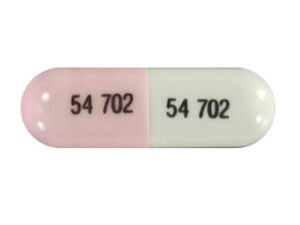
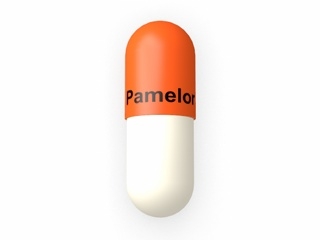
| Common form | Tablets (strengths may vary by product/market) |
| How it may be used | Depression and selected chronic pain/nerve-related conditions |
| Typical onset | Improvement may take 2–4 weeks (sometimes sooner for sleep or pain) |
How Pamelor works (mechanism of action)
Nortriptyline helps rebalance certain brain chemicals involved in mood and pain pathways. Like other TCAs, it mainly works by:
- Blocking reuptake of neurotransmitters, particularly noradrenaline and to a lesser extent serotonin. This increases their availability in the brain.
- Modulating nerve signalling involved in pain perception, which is why it can be used for certain painful or nerve-related conditions.
- Influencing receptors (including histamine and acetylcholine receptors), which can contribute to effects such as drowsiness and dry mouth.
Pharmacokinetics (how the body handles it)
Pharmacokinetics describes how the body absorbs, distributes, metabolises and eliminates nortriptyline. While individual responses vary, the key points include:
- Absorption: Nortriptyline is absorbed after taking tablets by mouth.
- Distribution: It is distributed throughout the body, including the brain. It can bind to proteins in the blood.
- Metabolism: Mainly processed in the liver via CYP enzymes (especially CYP2D6). Genetic differences in CYP2D6 activity can make effects stronger or weaker in different people.
- Elimination: Nortriptyline and its metabolites leave the body primarily via the kidneys.
- Half-life: Nortriptyline typically has a relatively long half-life, which supports once- or twice-daily dosing for many people. This also means side effects can persist for some time after dose changes.
Typical uses in the UK
In the UK, nortriptyline may be used for the following, depending on your symptoms and medical history:
- Depression (especially when other options are not suitable).
- Neuropathic (nerve-related) pain, such as burning, shooting pain, or pain due to damaged nerves.
- Headache and migraine prevention in selected patients.
- Other chronic pain conditions where a clinician judges that nortriptyline may reduce symptoms.
The exact indication and dosing schedule will be based on your healthcare professional’s assessment.
When to take it (timing and routine)
Many people take nortriptyline in the evening or at night, because it can cause drowsiness in some individuals. However, the best timing for you depends on your dose, your symptoms, and how you respond.
Practical timing tips
- Try to take it at the same time each day to keep drug levels more consistent.
- If it makes you sleepy, consider taking it in the evening.
- If it causes agitation or insomnia, ask your clinician whether a morning dose or schedule adjustment is appropriate.
- For long-term use, keep a consistent routine (e.g., after dinner or before bed).
Dose and dosing approach (what is typical)
Dosage varies widely depending on the condition being treated, your age, overall health, and how sensitive you are to side effects. Doses are often started low and increased gradually to improve tolerability.
Important: Always take the dose instructed for you. The information below is general guidance.
General dosing principles
- Start low: Clinicians often begin with a smaller dose to reduce the risk of side effects.
- Titrate slowly: Dose increases may be made every 1–2 weeks (or longer), depending on response.
- Therapeutic effect: Mood improvement often takes weeks; pain relief may begin earlier for some people.
- Review regularly: Your treatment should be reviewed to ensure it remains appropriate.
Monitoring and blood level considerations
For some patients, especially those at higher risk of side effects, clinicians may consider monitoring of nortriptyline levels and/or carrying out heart checks (for example, an ECG), depending on your health history and dose. This is particularly relevant if you have heart disease, are older, or use interacting medicines.
Food interactions
Nortriptyline can usually be taken with or without food. Food may affect how quickly you feel effects, but it is not typically a major interaction issue.
What to keep in mind
- If taking with food reduces nausea or stomach upset for you, continue that routine.
- Grapefruit juice: Some medications are affected by grapefruit. Check with a pharmacist if you regularly consume grapefruit products.
- Maintain a stable routine around meals and hydration, particularly if you experience dizziness on standing.
Alcohol interactions
It is generally advised to be cautious with alcohol while taking nortriptyline. Alcohol can:
- Increase drowsiness and reduce alertness.
- Worsen dizziness or unsteadiness.
- Potentially increase the risk of side effects such as nausea, impaired coordination, and memory difficulties.
If you choose to drink, keep it minimal and avoid binge drinking. If you feel unusually sleepy or unwell, avoid alcohol and seek advice.
Medicine interactions (key safety information)
Nortriptyline can interact with other medicines, sometimes affecting nortriptyline levels or increasing side effects. Always provide your full list of medicines (including herbal products and over-the-counter remedies) to your pharmacist/clinician.
Medicines that may increase risk
- Other antidepressants, especially those affecting serotonin (risk of serotonin-related effects when combined).
- MAO inhibitors and medicines with similar activity (a potentially dangerous combination).
- Strong CYP2D6 inhibitors (may raise nortriptyline levels, increasing side effects). Examples may include certain antidepressants and some antipsychotics—your pharmacist can check specifics.
- Medicines that affect heart rhythm (risk of rhythm problems in susceptible individuals).
- Medicines causing dizziness or drowsiness (additive sedation risk).
- Anticholinergic medicines (may worsen constipation, blurred vision, and dry mouth).
- St John’s wort (an herbal antidepressant) — may alter drug metabolism and effect.
- Decongestants or stimulants (some can increase heart rate or blood pressure).
Special note: stopping and switching
Changing antidepressants should be done carefully to avoid withdrawal symptoms or interactions. Do not stop nortriptyline suddenly unless a clinician instructs you to—tapering is usually preferred.
Indications and expected benefits
The benefits you may notice depend on why you’re taking nortriptyline. It may help by improving mood, reducing anxiety symptoms, or lowering the intensity/frequency of certain pain signals.
Depression
- Better mood and enjoyment of usual activities
- Improved sleep patterns (for some people)
- Reduced low energy and persistent sadness
Neuropathic pain / chronic nerve pain
- Reduced burning, tingling, or shooting pain
- Fewer painful flares
- Improved ability to sleep and function
Many people do not feel full benefit immediately. A gradual dose-up strategy and time are often needed.
Safety profile: side effects and what to watch for
Like all medicines, nortriptyline can cause side effects. Not everyone experiences them, and many are more likely at the start of treatment or after dose increases. Side effects often lessen after your body adjusts.
Common side effects
- Dry mouth
- Drowsiness or fatigue
- Dizziness, especially when standing up (postural hypotension)
- Constipation
- Blurred vision
- Weight gain in some people
- Sweating
- Tremor or feeling restless
- Nausea (usually mild)
Less common but important risks
- Heart rhythm changes (more likely at higher doses or in people with existing heart problems). Seek urgent medical advice if you experience palpitations, fainting, or severe dizziness.
- Urinary retention (difficulty passing urine), particularly in men with prostate enlargement.
- Severe allergic reaction (swelling of face/lips, rash, breathing difficulties).
- Confusion, especially in older adults.
- Sexual side effects may occur, depending on the individual.
When to get urgent help
Contact emergency services or seek urgent care immediately if you have symptoms such as:
- Chest pain, collapse, or a very fast/irregular heartbeat
- Severe allergic reaction (swelling, trouble breathing)
- Uncontrolled shaking, high fever, severe agitation, or confusion (possible serious reaction)
- Signs of overdose (severe drowsiness, seizures, or fainting)
Suicidal thoughts and mood changes
Antidepressants can affect mood early in treatment. If you notice worsening depression, agitation, or thoughts of self-harm, seek medical help promptly. If you are in immediate danger, call emergency services.
Practical use tips (getting the best from treatment)
- Give it time: Don’t judge effectiveness after only a few days. Many benefits take weeks.
- Track changes: Consider noting sleep, pain levels, mood, and side effects to discuss at review appointments.
- Prevent constipation: Drink water regularly and include fibre in your diet. If needed, ask a pharmacist about suitable remedies.
- Move slowly: If you feel light-headed, stand up slowly and sit if dizzy.
- Hydrate for dry mouth: Sugar-free chewing gum or lozenges can help; keep water nearby.
- Be careful with driving: If you feel drowsy, avoid driving or operating machinery until you know how you react.
- Do not skip doses: Missing doses can worsen symptoms or cause withdrawal-like effects. If you miss a dose, follow the instructions from your pharmacist or the patient information for your specific product.
- Never double up: Avoid taking extra tablets to make up for missed doses unless advised.
Stopping nortriptyline safely
If nortriptyline is stopped, it is usually reduced gradually (“tapered”) to lower the chance of withdrawal symptoms such as:
- Flu-like feelings
- Restlessness or agitation
- Sleep disruption
- Headache or nausea
- Return/worsening of the original symptoms
Always speak to a healthcare professional before stopping or reducing your dose.
Alternative options
Depending on what you’re treating, alternatives may include other antidepressants or non-drug treatments. Your clinician may consider factors such as your symptoms, other medicines, heart history, and side-effect preferences.
Possible medication alternatives (examples)
- Other tricyclic antidepressants (e.g., amitriptyline) for pain or depression in selected patients
- SSRIs / SNRIs for depression or anxiety (commonly used in many patients)
- Other medicines for neuropathic pain such as gabapentinoids or certain alternatives, depending on diagnosis
Non-medicine alternatives
- Psychological therapies for depression (e.g., CBT)
- Physiotherapy and graded activity for chronic pain
- Lifestyle changes such as sleep routine, stress management, and gentle exercise
Your best option depends on your individual situation—ask your pharmacist or clinician for tailored advice.
Market and legal context for the UK
In the United Kingdom, medicines containing nortriptyline are subject to UK medicines regulations and are typically dispensed under medicines supply rules appropriate to their safety classification. Availability through online pharmacies generally requires the correct checks and processes to ensure the medicine is supplied safely and legally.
If you use an online pharmacy, it should only supply medicines when appropriate checks are completed and when supply requirements are met. This helps ensure you receive the right product, strength, and directions for safe use.
Recent guidance and clinical considerations (overview)
Clinical practice in the UK continues to emphasise:
- Individualised selection of antidepressants and pain medicines based on patient characteristics.
- Start low and titrate slowly for tricyclic antidepressants to improve tolerability.
- Awareness of cardiovascular risk (especially in people with heart disease or those taking interacting medicines).
- Regular review of benefits versus side effects.
- Safe switching and stopping strategies to reduce withdrawal and interaction risks.
Guidance may evolve over time. Your pharmacist and clinician can provide the most up-to-date advice for your specific circumstances.
Delivery and availability (online pharmacy expectations in the UK)
Availability and delivery options can vary by supplier and stock levels. When using an online pharmacy in the UK, you can typically expect:
- Secure ordering: the website should verify information needed to supply the medicine safely.
- Packaging: medicines should be dispatched in secure, tamper-evident packaging where appropriate.
- Delivery times: estimates are usually provided at checkout; delivery may differ for different locations.
- Tracking: some services provide tracking or delivery updates.
- Customer support: a pharmacy should offer support if delivery is delayed or the order is incorrect.
If you have time-sensitive health needs, contact the pharmacy’s support team before ordering.
FAQ
1. How long does it take for Pamelor to work?
For depression, noticeable improvement often takes 2–4 weeks (sometimes longer). For nerve-related pain, some people notice changes sooner, but full benefit can still take weeks. Dose adjustments may be required to find the most suitable balance.
2. Will nortriptyline make me sleepy?
Yes, it can. Drowsiness is common, especially early in treatment or after dose increases. If you feel sleepy, take it in the evening/night if advised, and avoid driving or operating machinery until you know how you respond.
3. Can I take it with food?
Usually yes. Many people take it with or without food. Choose what helps you tolerate it best and keep the routine consistent.
4. What should I do if I miss a dose?
Follow the instructions provided by your pharmacist or the patient information for your exact product. In general, avoid doubling up. If you’re unsure, ask a pharmacist for guidance based on your dosing schedule.
5. Is it safe to drink alcohol while taking nortriptyline?
It’s best to be cautious. Alcohol can increase drowsiness and dizziness. If you do drink, keep it minimal and monitor how you feel. Avoid if alcohol makes you overly sleepy or unsteady.
6. What interactions should I be particularly aware of?
Key interactions can involve other antidepressants, medicines that affect heart rhythm, and medicines that may raise nortriptyline levels (including certain CYP2D6 inhibitors). Always tell your pharmacist about all medicines and supplements you take.
7. Can I stop Pamelor suddenly?
It’s usually not recommended to stop suddenly. Gradual dose reduction is typically safer to reduce withdrawal symptoms and to avoid relapse of symptoms. Discuss stopping or tapering with a healthcare professional.
8. Are there people who should use nortriptyline with extra caution?
Extra caution may be needed for people with existing heart conditions, certain blood pressure problems, glaucoma, enlarged prostate/urinary retention, liver impairment, or those taking interacting medicines. Your pharmacist can help review your risk factors.
9. What should I do if I get severe side effects?
Stop and seek urgent medical help if you experience signs of a serious reaction (such as severe rash or breathing difficulty), fainting, severe palpitations, or suspected overdose. For concerning but less urgent side effects, contact your clinician promptly.
10. What are common ways to manage side effects like dry mouth or constipation?
Dry mouth can improve with water, sugar-free gum/lozenges, and good oral hygiene. Constipation can often be managed with fluids, fibre, and gentle stool-softening strategies. Ask a pharmacist for suitable options.
Key takeaways
- Pamelor (nortriptyline) is a tricyclic antidepressant used for depression and certain chronic pain conditions in the UK.
- It works by increasing the availability of neurotransmitters involved in mood and pain pathways.
- Effects may take weeks; starting low and increasing gradually helps reduce side effects.
- Be cautious with alcohol and talk to your pharmacist about all interacting medicines.
- If you experience severe symptoms—especially heart rhythm problems, fainting, breathing difficulty, or signs of overdose—seek urgent help.
This information is intended to support safe use and understanding. It does not replace personalised medical advice. If you have questions about your symptoms, suitability, or how to take nortriptyline safely, speak to a healthcare professional.