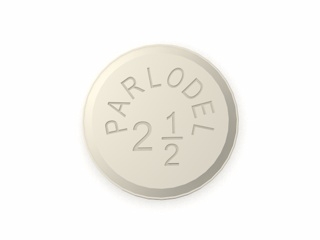


Parlodel (Bromocriptine) – Patient Information (UK)
Parlodel is a medicine containing bromocriptine. It belongs to a group of drugs called dopamine agonists. Bromocriptine has been used for decades to treat hormone-related conditions and certain symptoms related to abnormal hormone production.
This page explains how Parlodel works, how it’s typically used, key safety information, food and alcohol considerations, and practical tips to help you use your medicine more confidently.
Basic product information
- Active ingredient: Bromocriptine
- Brand name: Parlodel
- Medicinal class: Dopamine agonist
- Common dosage forms: Tablets (strengths may vary by product and market)
- Therapeutic areas: Endocrinology (prolactin-related conditions), and other indications as advised by your clinician
- UK availability: Typically supplied via authorised pharmacies; availability may vary by strength and formulation
How Parlodel works (mechanism of action)
Bromocriptine activates dopamine receptors in the brain. In particular, it acts on D2 receptors (and other dopamine receptor subtypes). Dopamine normally helps regulate the hormone prolactin, which is produced by the pituitary gland.
Key effect:
- Reduces prolactin levels by decreasing prolactin release from the pituitary.
- Can also affect other hormone signals that depend on dopamine balance.
Depending on the reason you are taking Parlodel, it may help:
- Reduce excessively high prolactin (hyperprolactinaemia).
- Improve symptoms linked to raised prolactin (for example, irregular periods or fertility issues).
- Control certain complications associated with prolactin-secreting tumours (pituitary adenomas), where appropriate.
Pharmacokinetics (how the body handles bromocriptine)
Pharmacokinetics describes what happens to a medicine after you swallow it.
| Topic | What typically happens |
|---|---|
| Absorption | Bromocriptine is absorbed from the gastrointestinal tract. Absorption may be influenced by food. |
| Distribution | It distributes into tissues and can cross into the central nervous system due to its activity on brain dopamine pathways. |
| Metabolism | It is extensively metabolised, mainly by liver enzymes (notably CYP3A4). |
| Elimination | Metabolites are cleared primarily via the liver and bile; excretion may occur through faeces and urine. |
| Onset and duration | Some effects can start after the first doses, but hormone levels and symptom changes may take days to weeks (and tumour-related responses may take longer). |
Typical uses in the UK
Parlodel is used for conditions where controlling prolactin or related dopamine signalling is beneficial. Typical indications (as used in clinical practice) may include:
- Hyperprolactinaemia (raised prolactin), including when it causes symptoms.
- Prolactin-secreting pituitary adenomas (prolactinoma), to reduce prolactin and help shrink tumour size, where appropriate.
- Galactorrhoea (breast milk discharge when not breastfeeding), when linked to high prolactin.
- Selected fertility-related conditions related to prolactin imbalance (as advised by a specialist).
- Suppression of milk production in certain situations, depending on clinical judgement and local guidance.
- Other dopamine-responsive conditions as directed by healthcare professionals (use varies by patient and local protocols).
Important: Indications can depend on your individual diagnosis and medical history. Always follow the instructions provided with your medicine and any guidance from your healthcare team.
Timing and how to take Parlodel
How you take bromocriptine can influence how well you tolerate it and how consistently it works.
General timing
- Follow your dosing schedule exactly (for example, once daily or divided doses if prescribed).
- If you miss a dose, do not double the next dose unless your clinician advises this.
- Your prescriber may increase the dose gradually to reduce side effects.
Take with food or not?
Many people are advised to take bromocriptine with food or after food to help reduce stomach upset (such as nausea). However, the most suitable approach can vary by your specific condition and tolerance.
Practical tip: If you feel nauseous after taking Parlodel, taking it with a meal (unless you were specifically told otherwise) may help. If nausea persists, speak to a healthcare professional.
Food interactions
Food may affect absorption. In general:
- Taking with food may reduce gastrointestinal side effects for some people.
- Some medicines absorb differently depending on meals, so consistent timing (for example, always with food) may help you achieve steadier effects.
What to do:
- Try to take your dose in a consistent way each day (for example, always with breakfast or always with an evening meal).
- If you make major changes to meal timing, monitor how you feel and check in if symptoms change.
Alcohol and medicine interactions
Bromocriptine can affect the nervous system and may cause side effects such as dizziness, drowsiness, or a drop in blood pressure. Alcohol can increase these effects.
Alcohol
- It is generally advisable to limit or avoid alcohol while you’re adjusting to Parlodel.
- Alcohol may worsen dizziness, sleepiness, and low blood pressure.
Other medicines that may interact
Bromocriptine is metabolised by liver enzymes, so drugs that affect those enzymes may change bromocriptine levels.
Possible interaction examples include:
- Medicines that affect CYP3A4 (some antifungals, some antibiotics such as macrolides, and other medicines may inhibit or induce metabolism).
- Antiemetics (nausea medicines) and medicines affecting dopamine pathways.
- Antipsychotics or medicines that block dopamine receptors may reduce bromocriptine’s effect.
- Blood-pressure-lowering medicines—because bromocriptine can sometimes lower blood pressure.
- Medicines that cause sedation—because bromocriptine may also cause drowsiness in some people.
Always check: If you start, stop, or change any other medicine, including herbal products, let your pharmacist or clinician know. This is especially important if you take medicines for mental health, infections, or migraines.
Indications and when Parlodel is considered
Parlodel is generally considered when symptoms are driven by dopamine-sensitive pathways and/or elevated prolactin levels. Your clinician may choose bromocriptine if:
- Prolactin levels are high and symptoms (such as reproductive or breast-related symptoms) are present.
- There is a prolactin-secreting pituitary tumour, and treatment aims include lowering prolactin and relieving symptoms.
- In select cases, milk production suppression is needed under controlled medical circumstances.
Choice of treatment may vary depending on the exact diagnosis and your medical history.
Dosing (general guidance)
Because dosing depends strongly on your diagnosis and tolerance, only a healthcare professional can provide personalised dosing instructions. Below is general guidance on typical approaches.
Starting and titration
- Bromocriptine is often started at a low dose and increased gradually.
- This can help minimise side effects like nausea, dizziness, or low blood pressure.
How the schedule may look
- Once daily dosing may be used for some indications.
- Divided doses across the day may be used in others to improve tolerability.
Missed dose
- If you miss a dose, take it when you remember unless it’s close to the next scheduled dose.
- Do not take a double dose to make up for the missed one.
Monitoring
Many patients need follow-up blood tests, and sometimes scans, depending on the underlying condition. Prolactin levels are commonly checked to gauge response.
Safety profile: side effects and precautions
Like all medicines, Parlodel can cause side effects. Not everyone gets them. Side effects are often dose-related and may improve as your body adapts, especially if doses are increased gradually.
Common side effects
- Nausea or stomach upset
- Dizziness
- Headache
- Fatigue or sleepiness
- Low blood pressure (especially when standing up)
- Vomiting (less common)
- Constipation or other mild gastrointestinal effects
Serious or urgent symptoms – seek medical help promptly
Contact urgent medical services or a healthcare professional promptly if you experience:
- Severe chest pain, sudden breathlessness, or fainting
- Severe or persistent headache, vision changes, or neurological symptoms
- Signs of an allergic reaction (swelling of face/lips, rash, difficulty breathing)
- Confusion or severe mental changes
- Uncontrolled movements or severe agitation
Important precautions
- Blood pressure changes: Bromocriptine can sometimes lower blood pressure. Rise slowly from sitting or lying positions, especially when starting or increasing the dose.
- Drowsiness and alertness: Avoid driving or operating machinery if you feel dizzy or unusually sleepy.
- Impulse control changes: Dopamine agonists have been associated with impulse control disorders (for example, compulsive gambling, increased libido, or binge eating). If you notice unusual urges or behaviours, seek medical advice.
- Behavioural and mood changes: Tell your clinician if you experience hallucinations, severe mood changes, or unusual behaviour.
Discontinuation and withdrawal considerations
Do not stop bromocriptine suddenly without medical advice. If treatment needs to be stopped, a clinician will advise an appropriate plan.
Practical use tips
- Start low and go slow: If your prescriber increases the dose gradually, follow that schedule to improve tolerability.
- Take with food if nausea occurs: Consider taking with meals to reduce stomach upset (unless you’ve been told otherwise).
- Check how you feel when standing: If dizziness occurs, stand up slowly and sit down if you feel faint.
- Keep follow-up appointments: Prolactin-related conditions often need monitoring to ensure the medicine is working safely.
- Avoid sudden alcohol changes: Keep alcohol minimal while you’re adjusting.
- Keep a simple diary: If you’re treating prolactin-related symptoms, note menstrual changes, headaches, vision symptoms, and side effects to discuss at review.
Alternative options
Depending on your diagnosis, other treatments may be available. Your clinician may consider:
- Other dopamine agonists (for example, cabergoline is commonly used for prolactin-related conditions in many settings).
- Surgery for selected pituitary tumour cases where appropriate.
- Radiotherapy in certain tumour scenarios.
- Watchful monitoring in carefully selected situations, especially for small or stable prolactin changes.
How to choose: Choice depends on your condition, how you respond, side effects, and any other medical factors. If you’re switching medicines, discuss the plan with your clinician—do not switch on your own.
UK market and legal context
In the United Kingdom, medicines like Parlodel/bromocriptine are regulated under the medicines framework administered by UK authorities. Marketing authorisation and product availability depend on the relevant licence and supply arrangements.
Patients should ensure medicines are obtained from reputable, authorised sources. This helps protect product quality and safety. If you have questions about a specific brand, strength, or supply route, your pharmacist can advise.
Recent guidance and clinical practice (UK-relevant)
Clinical management of prolactin-related conditions can evolve as evidence and safety considerations develop. In the UK, practitioners typically base decisions on current endocrine guidance, product characteristics, and specialist experience.
Key themes in recent clinical practice include:
- Individualised dosing and monitoring of prolactin and symptoms.
- Careful management of tolerability (e.g., nausea and blood pressure changes), particularly during initiation and dose increases.
- Attention to dopamine agonist safety issues, including monitoring for behavioural/impulse control changes.
- Regular follow-up for patients with pituitary tumours, potentially including imaging and blood tests as indicated.
Tip: If you’re concerned about a change in symptoms or side effects, speak to your healthcare team promptly. They may adjust dose timing, dose level, or consider alternative treatments.
Delivery and availability (online pharmacy considerations)
Online pharmacies in the UK typically supply medicines through established logistics routes. Availability can depend on:
- Strength and tablet quantity
- Local stock levels
- Manufacturer supply schedules
When ordering, check:
- The exact product name and strength
- quantity and whether it matches your dosing plan
- delivery times shown at checkout
- packaging or cold-chain requirements (bromocriptine tablets typically do not require cold storage, but always follow the label instructions)
If you experience delays or cannot obtain the exact product, contact the pharmacy for options such as equivalent strength formulations, depending on regulatory and clinical suitability.
FAQ – Parlodel (Bromocriptine)
1. What is Parlodel used for?
Parlodel (bromocriptine) is used to treat conditions related to high prolactin levels and related symptoms. It may also be used in selected cases where dopamine-sensitive hormone control is required, as advised by a healthcare professional.
2. How quickly does it work?
Some effects may be noticed within days, but prolactin-related changes and symptom improvements can take longer—often weeks. Your clinician may monitor prolactin levels and symptoms over time.
3. Should I take it with food?
Many people find it easier on the stomach if taken with food. However, the best approach depends on your individual situation. Follow the instructions provided with your medicine.
4. Can I drink alcohol while taking Parlodel?
Alcohol can worsen dizziness, drowsiness, and low blood pressure. It’s often best to limit alcohol or avoid it, especially when you’re starting bromocriptine or adjusting the dose.
5. What side effects are most common?
Nausea, dizziness, headache, fatigue, and blood pressure changes are among the more commonly reported effects. If side effects are severe or persistent, contact a healthcare professional.
6. What should I do if I feel dizzy after taking it?
Sit or lie down, stand up slowly, and avoid driving or operating machinery if you feel unsteady. If dizziness is frequent or severe, speak to your clinician—they may adjust the dose or timing.
7. Are there medicine interactions?
Yes. Bromocriptine can interact with medicines that affect liver enzymes (like certain antibiotics and antifungals) and medicines that influence dopamine pathways. Tell your pharmacist about all medicines and supplements you take.
8. What if I miss a dose?
If you miss a dose, take it when you remember unless it’s close to your next dose. Do not take a double dose. If you’re unsure, ask your pharmacist.
9. Can I stop Parlodel suddenly?
Do not stop suddenly unless advised by your healthcare professional. If discontinuation is required, a plan should be discussed with a clinician.
10. Is Parlodel suitable for everyone?
No. Suitability depends on your diagnosis, medical history, and other medicines. Your healthcare professional will assess benefits versus risks and consider any relevant contraindications and precautions.
Important safety note: This information is intended to support understanding of Parlodel and is not a substitute for individual medical advice. If you have concerns about side effects, interactions, or your dosing schedule, speak to a pharmacist or other qualified healthcare professional.