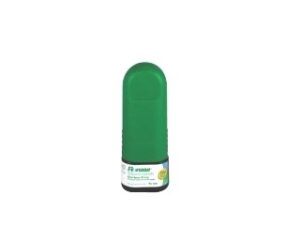
Rhinocort (Budesonide) Nasal Spray – Patient Guide (UK)
Rhinocort is a brand of budesonide, a corticosteroid medicine used in the treatment of nasal inflammation. It is commonly used for hay fever (allergic rhinitis) and other conditions that cause a blocked, runny or itchy nose. This guide explains how Rhinocort works, how to use it safely and effectively, what to expect, and important UK-focused information.
1. Basic product information
| Feature | What to know |
|---|---|
| Medicine | Budesonide |
| Brand | Rhinocort |
| Form | Nasal spray |
| Uses | Reduces inflammation in the nose caused by allergies and other rhinitis conditions |
| Common benefits | Helps congestion, sneezing, runny nose, itching and nasal irritation |
| How it’s taken | Sprayed into each nostril |
Rhinocort works locally in the nose to reduce swelling and irritation. Like other inhaled or nasal steroids, its effect is mainly anti-inflammatory, meaning it works best when used regularly for the course of symptoms.
2. How Rhinocort works (mechanism of action)
Budesonide is a corticosteroid. It helps control symptoms by reducing inflammation within the nasal lining. In allergic rhinitis, the immune response releases inflammatory substances that cause swelling, excess mucus and irritation. Rhinocort helps reduce these processes by:
- Decreasing inflammatory signalling in nasal tissues
- Reducing swelling (congestion) and mucus production
- Alleviating sneezing, itching and runny nose over time
Unlike decongestant sprays that mainly provide short-term narrowing of blood vessels, Rhinocort targets the underlying inflammation. This is why it may take a little longer to start working, but it is effective for longer-term control.
3. Pharmacokinetics (how the body handles budesonide)
After using a nasal steroid, most of the medicine stays in the nose and exerts its effect locally. A smaller portion may be swallowed and absorbed through the gut.
- Local action: Budesonide acts on the nasal mucosa where inflammation is present.
- Absorption: Some amount can be swallowed and absorbed from the digestive tract.
- Metabolism: Budesonide is metabolised mainly in the liver, producing metabolites with less clinically significant steroid activity.
- Elimination: Metabolites are eliminated from the body largely via the kidneys.
Because budesonide is processed by the body and has low systemic activity compared with some other steroids, it is generally well tolerated when used as directed.
4. Typical uses and indications in the UK
Rhinocort is used for conditions where steroid treatment can reduce nasal inflammation. In the UK, it is widely used for:
- Allergic rhinitis (hay fever): symptoms such as sneezing, itching, runny nose and blocked nose.
- Non-allergic rhinitis (where appropriate): persistent nasal symptoms caused by non-allergic triggers.
- Symptoms linked to nasal inflammation: whenever a clinician advises a nasal corticosteroid.
If your symptoms are severe, persistent, or accompanied by unusual signs (for example, nosebleeds that do not settle, facial pain, or fever), you should seek medical advice.
5. When and how quickly Rhinocort works (timing)
Timing matters with nasal steroids. Many people notice improvement within the first day, but full benefit often takes longer because inflammation needs time to settle.
- Onset: Some symptom relief may begin within 24 hours for certain symptoms.
- Full effect: It may take several days up to 1–2 weeks for maximum benefit, depending on the individual and the cause of inflammation.
- Best approach: Use consistently and continue through the period of exposure (for example, during pollen season) as advised.
If you stop using Rhinocort as soon as symptoms start to improve, inflammation may return and symptoms may come back.
6. Dosing – general guidance for adults and children
The correct dose depends on the product strength and the age of the person using it, as well as the condition being treated. Always follow the instructions in the package leaflet supplied with your Rhinocort product, or those given by a healthcare professional. Below is general UK-oriented information to help you understand how dosing commonly works.
Adults and older children
- Typical starting doses are often once daily, with some people needing split dosing (morning and evening) depending on symptom control and product strength.
- Maintenance may involve adjusting to the lowest effective dose once symptoms are controlled.
Children
- Dosing for children varies by age and the product formulation.
- Use only the dose recommended for your child’s age, and seek advice if symptoms do not improve.
Important: Do not increase the dose above the recommended amount to “get faster results”. Overuse increases the risk of side effects, such as nasal irritation and nosebleeds.
7. Practical tips for using Rhinocort correctly
Correct technique makes a big difference for effectiveness and comfort. Follow these steps each time you use Rhinocort:
- Gently blow your nose if possible to clear mucus.
- Shake the bottle if your product requires it (check your leaflet).
- Prime the pump if the bottle is new or has not been used for a while (typically done by spraying into the air until a fine mist appears). This is usually described in the leaflet.
- Insert the nozzle into one nostril while keeping your head slightly upright.
- Direct the spray slightly outwards (towards the outer side of the nostril), not straight up or towards the septum.
- Inhale gently through the nose as you spray.
- Repeat in the other nostril if your prescribed dose requires it.
- Wipe the nozzle carefully and replace the cap.
Common technique mistakes
- Spraying too far inwards or towards the septum can increase irritation.
- Using an empty or very blocked nose may reduce how well the medicine reaches the nasal lining.
- Skipping daily doses may delay improvement.
What if you miss a dose?
If you forget a dose, take it when you remember unless it is close to the next scheduled dose. In general, do not double up to make up for a missed dose—follow the package leaflet guidance for your specific product.
8. Food interactions
Nasal sprays such as Rhinocort mainly act in the nose, and food interactions are not typically a major concern. However, as part of the spray may be swallowed and absorbed, it is still good practice to follow your normal diet.
- Typical expectation: No specific foods are known to significantly reduce effectiveness.
- General caution: If you notice symptoms getting worse around the time you eat certain foods, this could be related to triggers for rhinitis rather than a direct drug–food interaction.
Always check the leaflet for any product-specific advice. If you are managing multiple medicines or have liver disease, speak to a pharmacist for personalised guidance.
9. Alcohol and medicine interactions
Rhinocort has a local effect in the nose, but budesonide can be absorbed in small amounts. In most cases, moderate alcohol consumption does not cause clinically significant interaction with nasal budesonide.
That said, interactions can depend on other medicines you take. Consider the following:
- Other corticosteroids: If you use steroid tablets, injections or additional steroid inhalers, total steroid exposure may increase. This may affect side-effect risk.
- Liver metabolism: Budesonide is metabolised in the liver. Medicines that strongly affect liver enzymes may alter budesonide levels.
- Anti-fungal medicines (azoles) and some antibiotics: These can, in some cases, increase steroid levels. If you are taking such medicines, ask a pharmacist for advice.
- Immunosuppressive treatments: If you are on treatments that reduce immunity, you should be cautious with steroid use and follow medical guidance.
Practical alcohol guidance
- If you feel well, you can generally continue moderate alcohol intake while using Rhinocort as directed.
- If you experience unusual side effects, worsening nasal symptoms, or signs of infection, stop alcohol and seek advice.
10. Safety profile and side effects
Rhinocort is generally well tolerated when used correctly. Because it is a steroid, it is important to use the lowest effective dose and to follow the leaflet guidance.
Common side effects
- Nasal irritation, dryness or a burning sensation
- Headache
- Dry nose or crusting
- Nosebleeds (epistaxis), especially if you spray too forcefully or the nose is very dry
Less common but important concerns
- Throat irritation if some spray drips backwards
- Unusual infections in the nose or mouth (for example, fungal infections), more likely if immune systems are affected or if steroid doses are high
- Vision changes are generally not expected with typical nasal use, but report any eye problems to a clinician promptly.
When to get medical help
Seek urgent advice if you develop signs of an allergic reaction (such as swelling of the face/lips, severe rash, or breathing difficulty), or if you have severe or persistent nosebleeds.
Long-term use
For people with seasonal or persistent rhinitis, nasal corticosteroids may be used over longer periods under guidance. If you require continuous treatment, review your symptoms with a pharmacist or clinician to ensure correct dosing and technique.
11. Special warnings and precautions
- Recent nose surgery or injury: Ask advice before using a nasal steroid if you have recently had nasal surgery or have an injury, because healing may be affected.
- Nosebleeds: If nosebleeds occur, ensure correct technique and consider a review of use. Persistent nosebleeds should be assessed.
- Children: Monitor for growth concerns when used long-term, as with other corticosteroid medicines. Use only age-appropriate dosing and follow professional guidance.
- Eye conditions: If you have a history of glaucoma or cataracts, discuss with a clinician if prolonged treatment is needed.
- Tolerance and dependence: Rhinocort is not a decongestant and does not typically cause rebound congestion in the way some short-term sprays can. Still, follow guidance and avoid stopping abruptly if symptoms are severe.
12. Alternative options for rhinitis (what else you can consider)
Treatment depends on the cause of your symptoms (allergic vs non-allergic), your severity, and your preferences. Here are common alternatives:
Other nasal treatments
- Other nasal corticosteroids: similar class medicines may be used if Rhinocort is not suitable or if different dosing is preferred.
- Saline rinses or sprays: can help rinse allergens and mucus, improving comfort (may be used alongside nasal steroids).
Oral treatments
- Antihistamines (tablets or syrups): helpful for sneezing and itching, particularly in allergic rhinitis.
- Combination therapy: some people benefit from combining antihistamines with a nasal steroid during peak seasons.
Non-medicine options
- Allergen avoidance strategies (where possible), such as keeping windows closed during high pollen periods.
- Regular home cleaning and reducing exposure to dust mites if relevant.
- Showering and changing clothing after outdoor exposure to pollen.
A pharmacist can help you choose the most suitable option based on your symptoms and history.
13. Market and legal context in the UK (availability and usage)
In the UK, access to medicines can vary depending on whether a product is classified as over-the-counter (OTC) or requires consultation through prescribing routes. Availability may also differ by age and indication.
- Online pharmacies may supply appropriate medicines based on local supply arrangements, eligibility checks, and product classification.
- Label and leaflet instructions should be followed closely, as dose and suitability can vary by product strength.
- Safety screening: reputable services usually ask about key health factors (e.g., pregnancy, medical conditions, other medicines) before supply.
UK guidance on allergic rhinitis often recommends intranasal corticosteroids as a main option for persistent symptoms, especially when congestion is a prominent feature.
14. Recent UK clinical guidance (what care teams commonly focus on)
Across UK allergy and primary care practice, recent emphasis has been on:
- Early control of inflammation with intranasal corticosteroids for persistent allergic rhinitis.
- Correct technique and adherence to daily use to achieve the best outcomes.
- Stepwise treatment: matching treatment intensity to symptom severity, then using the lowest effective dose.
- Review and reassessment if symptoms do not improve, including checking for alternative diagnoses (e.g., chronic sinusitis, nasal polyps, medication overuse, infection).
If your symptoms are not controlled after appropriate use, do not keep increasing doses. Instead, arrange a review with a pharmacist or clinician.
15. Delivery and availability from UK online pharmacies
Availability and delivery options can vary by provider, but most UK online pharmacies offer:
- Home delivery with tracking (where available)
- Standard and express options depending on location
- Secure packaging to protect nasal spray bottles
- Clear product details (strength, pack size, leaflet information) before dispatch
Check the product page for delivery estimates and to confirm any eligibility checks that may apply to your order. Store Rhinocort as directed on the carton (often at room temperature, protected from direct sunlight and heat).
16. Storage and handling
- Keep the bottle upright and tightly closed.
- Store away from heat and direct sunlight.
- Keep out of sight and reach of children.
- If the nozzle becomes blocked, follow leaflet instructions for cleaning rather than using sharp objects.
17. FAQ – Common questions about Rhinocort
How long does it take Rhinocort to work?
Some people notice improvement within 24 hours, but full symptom control often takes several days up to 1–2 weeks. Use it regularly for best results.
Can I use Rhinocort every day?
It is commonly used daily for symptom control, especially during allergy seasons or persistent rhinitis. Use the dose stated in the leaflet and talk to a pharmacist if you need long-term use.