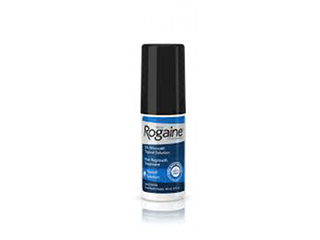

Rogaine (Minoxidil) Hair Regrowth Solution – Patient-Friendly Guide (UK)
Rogaine is a brand of minoxidil, a topical medicine used to support hair regrowth and slow further hair loss in appropriate people. This page explains how it works, how to use it, what to expect, safety information, and practical tips for getting the best results.
In the United Kingdom (UK), Rogaine is available as over-the-counter (OTC) products in various strengths (commonly 2% and 5%). Availability and pack formats may vary by supplier and region.
Basic Product Information
| Feature | What it means for you |
|---|---|
| Active ingredient | Minoxidil (topical solution/foam depending on product) |
| Typical indications | Androgenetic alopecia (pattern hair loss) in men and women, when suitable |
| Main benefit | Helps to stimulate hair growth and improve hair thickness over time |
| Time to see results | Usually 3–6 months for noticeable changes; may take longer |
| How to use | Applied to the scalp where thinning occurs |
| Strengths commonly sold | 2% or 5% minoxidil products (follow the specific label instructions) |
What Rogaine is Used For (Indications)
Rogaine is used to treat hair loss due to androgenetic alopecia, also called pattern hair loss. This is the most common type of hair thinning and is often gradual.
It may be considered for:
- Men with gradual thinning at the crown and/or hairline (commonly referred to as androgen-related pattern loss).
- Women with gradual thinning over the scalp (typically less about hairline recession and more about diffuse thinning).
Rogaine is generally not intended for sudden hair loss caused by other conditions (for example, severe scalp irritation, ringworm, traction alopecia from tight hairstyles, or hair loss due to major illness). If you have sudden shedding, patches, burning, scaling, or pain on the scalp, it’s important to seek medical advice.
How It Works: Mechanism of Action
Minoxidil is a hair growth stimulant applied directly to the scalp. The exact mechanism in the scalp is not fully understood, but several effects are thought to contribute:
- Prolonging the growth phase of the hair follicle (moving hairs from the resting phase toward active growth).
- Increasing follicle blood supply locally (minoxidil is believed to influence blood flow in the area).
- Increasing follicle size in thinning areas, which can improve hair thickness.
- Reducing miniaturisation over time in androgenetic alopecia (where follicles become smaller and produce thinner hair).
Rogaine does not permanently reverse pattern hair loss in everyone, but it can help maintain or improve hair density while you continue treatment.
Pharmacokinetics (Absorption and Body Handling)
When applied to the scalp, minoxidil is absorbed in variable amounts through the skin. Most of the medicine remains local to the scalp, and overall systemic absorption is generally considered limited for most people using it as directed.
Absorption
Absorption can increase if:
- The scalp is irritated or inflamed.
- There are broken/ulcerated skin areas.
- More than the recommended dose is used.
- Application frequency is higher than advised.
Distribution
After absorption, minoxidil may circulate systemically. The body processes minoxidil and its metabolites.
Metabolism and elimination
Minoxidil is metabolised in the body and then eliminated, mainly through renal pathways (via the kidneys). The exact timing varies by individual factors such as metabolism and overall health.
If you have kidney disease, heart conditions, or you take medicines that affect blood pressure, it’s especially important to follow the product instructions carefully and consider asking a pharmacist for advice.
Typical Use and What to Expect
Who can benefit?
Rogaine can be suitable for people experiencing gradual, pattern-type hair thinning. Results are typically better when treatment begins early and is used consistently.
How long before you see results?
Hair growth cycles are slow. With consistent use, many users notice:
- 3–6 months: initial thickening or reduced shedding may be noticed.
- 6–12 months: fuller assessment of response.
- Beyond 12 months: further improvement in some people.
You should continue to use the product as directed to maintain results. If you stop, any improvements often gradually fade over time as the hair cycle returns to its previous pattern.
“Shedding” at the start (initial hair fall)
Some people experience increased shedding during the first few weeks. This can be part of the normal adjustment as older hairs shed and new hairs begin to grow. If shedding becomes severe, painful, or associated with scalp irritation, stop use and seek advice.
How to Use Rogaine: Timing and Technique
Choose the right product
Rogaine products differ in strength and instructions (for example, 2% vs 5%, solution vs foam). Always follow the specific directions on your pack and use the correct measurement device if supplied.
Typical timing
Many Rogaine regimens are designed for once or twice daily use depending on strength and product format. Common patterns include:
- Once daily schedules (for certain 5% products, where applicable).
- Twice daily schedules (for many 2% regimens and some formulations).
If your pack specifies once daily or twice daily, stick to that dosing schedule.
Practical application steps
- Ensure your scalp is dry before applying (unless your product instructions say otherwise).
- Apply the measured amount to the thinning areas. Use your fingers or the applicator tip to spread it gently so it contacts the scalp.
- Wash your hands after use. Avoid touching your eyes or face.
- Let it dry before styling, going to bed, or applying other scalp products.
- If using other hair products (shampoo, conditioner, sprays, gels), check timing guidance so they do not reduce application effectiveness or worsen irritation.
Consistency is key
Missing doses occasionally is unlikely to have a dramatic impact, but consistent use improves your chance of seeing results. Set reminders if you’re using it twice daily.
Food Interactions
Because Rogaine is applied to the scalp, it has no direct food interaction in the usual sense (unlike medicines taken by mouth). There is generally no need to take it with or without food.
The main considerations are whether you also take other medicines and whether you have medical conditions. Always follow the packaging instructions and any professional advice you receive.
Alcohol and Medicine Interactions
Alcohol (including in the product)
Some Rogaine solutions contain ingredients including alcohol as a solvent. This can cause:
- Scalp dryness or irritation in sensitive users.
- Stinging if the scalp is broken or inflamed.
If you notice irritation, consider switching to a different formulation (for example, foam) if available and appropriate for your skin sensitivity.
Other medicines
Minoxidil’s systemic absorption is usually limited when used correctly on the scalp. However, interactions may be relevant, particularly if you take medicines that affect blood pressure or circulation.
Consider extra caution (and ask a pharmacist if unsure) if you use:
- Medicines for high blood pressure (antihypertensives), because minoxidil can potentially influence circulation and blood pressure.
- Other blood pressure-affecting agents.
- Medicines that may cause orthostatic hypotension (dizziness on standing), since symptoms could be additive.
Signs of too much absorption or sensitivity
Seek urgent medical advice if you develop symptoms such as:
- Chest pain
- Fainting or severe dizziness
- Rapid or irregular heartbeat
- Unexplained swelling of hands/feet
- Severe allergic reactions (e.g., facial swelling, wheezing, widespread rash)
If you experience mild scalp irritation, this is more common and may often be managed by adjusting the application technique, using less irritation-prone products, or pausing temporarily—however, persistent or severe symptoms should be assessed.
Dosing: How Much to Apply
The dose depends on the exact Rogaine product strength and formulation you purchase. Always follow the label and leaflet included with the pack.
General dosing principles
- Do not exceed the recommended amount. Using more does not usually speed up results and may increase the risk of systemic side effects and scalp irritation.
- Apply to the scalp, not to hair strands, unless the product instructions say otherwise.
- Use the correct schedule (once daily or twice daily depending on product).
Example dosing patterns you may see (not a substitute for the pack)
Many users follow one of the following patterns depending on formulation:
- 2% minoxidil: commonly applied twice daily.
- 5% minoxidil: commonly applied once daily for some products, or twice daily for others.
Because products differ, please refer to your Rogaine pack for the exact number of applications and the specific volume per dose (solution) or measured foam amount.
If you miss a dose
Apply it when you remember unless it is close to the next scheduled application. In general, do not double up to make up for a missed dose.
Safety Profile: Common and Serious Side Effects
Most common side effects (usually scalp-related)
- Scalp irritation, dryness, itching, flaking
- Redness or mild burning/stinging at the application site
- Headache
- Sometimes mild swelling or rash where applied
These are often dose-related and may improve with continued use or by using a different formulation. Persistent irritation may require stopping and getting professional advice.
Possible systemic effects (less common)
If systemic absorption increases (e.g., larger-than-recommended doses, broken skin, or sensitivity), you may experience effects related to blood pressure or circulation.
- Dizziness
- Fast heartbeat or palpitations
- Low blood pressure symptoms, especially when standing
- Fluid retention (swelling), in rare cases
Seek urgent help
Contact urgent care or emergency services if you have symptoms of serious allergy or significant heart-related side effects, such as:
- Fainting, severe chest pain
- Breathing difficulty or wheezing
- Face/lip/tongue swelling
- Severe widespread rash
Who should be extra cautious?
Speak to a pharmacist or clinician before using Rogaine if you have:
- Heart disease or a history of rhythm problems
- Low blood pressure or frequent dizziness
- Kidney disease
- Scalp conditions such as dermatitis or infection
- Other medical conditions where topical absorption could be a concern
Also avoid applying to areas other than the scalp (such as eyebrows or other skin) unless explicitly instructed by the product guidance.
Practical Use Tips for Best Results
Apply to the right area
Concentrate on areas with thinning rather than soaking the entire scalp. Over-application can irritate skin and may increase systemic exposure without improving outcomes.
Dry scalp before applying
For many formulations, apply to a dry scalp. If you shower, let the hair/scalp dry fully before application.
Avoid rubbing into hair
Try to ensure the product contacts the scalp directly. Rubbing into hair may reduce how much reaches the follicle area.
Let it dry before styling
After applying, allow it to dry so it can absorb and not transfer to pillows, clothing, or face. If transfer occurs, it may irritate facial skin and could cause unintended hair growth on the face.
Be patient
Hair regrowth takes time. Don’t judge results based on the first few weeks alone. A reasonable trial of several months is usually needed before deciding whether it is working for you.
Maintain expectations
- Results are often more noticeable as thicker hair and reduced shedding rather than instantly restoring a full head of hair.
- Stopping usually leads to gradual loss of the benefit.
Scalp care
Use a gentle shampoo and avoid harsh treatments that inflame your scalp. If you experience persistent irritation, consider switching to a foam formulation (where available) or temporarily pausing under advice.
Alternative Options
Depending on the type and cause of hair loss, other options may be available. Alternatives can include:
Other minoxidil products
- Different brand forms or strengths (e.g., foam vs solution, 2% vs 5%).
- Products with the same active ingredient but different formulation bases.
Non-medicinal supportive options
- Gentle scalp care to reduce inflammation
- Hairstyling changes to minimise traction and breakage
- Hair styling solutions that improve appearance while treatment works
Other medical hair loss treatments
Some people explore other medicines or procedures for androgenetic alopecia. Options differ by suitability and risk, and the best choice depends on your pattern of hair loss, medical history, and preferences.
A pharmacist can discuss general categories of treatments and what to consider, while a clinician can offer personalised assessment.
Market and Legal Context in the UK (OTC Availability)
In the UK, minoxidil topical products such as Rogaine are widely supplied as consumer medicines. Pharmacy and retailer access may differ by region and supplier, but OTC availability generally allows purchase without a clinician’s prescription.
Product labelling and instructions are important because:
- strengths and dosing schedules may vary by product pack
- vehicle ingredients can affect skin sensitivity
- local regulations require clear patient information
Always read the patient information leaflet (PIL) included with your pack, especially regarding contraindications, warnings, and how to use the exact formulation you bought.
Recent Guidance and Practical Considerations
Guidance for pattern hair loss commonly emphasises:
- Starting early for better chance of response
- Using therapy consistently for an adequate trial period (often at least several months)
- Managing scalp irritation promptly rather than persisting with worsening symptoms
- Reviewing benefits and side effects after a suitable time
- Stopping and seeking advice if serious side effects occur
While recommendations can evolve, the central principles for topical minoxidil remain consistent: correct application, appropriate product selection, and safe use.
Delivery and Availability (UK)
Rogaine/minoxidil products are commonly available from UK pharmacies and online retailers. Delivery times vary by supplier, location, and courier.
When ordering online, check:
- product strength (2% vs 5%) and formulation (solution vs foam)
- expiry date on the outer packaging
- delivery options and estimated dispatch times
- shipping restrictions, if any, for your address
If you need help choosing the right strength or formulation based on your hair loss pattern and scalp sensitivity, a pharmacist can advise on safe selection and correct use.
FAQ: Rogaine (Minoxidil) for Hair Regrowth
1) How long does it take to work?
Most people need at least 3–6 months to notice changes, and 6–12 months for a fuller assessment. Hair growth cycles are slow, so consistency matters.
2) Will I see results immediately?
Usually not. Hair growth is gradual. Early shedding can occur in some people, followed by improvement later.
3) Is Rogaine only for men?
No. Minoxidil topical products are used by both men and women with appropriate pattern hair loss. Your pack instructions will specify how to use it for your intended use.
4) Can I use Rogaine with shampoo or conditioner?
Yes, but avoid applying other products right at the same time as minoxidil unless your pack recommends otherwise. Typically, apply to a dry scalp and allow it to dry before styling or using other products.
5) Can I use it if my scalp is irritated?
Avoid using it on broken skin or severely inflamed areas. Mild scalp dryness may occur; if irritation is significant, stop and seek advice from a pharmacist.
6) What should I do if I miss a dose?
Apply the next dose at the usual time. Do not double up.
7) Will I lose the hair if I stop?
Often, the benefits gradually fade after stopping, as the underlying hair cycle changes again. Many people maintain results by continuing treatment long-term.
8) Can I apply it to my beard or eyebrows?
Rogaine is intended for scalp hair loss. Use on other body areas is not necessarily recommended and may lead to unwanted hair growth elsewhere or more irritation. Follow product instructions and seek advice if you’re considering off-label use.
9) Are there any food interactions?
No direct food interactions are expected because it is applied topically. However, interactions with other medicines (especially those affecting blood pressure) can be relevant depending on your health situation.
10) Is it safe with alcohol?
Minoxidil solutions may contain alcohol as an ingredient, which can dry or irritate the scalp. There is usually no interaction between topical minoxidil and drinking alcohol, but if you feel dizzy or unwell after starting treatment, seek advice.
11) What if I get chest pain, dizziness, or palpitations?
Stop using Rogaine and seek urgent medical help. These symptoms may indicate a serious adverse effect, though they are uncommon.
12) Is it suitable for everyone?
Not necessarily. People with certain heart conditions, low blood pressure, kidney problems, or significant scalp disease should check with a healthcare professional or pharmacist before starting.
Key Takeaways
- Rogaine (minoxidil) is a topical treatment for pattern hair loss (androgenetic alopecia).
- It works by supporting the hair follicle’s growth cycle and can improve thickness over time.
- Results typically take 3–6 months and may continue improving up to 12 months or more.
- Apply consistently using the correct dose and schedule for your specific pack.
- Watch for scalp irritation and rare systemic symptoms; stop and seek advice for serious effects.
- Benefits often fade if you stop, so treatment planning is important.
This information is designed to help you use Rogaine safely and effectively. For personal advice based on your medical history or if you’re unsure whether your hair loss type is suitable for treatment, speak to a qualified healthcare professional or pharmacist.