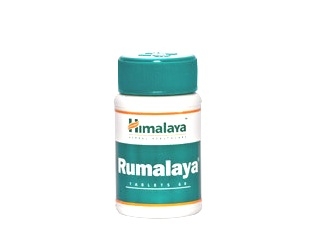
Rumalaya (for Adults) — Patient-Friendly Guide
Rumalaya is a well-known pain-relief medicine commonly used in the UK for short-term relief of mild to moderate muscle and joint discomfort. It contains a combination of herbal and natural-origin ingredients designed to help ease pain and stiffness, especially in everyday aches such as back discomfort, sprains and strain, and joint-related discomfort.
This guide explains how Rumalaya works, when to take it, what to expect, important safety information, and practical tips. It also includes UK-specific availability and guidance, plus frequently asked questions.
Quick facts
- What it’s used for: Relief of pain and discomfort in muscles and joints.
- How it’s taken: Usually by mouth, in divided doses across the day (see dosing section).
- When it works: Some people notice improvement within days; full benefit may take longer.
- Common side effects: Usually mild and uncommon, but stomach upset can occur.
- Special caution: If you are pregnant, breastfeeding, have severe liver/kidney disease, or take multiple medicines—check first.
Basic product information
Product names may vary by formulation and packaging. On the UK market, Rumalaya is typically sold as an oral medicine intended to relieve pain and stiffness. The exact ingredient strengths and excipients can vary by product type, so always confirm the details on your specific pack and follow the instructions from your pharmacy or the leaflet.
| Category | Information |
|---|---|
| Medicine type | Oral analgesic/anti-inflammatory style pain-relief medicine (natural-origin ingredients) |
| Common use | Muscle and joint discomfort, stiffness, sprain/strain-associated pain |
| Route | By mouth |
| Usual duration | Short-term use for flare-ups; review if symptoms persist or worsen |
| Age range | Use in adults is typical; follow the pack instructions for any age limits |
How Rumalaya works (mechanism of action)
Rumalaya contains a blend of ingredients designed to help reduce discomfort from muscle and joint conditions. While the precise mechanism can vary depending on the formulation, these types of ingredients are commonly used to support:
- Anti-inflammatory pathways: helping reduce local inflammation that contributes to pain and stiffness.
- Relief of muscle/joint discomfort: easing day-to-day ache, soreness and restricted movement.
- Functional support during movement: helping you stay active despite mild flare-ups.
If your symptoms are due to a serious or progressive condition, Rumalaya may not address the underlying cause. If you’re unsure, seek medical advice.
Pharmacokinetics (how the body handles it)
The detailed pharmacokinetic profile (absorption, distribution, metabolism, and excretion) can differ depending on the formulation and the active constituents present. For many multi-ingredient herbal or natural-origin products, pharmacokinetics may involve several compounds acting together, and published data can be limited compared with single-active-ingredient medicines.
In general terms, patients should expect:
- Absorption: taken by mouth, ingredients are absorbed through the gastrointestinal tract.
- Metabolism: compounds may be broken down by the liver and other tissues.
- Excretion: metabolites and/or parent constituents are eliminated mainly through normal bodily clearance routes.
Practical takeaway: follow the dosing schedule on the pack and give it reasonable time to work. If you experience side effects or worsening symptoms, stop and ask a healthcare professional for advice.
Typical indications: what it’s used for
Rumalaya is commonly used for relief of pain and discomfort related to:
- Muscle aches and soreness
- Joint discomfort and stiffness
- Sprains and strains (mild to moderate)
- Back and neck discomfort associated with everyday strain
- General flare-ups where pain management helps you stay mobile
If you have sudden severe pain, swelling with redness/heat, fever, unexplained weight loss, or symptoms after an injury that prevents normal use, these may require prompt medical attention.
When to take Rumalaya (timing & routine)
For most adults, Rumalaya is taken in divided doses across the day to maintain more consistent symptom relief. The exact schedule may differ by product strength and pack instructions, so always follow your pack or the pharmacy’s advice.
Suggested timing (general)
- Take it at regular intervals rather than only when symptoms feel worst.
- Try to take doses at roughly the same times each day.
- If you miss a dose, take it when you remember unless it’s close to the next dose (don’t double up).
How quickly should it work? Many people start to feel improvement within a few days. If there is no benefit after the recommended trial period on the pack, or if symptoms worsen, stop using it and seek advice.
Dosing: how much to take
Always check the specific Rumalaya pack label for the precise dose and frequency, as formulations can vary. The following is a general guide for adults and may not match your exact product:
| Adult dose guide | General approach |
|---|---|
| Frequency | Typically 2–3 times daily (varies by product) |
| Dose per time | Based on pack strength; follow label directions exactly |
| Duration | Short-term use for symptom relief; review if not improving |
Important dosing safety notes
- Do not exceed the dose on the label.
- Use the dosing cup/spoon if your product is liquid (if applicable).
- Keep it consistent with your routine to avoid under- or over-dosing.
Food interactions: can you take Rumalaya with meals?
In many cases, Rumalaya can be taken with or without food; however, individual tolerability matters. If you find it upsets your stomach, taking it with a meal or after food may improve comfort.
Practical guidance:
- Gentler on the stomach: consider taking it after food if you get nausea or indigestion.
- Keep meals consistent: if you take it with food, try to do so each day in a similar pattern.
- Check your pack leaflet: some formulations may have specific instructions.
Alcohol and medicine interactions
Alcohol can worsen stomach irritation and can also make side effects feel stronger (such as dizziness or nausea, depending on your personal sensitivity). Although direct interactions depend on the exact ingredients, it’s generally sensible to be cautious.
Alcohol advice
- Limit or avoid alcohol while you’re taking Rumalaya, especially if you notice any stomach upset.
- If you drink alcohol regularly, speak to a pharmacist before using this medicine.
Interactions with other medicines
Because Rumalaya contains multiple natural-origin ingredients, interaction information may be less extensive than for single-molecule medicines. It’s still important to consider potential interactions, particularly if you take:
- Warfarin or other blood thinners
- Anti-platelet medicines (e.g., clopidogrel)
- Other painkillers or anti-inflammatories
- Medicines affecting the liver
- Immunosuppressants
If you take any regular medicines, bring a list to your pharmacist and confirm it’s safe to use Rumalaya alongside your current treatment.
Safety profile and side effects
Rumalaya is generally used for symptom relief and is often well tolerated. However, like all medicines, it can cause side effects in some people. Always read the pack leaflet for the specific list of adverse effects and warnings.
Common or mild side effects
- Stomach discomfort, indigestion, or nausea
- Headache (less commonly)
- Gastrointestinal upset (varies by person)
Seek urgent help if you experience
- Signs of allergy such as swelling of the face/lips, rash, wheezing, or difficulty breathing
- Severe or persistent vomiting, severe abdominal pain, or symptoms that rapidly worsen
- Yellowing of skin/eyes (jaundice) or dark urine, especially if you have liver concerns
Who should take extra care?
- Pregnancy or breastfeeding: talk to a healthcare professional before use.
- Liver or kidney disease: discuss with a pharmacist first.
- Children: only use if the pack explicitly states it’s suitable.
- Allergies: check ingredients on the pack, especially if you have known sensitivities to herbal products.
- Older adults: review medicines and overall health with a pharmacist if you take multiple drugs.
Practical use tips (get the best results safely)
- Match the medicine to your situation: Rumalaya may help with mild to moderate muscle/joint pain, but it won’t replace evaluation for underlying causes (for example, suspected inflammatory arthritis or a serious injury).
- Support pain relief with movement: gentle activity, stretching, and good posture can improve stiffness. Avoid complete rest unless advised.
- Use heat or cold appropriately: for strains/sprains, cold can help early; heat can ease stiffness later. (Choose what feels appropriate for you and your injury stage.)
- Take with food if your stomach is sensitive: this can reduce nausea or indigestion.
- Track your progress: note pain level and mobility at baseline and after a few days. If there’s no improvement or symptoms worsen, seek advice.
- Avoid doubling up: don’t combine with other pain medicines unless it’s been confirmed as safe for you.
Alternative options in the UK
Depending on the cause of your discomfort, there are several other approaches available in the UK. The best option depends on your health, the type of pain, and any conditions you may have.
Common alternatives
- Topical pain relief gels/creams (e.g., NSAID-based where appropriate) for localised aches
- Paracetamol for pain relief (check suitability and dose limits)
- Oral anti-inflammatory medicines where appropriate and safe (these have more specific cautions)
- Non-medicine options such as physiotherapy, stretching programmes, heat/cold, and ergonomic changes
- For inflammatory joint conditions: assessment by a clinician may be important if symptoms persist
If you are unsure what’s safest for you, a pharmacist can recommend suitable options based on your symptoms and current medicines.
Market and legal context for the United Kingdom
Medicines sold in the UK are regulated under the Medicines and Healthcare products Regulatory Agency (MHRA) framework. Products available to buy online should be supplied by compliant retailers and meet relevant regulatory requirements.
In the UK, traditional herbal or combination products may be marketed as medicines or in specific categories depending on their authorisation and claims. Always ensure you are buying from a reputable supplier and that packaging includes UK-appropriate labelling, batch information, and patient instructions.
Recent guidance (UK-focused considerations)
While exact “recent guidance” can vary by product and year, UK safety expectations commonly include:
- Check label directions carefully: dose and frequency may change between formulations.
- Be cautious with interactions: herbal and multi-ingredient products can still interact with other medicines.
- Monitor symptom response: if pain persists, consider review rather than long-term self-treatment.
- Follow online pharmacy standards: reputable providers support safe ordering and clear product information.
If you have complex medical issues or are taking multiple drugs, it’s especially important to seek pharmacy advice before using any pain-relief medicine.
Delivery and availability in the UK
Rumalaya is often available through UK online pharmacies, with delivery options designed for convenience. Availability can vary depending on stock levels and formulation. When ordering, check:
- Pack size and type: make sure you are buying the formulation you intend to use.
- Strength and directions: confirm the dosing instructions on the pack.
- Delivery timeframes: select a shipping option that suits your needs.
- Storage requirements: follow the storage instructions on the label.
If you have any difficulty finding the exact product version you need, contact customer support so the correct version can be supplied.
FAQ — Frequently asked questions
1) What is Rumalaya used for?
Rumalaya is used for relief of mild to moderate muscle and joint discomfort, including aches associated with everyday strain, stiffness, and sprain/strain-type pain.
2) How long does it take to work?
Some people notice improvement after a few days. Pain relief can be gradual—continue for the recommended period on the pack. If there’s no improvement or your symptoms worsen, stop and seek advice.
3) Can I take Rumalaya with food?
Often you can take it with or without food. If it upsets your stomach, consider taking it after food or with a meal. Always follow the pack instructions.
4) Can I drink alcohol while taking Rumalaya?
It’s best to limit or avoid alcohol while using pain-relief medicines. Alcohol can increase the risk of stomach upset and may make side effects feel stronger. If you do drink, do so cautiously and stop alcohol if you feel unwell.
5) Are there interactions with other medicines?
Interactions depend on your individual medicines and the exact Rumalaya formulation. If you take blood thinners, anti-platelets, other painkillers/anti-inflammatories, or medicines with liver effects, check with a pharmacist before use.
6) What should I do if I miss a dose?
Take it when you remember unless it’s near the time for the next dose. Do not double up to make up for a missed dose.
7) Can I use it for long-term arthritis pain?
Rumalaya may provide symptom relief, but it shouldn’t replace assessment for ongoing or worsening joint problems. If you have persistent joint pain, swelling, morning stiffness that lasts, or reduced function, seek appropriate medical advice.
8) Who shouldn’t take Rumalaya?
People with known allergies to any ingredients, those who are pregnant or breastfeeding, and those with significant liver/kidney problems should get professional advice before use. Follow your pack’s guidance and warnings.
9) What side effects might occur?
Possible side effects include mild gastrointestinal upset (such as indigestion or nausea). Stop using Rumalaya and get advice promptly if you experience severe reactions or signs of allergy.
10) How should I store Rumalaya?
Store according to the instructions on the pack. Keep out of the sight and reach of children. Avoid storing where temperatures are excessive.
Important final note
This information is designed to help you use Rumalaya safely and effectively. It does not replace the product leaflet supplied with your medicine. If you are unsure whether Rumalaya is suitable for your condition—especially if you have other medical conditions or take regular medicines— speak to a pharmacist for personalised advice.