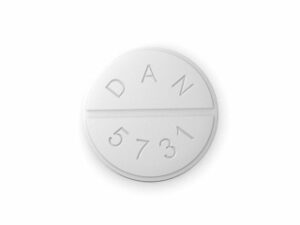


Sibelium (Flunarizine) — Patient Information Guide
Sibelium is a brand of flunarizine, a medicine mainly used to help prevent certain types of headaches, especially migraine. It works by affecting blood vessels in the brain and stabilising nerve activity. This page is written to help you understand how flunarizine may work, how it is typically taken, and what to watch for.
Always follow the advice given by your healthcare professional and read the patient information leaflet supplied with your medicine. If you are unsure about anything, speak to a pharmacist.
Basic product information
| Medicine | Sibelium |
|---|---|
| Active ingredient | Flunarizine |
| Medicine type | Calcium channel blocker; migraine-preventive agent |
| Common use | Prevention of migraine (for some adults) |
| How it’s taken | Usually by mouth, once daily (timing depends on prescriber advice) |
| Typical side effects | Drowsiness, weight gain, tiredness |
How Sibelium works (mechanism of action)
Flunarizine is a calcium channel blocker. It mainly affects how calcium moves into nerve cells and blood vessel smooth muscle. In migraine, this can contribute to:
- Reducing abnormal signalling in the brain that may contribute to migraine attacks.
- Helping stabilise blood flow in the brain during migraine-related changes.
- Lowering the likelihood of migraine attacks in people prone to recurrent episodes.
Importantly, flunarizine is generally used for prevention. It is not intended as a quick “rescue” treatment for an individual migraine attack.
Pharmacokinetics (what the body does to the medicine)
Pharmacokinetics describes how the body absorbs, distributes, metabolises, and eliminates a medicine. While exact values can vary by person, flunarizine is characterised by:
- Absorption: Taken by mouth and absorbed from the gastrointestinal tract.
- Distribution: It spreads through the body and may accumulate in tissues.
- Metabolism: Flunarizine is metabolised primarily in the liver.
- Elimination: It has a relatively long duration in the body, which supports once-daily dosing for many patients.
Because flunarizine may take time to reach steady effect and can remain in the body for a while, it may not work immediately. Many people notice benefit only after several weeks of regular use.
What Sibelium is used for (typical indications)
In the UK, flunarizine is most commonly associated with the prevention of migraine in appropriate patients. Your healthcare professional will decide whether it fits your personal situation.
Depending on local clinical practice and your medical history, it may also be considered for other headache disorders, but its main role for most patients is migraine prevention.
Timing: when to take Sibelium
Many people are advised to take flunarizine once daily, often in the evening because it can cause drowsiness. However, the best timing for you depends on how it affects you and your daily routine.
- If it makes you sleepy: take it in the evening or as advised.
- If it does not affect you much: follow your prescriber’s instructions for your preferred time.
- Consistency matters: try to take it at the same time each day.
If you miss a dose, do not double up. Take the next dose at your usual time unless your pharmacist advises otherwise.
How to take flunarizine (dosing guidance)
Dosing can vary based on age, clinical response, and side effects. Always use the dose provided by your healthcare professional. The information below is general and may not match your exact prescription instructions.
- Adults (typical pattern): Often started at a lower dose and adjusted based on response.
- Elderly: Extra caution is often used due to higher risk of adverse effects such as tiredness or balance problems.
- Duration trial: Migraine prevention treatments are usually assessed after a period of regular use to judge benefit.
If your migraines reduce significantly, your healthcare team may consider whether continuing treatment is appropriate. Stopping too early may reduce the chance of benefit.
Food interactions: can you take Sibelium with meals?
Flunarizine can generally be taken with or without food. However, food may affect how quickly you feel the medicine’s effects.
- Best practice: choose a routine that fits your day and take it consistently.
- If it upsets your stomach: taking it with food may help.
Avoid taking it with very large amounts of alcohol (see below), as that may increase drowsiness and impair concentration.
Alcohol and medicine interactions
Flunarizine may cause drowsiness in some people. Alcohol can also cause sleepiness and impair driving and coordination. Using alcohol together with flunarizine can therefore increase the risk of:
- Excessive drowsiness
- Dizziness
- Slower reaction times
Practical advice: If you choose to drink alcohol, do so in moderation and observe how you feel. Avoid driving or operating machinery if you feel sleepy.
Other medicines that may interact (general points)
Interactions depend on your complete medication list. It’s important to tell your pharmacist about:
- Other sedating medicines (for example some antihistamines or sleep medicines)
- Medicines that affect the nervous system (including some antidepressants and anxiety medicines)
- Medicines that can cause drowsiness or dizziness
- Medicines affecting liver enzymes (flunarizine is metabolised in the liver)
Your pharmacist can check for specific interactions with your prescriptions and over-the-counter treatments.
Safety profile: side effects and when to seek help
Most people tolerate flunarizine well, but like all medicines it can cause side effects. Side effects are often dose-related and may lessen as your body adjusts.
Common side effects
- Drowsiness or tiredness
- Weight gain
- Dry mouth
- Headache or feeling “off” (may occur early)
- Swelling in some people
Less common but important effects
- Extrapyramidal symptoms (movement-related side effects such as tremor or stiffness), particularly in some long-term use cases
- Mood changes including depression or emotional changes
- Fatigue that may affect daily activities
Seek urgent medical advice if
- You develop signs of an allergic reaction such as swelling of the face/lips, rash, or breathing difficulties.
- You experience severe dizziness, fainting, or falls.
- You develop severe or rapidly worsening mood symptoms.
If you have a troublesome side effect, speak to a pharmacist or healthcare professional promptly. Do not stop suddenly unless advised.
Practical use tips for better results
- Track your migraines: keep a diary (date, duration, severity, triggers). This helps judge whether the medicine is working.
- Be patient: preventive medicines may take weeks before you notice a benefit.
- Take it the same way each day: consistent timing can improve results.
- Manage drowsiness: take in the evening and avoid driving if you feel sleepy.
- Monitor weight: if you notice weight gain, discuss diet and activity strategies with your healthcare team.
- Review regularly: migraine prevention is often assessed periodically to confirm ongoing benefit.
If you’re also using other migraine medicines, keep a record of them. This supports safer use and clearer decisions about adjusting prevention plans.
Alternative options for migraine prevention (UK perspective)
If flunarizine isn’t suitable for you, there are other options commonly used in the UK for migraine prevention. The best choice depends on your migraine pattern, other medical conditions, and side effect tolerance.
Common preventive categories
- Beta-blockers (for example propranolol in suitable patients)
- Antiepileptic medicines (such as topiramate, where appropriate)
- Antidepressants with preventive effects (for example amitriptyline in some cases)
- Calcitonin gene-related peptide (CGRP)–targeting therapies (including injections and newer agents, depending on eligibility)
- Botulinum toxin type A for chronic migraine in appropriate patients
- Non-medicine approaches such as trigger management, sleep optimisation, physiotherapy, and cognitive behavioural strategies
Your healthcare professional can advise which alternative fits you best, considering your health history and potential interactions.
Market and legal context in the United Kingdom
In the UK, medicines are regulated by the Medicines and Healthcare products Regulatory Agency (MHRA). Availability, prescribing pathways, and whether a product is branded or generic can vary over time.
Flunarizine may be supplied under different product names or strengths depending on what is available through UK supply chains. An online pharmacy can help confirm availability and provide product-specific information at the time you order.
For migraine care, treatment decisions are commonly influenced by national guidance and specialist recommendations, alongside clinical assessment of your personal symptoms and risk factors.
Recent guidance (high-level)
UK headache management increasingly emphasises:
- Accurate diagnosis and assessment of migraine frequency and disability.
- Preventive treatment when appropriate (for example frequent or disabling migraine).
- Individualised selection based on comorbidities and side effect risks.
- Review and shared decision-making to confirm benefit and avoid unnecessary long-term treatment.
Guidance and prescribing practices may evolve. For the most up-to-date advice, speak to your healthcare professional.
Delivery and availability (online pharmacy expectations)
Availability can differ by region and supplier. When you order from an online pharmacy, you can typically expect:
- Product availability checks before dispatch.
- Secure packaging to protect tablets/capsules.
- Delivery timelines shown at checkout (often next-day to a few days, depending on service).
- Clear information about strength, pack size, and expiry date.
If Sibelium (flunarizine) is unavailable, the pharmacy may offer an alternative product where permitted, such as another flunarizine brand or suitable equivalent. Always confirm the exact active ingredient and strength before taking any replacement.
FAQ about Sibelium (flunarizine)
1) Is Sibelium for treating migraine attacks or preventing them?
Sibelium (flunarizine) is used primarily for migraine prevention. It’s not designed to stop a migraine once it has started. If you need treatment for individual attacks, your pharmacist or prescriber can explain which options are suitable for you.
2) How long does it take to work?
Many people need several weeks of regular use before they notice a meaningful reduction in migraine frequency. Keep taking it as advised while you’re assessing effectiveness.
3) What should I do if I miss a dose?
If you miss a dose, take it when you remember unless it’s close to the time for your next dose. Do not take a double dose. If you’re unsure, ask your pharmacist for guidance.
4) Can I drive while taking flunarizine?
If flunarizine makes you drowsy, avoid driving and do not operate machinery until you know how it affects you. Take extra care during the first few days after starting or after dose changes.
5) Can I take it with food?
Usually yes. Flunarizine can be taken with or without food. Consistency is helpful, and taking it with food may improve comfort if it upsets your stomach.
6) Are there any alcohol restrictions?
Alcohol may increase drowsiness and dizziness. For safest use, limit alcohol and avoid it if you notice it worsens sleepiness or affects balance.
7) What side effects are most common?
Common side effects include drowsiness, tiredness, and weight gain. If you notice movement-related symptoms or mood changes, contact a healthcare professional promptly.
8) Who should use it with extra caution?
People with a history of mood disorders, those at higher risk of dizziness/falls, and people with liver problems may require extra monitoring. Your pharmacist can help assess suitability based on your health history.
9) Can I stop taking it suddenly?
Don’t stop without advice. Preventive treatments are often reviewed gradually based on your migraine control and side effects. If you want to stop, speak to a pharmacist or healthcare professional first.
10) What should I do if I think it isn’t helping?
If you haven’t noticed improvement after an appropriate trial period, or if your migraines worsen, contact your healthcare professional. They may adjust the plan or switch to another preventive option.
Summary
Sibelium (flunarizine) is a medicine used mainly for preventing migraine. It works by influencing calcium channels, which may help stabilise nerve activity and blood vessel changes associated with migraine. It may take weeks to show benefits. Some people experience drowsiness and weight gain, so timing (often in the evening) and monitoring are helpful.
If you have questions about suitability, side effects, or interactions with your other medicines, speak to a pharmacist. They can help ensure you use Sibelium safely and effectively.