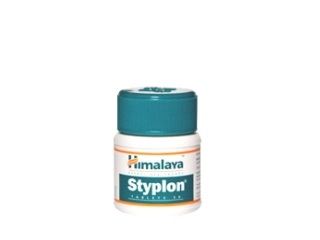


Styplon
Styplon is a medicine used to help relieve symptoms related to diarrhoea and bowel irritation. This page provides patient-friendly information on how it works, how it’s taken, and key safety advice. Always follow the instructions provided with your medicine and consult a healthcare professional if you are unsure.
Quick overview
- Uses: Symptomatic relief of diarrhoea in certain situations
- How it works: Helps reduce excessive bowel movement and supports normal stool consistency
- How to take: Usually taken by mouth, with timing depending on symptoms and product strength
- Important: Not suitable for all types of diarrhoea; some causes need urgent medical assessment
- UK availability: Commonly stocked via UK pharmacies (availability may vary by strength and pack size)
Basic product information
| Category | Details |
|---|---|
| Medicine name | Styplon |
| What it’s used for | Short-term relief of diarrhoea symptoms (appropriate indications apply) |
| Route | Oral (by mouth) |
| Who it’s for | Adults and, where appropriate, adolescents/children depending on the product instructions and age guidance |
| When to seek advice | See “Safety profile” and “FAQ” for red flags and when to contact a clinician urgently |
What is diarrhoea and why treatment matters?
Diarrhoea is when stools become loose or watery and happen more often than usual. Many cases are mild and settle with rest, fluids and time. However, diarrhoea can become serious if it leads to dehydration, especially in older people, young children, and those with other medical conditions.
Styplon is intended to help control symptoms in suitable cases. It does not treat every cause of diarrhoea (such as invasive infections), so knowing when not to use it is just as important as knowing when it can help.
Mechanism of action (how Styplon works)
The active component of Styplon acts on the gut to help reduce abnormal intestinal motility (the speed at which the bowel moves). By slowing down excessive gut movement, it can:
- Help stools become less frequent
- Improve stool consistency
- Reduce the urgency that often accompanies diarrhoea
In practice, this supports symptom relief while your body clears the underlying trigger. For certain diarrhoea types, however, slowing the bowel may not be appropriate—this is why product instructions and clinician advice matter.
Pharmacokinetics (what the body does to the medicine)
Pharmacokinetics describe absorption, distribution, metabolism and elimination. While exact values can vary by formulation and individual factors, the general patterns for medicines used in diarrhoea typically include:
- Absorption: After oral administration, the medicine is absorbed from the gastrointestinal tract.
- Distribution: It reaches target tissues involved in bowel motility.
- Metabolism: Like many medicines, it may be processed by the liver.
- Excretion: Metabolites and/or the active form are cleared primarily via the kidneys and/or bile.
If you have liver or kidney problems, you may need extra caution or dose adjustments based on your clinician’s advice.
Typical use in the UK
Styplon is generally used for the symptomatic treatment of diarrhoea in suitable adults (and sometimes specific younger age groups, depending on the product guidance). It is meant for short-term use to help control distressing symptoms.
Important: Do not use it as a replacement for assessing the cause of diarrhoea when red flags are present.
Indications (when it may be appropriate)
Styplon may be considered when diarrhoea is:
- Uncomplicated and not associated with severe systemic illness
- Causing bothersome symptoms such as urgency or frequent loose stools
- Expected to be self-limiting with supportive care (fluids, dietary measures, rest)
It may be less suitable or unsuitable in situations such as:
- Blood in the stool or black/tarry stools
- High fever or severe abdominal pain
- Suspected invasive bacterial infection
- Diarrhoea following recent antibiotic use with suspected severe infection
- Conditions where slowing bowel movement could be harmful
Timing and how to take Styplon
The exact dosing schedule depends on the specific strength and the product leaflet. Follow the instructions on the pack or the advice you were given.
General timing guidance
- Typically taken after the onset of diarrhoea symptoms to help control urgency and frequency.
- If you are taking other medicines, space them out as advised to minimise absorption issues.
- Use for the shortest time needed. Seek medical advice if symptoms persist.
Dosing (adults and general principles)
Dosing varies by product formulation and age. The sections below provide general principles. For precise dosing, refer to the pack or the patient information leaflet included with your medicine.
Adults
- Commonly, an initial dose is taken when diarrhoea begins.
- Additional doses may be taken at intervals throughout the day depending on response.
- Do not exceed the maximum daily dose stated on the packaging.
Children and adolescents
Use in children should follow age-specific guidance on the product label or leaflet. If you are unsure, ask a pharmacist or healthcare professional before giving Styplon to a child.
If diarrhoea does not improve or worsens after a short period, stop self-treatment and seek advice. Persistent diarrhoea can signal an infection, inflammatory bowel problem, or other underlying cause requiring assessment.
Food interactions (can you take Styplon with meals?)
For most medicines used for diarrhoea, food may influence absorption and how quickly the medicine begins to work. As a general approach:
- You can often take Styplon with or without food, but follow the leaflet instructions.
- If your stomach feels unsettled, taking it with a light snack may be more comfortable.
- If you’re using oral rehydration salts (ORS), separate timing may help if you notice stomach upset.
If your product leaflet specifies fasting or spacing from meals, follow that guidance closely.
Alcohol interactions
When treating diarrhoea, it’s advisable to avoid or minimise alcohol. Alcohol can worsen dehydration and may irritate the digestive tract, potentially making symptoms harder to control.
Additionally, alcohol may increase side effects such as dizziness or stomach discomfort, depending on your overall health and other medicines.
Interactions with other medicines
Drug interactions depend on the exact active ingredient and your personal medication list. The following general points are helpful for most diarrhoea symptom treatments:
Medicines that may interact
- Other anti-diarrhoea products: Avoid combining unless advised—this can increase risk of side effects.
- Medicines that affect the gut or require rapid absorption: Diarrhoea itself can reduce absorption of some drugs. Slowing gut movement may or may not counter this.
- Antibiotics: If diarrhoea is due to infection, treating the cause may be necessary. Do not delay medical advice if infection is suspected.
- Medicines for inflammatory bowel disease: If you have conditions like Crohn’s disease or ulcerative colitis, talk to a clinician before using anti-motility treatments.
What to do
- Tell your pharmacist or clinician about all medicines you’re taking (including over-the-counter products).
- If you start Styplon, monitor for changes in symptom severity and any unexpected side effects.
Safety profile (important precautions)
Most people can take Styplon without major problems, but side effects can occur. The safety information below is designed to help you use the medicine responsibly. If you experience severe symptoms or signs of an allergic reaction, seek urgent help.
Common side effects
- Constipation or reduced bowel frequency
- Abdominal discomfort, bloating or nausea
- Headache (in some people)
- Dry mouth (less commonly)
Seek medical advice urgently if
- Diarrhoea is accompanied by blood in stools
- You have high fever or severe ongoing abdominal pain
- You show signs of dehydration (e.g., very dry mouth, dizziness, minimal urine, extreme thirst)
- Your symptoms are not improving after a short period of treatment
- You develop swelling of the face/lips, wheezing, or rash suggesting allergy
Who should take extra care
- Older adults or people prone to constipation
- People with liver or kidney impairment
- Those with a history of bowel obstruction or severe gastrointestinal disease
- People with heart rhythm problems or those taking medicines known to affect heart rhythm (discuss with a pharmacist)
- Anyone who is pregnant or breastfeeding should seek individual advice before use
When to stop and seek help
Stop taking Styplon and seek professional advice if diarrhoea persists, worsens, or if you develop symptoms suggestive of serious infection.
Practical use tips (get the best results safely)
- Prioritise hydration: Use water, clear fluids and oral rehydration salts (ORS) if needed, especially if stools are frequent.
- Follow a gentle diet: Choose easy-to-digest foods (e.g., toast, rice, bananas). Avoid heavy, greasy foods.
- Monitor your symptoms: Track frequency, presence of blood, fever and pain.
- Don’t use longer than recommended: Symptom relief should not delay diagnosis if diarrhoea has a more serious cause.
- Wash hands: Diarrhoea illnesses can spread. Hand hygiene helps protect others.
- Be careful with driving: If you feel dizzy or unwell, avoid driving or operating machinery.
How long should diarrhoea last?
Many viral or dietary diarrhoea episodes improve within a couple of days. However, duration varies by cause. If symptoms are prolonged or severe, you may need further assessment. As a general rule, seek medical advice promptly if:
- Diarrhoea lasts beyond a few days despite treatment
- There are repeated episodes or worsening symptoms
- You are in a high-risk group (young child, older adult, immunocompromised, pregnant, or have significant chronic illness)
Alternative options for diarrhoea
Depending on the cause of diarrhoea, options may include:
Supportive measures
- Oral rehydration salts (ORS): Helps prevent dehydration and is often the most important treatment.
- Diet changes: Light meals and avoiding irritant foods.
Other symptom relief approaches
- Bulk-forming agents: Can help add consistency to stools for some people.
- Probiotics: Some strains may help shorten diarrhoea in certain settings (evidence varies by strain and cause).
When cause-specific treatment may be needed
If diarrhoea is due to a bacterial infection, inflammatory bowel disease flare, medication side effects, or other conditions, treatments differ. In these cases, guidance from a pharmacist or clinician is essential.
UK market and legal context (brief overview)
In the UK, medicines are supplied under regulatory frameworks overseen by UK authorities. Availability and classification (for example, pharmacy-only versus general sale) can affect where and how products are sold. Pharmacy websites may provide medicines based on their legal supply category and customer eligibility checks.
For diarrhoea treatments, rules often aim to ensure that people who may be at risk of serious infection or dehydration receive appropriate advice rather than relying on symptom control alone.
Recent guidance (general best-practice)
UK healthcare advice commonly emphasises:
- Rehydration first: Using ORS or appropriate fluids is central to diarrhoea care.
- Risk-based decision making: Anti-diarrhoea symptom treatments may not be suitable for all causes.
- Red flags: Blood in stool, high fever, severe abdominal pain and dehydration warrant prompt medical assessment.
- Short duration: If symptoms persist, seek further advice rather than continuing self-treatment.
Always refer to the official product leaflet and seek professional advice when in doubt.
Delivery and availability in the UK
Styplon is typically available through online pharmacies and in many UK high-street pharmacies depending on demand and supply. Delivery options may vary by retailer and your location within the UK.
What to expect
- Dispatch times: Many orders are processed on business days; cut-off times can apply.
- Delivery methods: Standard or express delivery may be offered.
- Packaging: Medicines are usually shipped securely in plain packaging where required.
- Stock availability: If a product is temporarily out of stock, the retailer may offer alternatives or restock notifications.
Cold chain and special handling
Most diarrhoea symptom medicines do not require refrigeration. If your specific product formulation requires special handling, this will be stated on the pack or retailer information.
Safety checklist before you buy or take Styplon
- Are you an adult or using the correct age guidance?
- Do you have any red flags (blood in stool, high fever, severe pain, dehydration)?
- Are you pregnant, breastfeeding, or do you have major medical conditions?
- Are you taking other medicines that could interact?
- Can you hydrate effectively (ORS if needed)?
FAQ
1) What is Styplon used for?
Styplon is used to help provide symptomatic relief of diarrhoea in appropriate situations, usually to reduce frequency and urgency of loose stools. It’s not suitable for every cause of diarrhoea.
2) When should I take Styplon?
Typically, it’s taken when diarrhoea symptoms start and according to the dosing schedule on the pack or leaflet. If symptoms worsen or do not improve within the expected short time window, seek advice.
3) Can I take Styplon with food?
Often, it can be taken with or without food, but follow your specific product leaflet. Taking it with a light snack may reduce stomach upset for some people.
4) How quickly does it work?
Many people notice improvement within hours, but response varies depending on the cause of diarrhoea, hydration status and individual factors.
5) Is it safe to keep taking Styplon?
Styplon should generally be used for short-term relief only, as directed by the leaflet. Prolonged diarrhoea requires medical review to identify the underlying cause.
6) What if I have blood in my stool or a fever?
Blood in stool, high fever, severe abdominal pain, or signs of dehydration are red flags. You should stop self-management and seek urgent medical advice.
7) Can I drink alcohol while taking Styplon?
It’s best to avoid or minimise alcohol while you have diarrhoea. Alcohol can worsen dehydration and may increase stomach irritation.
8) Can Styplon interact with other medicines?
Yes, possible interactions depend on what else you take and the specific formulation. Tell your pharmacist about all medicines and supplements, including any recent antibiotics.
9) What are common side effects?
Possible side effects include constipation, abdominal discomfort, bloating, nausea, and headaches. If you experience severe or persistent symptoms, contact a healthcare professional.
10) Are there alternatives if Styplon isn’t suitable?
Depending on the cause and severity, alternatives include ORS for hydration, bulk-forming agents, and other symptom relief approaches. If infection, inflammation or another condition is suspected, the right treatment may differ.
Disclaimer
This information is intended for general guidance and does not replace the patient leaflet or advice from a pharmacist or clinician. If your symptoms are severe, persistent, or associated with red flags, seek medical advice promptly.