
Tamoxifen (UK) – Patient-Friendly Information
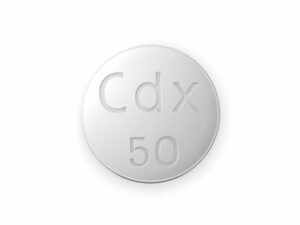
Tamoxifen is a medicine used mainly to treat and help prevent certain conditions related to hormone receptor–positive breast cancer. It works by blocking the effects of oestrogen in breast tissue. Many people take tamoxifen for a period of years as part of their treatment plan. This guide explains how tamoxifen works, how the body handles it, how to take it safely, and what to consider in everyday life in the UK.
Basic product information
| Item | Details |
|---|---|
| Medicine name | Tamoxifen |
| Common form | Tablets (strengths vary by brand and product) |
| How it works | Selective oestrogen receptor modulator (SERM) |
| Typical use | Breast cancer treatment and prevention in appropriate patients |
| Availability in the UK | Available via UK supply channels; availability and brand may vary by supplier |
How tamoxifen works (mechanism of action)
Tamoxifen belongs to a group of medicines called selective oestrogen receptor modulators (SERMs). In simple terms, it can block oestrogen’s effects in some tissues (such as breast tissue) while having oestrogen-like effects in others (such as the uterus and bones).
- In breast tissue: Tamoxifen binds to oestrogen receptors and prevents oestrogen from stimulating cancer cells that rely on oestrogen for growth.
- In the body: It helps to slow or stop the growth of hormone receptor–positive breast cancer, and reduces the risk of recurrence in suitable cases.
Pharmacokinetics: how the body absorbs and processes it
Pharmacokinetics describes what happens to a medicine in the body—how it is absorbed, metabolised, and eliminated. Tamoxifen is metabolised mainly in the liver.
Absorption
After taking a tablet by mouth, tamoxifen is absorbed through the digestive system. Steady levels build with regular daily dosing.
Metabolism (conversion to active forms)
Tamoxifen is converted into metabolites, including endoxifen, which contributes significantly to its anti-oestrogen activity. This conversion involves liver enzymes (notably the CYP2D6 pathway). This matters when tamoxifen is taken alongside certain medicines that can affect these enzymes.
Half-life and elimination
Tamoxifen and its metabolites remain in the body for a prolonged period. This longer duration is one reason doctors can prescribe it as a once-daily medicine (depending on the regimen).
Typical use in the UK
Tamoxifen is used for hormone receptor–positive breast conditions. Common reasons include:
- Early breast cancer: To reduce the risk of recurrence after primary treatment.
- Oestrogen receptor–positive (ER+) ductal carcinoma in situ (DCIS): In appropriate patients as advised.
- Metastatic or advanced breast cancer: For hormone receptor–positive disease in suitable circumstances.
- Prevention/at-risk settings: In selected high-risk situations where tamoxifen may reduce risk, as recommended by UK clinical guidance.
The exact indication and duration depend on your cancer type, stage, and overall treatment plan. Tamoxifen may be used alongside other therapies (for example, surgery or radiotherapy) depending on your individual case.
When and how to take tamoxifen (timing)
Many tamoxifen regimens in breast cancer involve taking the medicine . Your dosing schedule may vary depending on the condition being treated. Always follow the schedule given to you by your healthcare team.
Suggested practical routine
- Choose a consistent time: Taking tamoxifen at the same time each day can help maintain routine.
- With or without food: Tamoxifen can usually be taken with or without food (see food interaction section for more).
- Swallow whole: Use water. If you struggle to swallow tablets, speak to a pharmacist for advice.
If you miss a dose
If you miss a dose, take it as soon as you remember on the same day. If it is nearly time for your next dose, skip the missed tablet and continue as normal. Do not take double doses to make up for a missed dose.
Food interactions and eating habits
Food does not generally have a major effect on tamoxifen’s overall safety for most people, and tamoxifen can typically be taken with or without food. However, certain dietary supplements may interact through liver enzymes or hormone pathways.
- General approach: Maintain a normal, balanced diet.
- Herbal supplements caution: If you use herbal products (for example, St John’s wort), check with a pharmacist, as these can interact with medicines processed by the liver.
- Grapefruit: Grapefruit is best avoided if you’re taking medicines known to be affected by liver enzyme pathways, but grapefruit’s interaction with tamoxifen is not typically the primary concern. Still, confirm with your pharmacist if you plan to use grapefruit regularly or in large amounts.
Alcohol and medicine interactions
Moderate alcohol intake may be acceptable for many people, but alcohol can affect the liver and can worsen side effects like dizziness, fatigue, or nausea. Tamoxifen is metabolised in the liver, so it’s sensible to keep alcohol moderate.
Alcohol tips
- Keep it moderate: If you drink, consider limiting to small amounts and avoid binge drinking.
- Watch side effects: If you notice increased hot flushes, dizziness, or tiredness, reduce alcohol and discuss with your healthcare team.
- Medication review: If you take other medicines regularly, ask a pharmacist to check for interactions (especially antidepressants and other liver-enzyme modulators).
Medication interactions (including common high-risk examples)
Some medicines can reduce the conversion of tamoxifen to its active metabolite(s), potentially affecting effectiveness. Other medicines can increase the risk of side effects or alter heart rhythm. Always inform your pharmacist about all medicines and supplements you take.
Antidepressants and tamoxifen
Certain antidepressants may inhibit CYP2D6 and could reduce tamoxifen’s active metabolite. Your healthcare team may choose alternatives or monitor your situation closely.
Examples of antidepressants often discussed include (this list is not exhaustive): fluoxetine, paroxetine, and bupropion. If you take any antidepressant, ask your pharmacist for a specific interaction check.
Other medicines to discuss
- Hormonal treatments: Other hormonal therapies (including some fertility/hormone products) may change the balance of oestrogen effects.
- Blood thinners and antiplatelets: Tamoxifen can affect clot risk; clinicians will weigh combined risk carefully.
- Medicines affecting clotting: Warfarin and other anticoagulants require careful monitoring when combined with many drugs.
- Skin/cancer medicines and enzyme inducers: Some medicines can alter liver enzyme activity.
Indications: what tamoxifen is used for
Tamoxifen is indicated for conditions where hormone signalling via oestrogen receptors plays a role. In the UK, the precise indication depends on tumour receptor status and the stage of disease.
Common indications include
- Hormone receptor–positive early breast cancer – adjuvant treatment to reduce recurrence.
- Oestrogen receptor–positive DCIS – to lower the risk of progression/recurrence in selected cases.
- Hormone receptor–positive advanced or metastatic breast cancer – to control disease.
- Breast cancer prevention – in selected high-risk patients, based on clinical assessment and guideline recommendations.
Dosing: typical regimens and how dosing is decided
The dose and duration of tamoxifen vary depending on the condition being treated. Dosing recommendations in clinical practice commonly use a once-daily regimen for many breast cancer indications.
Typical adult dosing (general information)
- Early breast cancer / prevention strategies: Often 20 mg once daily, depending on the prescribed product and plan.
- Advanced disease: Doses may vary; clinicians may use different strengths and schedules based on response and tolerability.
Because dosing can vary and may differ between brands, always use the dose on your medicine pack or as advised by your clinician. If you have questions about your dose, speak to a pharmacist.
Safety profile: important risks and side effects
Like all medicines, tamoxifen can cause side effects. Many people experience mild effects that improve over time. However, some side effects can be serious and require prompt medical attention.
Common side effects
- Hot flushes
- Nausea
- Vaginal dryness or changes in vaginal discharge
- Changes in periods (for people who are premenopausal)
- Fatigue
- Headache
- Mood changes in some people
- Skin rash (less commonly)
Serious risks: when to seek urgent advice
Tamoxifen may increase the risk of certain serious conditions, particularly in some patients. Seek urgent medical advice if you experience any of the following:
- Signs of a blood clot (deep vein thrombosis or pulmonary embolism), such as:
- Swelling, pain, warmth, or redness in one leg
- Sudden shortness of breath, chest pain, coughing blood
- Possible stroke or transient ischaemic attack symptoms:
- Face drooping, weakness in arm or leg, trouble speaking
- Sudden severe headache or vision changes
- Unusual vaginal bleeding, particularly if postmenopausal or bleeding is heavy/persistent
- Severe pelvic pain or pressure
- Breathing difficulty or persistent wheeze
Uterus-related effects
Because tamoxifen has oestrogen-like effects on the uterus, it may increase the risk of certain uterine problems in some people. Any new abnormal vaginal bleeding should be discussed promptly with a clinician.
Liver and eye concerns
Rarely, tamoxifen can affect the liver and may cause eye-related changes. Report symptoms such as yellowing of the skin/eyes (jaundice), dark urine, severe itching, or new visual disturbances.
Practical use tips (making tamoxifen easier day to day)
- Hot flushes management: Keep your home cool, dress in layers, and carry a fan where possible. Some people benefit from breathing techniques and avoiding triggers like hot drinks or spicy foods.
- Track side effects: Consider keeping a simple diary (time taken, side effects, severity). This helps your healthcare team tailor support.
- Vaginal comfort: If you experience dryness, non-hormonal moisturisers and lubricants can help. Ask a pharmacist about suitable options.
- Bone and activity support: Regular weight-bearing exercise can support general health. Your clinician may advise additional measures depending on your overall risk profile.
- Keep medication reviews up to date: Bring a list of all medicines (including over-the-counter products and supplements) to appointments.
- Pregnancy and contraception planning: If you could become pregnant, discuss contraception and family planning urgently with your healthcare team before continuing tamoxifen.
Alternative options to tamoxifen
Depending on your diagnosis and menopausal status, clinicians may consider other endocrine (hormone) treatments. Alternatives can include:
- Aromatase inhibitors (often used in postmenopausal patients or in specific combinations), such as anastrozole, letrozole, or exemestane.
- Ovarian suppression strategies (for premenopausal patients), sometimes combined with other hormone therapies.
- Other SERMs in selected circumstances (less commonly than tamoxifen).
The best alternative depends on tumour receptor status, stage, past treatments, and your individual risk factors. If you’re considering a change, discuss it with your clinician rather than stopping or switching yourself.
UK market and legal context (availability and prescribing framework)
In the United Kingdom, access to medicines is regulated through established medicines legislation and NHS/clinical pathways. Tamoxifen is an established medicine with long-standing use in breast cancer care. Online pharmacies in the UK typically operate within the legal framework for medicine supply, including appropriate checks and service processes.
Availability of specific brands and pack sizes can vary by supplier and market stock. If you need a particular strength or formulation, check stock status or ask the pharmacy about equivalent options.
Recent guidance and clinical updates
Clinical practice and guidance for endocrine therapy can evolve as new evidence emerges. For example, ongoing research and updates may focus on:
- Personalising duration of endocrine therapy in different risk groups
- Managing drug interactions (particularly those affecting CYP2D6 metabolism)
- Monitoring for serious adverse events and supporting long-term adherence
- Comparing different endocrine options based on menopausal status and risk
Your healthcare team will consider the most current national guidance and your circumstances. If you are unsure whether your current plan reflects current best practice, ask your clinician for an update.
Delivery, availability, and how to order (UK)
Online pharmacies may offer delivery options across the UK depending on your location and the medicine’s supply classification. Delivery times can vary based on stock availability, carrier schedules, and whether the medicine is in a local warehouse or requires distribution.
What you can expect
- Stock status: Many online listings show whether tamoxifen is currently available.
- Packaging: Tamoxifen tablets should arrive in appropriate medicinal packaging as supplied.
- Storage: Store tablets according to the instructions on the pack (typically at room temperature, away from moisture and heat).
- Contact: If you have questions about strength or availability, contact the pharmacy before ordering.
How to store tamoxifen safely
- Keep in the original pack to help identify the medicine.
- Store at room temperature, away from heat sources and direct sunlight.
- Keep out of sight and reach of children.
- Do not use after the expiry date on the pack.
FAQ: Tamoxifen (UK)
1. What is tamoxifen used for?
Tamoxifen is used mainly for hormone receptor–positive breast cancer and related conditions such as certain early breast cancer scenarios and DCIS, and to help reduce recurrence risk in appropriate patients. It may also be used in selected prevention settings for people at higher risk.
2. How long do people usually take tamoxifen?
Treatment length can vary. Many people take tamoxifen for several years as part of adjuvant endocrine therapy. Your clinician will recommend duration based on your diagnosis, risk, and tolerability.
3. Can I take tamoxifen with food?
Yes, tamoxifen can generally be taken with or without food. Try to take it at a consistent time each day to help with adherence.
4. Are there common side effects?
Common side effects include hot flushes, nausea, fatigue, and vaginal dryness or changes in menstrual bleeding (if premenopausal). Many are manageable and improve over time.
5. What are the serious side effects I should watch for?
Seek urgent medical help if you develop symptoms suggestive of a blood clot (for example, leg swelling or sudden shortness of breath), stroke-like symptoms, or unusual vaginal bleeding—especially if postmenopausal. Report persistent or severe symptoms promptly.
6. Can I drink alcohol while taking tamoxifen?
Moderate alcohol may be acceptable for some people, but keep alcohol limited and consider your liver health and other medicines. If alcohol worsens side effects, reduce or avoid it and ask a pharmacist for advice.
7. Do I need to avoid certain medicines?
Yes—some medicines can affect tamoxifen’s metabolism or increase risks. In particular, some antidepressants may interfere with enzyme pathways involved in tamoxifen processing. Provide your pharmacist with a complete list of medicines and supplements so interactions can be checked.
8. What should I do if I miss a dose?
Take it when you remember on the same day. If it’s close to the next dose, skip the missed dose and resume your usual schedule. Do not take a double dose to compensate.
9. Can tamoxifen affect my mood?
Some people report mood changes, tiredness, or emotional fluctuations. If mood changes are significant or include feelings of depression, discuss them with your healthcare team promptly.
10. Is there an alternative to tamoxifen?
Alternatives may include aromatase inhibitors or other endocrine approaches depending on your menopausal status and cancer details. Your clinician can advise what is appropriate for your individual situation.
Need more help?
If you’re starting tamoxifen or you’re experiencing bothersome side effects, speaking with a healthcare professional is the best next step. A pharmacist can also help check interactions with other medicines and suggest practical measures to improve comfort and safety.
Important: This information is intended to support patient understanding. It does not replace personalised medical advice. If you are worried about side effects or interactions, seek advice promptly.