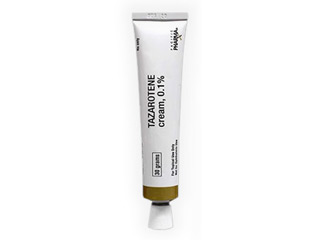
Tazorac (Tazarotene) – Patient Guide (UK)
Tazorac contains tazarotene, a topical retinoid used to treat certain skin conditions. This guide explains how it works, how to use it safely, what to expect, and where it fits within treatment options available in the United Kingdom.
Important: Always follow the instructions provided with your medicine and seek medical advice if you are unsure how to use Tazorac or whether it is suitable for you.
1) Basic product information
- Active ingredient: Tazarotene
- Medicine type: Topical retinoid (vitamin A–related medicine)
- Common strengths: 0.05% and 0.1% (products available may vary)
- Common dosage form: Cream or gel (depending on product brand/presentation)
- How it is used: Applied to the skin in a thin layer
- Typical treatment approach: Once daily, usually in the evening
What Tazorac is used for: In the UK, tazarotene preparations are mainly used for conditions such as acne vulgaris and psoriasis (depending on strength and product specifics).
2) What tazarotene is and how it works (mechanism of action)
Tazarotene is a topical retinoid. After you apply it to the skin, it is converted within the skin to its active metabolites. Its effects include:
- Normalising skin cell turnover: It helps reduce abnormal scaling and promotes more regular shedding of skin cells.
- Reducing inflammation: It can help calm inflammatory processes involved in acne and psoriasis.
- Improving keratinisation: It can reduce the formation of clogged pores (comedones) and thickened plaques.
- Supporting smoother skin texture: Over time, it can improve the appearance of affected areas.
Because retinoids work gradually, results usually take weeks rather than days.
3) Pharmacokinetics (how the body handles it)
Topical tazarotene is mainly acting on the skin where it is applied. Systemic absorption is generally low when used correctly on small or typical areas.
Key points:
- Absorption: Most activity remains local to the skin. Absorption increases if applied to large areas, under occlusion (covering), on broken/irritated skin, or if the product is used excessively.
- Metabolism: Tazarotene is metabolised to active and inactive metabolites within the body.
- Elimination: Metabolites are eliminated primarily via the urine and bile/faeces pathways (exact proportions can vary).
Even though systemic exposure is typically low, it is still important to use Tazorac only as directed and to avoid applying it more frequently or over larger areas than recommended.
4) Typical use in the UK: indications and where it fits
Tazorac may be used for:
- Acne vulgaris (selected strengths and formulations, depending on local product availability)
- Psoriasis (plaque psoriasis), depending on the prescribed strength and area treated
When it may be chosen:
- For mild-to-moderate disease where a topical retinoid is appropriate
- As part of combination therapy (for example, paired with other acne treatments)
- When skin thickening and scaling need improvement (particularly in psoriasis plaques)
When it may not be the best first option: If you have very sensitive or easily irritated skin, or active eczema/dermatitis in the area, your clinician may recommend starting with a different approach.
5) Dosing and how to apply Tazorac
General dosing principles:
- Apply a thin layer to the affected area.
- Usually used once daily, often in the evening (exact schedule depends on the product and your treatment plan).
- Use only on skin (not in eyes, mouth, nostrils, or other mucous membranes).
Timing: when to start and how to manage early irritation
- First 1–2 weeks: Some redness, dryness, or mild burning can occur.
- Week 2–8: You may gradually notice improvement in texture, scaling, or acne lesions.
- Beyond 8–12 weeks: Ongoing improvement can continue, particularly for acne.
Practical approach to reduce irritation: If your skin is sensitive, consider using it less frequently at the start (e.g., every other evening) and then increasing to the prescribed frequency as tolerated—unless your prescriber or product instructions specify otherwise.
How to apply (step-by-step)
- Wash and dry: Clean the area gently with a mild cleanser; pat dry (do not rub).
- Wait briefly: Let the skin dry completely before applying.
- Apply sparingly: Use a small amount and spread evenly over affected skin.
- Avoid sensitive zones: Keep away from corners of the nose, eyes, lips, and broken skin.
- Wash your hands: After application, wash hands thoroughly.
- Use moisturiser if needed: A bland moisturiser can reduce dryness. Some people apply moisturiser before or after Tazorac, depending on tolerance.
Do not: use more than directed (this does not speed up results and may increase irritation).
6) Food interactions
Because Tazorac is applied to the skin, food interactions are not expected to be clinically significant. There is no usual need to avoid specific foods while using topical tazarotene.
However: if you notice that certain foods worsen acne for you personally, you may wish to review your diet with a healthcare professional. This is individual and not a direct interaction with the medicine.
7) Alcohol and medicine interactions
Alcohol
There is no known direct interaction between topical tazarotene and alcohol. However, alcohol can potentially worsen dehydration or skin dryness in some individuals, which may make retinoid-related irritation more noticeable.
Other medicines and skin products
You should be cautious when using other products that can also irritate the skin, such as:
- Other retinoids (including some acne medications with vitamin A–like effects)
- Strong exfoliants (scrubs, peel pads, strong chemical exfoliation)
- Medicated cleansers that are harsh or drying
- Products containing alcohol or high concentrations of essential oils that dry skin
Common acne treatments (for example, topical benzoyl peroxide or topical antibiotics) may be used in combination depending on your plan. Your pharmacist or clinician can advise on safe combinations and application timing.
Tip: To reduce irritation, you may be advised to separate products by time (for example, using one in the morning and one in the evening).
8) Mechanism-related expectations: what results to anticipate
Understanding how retinoids behave can help you set realistic expectations:
- Dryness and peeling are common early effects.
- Acne might initially look worse for some people as the skin adjusts (sometimes called a “purging” effect). This is not the same as a severe allergy or infection.
- Psoriasis plaques may soften and reduce scaling over time, but visible improvement can take weeks.
9) Safety profile and side effects
As with all medicines, Tazorac can cause side effects. Many are due to irritation of the skin.
Common side effects
- Skin redness
- Dryness and flaking
- Burning, stinging, or irritation
- Itching
- Peeling or scaling
Less common but important adverse reactions
- Severe skin irritation (persistent intense burning or swelling)
- Blistering or marked rash
- Signs of infection (increasing pain, pus, spreading redness)
- Allergic reactions (rare), such as significant swelling or hives
Seek prompt medical advice if you develop severe symptoms, signs of infection, or a reaction affecting areas beyond the treated skin.
Special precautions (skin and sun)
- Sun sensitivity: Retinoids may increase sensitivity to sunlight. Use sun protection (SPF and protective clothing) on treated areas.
- Avoid sunburn: Do not use tanning beds. If your skin becomes burnt, stop using Tazorac until fully healed and seek advice.
- Extreme weather: Cold winds and dry air may worsen irritation.
10) Practical use tips to improve tolerability
- Start slowly: If you are prone to irritation, begin every other night and build up as tolerated.
- Moisturise: Use a bland moisturiser to reduce dryness. Consider applying moisturiser first, or wait after applying Tazorac (depending on product guidance and your skin response).
- Use “pea-sized” amounts: For small areas, small amounts go a long way. Over-application increases irritation.
- Don’t apply to wet skin: Apply only after cleansing and completely drying.
- Protect from irritants: Avoid irritating cosmetics or harsh cleansers while your skin is adjusting.
- If you miss a dose: Apply when you next remember unless it is near the time of the next dose. Do not double up.
Handling: Avoid contact with eyes and mouth. If accidental contact occurs, rinse with plenty of water.
11) Alcohol-related skin dryness and irritation (practical note)
While alcohol does not typically interact directly with Tazorac, some people find that alcohol consumption contributes to dry skin or flushing. If you notice that your skin gets more irritated after drinking alcohol, you may want to reduce intake and focus on hydration and moisturising.
12) Recent guidance and UK context (high-level)
In the UK, topical retinoids remain a mainstay option for acne and psoriasis management. Current clinical practice generally focuses on:
- Stepwise care: starting with appropriate topical therapies and escalating if needed
- Managing irritation: moisturisers, gentle cleansing, gradual introduction, and careful product timing
- Sun protection: emphasising photoprotection for retinoid users
Your local guidance may differ based on severity, previous treatments, and skin type. Pharmacists and dermatology services can help tailor an approach.
13) Delivery, availability, and market/legal context in the United Kingdom
Availability of Tazorac products can vary by strength and formulation across the UK market. Online pharmacy services may offer different presentations depending on supply and licensing.
Legal and regulatory context:
- In the UK, medicines are regulated by MHRA (Medicines and Healthcare products Regulatory Agency).
- Products sold through licensed online pharmacies must comply with UK pharmacy and medicines regulations.
- Your order and delivery options depend on stock, cold-chain requirements (not usually required for topical retinoids), and your location.
Delivery expectations:
- Orders are typically dispatched within standard working days if in stock.
- Delivery times depend on courier performance and your postcode.
- Packaging should protect the product from light and damage during transit.
Before ordering: Check the strength (e.g., 0.05% vs 0.1%) and formulation (cream vs gel) to ensure it matches your intended use.
14) Alternatives to Tazorac (tazarotene)
Depending on the condition, severity, and skin sensitivity, clinicians may recommend other treatments.
For acne
- Other topical retinoids (e.g., adapalene or tretinoin, depending on local availability)
- Benzoyl peroxide
- Topical antibiotics (often short-term and combined with benzoyl peroxide to reduce resistance)
- Azelaic acid (often well-tolerated by sensitive skin)
- Salicylic acid (comedolytic exfoliating options)
For psoriasis
- Topical corticosteroids for inflammation (short courses for flares)
- Vitamin D analogues (calcipotriol/calcipotriene)
- Coal tar products (in some regimens)
- Moisturisers/emollients as baseline therapy
- Phototherapy or systemic treatments for moderate-to-severe disease
Which alternative is best? It depends on your diagnosis, affected area, skin tolerance, and previous treatment response.
15) Safety considerations and when to seek advice
Contact a healthcare professional promptly if:
- Your symptoms become severe (significant swelling, intense burning, widespread rash)
- You suspect infection (worsening pain, pus, warmth, fever)
- You experience unexpected irritation that does not improve despite reducing frequency and using moisturiser
- You plan pregnancy or become pregnant (retinoid medicines require extra caution—seek urgent advice from a healthcare professional)
Do not apply to broken or infected skin unless advised by a clinician.
16) FAQ – Tazorac (tazarotene)
How long does it take to see results?
Many people notice changes within 2–8 weeks. For acne, fuller improvement may take 8–12 weeks or longer. For psoriasis plaques, improvement can also take several weeks depending on severity and adherence.
What if my skin gets very dry or irritated?
Reduce irritation by using a bland moisturiser, avoid harsh cleansers, and consider using Tazorac less frequently (for example, every other night) until your skin settles. If symptoms are severe or worsening, seek medical advice.
Can I use Tazorac on my whole face?
It depends on the condition and the treatment plan. A thin layer is generally advised, but the exact area and frequency matter for tolerability. Follow product instructions or clinician advice.
Can I use makeup or moisturiser?
Usually yes. Choose gentle, non-irritating products. Apply moisturiser as directed and allow it to absorb before applying Tazorac if advised.
Is Tazorac safe to use with sunscreen?
Yes—sunscreen is generally recommended. Use a suitable SPF and apply it during the day to reduce sun sensitivity.
Can I combine Tazorac with benzoyl peroxide or other acne products?
Some combinations are possible, but irritation can increase. It’s best to confirm a safe routine (which products to use, how often, and whether to separate by morning/evening).
Does Tazorac bleach clothes or towels?
Topical products are not usually formulated to bleach fabrics, but they can stain some materials. Allow product to absorb fully, and wash hands thoroughly to reduce transfer.
What should I do if I miss a dose?
Apply it when you remember unless it is close to your next scheduled dose. Do not apply extra product to “catch up.”
Can I use Tazorac if I have eczema or very sensitive skin?
It may still be used in some cases, but sensitivity increases irritation risk. Talk to a healthcare professional for personalised advice and start cautiously.
Does it matter if I drink alcohol?
There’s no direct interaction, but alcohol may worsen dryness or skin flare feelings in some people. Pay attention to how your skin responds.
17) Summary
Tazorac (tazarotene) is a topical retinoid used for skin conditions such as acne and psoriasis. It works by improving abnormal skin cell turnover and reducing inflammation. Because it can cause irritation—especially at the start—tolerability strategies like gentle cleansing, moisturising, gradual introduction, and strict sun protection are key. Results typically develop over weeks, and correct use (thin layer, once daily timing, avoiding sensitive areas) helps you get the best outcomes with fewer side effects.
Disclaimer: This information is intended for general patient education in the UK. It does not replace personalised medical advice. If you have concerns about suitability, side effects, or how to combine treatments, ask a pharmacist or healthcare professional.