Timoptic (Timolol Maleate) Eye Drops – Patient-Friendly Guide (UK)
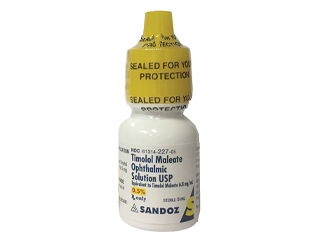
Timoptic contains timolol maleate, an eye drop medicine used to help reduce pressure inside the eye. It is commonly used for people with glaucoma or ocular hypertension, where high eye pressure can damage the optic nerve over time.
This guide explains how Timoptic works, how it is used, what to expect, common safety information, and practical tips. It is written for people in the United Kingdom and includes general guidance; always follow the specific instructions you were given by your eye care professional.
At a glance
- Active ingredient: Timolol maleate (beta-blocker)
- Medicine type: Eye drops
- Main purpose: Reduces intraocular pressure (IOP)
- Common uses: Open-angle glaucoma and ocular hypertension
- Typical dosing frequency: Usually once or twice daily, depending on formulation and individual plan
- Key safety considerations: Possible effects on heart rate, breathing, and allergy/eye irritation
Basic product information
Timoptic is a brand of timolol maleate eye drops. Timolol belongs to the group of medicines called beta-blockers. When used in the eye, it lowers eye pressure, helping protect the optic nerve.
| Feature | What it means for you |
|---|---|
| Active ingredient | Timolol maleate (beta-blocker) |
| How it’s used | In the affected eye(s) as eye drops |
| What it treats | Raised eye pressure (glaucoma/ocular hypertension) |
| How it works | Reduces fluid production in the eye |
| Common side effects | Stinging, dry eyes, redness; rarely systemic effects like slow heart rate |
How Timoptic works (mechanism of action)
In the eye, a fluid called aqueous humour is produced and drains in a controlled way. With glaucoma or ocular hypertension, the balance between production and drainage may lead to higher intraocular pressure (IOP), which can harm the optic nerve.
Timolol is a beta-adrenergic receptor blocker. In the eye it helps lower IOP mainly by:
- Decreasing aqueous humour production (the fluid made inside the eye)
- In some people, contributing to improved drainage, depending on eye physiology
By lowering eye pressure, Timoptic aims to reduce the risk of progression of optic nerve damage.
Pharmacokinetics (what happens in the body)
Timolol is applied to the eye and works locally, but some of the medicine can enter the bloodstream. How much reaches the bloodstream depends on dosing technique, punctal occlusion (see “Practical use tips”), and individual factors.
- Absorption: Some timolol may be absorbed through the eye tissues and the nasal tear drainage system.
- Distribution: After systemic absorption, timolol can distribute throughout the body.
- Metabolism: The medicine is metabolised (mainly by the liver).
- Elimination: Metabolites are eliminated primarily by the kidneys.
Because systemic absorption can occur, Timoptic may rarely cause body-wide (systemic) beta-blocker effects such as changes in heart rate or breathing.
Typical use in the UK
Timoptic is typically used for:
- Open-angle glaucoma (including primary open-angle glaucoma and similar forms)
- Ocular hypertension (high eye pressure without definite glaucomatous damage)
It may be used alone or alongside other glaucoma medicines, depending on your eye specialist’s plan. If another treatment is already in use, the timing and order of eye drops can matter (see “Timing and administration”).
Indications (when Timoptic may be recommended)
Your clinician may recommend Timoptic when:
- Your eye pressure is above the target level for protection of the optic nerve.
- You have glaucoma (often open-angle types) where lowering IOP is important to reduce risk of progression.
- It forms part of a treatment strategy to achieve a sufficient pressure reduction.
The exact suitability of timolol depends on your eye diagnosis and your general health, particularly breathing and heart conditions.
Dosing and timing
Dosing can vary depending on the exact Timoptic presentation, your diagnosis, and how your eye pressure responds. Use the dose schedule given to you by your eye care professional or pharmacist.
Typical dosing approach
- Common frequency: Often once daily or twice daily (depending on formulation/plan).
- Typical method: One drop into the affected eye(s).
When to use your drops
Choose a consistent routine:
- If prescribed twice daily, try to take doses about 12 hours apart.
- If prescribed once daily, pick a time you can keep reliably (morning or evening).
How to apply eye drops correctly
- Wash your hands.
- Shake the bottle if your specific product instructions say to do so.
- Lean your head back, and gently pull down the lower eyelid to create a small pocket.
- Hold the dropper close to the eye (avoid touching the eye/eyelids).
- Instil one drop into the pocket.
- Close your eye gently for 1–2 minutes.
- If you use more than one eye medicine, wait between drops (see below).
Using more than one eye medicine
If you are using multiple eye drops, waiting between them can improve absorption and reduce wash-out. A common approach is to leave a gap of at least 5 minutes (or longer if advised). If you also use an eye ointment, use it last.
Timing and missed doses
- If you miss a dose: Apply it when you remember unless it is close to your next scheduled dose.
- Do not double the dose: Using extra drops may increase side effects without improving benefit.
- If you are unsure: Ask your pharmacist or eye care team for advice.
Food interactions
Eye drops like Timoptic are mainly used locally. Systemic exposure is generally low with correct technique, so food interactions are not typically expected. In general, there is no special dietary requirement with timolol eye drops.
If you have concerns because of other medicines you take (for example, for blood pressure or heart conditions), discuss them with your pharmacist or prescriber.
Alcohol and medicine interactions
Alcohol
There are no specific, well-defined alcohol interactions unique to timolol eye drops. However, because systemic absorption can occur, heavy alcohol intake may worsen dizziness or other side effects in sensitive individuals—especially if you also take medicines that affect heart rate or blood pressure.
Medicine interactions
Timolol may interact with other medicines that affect the heart, circulation, or breathing. Tell your clinician or pharmacist about all medicines you use, including non-prescription products.
Important potential interactions include:
- Other beta-blockers (including tablets, inhalers, and other eye drops): may add to effects on heart rate.
- Medicines that lower heart rate (e.g., certain anti-arrhythmics or some heart medications): may increase risk of bradycardia.
- Medicines that affect breathing or breathing medicines (particularly if you have asthma/COPD): beta-blockade can be problematic.
- Calcium channel blockers and other cardiovascular drugs: can sometimes contribute to low pulse or blood pressure in combination.
- Diabetes medicines: beta-blockers can, in some people, mask warning signs of low blood sugar (like rapid heartbeat).
If you take multiple eye drops, interactions can also be practical—mix-ups in timing are common. Keep a written list of your eye treatments and their dosing times.
Safety profile and who should be careful
Most people tolerate timolol eye drops well, but side effects can occur. Because some timolol may be absorbed into the bloodstream, safety depends not only on the eye but also on the rest of the body.
Common side effects
- Eye discomfort: stinging or burning
- Redness and irritation
- Dry eye or watery eyes
- Blurred vision shortly after instillation
- Headache or mild general tiredness (less common)
Less common but important side effects
- Slow heart rate (bradycardia)
- Low blood pressure symptoms such as dizziness
- Breathing problems especially in people with asthma or chronic obstructive pulmonary disease (COPD)
- Systemic fatigue or exercise intolerance
- Allergic reactions to ingredients (itching, swelling)
Seek urgent help if
Contact urgent medical services if you experience signs of a serious reaction such as:
- Severe breathing difficulty or wheezing
- Fainting, severe dizziness, or a very slow pulse
- Significant swelling of the face/lips or widespread rash
- Sudden severe eye pain, marked vision loss, or severe eye redness
When Timoptic may not be suitable
Timolol should be used with particular caution or may be avoided if you have:
- Asthma or a history of significant wheezing (especially active or poorly controlled asthma)
- COPD with a tendency to bronchospasm
- Slow heart rate, certain heart rhythm problems, or heart block
- Uncontrolled heart failure (as advised by your clinician)
- Any condition where beta-blockers are known to be problematic
Your eye specialist can consider alternatives if timolol is unsuitable. Do not stop or change your glaucoma treatment without advice—pressure control matters for long-term eye health.
Practical use tips (to improve benefit and reduce side effects)
Use punctal occlusion
After applying the drop, gently press the inner corner of the eye (near the nose) for about 1–2 minutes. This reduces drainage into the nose, which can reduce systemic absorption. It can be particularly helpful if you are sensitive to beta-blockers.
Avoid contamination
- Do not let the dropper tip touch the eye or eyelids.
- Keep the bottle cap closed when not in use.
- Replace the bottle when it reaches the expiry guidance on the label or package leaflet.
Remove contact lenses appropriately
If you wear contact lenses, check the product leaflet for guidance specific to your Timoptic presentation. In many cases, lenses are removed before instillation and can be reinserted after a suitable interval. Your pharmacist can advise.
Be aware of driving and machinery
Some people experience temporary blurred vision after using eye drops. If this happens, avoid driving or operating machinery until your vision clears.
Keep your follow-up appointments
Timoptic helps control eye pressure, but it does not cure glaucoma. Regular eye checks are essential to monitor IOP, optic nerve health, and visual fields.
Alternative options for glaucoma/ocular hypertension
If timolol is not suitable or does not achieve the target pressure reduction, clinicians may consider other classes of eye medicines. Alternatives (depending on your condition and medical history) can include:
- Prostaglandin analogues (often taken once daily) such as latanoprost, travoprost, or bimatoprost
- Carbonic anhydrase inhibitors (eye drops or tablets) such as dorzolamide or brinzolamide
- Alpha-agonists such as brimonidine
- Cholinergic agents such as pilocarpine
- Combination drops that include timolol with another active ingredient
In some cases, laser treatment or surgery may be considered if drops alone are insufficient. Your eye care team can explain the best option for your individual situation.
Market and legal context in the United Kingdom
In the UK, eye medicines such as timolol are regulated medicines supplied through the National Health Service (NHS) or private channels in line with UK pharmaceutical regulations. Medicines are expected to be supplied with appropriate patient information and labelling, and healthcare professionals must follow UK guidance on safe prescribing and monitoring.
If you buy online, ensure the pharmacy is legitimate, provides clear product information, and supplies medicines in compliance with UK legal requirements and cold-chain/handling rules if relevant (eye drops are usually stored at room temperature unless specified).
Always check the product packaging for:
- Active ingredient and strength
- Expiry date
- Storage instructions
- Any specific warnings (for example, contact lens guidance)
- How long the bottle can be used after first opening (if stated)
Recent guidance and monitoring (general)
Glaucoma care is guided by evidence-based practice and ongoing clinical monitoring. Common UK principles include:
- Target IOP matters: treatment decisions are based on measured eye pressure and risk to the optic nerve.
- Regular testing: follow-up may include optic nerve assessment and visual field testing.
- Medication review: eye drops should be reviewed for effectiveness and tolerability, especially if side effects occur.
Beta-blocker eye drops like timolol may require extra caution in people with breathing or heart conditions. If you notice new symptoms (wheeze, breathlessness, fainting, unusual fatigue, slow pulse), contact your clinician promptly.
Delivery, availability, and what to check before use
Timoptic products may be available through NHS supply routes or private purchase depending on your circumstances. For online pharmacy orders in the UK, typical delivery expectations include:
- Availability: Subject to stock and the specific strength/presentation.
- Delivery times: Vary by retailer and delivery service; allow time for processing and dispatch.
- Packaging: You should receive a sealed carton or bottle with clear labelling.
Before you start
- Confirm the active ingredient is timolol maleate and the strength matches your intended treatment.
- Check the expiry date.
- Read the patient information leaflet for your exact product presentation.
- If the bottle looks damaged or has an altered appearance, do not use it—contact the supplier.
FAQ – Timoptic (Timolol Maleate)
1) What is Timoptic used for?
Timoptic (timolol maleate) eye drops are used to lower intraocular pressure in conditions such as open-angle glaucoma and ocular hypertension.
2) When will it start working?
Many people notice pressure reduction soon after starting, but the full effect can take some days. Your eye care team may review IOP during follow-up visits to confirm effectiveness.
3) Can I stop Timoptic once my eyes feel fine?
Glaucoma often has no symptoms. Eye pressure control helps protect the optic nerve, so stopping without advice may increase the risk of progression. If you want to stop or change, speak to your clinician first.
4) What if I miss a dose?
Use the missed dose when you remember unless it is close to your next dose. Do not double up. If you are unsure, ask your pharmacist or eye care team.
5) Can I use Timoptic with other eye drops?
Often yes, but correct timing matters. Wait at least 5 minutes between different eye drops unless your clinician advises otherwise. If you use an ointment, apply it last.
6) Is Timoptic safe for people with asthma or COPD?
Caution is important. Beta-blocker medicines can worsen breathing in some people. If you have asthma or COPD, speak to your clinician before using timolol eye drops and report any wheezing or breathlessness promptly.
7) Will Timoptic affect my heart rate or blood pressure?
Rarely, yes. Some timolol can enter the bloodstream. If you experience dizziness, fainting, unusually slow pulse, or severe tiredness, seek medical advice.
8) Can I wear contact lenses?
Contact lens guidance depends on the product instructions. Many patients are advised to remove lenses before applying drops and wait before reinserting. Check the leaflet or ask your pharmacist.
9) Does Timoptic interact with alcohol?
There is no specific alcohol interaction unique to timolol eye drops, but alcohol can worsen dizziness in sensitive individuals. Use moderation and seek advice if you experience concerning symptoms.
10) What should I do if I get severe eye pain or sudden vision changes?
Stop using the drops and contact urgent medical help, especially for severe pain, marked redness, or sudden vision loss. These symptoms may indicate a condition that needs immediate attention.
Summary
Timoptic (timolol maleate) helps protect the eye by lowering intraocular pressure—an important step in managing glaucoma and ocular hypertension. It works by reducing production of aqueous humour. While most side effects are local to the eye, timolol is a beta-blocker and may rarely cause systemic effects, so it’s important to use it correctly and seek advice if you develop symptoms such as wheezing, faintness, or a very slow pulse.
Apply the drops consistently, consider punctal occlusion to reduce systemic absorption, and attend regular eye check-ups to ensure your treatment remains effective and safe.