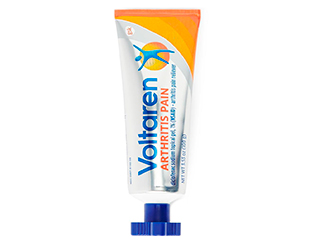
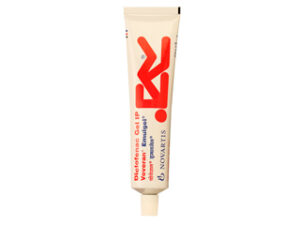
Voltaren Gel (Diclofenac sodium) — Relief for Localised Pain
Voltaren Gel contains diclofenac sodium, a non-steroidal anti-inflammatory drug (NSAID). It is designed to help relieve pain and inflammation in specific areas of the body, such as sore joints in the hands, knees, feet, wrists or elbows. For many people in the UK, topical treatment can be a convenient way to target discomfort while reducing overall exposure to the drug compared with oral NSAIDs.
This page explains what Voltaren Gel is, how it works, how to use it safely, and what to expect. If you are unsure whether it suits your symptoms, consider speaking to a pharmacist or healthcare professional.
Quick Product Facts
- Active ingredient: Diclofenac sodium
- Medicinal form: Topical gel for application to the skin
- Drug class: NSAID (anti-inflammatory pain-reliever)
- Typical uses: Localised joint and soft tissue pain (e.g., osteoarthritis in certain joints, sprains/strains)
- How it’s applied: Directly onto the affected area
- Where you’ll find it: Often available from pharmacies and online UK retailers
How Voltaren Gel Works (Mechanism of Action)
Diclofenac belongs to the NSAID family. It works by reducing the production of certain chemicals in the body—known as prostaglandins—that contribute to pain, inflammation, and swelling.
When applied to the skin, Voltaren Gel delivers diclofenac locally to tissues near the surface. This helps relieve symptoms such as:
- Pain during movement and use
- Inflammation-related discomfort
- Stiffness around affected joints
Important: Voltaren Gel is intended for local symptom relief. It does not cure the underlying condition, but it may help you manage pain to stay active.
Pharmacokinetics: What Happens to Diclofenac in the Body
Pharmacokinetics describes how a medicine is absorbed, distributed, metabolised, and removed by the body.
- Absorption: Diclofenac is absorbed through the skin, but only a portion reaches the bloodstream compared with oral medicines.
- Distribution: After absorption, diclofenac can circulate and reach tissues, though the main action is at/near the application site.
- Metabolism: Diclofenac is processed by the liver (as with many medicines).
- Excretion: Metabolites are mainly eliminated via the kidneys and bile pathways.
Why this matters: Even though systemic absorption from a gel is usually lower than with tablets, you should still use Voltaren Gel according to instructions—especially if you have risk factors related to NSAIDs (see safety section).
Typical Uses and Indications in the UK
Voltaren Gel is used to relieve pain and inflammation associated with conditions affecting nearby joints and soft tissue. Depending on the product strength and formulation available in the UK, it may be indicated for:
- Osteoarthritis in certain joints (for example, the hands, knees, feet—when localised symptoms are present)
- Localized musculoskeletal pain, such as sprains, strains, bruising, or overuse-related discomfort
- Pain in joints where inflammatory symptoms contribute to discomfort
Not for: Voltaren Gel should not be used on areas that are damaged or infected (e.g., cuts, wounds, eczema flare areas), and it should not be applied to the eyes or mucous membranes.
When to Take It: Timing and How Often
Voltaren Gel is usually applied regularly to maintain symptom control. The exact dosing schedule depends on the pack strength and the body area being treated.
- Typical schedule: Apply as directed on the product label, often up to several times daily (commonly 3–4 times daily for certain strengths/indications).
- Consistency: Using it at steady intervals may help maintain pain relief throughout the day.
- Duration: Many people begin to feel relief within days, but some symptoms may take longer. If there is no improvement after the recommended treatment period, seek advice.
Practical tip: Apply the gel after washing and drying the area. Wash your hands before and after application (unless your hands are the treatment site).
Dose and How to Apply (UK-Friendly Guidance)
Correct dosing is key for safety and effectiveness. Voltaren Gel dosing is usually measured by the amount of gel expressed (often described as a “strip length,” such as a certain number of centimetres).
Follow your specific product label or the instructions supplied with your pack. As formulations can vary, the following section gives general guidance.
Typical dosing principles
- Use only the amount instructed for the treated area.
- Treat the affected area only. Do not apply to large surfaces without guidance.
- Do not cover with airtight or occlusive dressings unless advised by a healthcare professional.
- Hands: If you treat your hand or fingers, follow the same dosing instructions and let the gel dry before using hands to avoid transferring it to other body parts.
Step-by-step application
- Clean and dry the affected area.
- Using clean hands, apply a thin layer of gel and gently rub until absorbed.
- Allow to dry before covering with clothing.
- Wash your hands after application (unless the hands are being treated).
What if you miss a dose?
If you forget an application, apply it when you remember—unless it’s close to the next scheduled dose. Do not apply extra gel to compensate.
Food Interactions: Do You Need to Avoid Certain Foods?
Because Voltaren Gel is applied to the skin, food interactions are unlikely. The absorption into the bloodstream is generally lower than with oral NSAIDs, and diclofenac is not dependent on food intake to work in the way tablets can be.
That said:
- If you take other NSAIDs by mouth (e.g., ibuprofen) or have medical conditions affecting the stomach, kidneys, heart, or blood pressure, it’s still important to follow overall medication advice.
- Always check the instructions for your specific product and speak to a pharmacist if you’re unsure.
Alcohol and Medicine Interactions
Alcohol
With topical NSAIDs, the systemic exposure is typically lower than tablets, but diclofenac can still be absorbed. To reduce the risk of side effects, it’s sensible to limit alcohol, especially if you have:
- A history of stomach ulcers or bleeding
- Kidney or liver conditions
- Heart disease or stroke risk
Other medicines
Voltaren Gel may interact with medicines that affect the stomach, kidneys, blood clotting, or blood pressure. Be especially cautious if you use:
- Other NSAIDs (including oral diclofenac, ibuprofen, naproxen)
- Anticoagulants (e.g., warfarin) or medicines that affect blood clotting
- Antiplatelets (e.g., aspirin) used for heart protection
- Corticosteroids
- Diuretics (“water tablets”)
- ACE inhibitors or ARBs (often used for blood pressure and heart conditions)
- Lithium and methotrexate (serious interactions can occur with systemic NSAIDs)
- Other topical products applied to the same area (discuss with a pharmacist if unsure)
Advice: If you take regular medicines, it’s recommended to check with a pharmacist before combining therapies—particularly if you use multiple NSAID products.
Safety Profile and Important Precautions
Most people tolerate Voltaren Gel well when used correctly. However, medicines containing NSAIDs can cause side effects. Because this is a topical medicine, many reactions are skin-related, though rare systemic effects may occur.
Common side effects
- Skin irritation at the application site (e.g., redness, itching, burning)
- Dryness or mild rash
Less common but serious risks
Stop using the gel and seek urgent advice if you develop signs of a severe allergic reaction, such as:
- Swelling of the face, lips, or throat
- Wheezing or severe breathing difficulty
- Widespread rash or blistering
Seek medical advice promptly if you experience:
- Severe or persistent skin reactions
- Unusual bruising or bleeding (especially if you take blood-thinning medicines)
- Symptoms that suggest liver problems (e.g., yellowing of the eyes/skin)
- Kidney-related symptoms (e.g., reduced urination, swelling)
Who should use extra caution?
Please speak to a healthcare professional or pharmacist before using Voltaren Gel if you:
- Have a history of NSAID allergy or asthma triggered by NSAIDs
- Have active stomach ulcer, history of gastrointestinal bleeding, or are using blood thinners
- Have kidney or liver disease
- Have significant heart disease or are at high cardiovascular risk
- Are pregnant (especially later pregnancy)
- Are treating a large area or using it for an extended period
Children
Use in children may depend on age and product strength. Follow the pack instructions carefully and consult a pharmacist for suitability.
Practical Use Tips (Getting the Best Results Safely)
- Apply to intact skin only: Avoid cuts, open wounds, infected skin, or eczematous areas.
- Don’t heat the area: Avoid using heating pads or applying high heat immediately after application, unless advised—heat may increase absorption.
- Avoid contact with eyes and mucous membranes: If accidental contact occurs, rinse thoroughly with water.
- Let it dry: This helps reduce transfer to clothing or other body parts.
- Wash hands: Prevent accidental transfer (for example, to your eyes or face).
- Use alongside movement: Gentle activity can improve joint function. If movement increases pain dramatically, consider speaking to a clinician.
Alternative Options for Pain Relief
Depending on the cause and location of pain, alternatives may include:
Other topical treatments
- Topical NSAIDs (other diclofenac or ibuprofen gels/creams)
- Counter-irritant creams/gels (e.g., menthol or capsaicin-containing products)
Oral pain relief
- Paracetamol (often suitable for many people, especially if NSAIDs are not appropriate)
- Oral NSAIDs (ibuprofen/naproxen) — may carry systemic risks, so use with care
Non-medicine approaches
- Rest and gradual return to activity
- Physiotherapy or exercise therapy
- Heat or cold therapy (avoid heating immediately after applying the gel)
- Supportive devices such as braces or splints if recommended
If symptoms persist, recur frequently, or are severe, a clinician can help confirm the underlying cause and tailor treatment.
Market and Legal Context in the United Kingdom
Voltaren Gel is widely available in the UK through pharmacies and online retailers, and availability may vary by pack size, strength, and indication. In the UK, medicines are regulated to ensure quality, safety, and appropriate supply.
- Regulatory oversight: Medicines sold in the UK must comply with regulatory requirements set by UK medicines authorities.
- Controlled supply: Some higher-strength products or certain uses may require pharmacist involvement or additional checks.
- Consumer information: The pack leaflet and label provide essential details on dosing, duration, contraindications, and warnings.
Product availability: Many OTC topical NSAID formulations are accessible without specialised initiation, but rules can change. Always confirm that the product you’re buying is appropriate for your intended use.
Recent Guidance and Considerations (UK Context)
For musculoskeletal pain, guidance across the UK commonly encourages:
- Topical treatments first for localised joint pain where suitable
- Use the lowest effective dose for the shortest needed duration
- Review treatment if symptoms don’t improve within a reasonable timeframe
- Be cautious with NSAID exposure in people at higher risk (for example, those with ulcer history, kidney disease, or who take anticoagulants)
Because individual risk profiles vary, it’s good practice to check with a pharmacist if you have relevant medical history, take regular medicines, or plan to use Voltaren Gel for more than a short course.
Delivery and Availability (Online UK Pharmacy)
Voltaren Gel is typically stocked by online pharmacies and may be delivered to eligible UK addresses. Delivery options can include:
- Standard delivery: typically 2–5 working days (varies by retailer)
- Express delivery: sometimes available for an additional fee
- Order tracking: many retailers provide confirmation and tracking
Stock and strength: Availability may vary depending on the strength/size of the product. If you need a specific formulation, check the listing details before ordering.
Storage: Keep the gel in the original container, at room temperature, away from direct sunlight and out of reach of children. Do not freeze.
Comparison Table: Practical Overview
| Feature | Voltaren Gel (Diclofenac sodium) |
|---|---|
| Type | Topical NSAID gel |
| Main action | Reduces local inflammation and pain |
| Where it’s applied | To the affected area on intact skin |
| Onset | Some relief may be noticed within days (varies by condition) |
| Key safety focus | Skin reactions; cautious use if you take other NSAIDs/blood thinners |
| Food interactions | Not typically expected with topical use |
| Alcohol | Limit alcohol if you have higher risk of NSAID-related side effects |
FAQ — Common Questions About Voltaren Gel
1) What is Voltaren Gel used for?
Voltaren Gel is used to relieve pain and inflammation in localised musculoskeletal conditions, such as osteoarthritis in certain joints and other types of local joint or soft tissue pain.
2) How long does it take to work?
Many people start to feel improvement within a few days, but this can vary. If you notice little or no improvement after the recommended period on the pack leaflet, consult a pharmacist or clinician.
3) Can I use it on my knee or hand?
It’s commonly used on joints like the knee or hand, provided you follow the pack’s dosing instructions for the relevant body area and apply only to intact skin.
4) Can I put a plaster or bandage over the gel?
Generally, avoid airtight or occlusive dressings unless instructed. If you need to cover the area, choose breathable clothing or follow pharmacist advice.
5) Is Voltaren Gel safe to use with other painkillers?
Be cautious combining with other NSAIDs (including oral NSAIDs). If you are taking regular medicines—particularly anticoagulants, steroids, or other anti-inflammatory drugs—ask a pharmacist for advice before combining.
6) Does it interact with food?
Food interactions are not typically relevant for topical diclofenac gels. However, overall medicine interactions still apply.
7) Can I drink alcohol while using Voltaren Gel?
Moderation is sensible. If you have risk factors for NSAID-related side effects (ulcer history, kidney issues, or you take blood thinners), consider limiting alcohol further and seek advice.
8) What should I do if I get a rash?
Stop using the gel and speak to a pharmacist or clinician, especially if the rash is severe, spreads, or you develop signs of an allergic reaction.
9) Can Voltaren Gel be used by children?
Suitability depends on age and the specific product strength. Always check the pack instructions and consult a pharmacist for guidance.
10) When should I seek medical help?
Seek advice if pain worsens, you develop significant swelling, you suspect injury or infection, symptoms persist beyond the recommended duration, or you experience systemic symptoms such as unusual bleeding, breathing problems, or widespread rash.
Summary
Voltaren Gel (diclofenac sodium) is a topical NSAID for localised pain relief and inflammation control. It works by targeting the pathways that contribute to pain and swelling and is applied directly to the affected area. When used correctly—following dosing instructions, avoiding damaged skin, and being mindful of interactions—many people find it helpful for day-to-day management of joint and musculoskeletal discomfort in the UK.
Always check the pack leaflet for your specific strength and follow the instructions for safe use. If you have any concerns or relevant medical history, ask a pharmacist for tailored advice.