Voltaren (Diclofenac) – Patient Guide (UK)
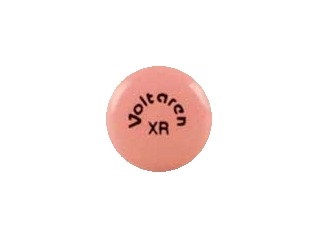
Voltaren is a brand name for medicines containing diclofenac, a well-known anti-inflammatory pain reliever (NSAID). In the UK, diclofenac is available in different forms, including tablets/capsules, gels, and other presentations depending on the product strength and licensing. This guide explains how Voltaren works, how to use it safely, and what to consider regarding food, alcohol, other medicines, and long-term wellbeing.
Important: Always follow the instructions on the package and any guidance from your pharmacist or healthcare professional. Different Voltaren products (oral vs topical) can have different strengths and dosing schedules.
Quick Facts
- Active ingredient: Diclofenac
- Medicine type: NSAID (non-steroidal anti-inflammatory drug)
- Common uses: Pain and inflammation from musculoskeletal conditions (e.g., sprains, strains, arthritis symptoms)
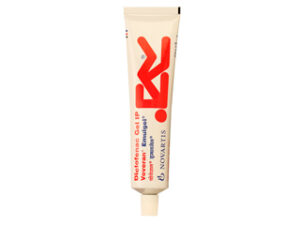
- Available forms (commonly): Oral tablets/capsules and topical gel
- Key safety considerations: Stomach irritation/ulcer risk, kidney effects, and increased risk of cardiovascular events in some people
How Voltaren Works (Mechanism of Action)
Diclofenac works by reducing the production of prostaglandins, chemical messengers in the body involved in pain, fever, and inflammation. It does this by inhibiting the enzymes COX-1 and COX-2, which contribute to prostaglandin formation.
By lowering prostaglandins in affected tissues, Voltaren can help to:
- Reduce pain (especially inflammatory pain)
- Decrease swelling and inflammation
- Improve movement by reducing discomfort
Pharmacokinetics (What the Body Does to Diclofenac)
“Pharmacokinetics” describes how diclofenac is absorbed, distributed, metabolised, and eliminated.
Oral forms
- Absorption: Diclofenac is absorbed from the gut. Peak levels occur after dosing (timing depends on formulation).
- Distribution: It distributes into tissues, including sites related to pain and inflammation.
- Metabolism: Mainly metabolised in the liver.
- Elimination: Excreted primarily via the kidneys and bile/metabolites.
Topical (gel) forms
- Absorption: Less systemic absorption compared with oral diclofenac, though some can still enter the bloodstream.
- Local action: The main effect is at the application site (e.g., painful joint or muscular area).
- Lower overall exposure: Generally, systemic side effects may be reduced compared with oral NSAIDs—however, risks are not zero.
Why this matters: People with liver or kidney disease, older adults, and those on interacting medications should be particularly cautious—especially with oral diclofenac.
Typical Uses in the UK
Voltaren is used to relieve pain and inflammation associated with a range of conditions, especially those affecting the joints and soft tissues. The exact indications depend on the formulation and strength.
Common indications
- Osteoarthritis (symptom relief)
- Rheumatoid arthritis (symptom relief, where appropriate)
- Joint and back pain related to inflammatory conditions
- Sprains, strains, and sports injuries (topical gel may be used for localised pain)
- Muscular pain and inflammation (depending on product licensing)
Note: Always check your specific Voltaren product label for the licensed indication and directions.
When to Take Voltaren (Timing & Dosing Approach)
The timing depends on the type of Voltaren:
- Oral diclofenac: Typically taken at set times during the day to maintain pain relief. Many people take it after food to reduce stomach discomfort.
- Voltaren gel: Applied to the affected area at intervals (commonly several times daily, depending on the product strength and instructions).
General principle: Use the lowest effective dose for the shortest possible duration to manage symptoms.
Dosing (General Guidance)
Dosing varies widely between Voltaren products (tablets/capsules vs gels, and strength). The following is general guidance and should not replace the instructions provided with your specific pack.
Oral diclofenac (tablets/capsules)
- Often taken in divided doses throughout the day.
- Some formulations are modified-release and may require less frequent dosing.
- Follow the pack instructions carefully; never exceed the maximum daily dose listed for your product.
Topical Voltaren gel
- Apply a measured amount to the painful area.
- Wash hands before and after application (unless your hands are the treatment site).
- Do not apply to broken skin and avoid bandages that occlude (unless instructed).
Children and adolescents: Diclofenac use in younger age groups depends on the product and licensing; check the specific pack guidance and ask a pharmacist if unsure.
Food Interactions & Stomach Protection
Oral diclofenac can irritate the stomach lining and increase risk of gastritis, ulcers, or bleeding. Taking it with food may help reduce stomach upset.
- Best practice: Take oral doses after food or with food if your pack recommends it.
- Avoid taking on an empty stomach if you notice indigestion or pain.
- Consider gastro-protection only when advised: Some people at higher risk may be prescribed stomach-protecting medication by a healthcare professional.
Topical diclofenac gel: Food does not usually affect gel use because systemic absorption is lower.
Alcohol and Medicine Interactions
Combining diclofenac with alcohol can increase the risk of stomach bleeding and may worsen dizziness or side effects in some people. For this reason, it’s generally advisable to:
- Limit alcohol while using Voltaren
- Avoid heavy drinking
- Stop and seek advice if you develop symptoms such as black/tarry stools, vomiting blood, or severe stomach pain
Alcohol can also increase the likelihood of adverse effects in people with liver disease or those taking medicines that affect the nervous system.
Medicine Interactions (What to Check)
Diclofenac interacts with several medicine groups. Tell your pharmacist if you take any other medicines, including over-the-counter products.
Common interaction risks
- Other NSAIDs (e.g., ibuprofen, naproxen, aspirin for pain): increased risk of stomach bleeding and kidney problems.
- Anticoagulants (e.g., warfarin) and antiplatelet agents (e.g., clopidogrel): increased bleeding risk.
- Selective serotonin reuptake inhibitors (SSRIs) (e.g., sertraline, fluoxetine): may increase risk of gastrointestinal bleeding.
- Corticosteroids (e.g., prednisolone): increased risk of stomach ulcers/bleeding.
- Diuretics (water tablets) and certain blood pressure medicines (ACE inhibitors/ARBs): can affect kidney function; monitoring may be needed.
- Lithium: diclofenac may increase lithium levels.
- Methotrexate: may increase toxicity, especially at higher doses or in certain settings.
- Digoxin: may increase digoxin levels.
Do not combine: Avoid using multiple NSAIDs at the same time unless a clinician has advised it.
Safety Profile and When to Avoid Voltaren
Like all NSAIDs, diclofenac can cause side effects. Most people tolerate it well when used correctly, but risks increase with higher doses, longer duration, and certain medical histories.
Common side effects
- Stomach discomfort, heartburn, nausea
- Headache or dizziness
- Skin reactions where gel is applied (for topical products)
Serious side effects – get urgent advice
Seek urgent medical help if you experience:
- Signs of stomach bleeding: black/tarry stools, vomiting blood, severe persistent stomach pain
- Allergic reaction: swelling of the face/lips, wheezing, severe rash
- Breathing problems (especially if you have asthma that worsens with painkillers)
- Chest pain, sudden breathlessness, weakness on one side, or speech problems
- Reduced urination or swelling of legs/ankles (possible kidney issues)
Who should be extra cautious
Discuss diclofenac with a pharmacist or clinician before use if you have:
- A history of stomach ulcer or gastrointestinal bleeding
- Cardiovascular disease or risk factors (e.g., uncontrolled high blood pressure, high cholesterol, smoking)
- Kidney disease or dehydration
- Liver disease
- Asthma triggered by aspirin or NSAIDs
- Use of medicines that increase bleeding risk (e.g., anticoagulants)
Practical Tips for Safe Use
Using Voltaren gel safely
- Apply only to the affected area.
- Do not apply to broken skin or open wounds.
- Allow it to dry before covering with clothing.
- Wash your hands after application.
- Keep away from eyes and mucous membranes.
- Do not use together with a heat source over the same area unless instructed (e.g., avoid heating pads on top).
Using oral diclofenac safely
- Take with food or after a meal if possible.
- Do not take with other NSAIDs.
- Stay hydrated, especially if you are older or have kidney concerns.
- Stop and seek advice if stomach symptoms become severe or persistent.
- Use the lowest effective dose for the shortest time.
Duration of self-care
If your pain is not improving after a short period (as suggested on the product packaging) or if it worsens, seek advice. Persistent pain may need assessment to identify underlying causes.
Alternative Options (Depending on Your Situation)
If Voltaren isn’t suitable, there are other options for pain relief and inflammation. Alternatives include:
Non-drug options (often helpful)
- Rest from aggravating activities (while keeping gentle movement as advised)
- Ice or heat depending on the condition (ice for acute injuries, heat for stiffness)
- Physiotherapy/exercise for arthritis and musculoskeletal pain
- Supportive devices (e.g., braces, ergonomic adjustments)
Medication alternatives
- Paracetamol (often used for pain relief; does not directly reduce inflammation)
- Other NSAIDs (e.g., ibuprofen or naproxen) may be alternatives, but still carry similar risk categories.
- Topical analgesics (e.g., gels/creams depending on local availability)
- For inflammatory arthritis: clinicians may consider non-NSAID treatments depending on diagnosis
If you have higher risk factors (history of ulcers, kidney disease, heart disease), ask a pharmacist which option is safest for you.
Market and Legal Context (United Kingdom)
In the UK, NSAIDs including diclofenac are widely available in different formulations. Their availability may differ between:
- Over-the-counter products (where licensing allows)
- Pharmacy-only or other controlled supply routes (depending on strength and form)
UK medicines are monitored through national systems and safety updates. Patients are encouraged to report suspected side effects via the Yellow Card Scheme (run by the UK regulator) and to follow current advice from reputable healthcare sources.
Recent guidance considerations (general): UK safety messaging for NSAIDs has increasingly focused on using the lowest effective dose, shortest duration, and assessing cardiovascular and gastrointestinal risk—especially for diclofenac and other higher-risk NSAIDs. Always check the advice relevant to your product and your personal risk profile.
Delivery and Availability
Voltaren (diclofenac) availability depends on the product type and strength. Many Voltaren products are stocked by UK pharmacies and may be available through online pharmacy services.
- Availability: Commonly available; topical gels are often widely stocked.
- Delivery: Delivery options and timelines vary by retailer and postcode. Orders are typically processed promptly during business hours.
- Packaging: Medicines are supplied in manufacturer packaging where possible for proper identification and safe use.
- Storage: Store according to the pack instructions (often away from excessive heat and sunlight; keep out of reach of children).
If you have specific delivery needs (e.g., next-day or nominated delivery), check the delivery policy on the product page before placing an order.
FAQ – Voltaren (Diclofenac)
1) Is Voltaren the same as ibuprofen or naproxen?
Voltaren contains diclofenac. Ibuprofen and naproxen are different NSAIDs, but they work in broadly similar ways (reducing prostaglandins). They can differ in side-effect risk and dosing schedules, so don’t assume one is interchangeable without checking your product instructions and your pharmacist’s advice.
2) Can I use Voltaren gel and oral diclofenac together?
Using multiple diclofenac-containing products may increase overall NSAID exposure and side effects. Combination use should generally be avoided unless specifically advised for your situation. If you’re considering combining forms, ask a pharmacist to confirm a safe plan.
3) How quickly does Voltaren work?
Many people notice improvement within hours. Topical gel may show benefit as inflammation reduces at the application site. If you don’t notice any improvement within the timeframe suggested on the pack, seek advice.
4) What should I do if I miss a dose?
Follow the product instructions. In general, if you miss a dose, take it when you remember unless it’s close to the next scheduled dose. Don’t take double doses to make up for a missed dose.
5) Can I take Voltaren with food?
Yes. Taking oral diclofenac with or after food may reduce stomach irritation. For gel, food interactions are not usually relevant.
6) Are there food interactions I should worry about?
There are no common “must-avoid” foods for diclofenac in the way there are for some medicines. However, because NSAIDs can irritate the stomach, eating may help reduce discomfort.
7) Can I drink alcohol while using Voltaren?
It’s best to limit alcohol while taking diclofenac, because alcohol can increase the risk of stomach bleeding and may worsen side effects. Avoid heavy drinking and seek help if you experience bleeding symptoms.
8) Who should not use Voltaren?
Voltaren may not be suitable for people with:
- A history of NSAID-related allergic reactions
- Active stomach ulcer or recent gastrointestinal bleeding
- Severe heart failure or significant cardiovascular disease (depending on circumstances)
- Significant kidney problems (especially with oral forms)
If you’re unsure, ask a pharmacist before use.
9) What are the signs of a serious reaction?
Stop using Voltaren and get urgent help if you develop:
- Breathing difficulties, swelling of the face/lips, severe rash
- Black stools, vomiting blood, or severe stomach pain
- Chest pain or sudden breathlessness
- Marked reduction in urine or unusual swelling
10) What can I use instead if diclofenac doesn’t suit me?
Alternatives may include paracetamol, other non-drug approaches (ice/heat, exercise, physiotherapy), or different anti-inflammatory strategies depending on diagnosis. Your pharmacist can help you choose the safest option for your risk factors.
Summary
Voltaren (diclofenac) is an NSAID used in the UK to relieve pain and inflammation, particularly from musculoskeletal conditions. It works by reducing prostaglandins, which are key drivers of pain and swelling. While many people benefit from Voltaren, it’s important to use the lowest effective dose for the shortest duration, take oral forms with food if needed, and be aware of potential stomach, kidney, and cardiovascular risks. If you have medical conditions or take other medicines, check interactions—your pharmacist can help you choose the safest way to manage your symptoms.