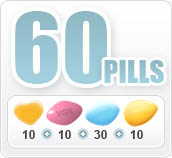

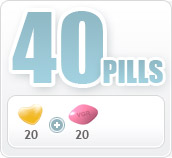
Weekend Pack – Patient Information (United Kingdom)
Weekend Pack is an easy-to-use course format of medicines designed to support treatment over a short period, typically around a weekend. The exact contents of a Weekend Pack can vary depending on the specific product variant sold by different suppliers (for example, packs intended for travel-related issues, short-term symptom relief, or particular treatment schedules).
This patient-friendly guide explains how the Weekend Pack is generally used in the UK, including how it works, typical timing, interactions, safety information, and practical tips. To ensure accuracy for your specific pack, always check the label and leaflet inside your box for the exact ingredients and dosing schedule.
Key Product Information
- Product name: Weekend Pack
- Use: Short-course treatment designed for use over a weekend period
- Form: Typically oral tablets or capsules, supplied as a labelled course pack
- Who it’s for: People who have been advised to use the specific Weekend Pack variant for their condition
- Setting: Self-management at home, following the instructions on the pack and patient information leaflet
- Availability: Widely available through UK pharmacies and approved online pharmacy services, subject to eligibility and product variant
Important: Because the Weekend Pack is a course format, the active ingredients and dosing may differ by variant. If you are unsure which pack you have, check the product name/strength on the outer packaging.
How Weekend Pack Works (Mechanism of Action)
The mechanism of action depends on the specific medicine(s) included in your Weekend Pack variant. Many weekend-course products contain medicines that:
- Target symptoms directly (for example, relieving pain, inflammation, or specific discomfort), or
- Support treatment of an underlying cause by acting on receptors, enzymes, or biological pathways related to the condition, or
- Reduce inflammatory response or inhibit growth of disease-causing organisms (if an antimicrobial is included), or
- Alter body processes to correct a short-term imbalance (for example, certain hormonal or metabolic pathways in specialist regimens).
Follow your leaflet for the precise way your particular active ingredient works. If you would like, you can share the active ingredient names and strengths printed on your box (no personal details), and we can help explain that specific mechanism more precisely.
Pharmacokinetics (How the Body Processes It)
“Pharmacokinetics” describes what happens after you take the medicine—how it is absorbed, distributed, metabolised, and eliminated. The details vary by ingredient. In general, for common short-course medicines used in weekend-style packs:
- Absorption: Many oral medicines are absorbed through the gut. Some start working within hours, but maximum effect can take longer.
- Distribution: The medicine may bind to blood proteins and travel to relevant tissues.
- Metabolism: The liver often processes medicines into active or inactive metabolites.
- Elimination: Excretion may occur through the kidneys (urine), the gut (faeces), or both.
What this means for you: Taking doses at the recommended times improves the chance of consistent blood levels and effectiveness. If a dose is missed, the correct “catch-up” approach is described in the leaflet—do not invent a schedule.
Typical Use and Indications
Weekend Pack variants are designed for specific conditions and treatment goals. Depending on the active ingredients, these packs may be used for:
- Short-term treatment of a defined condition
- Symptom relief over a limited timeframe
- Management of recurring episodes when a brief course is clinically appropriate
- Other indications described in the patient leaflet for your pack
Indications and suitability are determined by:
- Your age and medical history
- Other medicines you take
- Allergies or prior reactions
- Any relevant UK guidance for the specific condition
Always use the Weekend Pack only for the condition and schedule for which it was supplied.
How to Take Weekend Pack (Dosing & Timing)
Because Weekend Packs can contain different medicines, dosing rules must be taken from your specific leaflet and label. Below is general guidance on how weekend-style course packs are commonly structured.
Typical dosing approach (general)
- Follow the pack schedule: Doses are usually arranged by day (e.g., Friday/Saturday/Sunday) or by “Day 1–Day N”.
- Use at consistent times: If the leaflet says “morning and evening,” aim for regular times.
- Complete the course: Even if you feel better, finish the recommended doses unless you are advised to stop.
- Swallow with water: unless your leaflet specifies otherwise.
Starting point
Most weekend packs are intended to begin at a defined time (often at the start of the weekend). Choose a start time that matches the leaflet guidance and fits your routine.
If you miss a dose
If you miss a dose, check your leaflet for the correct advice. In general:
- Do not double up unless the leaflet explicitly instructs you to.
- Take the next dose at the scheduled time, and continue the course as directed.
- If you are unsure, contact the pharmacy or clinician who provided the pack.
Example timing pattern (illustrative only)
Use only if it matches your leaflet:
| Day | Time of dose | Notes |
|---|---|---|
| Friday | Morning | Start the course as directed by your label |
| Friday | Evening (if applicable) | Keep intervals consistent |
| Saturday | Morning / Evening | Continue according to schedule |
| Sunday | Final dose (if applicable) | Finish the course |
Always verify with your pack: The exact schedule, number of doses, and day count can differ between products.
Food Interactions (Taking With or Without Meals)
Whether you should take Weekend Pack with food depends on the active ingredient(s). Many medicines can be taken with or without food, but some have improved absorption or reduced stomach irritation when taken with food.
General food guidance
- Check the leaflet: it will specify “with food,” “after food,” or “on an empty stomach.”
- Heartburn or nausea: if you experience stomach upset, taking with a small snack may help (unless the leaflet advises otherwise).
- Avoid heavy meals right around dosing: for medicines requiring quick absorption, very large fatty meals may affect uptake.
Special dietary considerations: Some medicines interact with certain foods or supplements (for example, those containing minerals or affecting gut pH). If your leaflet mentions interactions with milk/dairy, antacids, iron, or vitamin supplements, follow those instructions closely.
Alcohol and Medicine Interactions
Alcohol can increase side effects such as drowsiness, dizziness, nausea, or stomach irritation for some medicines. It can also affect how your body processes certain drugs.
General advice
- It’s safest to limit or avoid alcohol during the course unless your leaflet explicitly says it’s acceptable.
- If you choose to drink, do so in moderation and monitor how you feel.
- Do not drive or operate machinery if you feel sleepy or unwell.
Red flags
- Severe dizziness or fainting
- Vomiting that won’t stop
- Rash, facial swelling, or breathing difficulty
If any of these occur, seek urgent medical advice.
Always check interactions: Alcohol may interact differently depending on the ingredient(s) in your Weekend Pack variant.
Safety Profile
Weekend Pack safety depends on the medicines included. Below is a general, patient-friendly overview of what to watch for with short-course medicines.
Common side effects (may occur)
- Mild nausea or stomach upset
- Headache
- Diarrhoea or changes in bowel habits (if relevant to your medicine)
- Feeling tired or slightly dizzy
- Heartburn or indigestion (some medicines)
Less common but important risks
- Allergic reactions (rash, itching, swelling, breathing difficulty)
- Severe skin reactions (especially if fever, widespread rash, blisters, or mouth sores occur)
- Liver or kidney problems in susceptible individuals (the leaflet will specify warning signs)
- Interactions with other medicines (including prescription and over-the-counter products)
Who should take extra care
Seek medical or pharmacist advice before using if you:
- Are pregnant, trying to conceive, or breastfeeding
- Have liver or kidney disease
- Have a history of severe allergies
- Take multiple regular medicines (including blood thinners, anti-epileptics, or medicines for mental health)
- Have conditions affecting swallowing or stomach emptying
When to stop and get help
Stop taking the medicine and contact urgent medical services if you develop signs of a serious reaction (for example, breathing difficulty, facial swelling, severe rash, or severe or persistent vomiting/diarrhoea).
Practical Use Tips for the Weekend Pack
- Plan ahead: Keep the pack somewhere visible (for example, near your toothbrush or medication shelf).
- Use the labelled days: Don’t mix up tablets/capsules between days.
- Set reminders: Phone alarms help prevent missed doses during busy weekends.
- Stay hydrated: especially if you experience mild GI upset.
- Monitor symptoms: note whether symptoms are improving and whether any side effects are significant.
- Don’t share medicines: only use your pack for the intended person and condition.
- Keep the box: you may need it if you have questions or if side effects occur.
Travel tip: If travelling, ensure you have the pack in your carry bag and keep it protected from heat and moisture.
Alternative Options
If the Weekend Pack isn’t suitable, there may be alternative regimens depending on your condition and clinical context. Alternatives can include:
- Longer course options with the same active ingredient(s) but different dosing frequency
- Different formulations (for example, liquid vs tablet, or different strengths)
- Different active ingredients if side effects, interactions, or contraindications apply
- Non-medicine approaches for symptom control (where appropriate)
Your pharmacist can advise on options available in the UK for the same condition, including suitable substitutes if you cannot take part of the regimen.
Market and Legal Context (United Kingdom)
In the UK, medicines are regulated by the Medicines and Healthcare products Regulatory Agency (MHRA) and medicines supply is overseen through established healthcare and pharmacy frameworks. How a Weekend Pack can be supplied may vary based on:
- Product classification (for example, whether it is a prescription-only medicine, a pharmacy medicine, or a general sale medicine)
- Approved indications and patient selection criteria
- Safety screening requirements undertaken by the supplying pharmacy service
- Availability and stock rotation through UK distribution channels
Online pharmacies in the UK must operate in line with applicable legislation, provide clear product information, and ensure appropriate guidance is accessible for safe use.
Recent guidance note: Guidance for treatment of specific conditions can change over time due to new evidence or evolving safety information. Your supplying pharmacy may update recommendations accordingly and you should follow the latest leaflet instructions and any advice provided with your order.
Recent Guidance and Updates (How to Stay Current)
Because guidance may evolve—especially where medicines are used for time-limited regimens—check:
- The patient information leaflet
- Any advice provided by your pharmacy at time of supply
- UK NHS or professional guidance relevant to the condition
If you have questions after reading your leaflet, contact the pharmacy’s customer support or a pharmacist for clarification.
Delivery, Availability, and What to Expect
Weekend Pack availability can vary by supplier and stock levels. When ordering online in the UK, you can generally expect:
- Pack dispatch times: typically within 24–72 hours on working days (varies by pharmacy)
- Delivery methods: standard or tracked delivery options at checkout
- Packaging: discreet outer packaging to protect privacy
- Temperature: most tablet/capsule packs are stable at typical ambient conditions; follow storage instructions on the label
Plan for the weekend: If your weekend starts soon, check the delivery estimates before ordering and allow time for processing.
Availability limitations: Some pack variants may be limited based on eligibility or supply chain factors. If a specific variant is unavailable, the pharmacy may offer an alternative product or schedule where appropriate.
FAQ – Weekend Pack
1. What is the Weekend Pack?
The Weekend Pack is a course-format medicine designed for short-term use across a weekend schedule. The exact medicine(s) and dosing depend on the specific pack variant. Always use the instructions on your label and leaflet.
2. How quickly will it start working?
Many medicines begin working within hours, while others take longer to reach maximum effect. Your leaflet provides the expected timeframe for your specific ingredient and condition.
3. Can I take it with food?
It depends on the ingredients. Some medicines are taken with meals to reduce stomach upset, while others work best without food. Check your leaflet for specific guidance.
4. Can I drink alcohol during the course?
It’s usually safest to avoid or limit alcohol during treatment unless your leaflet says it is acceptable. Alcohol may increase side effects such as dizziness, nausea, or irritation.
5. What if I miss a dose?
Follow the missed-dose instructions in your leaflet. In general, do not double up unless explicitly instructed. If you’re unsure, contact the pharmacy for advice.
6. Are there interactions with other medicines?
Yes, interactions are possible. Inform your pharmacy about all medicines and supplements you take—including over-the-counter products (such as antacids, cold remedies, and herbal preparations). The leaflet also lists known interactions for your ingredients.
7. Who should not use this pack?
Suitability depends on the active ingredients and your health circumstances (for example, allergies, pregnancy/breastfeeding, liver/kidney disease, and medication interactions). If you are unsure, ask a pharmacist.
8. What side effects are normal?
Mild side effects like headache or stomach upset may occur with some medicines. However, severe or worsening symptoms are not expected. If you develop signs of allergy or serious illness, seek urgent help.
9. Can I drive or use machinery?
If the medicine causes drowsiness, dizziness, or blurred vision, avoid driving and machinery until you know how you react. The leaflet will include a specific warning where relevant.
10. Is the Weekend Pack the same as other weekend regimens?
Not necessarily. The term “Weekend Pack” describes a course format; contents and dosing vary by brand/variant and condition. Always confirm you have the correct pack for your planned schedule.
11. How should I store the Weekend Pack?
Store according to the label instructions. Common storage guidance is to keep medicines at room temperature, away from direct sunlight, moisture, and out of reach of children.
12. Where can I get more help?
If you have questions about timing, side effects, or interactions, contact the pharmacy that supplied your pack. For urgent concerns or severe symptoms, seek immediate medical advice.
Final reminder: This page provides general patient information. For your specific Weekend Pack variant, always read the packaging and leaflet instructions included with your product. If you are uncertain about any part of the schedule, ask a pharmacist before taking the next dose.