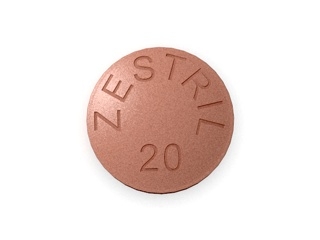


Zestril (Lisinopril) – Patient Information (UK)
Zestril is a brand of lisinopril, a medicine widely used to treat high blood pressure and certain types of heart and kidney problems. This page is designed to be clear and patient-friendly, with practical information about how lisinopril works, how it is typically taken, and what to watch for in everyday life in the United Kingdom.
Important: This information supports understanding. Always follow the specific advice given by your healthcare professional. If you have questions about whether Zestril is right for you, speak with a clinician or pharmacist.
Basic product information
| Item | Details |
|---|---|
| Medicinal product | Zestril |
| Active ingredient | Lisinopril |
| Medicine class | ACE inhibitor (Angiotensin Converting Enzyme inhibitor) |
| Common strengths | Available in multiple strengths (e.g., 2.5 mg, 5 mg, 10 mg, 20 mg; availability may vary by supplier) |
| How it is taken | Oral tablets, usually once daily for many indications |
| Who it is for | Adults (and specific populations in certain circumstances as advised by clinicians) |
How Zestril works (mechanism of action)
Lisinopril belongs to a group called ACE inhibitors. In the body, ACE (angiotensin converting enzyme) helps produce angiotensin II, a hormone that causes blood vessels to tighten (narrow) and stimulates the body to retain salt and water.
By blocking ACE, lisinopril:
- Widens blood vessels (reduces “afterload”), which lowers blood pressure.
- Reduces strain on the heart in conditions such as heart failure.
- Helps reduce harmful effects of high pressure on organs, including the kidneys.
- May decrease protein loss in the urine in some patients (important in kidney protection strategies).
Overall, ACE inhibition improves circulation and helps control long-term cardiovascular risk.
Pharmacokinetics (how the body handles it)
Absorption: Lisinopril is taken by mouth and is absorbed from the gut. The presence of food may not drastically change absorption, but individual tolerance and routine can influence side effects.
Onset: Blood pressure lowering begins within a few hours after a dose. Full benefit can take several weeks as the body adapts.
Distribution and protein binding: Lisinopril does not extensively bind to plasma proteins.
Metabolism and elimination: Lisinopril is largely excreted unchanged by the kidneys. This is why kidney function and hydration status are important when determining dose and monitoring.
Half-life: The duration of action is typically long enough for once-daily dosing in many cases.
Monitoring matters: Because it is cleared by the kidneys, your healthcare team may monitor blood pressure, serum creatinine, and potassium levels at baseline and during dose changes.
Typical uses in the UK
In the United Kingdom, lisinopril is commonly prescribed for:
- Hypertension (high blood pressure) – to lower blood pressure and reduce stroke and heart disease risk.
- Heart failure (including symptom control and improving outcomes in appropriate patients) – often as part of a wider heart failure regimen.
- After myocardial infarction (heart attack) – for selected patients to support long-term outcomes.
- Diabetic kidney disease or proteinuric kidney disease – in certain circumstances to slow progression.
The exact indication and suitability depend on your overall health, kidney function, blood pressure, and other medicines you may already take.
When to take Zestril (timing and routine)
For many people, Zestril is taken once daily at about the same time each day. Choose a time that helps you remember (for example, morning or evening).
Key timing points:
- Consistency helps – regular dosing maintains steadier blood levels and blood pressure control.
- After a dose change, monitoring is often required more closely because blood pressure and blood chemistry can shift.
- If you feel dizzy after taking your tablet, taking it at bedtime may help some people—however, confirm with your clinician or pharmacist.
Missed dose: Take it when you remember unless it is close to the time for your next dose. Do not double up. If you’re unsure, ask a pharmacist for advice based on your dosing schedule.
Food interactions
Food is usually not a major issue with lisinopril. Many patients can take it with or without food. That said, routine matters for tolerability.
- If taking it on an empty stomach makes you feel light-headed, taking it with food may improve comfort.
- If you experience stomach upset, consistent timing with meals can help.
Do not drastically change your fluid intake or salt intake without advice, because sudden changes may affect blood pressure and kidney function.
Alcohol and medicine interactions
Alcohol: Alcohol can lower blood pressure and may increase the chance of dizziness or fainting, especially when you start Zestril or after your dose is increased. If you drink alcohol, consider:
- Start with small amounts until you know how the combination affects you.
- Avoid heavy drinking, particularly during the early weeks of treatment.
- Be cautious if you are dehydrated (e.g., after vomiting or diarrhoea).
Hydration and illness: If you become unwell with vomiting/diarrhoea or you are unable to drink normally, you may be at higher risk of kidney-related side effects. Many UK clinicians advise temporary “sick day” steps for certain medicines, including ACE inhibitors, but always follow the plan provided to you.
Medicine interactions (important safety information)
Some medicines can interact with lisinopril in ways that affect kidney function, potassium levels, or blood pressure. Always tell your pharmacist or clinician about all medicines and supplements you use, including over-the-counter products.
Common interaction categories
- Potassium supplements and potassium-containing salt substitutes
ACE inhibitors can raise potassium. Extra potassium can increase the risk of hyperkalaemia, which may cause muscle weakness or heart rhythm problems. - Diuretics (“water tablets”)
Some diuretics can lower blood pressure further. Combined effects may be beneficial, but kidney function and electrolytes may need closer monitoring. Thiazides or loop diuretics are often used with ACE inhibitors, but dosing and monitoring are key. - Other blood pressure medicines
Increased blood-pressure-lowering effect is possible, which can lead to dizziness or low blood pressure in some people. - Non-steroidal anti-inflammatory drugs (NSAIDs) (e.g., ibuprofen, naproxen)
Using NSAIDs regularly with an ACE inhibitor can increase the risk of kidney problems and may reduce the blood pressure effect in some patients. Occasional use may be different from regular use—seek advice. - Medicines affecting potassium (e.g., certain diuretics like spironolactone; heparin; some immunosuppressants)
These can also raise potassium and require monitoring. - Lithium
ACE inhibitors can increase lithium levels and toxicity risk. This combination usually requires strict monitoring or may be avoided. - Trimetoprim (antibiotic) and some other medicines that can raise potassium
Herbal and supplement considerations
- Licorice (including some herbal remedies) may affect blood pressure and potassium balance.
- “Salt substitutes” often contain potassium—avoid unless specifically recommended.
- Always check with a pharmacist before starting new supplements.
Dose and how it is usually started (general guidance)
Dose depends on your condition, kidney function, blood pressure, and other medicines. Your prescriber will tailor your dose and monitoring schedule.
Typical starting and maintenance approaches (illustrative):
- Hypertension: Treatment often starts at a low dose and is increased gradually until blood pressure targets are reached.
- Heart failure: Usually starts at a low dose because people with heart failure may be more sensitive to blood pressure changes and kidney/electrolyte shifts.
- After myocardial infarction: Dose may be initiated within the clinical timeframe after a heart attack in appropriate patients, with careful monitoring.
- Renal protection / diabetic kidney disease: Dose aims to achieve kidney- and cardiovascular-protective blood pressure targets while maintaining safe potassium and kidney function.
How titration typically works:
- Your clinician may increase the dose at intervals (commonly every 1–2 weeks in early stages, but this varies).
- Blood tests may be repeated after changes to check kidney function and potassium.
- Targeting blood pressure is the goal, but tolerability (dizziness, low BP) and lab results guide dose adjustments.
If kidney function is reduced: doses may be lower and monitoring more frequent, since lisinopril is cleared by the kidneys.
Safety profile: what to know and what to watch for
Most people tolerate lisinopril well, but like all medicines it can cause side effects. Many are mild and improve as your body adjusts; others require urgent medical attention.
Common or expected side effects
- Dizziness, especially at the start or after a dose increase (often related to blood pressure changes)
- Dry, persistent cough (class effect of ACE inhibitors)
- Headache
- Tiredness or weakness
- Low blood pressure symptoms (light-headedness)
Less common but important side effects
- Changes in kidney function (seen in blood tests) – particularly after starting or increasing dose
- High potassium (hyperkalaemia) – may be detected in blood tests; sometimes muscle weakness or palpitations occur
- Rash or itching
- Altered taste sensation (reported by some patients)
Seek urgent medical help
Get urgent medical advice if you develop symptoms that could suggest angioedema (swelling of deeper layers of skin) or severe allergic reactions.
- Swelling of the face, lips, tongue, or throat
- Difficult breathing or swallowing
- Severe dizziness or collapse
Note: Angioedema is rare, but it is a known ACE inhibitor risk. If it occurs, emergency care is essential.
Pregnancy and breastfeeding warnings (UK safety context)
- Pregnancy: ACE inhibitors are generally not recommended during pregnancy due to known risks to the unborn baby. If you become pregnant, contact your healthcare professional promptly for review and alternatives.
- Breastfeeding: use may depend on the specific situation. Discuss with a clinician or pharmacist for guidance.
Practical use tips for everyday life
- Stand up slowly to reduce dizziness (especially after sitting/lying).
- Attend blood test appointments. They help ensure potassium and kidney function remain safe.
- Check your blood pressure if advised. Home readings can help your clinician adjust treatment.
- Avoid potassium “salt substitutes” unless explicitly approved.
- Keep hydrated, particularly during hot weather or if you’re unwell.
- Be cautious with NSAIDs for pain relief. Ask a pharmacist about safer options if you use painkillers frequently.
- Inform healthcare professionals (including dentists and urgent care services) that you take lisinopril.
Family/ethnic considerations: Some people are at higher risk of ACE inhibitor cough or angioedema. Your clinician will consider personal risk factors when selecting treatment.
Alternative options
If lisinopril isn’t suitable (for example due to side effects such as cough, or because your blood tests show risks), clinicians may consider other therapies depending on the condition being treated.
Within the same treatment goals
- ARBs (Angiotensin II Receptor Blockers) (e.g., losartan, valsartan, candesartan)
Often used when ACE inhibitors are not tolerated. ARBs can still affect kidney function and potassium, but they typically cause less ACE-inhibitor cough. - Calcium channel blockers (e.g., amlodipine)
Common for blood pressure control; do not raise potassium in the same way. - Thiazide-like diuretics (e.g., indapamide) or other diuretics
Useful for hypertension and sometimes heart failure. - Beta-blockers (e.g., bisoprolol, carvedilol)
Used particularly for heart failure or after heart attack in appropriate patients. - Other add-on therapies depending on your risk profile (your clinician will select based on your diagnosis).
The best alternative depends on your medical history, blood tests, other medicines, and treatment targets.
UK market and legal context (availability and prescribing)
In the United Kingdom, Zestril (lisinopril) is an established medicine used in routine primary and secondary care. Like most cardiovascular medicines, it is regulated and dispensed according to UK medicines legislation and clinical practice.
What this means for you:
- Your local pharmacy will supply Zestril based on the approved route and your individual treatment plan.
- Pharmacies may request information relevant to safe use (for example, your current medicines list, allergy history, and any monitoring results).
- Some strengths and pack sizes may vary by supplier and local availability. Online pharmacies may list different brands or generics depending on stock.
To stay up to date with your own care, always check with your healthcare professional about the most appropriate dose and ongoing monitoring for your situation.
Recent guidance and monitoring themes (UK clinical practice)
Across recent UK cardiovascular and primary care guidance, common themes for ACE inhibitors like lisinopril include:
- Regular monitoring of kidney function and potassium, particularly:
- after initiation
- after dose increases
- when new medicines are started (especially diuretics/NSAIDs/potassium-related medicines)
- Use of “sick day” advice in certain illnesses (vomiting/diarrhoea or dehydration), to reduce risk of kidney injury.
- Patient education about cough, dizziness, and allergy warning signs such as facial/throat swelling.
- Blood pressure targets and lifestyle measures as part of long-term risk reduction.
Your clinician may adjust these practices based on your comorbidities (e.g., kidney disease, diabetes, heart failure) and lab results.
Delivery and availability (online pharmacy information)
Online pharmacies in the UK typically deliver medicines using appropriate packaging to protect tablets and meet regulatory requirements. Availability can vary by strength and pack size. Delivery times depend on:
- Stock status at the pharmacy
- Your location in the UK
- Courier schedules and service level chosen at checkout
Packaging and handling: Medicines are normally shipped in tamper-evident packaging. Store tablets according to the instructions on the patient leaflet and keep out of sight and reach of children.
If you need urgent supply: Contact the pharmacy customer service. Many providers can advise on alternatives or delivery options within UK service constraints.
FAQ about Zestril (lisinopril)
1) Is Zestril the same as lisinopril?
Yes. Zestril is a brand name for tablets containing the active ingredient lisinopril. Other brands or generic lisinopril may be available depending on stock and supply.
2) How quickly will it work?
Blood pressure lowering may start within a few hours after a dose, but the full effect—especially for long-term risk reduction—often takes several weeks as your body adjusts.
3) Why do I need blood tests?
Lisinopril can affect kidney function and potassium levels. Testing helps ensure these remain within safe ranges, particularly after starting or increasing dose.
4) Will I definitely get a cough?
A dry, persistent cough is a known side effect of ACE inhibitors, but not everyone gets it. If you develop troublesome coughing, discuss it with your pharmacist or clinician—alternatives may be considered.
5) What should I do if I feel dizzy?
Dizziness can be due to lowered blood pressure. Sit or lie down if you feel faint, and avoid sudden standing. If dizziness is severe, persistent, or you feel you might faint, seek medical advice promptly. Your clinician may adjust your dose.
6) Can I take ibuprofen or other painkillers?
Occasional use may be possible for some people, but regular NSAID use can increase kidney risks when combined with ACE inhibitors. Ask a pharmacist about the safest option for your pain and medical history.
7) Can I drink alcohol while taking Zestril?
Light to moderate alcohol may be tolerated by many people, but alcohol can worsen dizziness and lower blood pressure. Avoid heavy drinking and be cautious, especially when starting treatment.
8) What happens if I miss a dose?
Take it when you remember unless it is near the time of your next dose. Do not take double doses. If unsure, seek advice from a pharmacist.
9) Are there dietary restrictions?
There are no strict diets for everyone, but avoid potassium-containing salt substitutes unless your clinician specifically recommends them. If you have kidney disease or diabetes, your clinician may provide personalised dietary guidance.
10) Who should take extra care?
Extra caution is often needed if you have kidney disease, diabetes, low blood pressure, dehydration risk, or you take medicines that affect potassium or kidney function.
Final note: If you ever experience symptoms such as facial swelling, trouble breathing, or severe allergic-type reactions, seek urgent help immediately. For other concerns, talk to your healthcare professional or pharmacist.