
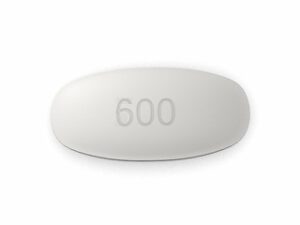
Zyloprim (Allopurinol) — Patient Information
What is Zyloprim?
Zyloprim is the brand name of allopurinol, a medicine used to lower the level of uric acid in the body. It is commonly used to prevent and treat conditions caused by high uric acid, such as gout and certain types of kidney stones.
This guide is written to help you understand how Zyloprim works, how it is typically taken, and what to expect. It also covers important safety information and practical tips for everyday use in the United Kingdom.
Basic product information
- Active ingredient: Allopurinol
- Brand name: Zyloprim
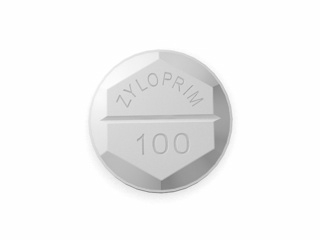
- Common form: Tablets (strengths vary by product)
- Medicinal use: Reduces uric acid production
- How it’s used: Long-term medicine for prevention and control
Note: Always check the strength on your packaging (e.g., 100 mg, 200 mg, etc.) and follow the specific instructions for your dose.
How Zyloprim works (mechanism of action)
Allopurinol lowers uric acid by blocking an enzyme called xanthine oxidase. This enzyme helps convert substances in the body into uric acid.
By inhibiting xanthine oxidase, Zyloprim:
- reduces the production of uric acid
- helps gradually lower uric acid levels in blood and urine
- can reduce the risk of gout flares and formation of uric acid stones
Key point: Lowering uric acid is a prevention strategy. Even when you start Zyloprim, you may still experience flares early on while levels adjust.
Pharmacokinetics (how the body handles the medicine)
Pharmacokinetics describes how the body absorbs, processes, and eliminates a medicine. For allopurinol:
- Absorption: Allopurinol is absorbed from the gut after swallowing.
- Conversion: It is metabolised in the body to an active metabolite called oxipurinol.
- Onset: The effect on uric acid is not instant; improvements usually occur over days to weeks as uric acid levels fall.
- Elimination: Both allopurinol and oxipurinol are mainly eliminated through the kidneys.
- Half-life (general): Oxipurinol lasts longer than allopurinol, supporting once-daily dosing in many people.
If you have kidney problems, your prescriber may adjust your dose because oxipurinol levels can build up.
Typical uses (indications)
Zyloprim is used for long-term management of conditions related to raised uric acid, including:
- Gout: prevention of gout flares and long-term control of uric acid levels
- Uric acid kidney stones: prevention in people prone to recurrent stones
- High uric acid due to certain medical conditions: for example, some disorders that increase uric acid production
- Certain chemotherapy-related situations: where tumour breakdown or other factors raise uric acid (your clinician will guide this)
Important: Zyloprim helps prevent future problems. It is not intended to stop an acute gout flare immediately.
When to take Zyloprim (timing and practical routine)
Many people take Zyloprim once daily. Timing depends on your dose and individual circumstances.
- Choose a consistent time: Taking it at the same time each day can help you remember.
- After food or with water: You can take Zyloprim with a drink of water and, if it upsets your stomach, consider taking it after meals.
- Early treatment flares: If you start Zyloprim for gout, your clinician may consider additional treatment to reduce flare risk during the first months.
- Long-term approach: Uric acid reduction can take time. Keep taking it as advised, even if you feel well.
Missed dose: If you miss a dose, take it when you remember unless it is close to your next dose. Do not take a double dose.
Dosing: what is typical?
Dose is individual and may be adjusted gradually based on your uric acid levels, symptoms, kidney function, and other medicines.
General dosing principles:
- Start low, go slow: Many people start with a lower dose to reduce risk of side effects and to help the body adapt.
- Titration: The dose may be increased every few weeks until target uric acid levels are reached.
- Kidney function matters: If you have impaired kidney function, you may need a lower dose and closer monitoring.
Common dose ranges (for guidance only): Zyloprim is available in multiple tablet strengths. People may be prescribed anywhere from relatively low daily doses up to higher doses depending on the condition and test results.
| Situation | Typical approach | Monitoring |
|---|---|---|
| Gout prevention / uric acid control | Often start with a lower daily dose, then adjust to achieve target uric acid | Uric acid blood tests and symptom review |
| Uric acid stones prevention | Daily dosing to keep uric acid controlled | Urine and blood tests as advised |
| Kidney impairment | Lower starting dose and slower adjustment may be used | Kidney function tests; possible additional monitoring |
Do not self-adjust: If your uric acid remains high or you keep having flares, the usual solution is dose review with a clinician—not stopping or changing your dose without advice.
Food interactions
Allopurinol can generally be taken with or without food. However, a few practical points can help with comfort and overall uric acid control:
- Stay hydrated: Adequate fluid intake helps reduce the risk of kidney stones and supports kidney function.
- Consider a gout-friendly diet: Reducing foods high in purines (such as certain red meats and organ meats) may support uric acid control alongside medication.
- Avoid sudden large changes: Dramatic diet changes or fasting may affect uric acid or trigger symptoms in some people.
Food and drink compatibility: There are no widely recognised “must avoid” foods specifically for allopurinol for most people, but your overall gout management plan may include dietary guidance.
Alcohol interactions
Alcohol can increase the likelihood of gout flares in many people by affecting uric acid levels and inflammation. While alcohol is not a direct chemical interaction with allopurinol in the way some drugs are, combining alcohol with a gout-prone condition can worsen symptoms.
- Best approach: Limit alcohol, especially if you have active gout.
- Watch for patterns: Some people find beer and spirits trigger symptoms more than others.
- Medication adherence matters: Even small disruptions to taking your medicine can affect control.
If you are unsure about what is safe for you, speak with a healthcare professional.
Medicine interactions (important)
Allopurinol can interact with other medicines. Some interactions may increase the risk of side effects, including skin reactions or blood count changes.
Tell a pharmacist or clinician if you take:
- Azathioprine or mercaptopurine (allopurinol can greatly increase their effects; dose adjustments are usually required)
- Cytotoxic medicines used in cancer treatment (interaction depends on regimen)
- Warfarin (may affect bleeding risk; monitoring may be needed)
- Theophylline (levels may be affected)
- Diuretics (such as thiazides or loop diuretics; may influence uric acid control and side effect risk)
- Some antibiotics such as ampicillin or amoxicillin (in some situations, skin reactions may be more likely)
There may be other interactions depending on your medicines, so it’s safest to review your whole list.
Safety profile: common and serious side effects
Like all medicines, Zyloprim can cause side effects. Many people tolerate it well, but there are important rare reactions that require urgent attention.
Common side effects
- Nausea or stomach upset
- Diarrhoea
- Rash (mild skin reactions can occur)
- Headache
Gout flares early in treatment
When uric acid levels start to fall, some people experience temporary worsening of gout symptoms. This does not necessarily mean the medicine is failing. Your clinician may prescribe additional treatment to help prevent flares during the initial period.
Seek urgent medical advice if you develop signs of a serious reaction
Allopurinol has been associated with rare but potentially serious skin and allergic reactions. Stop taking Zyloprim and seek urgent medical advice if you develop:
- spreading rash
- blistering, peeling skin, or painful sores in the mouth
- swelling of the face/lips
- fever, severe weakness, or feeling very unwell
- breathing difficulty
Early recognition improves outcomes. If you’re told to stop, do not restart without professional advice.
Other potential risks requiring monitoring
- Kidney or liver effects: may require periodic blood tests depending on risk factors
- Blood count changes: rare, but monitoring may be recommended
Practical use tips for everyday life
- Keep up with blood tests: Uric acid targets are achieved by adjustment guided by tests. Ask when your next tests are due.
- Stay consistent: Taking your tablets every day helps maintain stable uric acid control.
- Know your target: Many clinicians aim for a specific uric acid level. Ask what your target is.
- Keep hydrated: Unless you’ve been told to restrict fluids for another condition, aim for regular water intake.
- Track symptoms: Note flares, triggers, and timing after starting or changing dose so your clinician can fine-tune treatment.
- Report new medication: Always check interactions when you start a new prescription or over-the-counter product.
Recent guidance and clinical practice (UK context)
In the UK, gout management typically focuses on:
- Long-term urate-lowering therapy for people with recurrent flares, tophi, or urate crystal disease.
- Treat-to-target with dose titration guided by uric acid blood tests.
- Flare prevention during initiation (often with anti-inflammatory medication) to reduce early worsening while uric acid levels stabilise.
Allopurinol remains a widely used first-line urate-lowering medicine for many patients. Dosing adjustments and monitoring are common, especially for those with kidney impairment or other risk factors.
Important safety updates: Ongoing pharmacovigilance continues to emphasise awareness of serious hypersensitivity reactions and the need for prompt medical assessment if symptoms occur.
Alternative options to Zyloprim (allopurinol)
If Zyloprim is not suitable, is not tolerated, or fails to achieve urate targets, clinicians may consider other options.
Other urate-lowering medicines
- Febuxostat: another urate-lowering option. Suitability varies based on individual risk factors and monitoring needs.
- Probenecid: helps the kidneys remove uric acid in some people; may not be appropriate for everyone.
- Uricosuric or other strategies: less commonly used depending on local practice and patient factors.
Managing gout flares
Even with urate-lowering therapy, acute flares may occur. Flares are typically treated separately with anti-inflammatory medicines chosen based on your health history (your clinician will advise).
Don’t switch abruptly: Changing urate-lowering therapy should be done with medical guidance to avoid destabilising uric acid levels.
Market and legal context for the UK
Zyloprim (allopurinol) is an established medicine in the UK for conditions related to raised uric acid. It is widely prescribed and is supported by routine prescribing pathways within NHS and private healthcare settings.
Regulatory and safety standards: Medicines in the UK are required to meet safety, quality, and manufacturing standards set by the relevant authorities. Safety information is continuously reviewed and updated as needed.
Prescription-only status: Allopurinol medicines are generally regulated as prescription medicines in the UK. Your healthcare professional should guide selection and dose.
Delivery, availability, and what to expect from an online pharmacy
Availability may depend on tablet strength and current stock levels. When ordering online in the UK, you can usually expect:
- Pack size options: Different strengths or pack sizes may be available
- Delivery timelines: Commonly next-day to a few working days depending on provider and location
- Cold-chain not usually required: Tablets are typically stored at room temperature
- Delivery confirmation: Tracking or confirmation messages may be provided
If you need a specific strength, check the product listing carefully (e.g., 100 mg vs 300 mg). If you are changing dose, double-check that you have the correct tablet strength.
How to store Zyloprim
- Store tablets at room temperature in a dry place.
- Keep in the original packaging to protect from moisture and light.
- Keep out of the sight and reach of children.
- Do not use after the expiry date on the pack.
FAQ — Zyloprim (Allopurinol)
1) How long does it take for Zyloprim to work?
Zyloprim starts to reduce uric acid production quickly, but the visible benefits often take weeks. If you’re starting therapy for gout, you may still experience flares early on while uric acid levels adjust.
2) Can I stop taking Zyloprim when I feel better?
Urate-lowering therapy is usually intended as long-term treatment. Stopping can lead to uric acid rising again and symptoms returning. Always discuss any changes with your healthcare professional.
3) What is the best time of day to take it?
Many people take it once daily. Choose a time you can stick to. If your stomach is sensitive, consider taking it after food.
4) Does Zyloprim help during a gout flare?
Zyloprim is mainly for prevention and long-term control. It is not designed to treat an acute flare right away. Flares are usually treated with different anti-inflammatory medicines.
5) Are there foods I should avoid?
No single food is universally “forbidden” with allopurinol. However, gout is influenced by uric acid. Many people benefit from reducing high-purine foods and maintaining hydration. If you have had uric acid stones, diet advice may be more specific.
6) Can I drink alcohol while taking Zyloprim?
Alcohol may trigger gout flares in some people. While it may not directly interact with allopurinol in a dangerous way, limiting alcohol is generally advisable if you have gout.
7) What should I do if I miss a dose?
Take it when you remember unless it’s close to your next dose. Do not take a double dose to make up for a missed tablet.
8) Are there people who should be extra careful?
Extra caution is recommended if you have kidney problems, a history of serious drug reactions, or if you take medicines known to interact with allopurinol. Your clinician may also consider specific risk factors before choosing dose.
9) When should I seek urgent help?
Seek urgent medical advice if you develop signs of a serious skin or allergic reaction, such as spreading rash, blistering, swelling of the face/lips, fever, or breathing difficulty.
10) What are the main alternatives if Zyloprim isn’t suitable?
Depending on your situation, options may include febuxostat or other urate-lowering strategies. Your clinician will consider your medical history, kidney function, and response to treatment.
Disclaimer: This information is for general guidance and does not replace personalised medical advice. If you have questions about suitability, dosing, or interactions with your medicines, speak to a qualified healthcare professional or pharmacist.