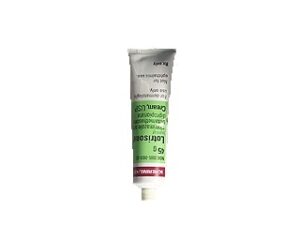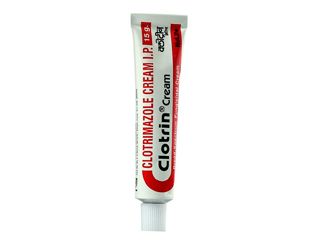

Clotrimazole: Patient Guide (UK)
Clotrimazole is an antifungal medicine used to treat a range of common fungal infections of the skin and, in some forms, the mouth and vagina. It works by stopping fungi from growing and spreading, helping symptoms such as itching, redness, soreness and irritation settle down.
This guide explains how clotrimazole works, how it is used, what to expect, safety considerations, and practical tips for getting the best results. It also includes UK-specific information about availability and general legal/market context.
Basic product information
| Information | Details |
|---|---|
| Active ingredient | Clotrimazole |
| Medicine type | Antifungal (imidazole) |
| Common forms | Cream, ointment, solution/spray, pessaries/tablets for vaginal use, and lozenges for mouth/throat (depending on the brand) |
| Typical uses | Skin fungal infections (tinea, athlete’s foot, ringworm), candidal infections, thrush (vaginal or oral) depending on formulation |
| Who it’s for | Adults and children (use varies by product—check the specific leaflet) |
| Availability in the UK | Many clotrimazole products are available from pharmacies; some are also available without prescription depending on formulation and strength |
How clotrimazole works (mechanism of action)
Clotrimazole belongs to the imidazole class of antifungal medicines. It targets a key fungal process: the production of ergosterol, an essential component of fungal cell membranes.
- Clotrimazole inhibits enzymes
- This makes the fungal cell membrane weaker and more permeable.
- As a result, fungi lose the ability to grow and multiply effectively, helping clear the infection.
In practical terms, this means it’s designed to:
- Reduce the number of active fungal organisms
- Allow the skin or mucous membranes to heal
- Relieve symptoms such as itch, burning and redness over time
Pharmacokinetics (what happens in the body)
Clotrimazole absorption depends strongly on the formulation and the site of use:
- Topical skin preparations: Generally absorbed to a limited extent through intact skin. Absorption can be higher if applied to broken skin, in large areas, or under occlusion (e.g., tight dressings).
- Vaginal preparations (where applicable): Designed for local action with limited systemic absorption.
- Oral forms (where applicable): Act mainly in the mouth/throat area.
Once absorbed, clotrimazole is metabolised by the liver and excreted mainly via bile and the faeces. However, for most people using clotrimazole as directed, systemic exposure is low.
Typical uses and indications
Clotrimazole is used to treat infections caused by susceptible fungi, including common yeast and dermatophytes (the fungi behind many “ringworm” conditions). The exact indication depends on the product and location of infection.
Skin infections (common clotrimazole indications)
- Athlete’s foot (tinea pedis)
- Ringworm (tinea corporis)
- Jock itch (tinea cruris)
- Fungal infections of the skin caused by Candida (where relevant)
- Intertrigo due to fungal infection (skin folds)
Vaginal thrush (depending on formulation)
- Vaginal candidiasis (“thrush”), typically causing itching, soreness, redness and discharge
Oral thrush (depending on formulation)
- Oral candidiasis (“thrush in the mouth”), which may cause white patches, discomfort or altered taste
Important note: If you are unsure whether your symptoms are fungal, consider that similar symptoms can be caused by eczema, bacterial infection, allergic irritation or other conditions. If symptoms are unusual, severe, or persist despite treatment, seek medical advice.
When to start and how long it takes (timing)
Clotrimazole typically begins to work quickly, but healing often takes longer than the initial symptom relief.
- Expect improvement: Many people notice reduced itching and redness within a few days.
- Complete treatment matters: Even if symptoms improve, you should continue for the full course to reduce the chance of recurrence.
- Typical timeframes: Depending on site and product strength, courses may last 1–4 weeks for skin infections. Some vaginal/oral treatments have shorter or longer regimens depending on the formulation.
For best results, keep using the medicine consistently and maintain good hygiene (see practical tips below).
Food interactions
Food interactions depend on formulation:
- Topical clotrimazole (skin): Food has no direct interaction because absorption is typically low.
- Vaginal preparations: No meaningful food interactions are expected.
- Oral clotrimazole (e.g., lozenges/mouth preparations): Some products may advise spacing use from meals. As a general approach, follow the specific product instructions to avoid washing away the medicine too quickly.
Recommendation: Always follow the instructions provided with your exact product, including whether to avoid food/drink for a short period around dosing (where relevant).
Alcohol and medicine interactions
Clotrimazole has few clinically significant alcohol interactions for most users when used as directed. Because systemic absorption is generally low, alcohol is not typically expected to meaningfully affect effectiveness or safety.
However, if you are using clotrimazole in a context where more absorption may occur (e.g., large areas, broken skin, long-term or high-frequency use), or if you have liver problems, it is wise to ask a pharmacist for advice.
Other medicines: For topical use, drug interactions are generally unlikely. For clotrimazole used intravaginally or orally, significant interactions are also considered uncommon, but always check the leaflet of your specific product if you take other medicines.
Seek advice if you are unsure about interactions, especially if you have other antifungal medicines, immunosuppressant treatments, or significant liver disease.
Dosing: how to use clotrimazole correctly
Dosing varies by site (skin vs vagina vs mouth), product and strength. Below are typical dosing patterns for clotrimazole preparations commonly sold in the UK. Always follow the instructions in your specific pack leaflet.
Skin (cream/ointment/solution)
Common approaches include:
- Apply a thin layer to the affected area and a small margin of surrounding skin.
- Use typically 2 to 3 times daily depending on the product.
- Continue for the full course even if symptoms improve early.
Practical tip: Fungal infections often affect slightly larger areas than what you can see. Treating the surrounding “border” can help prevent regrowth.
Vaginal thrush (pessary/tablet/cream—depending on product)
- Use at the frequency and for the number of days specified on the pack.
- Insert the vaginal preparation as directed (often in the evening to reduce leakage).
- Avoid stopping early if symptoms improve.
Oral thrush (lozenges—depending on product)
- Take/allow the lozenge to dissolve as directed.
- Do not exceed the recommended number per day.
- Follow any guidance about avoiding food or drink around dosing.
Practical use tips (to improve results)
- Clean and dry first: Gently wash the area, then pat dry completely before applying topical clotrimazole.
- Apply correctly: Use a small amount; “more” is not always better. Cover the affected skin and surrounding margin.
- Wash hands: After applying, wash your hands to avoid transferring the medicine or fungus to other body parts.
- Don’t stop when you feel better: Finish the full treatment course.
- Keep the area dry: For athlete’s foot and skin folds, moisture can worsen fungal growth. Change socks/underwear regularly.
- Towels and clothing: Use clean towels and avoid sharing them. Wash clothing and bedding regularly.
- Footwear hygiene: Rotate shoes and allow them to dry. Consider changing insoles if appropriate.
- Avoid irritants: Avoid strong soaps and fragranced products on affected skin.
If symptoms recur soon after finishing treatment, it may indicate reinfection, incomplete course, or a different cause (such as eczema or bacterial infection). In such cases, consider asking a healthcare professional or pharmacist for further guidance.
Safety profile and side effects
Clotrimazole is generally well tolerated when used as directed. Most side effects are mild and local.
Common mild side effects (topical)
- Temporary burning or stinging
- Redness or irritation at the application site
- Dryness or mild peeling
Less common but important reactions
- Allergic reactions (rare): swelling, severe rash, blistering, or breathlessness require urgent medical attention.
- Worsening symptoms: If the rash spreads rapidly, becomes very painful, or looks infected with pus, seek advice promptly.
When to stop and get help
Stop using the product and seek medical help urgently if you develop:
- Signs of a severe allergic reaction
- Severe blistering, ulceration, or rapidly spreading rash
- Fever or signs of bacterial infection (increasing warmth, swelling, pus)
Eye and internal use: Do not apply topical clotrimazole to the eyes. Vaginal preparations should not be used for skin infections, and skin creams should not be inserted vaginally unless the product specifically states this is intended.
Special populations (practical considerations)
- Children: Use only formulations and strengths appropriate for the child’s age. Check the pack leaflet for age limits and application guidance.
- Pregnancy and breastfeeding: Some vaginal/oral antifungals may be preferred depending on trimester and product type. Follow the specific leaflet and pharmacist advice for your exact clotrimazole product.
- Older adults: Generally suitable, but skin may be more sensitive—start with careful monitoring.
- Liver disease: With topical use, systemic exposure is low. Still, seek advice if you use large amounts over broken skin or for long durations.
Alcohol and medicine interactions (more detail)
For most people, clotrimazole used on skin is unlikely to interact with alcohol or common medicines because systemic absorption is minimal. Nonetheless, if you use other medications (particularly other antifungal treatments), there is a chance you may be treating the wrong condition or duplicating therapy.
- Alcohol: No routine alcohol interaction is expected with topical clotrimazole.
- Other topical products: Avoid combining with strong antiseptics or steroid creams unless advised, because mixing treatments can mask symptoms or irritate skin.
- Oral antifungals: If you have been prescribed tablets/capsules for a fungal infection, discuss with a clinician/pharmacist before using additional clotrimazole.
Alternative options
If clotrimazole is not suitable, not effective, or the product you need is unavailable, other antifungal options may be considered depending on the infection site and likely organism.
Common alternatives
- Terbinafine (often for athlete’s foot/ringworm; available as creams and sometimes shorter courses)
- Miconazole (skin/vaginal/oral depending on formulation)
- Ketoconazole (some topical products; availability varies)
- Nystatin (often used for certain Candida-related infections, depending on product availability)
Choosing the right option: The best treatment depends on the location, severity, and whether the infection is truly fungal. If symptoms do not improve after using clotrimazole as directed, an alternative or further assessment may be needed.
UK market and legal context (availability)
In the UK, clotrimazole is widely used and is available through community pharmacies. Many clotrimazole products may be sold without a prescription depending on the formulation (for example, certain creams/solutions/lozenges may be classed for non-prescription supply).
For online purchases, availability may vary by:
- Strength and formulation (cream vs vaginal pessary vs lozenge)
- Intended patient group (adult vs child guidance)
- Brand packaging and pharmacy supply rules
Always ensure you select the correct product for the affected area (skin vs mouth vs vagina) and check the pack leaflet for age suitability and the dosing schedule.
Recent guidance and updates (general trends)
Antifungal guidance in the UK and internationally continues to emphasise several key points:
- Confirm the diagnosis when uncertain: Many “fungal” rashes can mimic eczema or dermatitis. If there is no response to appropriate topical antifungal treatment, reassessment is recommended.
- Complete courses: Stopping early increases the risk of recurrence.
- Consider reinfection sources: For feet, footwear and socks; for genital areas, hygiene measures and avoiding irritants; for mouth, denture hygiene when relevant.
- Escalate when severe or recurrent: Persistent or recurrent infections may require stronger treatment or further investigation.
Product-specific leaflets and pharmacist advice remain the most reliable sources for exact duration and suitability.
Delivery and availability (online pharmacy)
Clotrimazole products are commonly stocked by UK pharmacies due to their frequent use for everyday fungal conditions. Availability may depend on:
- Chosen formulation (cream, pessary, solution, lozenge)
- Pack size and strength
- Current pharmacy stock levels
Delivery: Most online pharmacies offer standard and/or express delivery options within the UK. Delivery timeframes vary by supplier and location, so check the checkout page for estimated dispatch and delivery times.
What to keep in mind: Store as directed on the label (often at room temperature away from direct heat). Check expiry dates before use.
FAQ: Frequently asked questions
1. How quickly should clotrimazole work?
Many people notice some symptom improvement within a few days, such as reduced itch or redness. Clearing the infection and fully healing the skin typically takes longer, so it’s important to continue the full course stated for your product.
2. Can I use clotrimazole if I’m not sure it’s a fungal infection?
Clotrimazole targets fungal organisms, so if the rash or symptoms are due to another cause (such as eczema or bacterial infection), it may not help. If you’re unsure—especially if symptoms are severe, spreading, recurrent, or not improving—ask a pharmacist or clinician for advice.
3. Should I stop clotrimazole once the symptoms go?
No. Even if symptoms improve, continue the treatment for the full recommended period to reduce the risk of recurrence.
4. What if my skin is cracked or broken?
Broken skin can increase absorption and may sting when applying topical clotrimazole. Use gently and carefully, and avoid excessive amounts. If irritation is significant or the area becomes painful, inflamed or infected, seek advice.
5. Is clotrimazole safe for children?
Some clotrimazole products are suitable for children, but age limits and dosing instructions vary by brand and formulation. Check the pack leaflet or ask a pharmacist for the correct option.
6. Can I use clotrimazole during pregnancy or breastfeeding?
Safety can depend on the type of clotrimazole product and the stage of pregnancy. Consult the specific leaflet and speak to a pharmacist for personalised guidance.
7. Can I drink alcohol while using clotrimazole?
Alcohol is not usually expected to interact significantly with clotrimazole when used as directed. If you have questions due to additional medicines or health conditions, ask a pharmacist.
8. Why does my fungal infection keep coming back?
Common reasons include incomplete treatment, reinfection (e.g., from footwear, towels, or close contact), or a diagnosis that wasn’t truly fungal. If infections recur, consider reassessing the cause and discuss with a pharmacist or clinician.
9. Can clotrimazole be used with moisturisers or other creams?
In general, you can apply moisturisers, but try to avoid mixing products directly in the same application area at the same time unless advised. Moisturisers may trap moisture where fungi thrive. Use clotrimazole as the antifungal layer and allow it to absorb before applying other products.
10. When should I seek medical advice instead of continuing at home?
Seek advice if:
- Your symptoms worsen or spread
- You have severe pain, fever, or signs of bacterial infection
- You have no improvement after using clotrimazole as directed for the recommended course
- The infection keeps returning
Reminder: This information is intended to help you use clotrimazole safely and effectively. Always read the pack leaflet for your exact product and follow the instructions provided.