

Diflucan (Fluconazole) – Patient Information (UK)
Diflucan is a medicine containing fluconazole, an antifungal used to treat a range of fungal infections. This guide explains what Diflucan is, how it works, how it behaves in the body, typical uses, dosing and timing, food and alcohol considerations, safety information, practical tips for best results, and common alternatives.
Always follow the instructions supplied with your medicine and any advice you receive from a healthcare professional. If you are unsure whether Diflucan is suitable for you, ask a pharmacist.
Quick overview
- Active ingredient: Fluconazole
- Medicine type: Antifungal (triazole)
- How it’s taken: Usually by mouth (tablet or capsule; availability may vary by strength)
- Common uses: Thrush (oral and vaginal), fungal infections of the skin, and other yeast-related conditions (depending on diagnosis)
- Typical dosing style: Sometimes single-dose; other infections may require repeated dosing over days
Basic product information
| Feature | Details |
|---|---|
| Brand name | Diflucan |
| Generic name | Fluconazole |
| Class | Antifungal (triazole) |
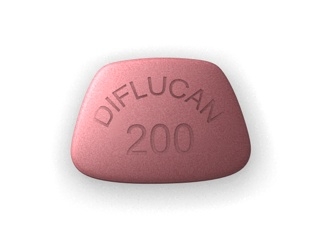
| Form | Oral tablets/capsules (strengths may vary) |
| Prescription status in the UK | In many circumstances fluconazole is prescription-only. Availability and legal classification can vary by formulation and current UK guidance. |
How Diflucan works (mechanism of action)
Fluconazole works by blocking fungal growth. It targets an enzyme called lanosterol 14α-demethylase, which is needed for fungi (such as Candida) to make their cell membrane.
When this enzyme is blocked, the fungal cell membrane becomes weak and defective, leading to slower growth and, in many cases, killing the fungus or preventing it from spreading.
Pharmacokinetics: what happens in the body
“Pharmacokinetics” describes how the body absorbs, distributes, metabolises, and eliminates a medicine. Fluconazole has properties that make it useful for several fungal infections.
- Absorption: Fluconazole is absorbed well after oral dosing, and it generally achieves therapeutic blood levels reliably.
- Distribution: It distributes into body fluids and tissues, including areas relevant to fungal infections (for example, mucosal surfaces).
- Metabolism: A portion is metabolised in the liver.
- Elimination: Fluconazole is mainly cleared through the kidneys (urine).
- Half-life: Fluconazole has a relatively long half-life, which can allow once-daily dosing for some infections and even single-dose regimens in selected cases.
These characteristics help explain why fluconazole can be used in short-course schedules for certain conditions.
Typical uses in the UK
Diflucan is commonly used for yeast and fungal infections, particularly those caused by Candida. The exact indication and dose depend on where the infection is located and how severe it is.
Common indications
- Vaginal thrush (vulvovaginal candidiasis)
- Oral thrush (oral candidiasis) including in some people with increased risk
- Fungal infections of the skin (for example, some presentations of tinea/candidal skin infections—where appropriate)
- Other candidal infections under clinical direction (depends on the diagnosis)
Important note on diagnosis
Symptoms such as itching, discharge, burning, or mouth soreness can resemble other conditions. If symptoms are unusual, severe, recurrent, or not improving, it’s important to get an accurate diagnosis before repeating treatment.
Dosing and timing: what to expect
Dosing varies by condition, infection site, severity, age, kidney function, and whether there are risk factors or drug interactions. You should follow the dosing instructions provided with your medicine or by a healthcare professional.
General examples of dosing schedules
The following are typical patterns used for fluconazole in common situations; exact dosing will depend on local guidance and your specific diagnosis.
- Uncomplicated vaginal thrush: often treated with a single dose on one day (commonly on day 1).
- More extensive or recurring infections: may be treated with multiple daily doses over several days.
- Oral thrush: may require a daily course for several days, depending on severity.
- Skin and other candidal infections: may require a longer course depending on response.
When you should start to feel better
- Many people notice improvement within 1–3 days, especially for uncomplicated yeast infections.
- However, complete resolution can take longer. Continue the course if you have one prescribed (do not stop early just because symptoms improve).
- If there is no improvement after several days, or symptoms worsen, seek advice.
Timing tips
- Take Diflucan at the same time each day if using a multi-day schedule.
- If you miss a dose, take it when you remember unless it’s close to the next dose—then skip the missed dose. Don’t double up without advice.
- If you have swallowing difficulties, discuss options with a pharmacist (based on available formulations).
Food interactions
Fluconazole can generally be taken with or without food. Food does not typically reduce its effectiveness. For comfort, you may take it with a snack or meal, especially if you experience mild stomach upset.
Alcohol and medicine interactions
Alcohol
Occasional moderate alcohol is not always strictly contraindicated, but caution is sensible because fluconazole is processed by the liver. If you have liver disease, drink heavily, or are taking other liver-affecting medicines, ask a pharmacist or healthcare professional for tailored advice.
As a general safety approach: avoid or minimise alcohol during treatment and seek guidance if you develop symptoms that could suggest liver issues (see “Safety profile” below).
Other medicines: important interaction categories
Fluconazole can interact with several medicines due to effects on liver enzymes that help clear drugs from the body. This may lead to either increased fluconazole levels or increased levels of other medicines, potentially causing side effects.
- Medicines that affect heart rhythm (QT prolongation) – risk of abnormal heart rhythm may increase with some combinations.
- Warfarin and other anticoagulants – may increase bleeding risk by raising anticoagulant effect.
- Some oral diabetes medicines – may alter blood sugar control in some patients.
- Some statins and other lipid-lowering medicines – may increase risk of side effects such as muscle-related problems.
- Immunosuppressants (e.g., tacrolimus, ciclosporin) – levels can increase, requiring monitoring.
- Some antiepileptics and other treatments cleared by the liver – may interact depending on which drug is used.
- Hormonal contraceptives – generally fluconazole is not expected to affect contraceptive reliability in common short-course use, but your clinician/pharmacist may advise monitoring based on your exact regimen.
Tell your pharmacist about all medicines you take, including: over-the-counter products, herbal remedies, supplements, and any medicines used occasionally.
Safety profile: side effects and precautions
Most people tolerate Diflucan well. However, like all medicines, fluconazole can cause side effects. The likelihood of side effects can be higher with higher doses, longer courses, liver disease, or interacting medicines.
Common side effects
- Headache
- Nausea or stomach discomfort
- Diarrhoea
- Abdominal pain
- Rash
Seek urgent medical advice if you develop
- Signs of a severe allergic reaction: swelling of the face/lips, difficulty breathing, widespread hives
- Severe skin reactions: blistering, peeling, or painful rash
- Symptoms suggesting liver problems: yellowing of the skin/eyes, dark urine, unusual tiredness, persistent nausea/vomiting, or severe upper abdominal pain
- Heart-related symptoms (especially if you have relevant risk factors): fainting, severe dizziness, or palpitations
Who should take extra care
- People with liver disease or a history of liver problems
- People with kidney impairment (dose adjustment may be needed)
- People taking multiple medicines with known interaction risks
- Pregnant individuals or those trying to conceive (speak to a clinician for appropriate advice; safety depends on dose and indication)
- Older adults (greater likelihood of co-existing conditions and additional medications)
Practical use tips for best results
- Take the full course if you’ve been given a multi-day regimen. Stopping early can increase the chance of relapse.
- Avoid unnecessary repeat doses if symptoms return quickly. Recurrent symptoms may indicate resistance, misdiagnosis, or an underlying issue that needs evaluation.
- Maintain good hygiene: keep the area clean and dry, avoid scented soaps, and wear breathable underwear.
- For vaginal thrush: consider avoiding tight clothing and staying away from irritants (for example, perfumed products).
- For oral thrush: keep dentures (if used) clean and properly fitted; brush dentures and mouth after meals.
- Handy reminders: set a daily alarm for multi-dose schedules.
If you are treating a partner or have a partner with symptoms, ask a pharmacist about whether partner treatment is appropriate for your situation.
Alternative options (other treatments you may be offered)
Alternatives depend on the infection type, severity, and your medical history. In the UK, common alternatives include:
Topical antifungals
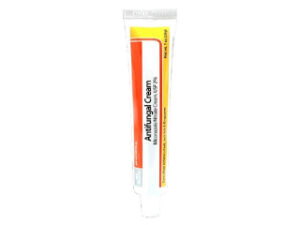
- Antifungal creams/ointments for certain skin fungal infections
- Vaginal antifungal products (e.g., intravaginal treatments) for vaginal thrush
Other oral antifungals
- Itraconazole (used in some fungal infections depending on the diagnosis)
- Other azoles in selected cases
Supportive and preventive measures
- Address triggers: diabetes, prolonged antibiotic use, immune suppression, irritation
- Consider prophylactic approaches only if advised by a clinician for recurrent thrush
A pharmacist can help you compare options based on the site of infection and your previous experiences.
UK market, legal and guidance context
In the United Kingdom, antifungal medicines are regulated by the Medicines and Healthcare products Regulatory Agency (MHRA). Availability may depend on whether a product is classed as prescription-only or pharmacy-only, and on current regulatory updates.
Clinical practice in the UK commonly follows guidance such as: local formularies, national advice, and professional society recommendations (for example, regarding management of vaginal thrush and oral thrush).
Recommendations evolve. Current best practice generally emphasises accurate diagnosis, appropriate duration of treatment, and reviewing cases of recurrent or refractory symptoms.
Recent guidance themes (general)
- Confirm diagnosis when symptoms do not respond or recur frequently.
- Consider alternative causes of symptoms that mimic thrush (such as bacterial vaginosis or dermatological conditions).
- Use targeted therapy and avoid unnecessary repeat courses.
- Review medication history for interactions, especially with liver-metabolised drugs.
Delivery and availability (UK online pharmacy)
Diflucan (fluconazole) availability can vary by strength and formulation. Your online pharmacy may display options including different pack sizes. Delivery times depend on the provider’s dispatch schedules and your location within the UK.
- Check stock availability: Items may be shipped from the UK or a regional warehouse.
- Packaging: Medicines are typically supplied in their original packaging to protect product integrity and support identification.
- Tracking: Many online pharmacies provide dispatch and tracking updates.
If you have urgent symptoms or multiple medicines to consider for interactions, contacting the pharmacy support team can help you choose the safest option.
FAQ: Diflucan (Fluconazole)
1. Is Diflucan the same as fluconazole?
Yes. Diflucan is a brand name; fluconazole is the generic (active) ingredient.
2. How quickly does Diflucan work?
Many people feel improvement within a couple of days. Full resolution may take longer depending on the infection site and severity.
3. Can I take Diflucan with food?
Yes. Fluconazole can generally be taken with or without food.
4. Can I drink alcohol while taking Diflucan?
It’s best to limit alcohol during treatment, particularly if you have liver problems or are taking other medicines that may affect the liver. Ask your pharmacist if you’re unsure.
5. What should I do if my symptoms come back?
If symptoms return soon after treatment, or you experience recurrent episodes, get advice rather than repeating treatment automatically. You may need a different diagnosis or a different management plan.
6. Are there any medicines I must avoid?
Fluconazole can interact with several medicines (for example, some anticoagulants, certain heart rhythm medicines, and medicines processed by the liver). Share a full list of your medicines with a pharmacist to check safety.
7. Can Diflucan be used for oral thrush?
It may be used for oral candidiasis, with dosing determined by severity and risk factors. If you have recurrent mouth thrush, it’s important to consider underlying causes.
8. What if I have kidney or liver problems?
You may need dose adjustment or extra monitoring. Inform the pharmacy or healthcare professional about kidney and liver conditions.
9. Is it safe for pregnant or breastfeeding people?
Safety depends on the situation and dose. It’s important to discuss your specific case with a healthcare professional before use.
10. How do I store Diflucan?
Store according to the instructions on the packaging. Keep the medicine in a safe place away from children and avoid exposure to excessive heat or moisture.
Remember: If symptoms are severe, persistent, or you have concerns about interactions or underlying conditions, consult a qualified healthcare professional.