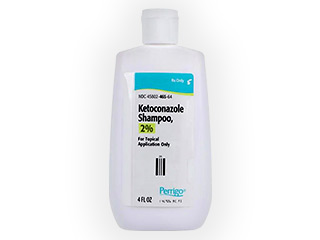
Nizoral Shampoo 2% (Ketoconazole) – Patient Guide (UK)
Nizoral Shampoo 2% contains ketoconazole 2% w/v, an antifungal medicine used to treat conditions caused by yeasts and fungal overgrowth on the scalp. This guide explains how it works, how to use it properly, what to expect, important safety information, and practical tips for best results in the UK.
1. Basic product information
| Feature | Details |
|---|---|
| Medicine | Nizoral Shampoo |
| Active ingredient | Ketoconazole |
| Strength | 2% (w/v) |
| Type | Antifungal shampoo for external use |
| Common conditions | Seborrhoeic dermatitis, dandruff, yeast-related scalp conditions (as advised) |
| Route | Topical (applied to the scalp) |
2. What is ketoconazole and how does Nizoral Shampoo work?
Ketoconazole is an antifungal medicine. It helps treat skin problems linked to the yeast Malassezia, which is commonly associated with dandruff and seborrhoeic dermatitis (scalp inflammation).
Mechanism of action (MOA)
Ketoconazole works by interfering with the fungus’s ability to make key components of its cell membrane. This reduces fungal growth and can help calm inflammation and itching on the scalp.
- Targets fungal growth: reduces the yeast load on the scalp.
- Helps reduce inflammation: improved symptoms such as flaking, scaling, and itch.
- Topical effect: applied directly to the affected scalp areas.
3. Pharmacokinetics (what happens in the body)
Because Nizoral Shampoo is used on the scalp, only small amounts of ketoconazole are typically absorbed through the skin. In many people, systemic absorption is low.
Key points for patient understanding:
- Absorption: limited when used as directed on the skin.
- Distribution: any absorbed drug distributes through the body, but usually at very low levels for topical use.
- Metabolism and elimination: ketoconazole is metabolised in the body and cleared over time.
Even though absorption is generally low, it is still important to follow dosing guidance and avoid using more than recommended. If you have irritated skin or broken skin, tell your clinician/pharmacist before use.
4. What is Nizoral Shampoo used for?
Nizoral Shampoo 2% is used for scalp conditions where yeast (often Malassezia) plays a role. Common indications include:
Typical indications
- Dandruff (scalp flaking): helps reduce flaky scales and associated itch.
- Seborrhoeic dermatitis: an inflammatory scalp condition with redness, scaling, and itching.
- Yeast-related scalp conditions (where ketoconazole treatment is appropriate), as advised by a healthcare professional or per product guidance.
If your scalp symptoms are severe, persistent, or associated with other red-flag features (pain, oozing, extensive crusting, or hair loss), seek medical advice.
5. When to use and how to time doses
The timing below is typical for ketoconazole shampoo regimens. Use only as directed on the product label or by your healthcare professional. The most common approach is intermittent use, then reduced frequency for maintenance.
Typical treatment schedule
- Initial control: often used twice weekly for a short course (commonly around 2–4 weeks, depending on response).
- Maintenance: once control is achieved, use intermittently (for example, weekly or as advised) to prevent relapse.
For best results:
- Apply to the scalp, not just hair lengths.
- Leave on the scalp for the recommended time (commonly a few minutes) before rinsing.
- Use consistently, even if symptoms improve early.
6. Dosing: how much and how often?
Follow the dosing instructions on the pack. Below is general guidance for adults and older children, consistent with common ketoconazole shampoo use. If you are unsure, speak to a pharmacist.
Adults and typical use
- Dose amount: enough to thoroughly wet and cover the affected scalp.
- Frequency: commonly twice weekly during the initial treatment phase.
- Duration: continue for the course advised (often 2–4 weeks), then consider maintenance dosing if needed.
Children
Use in children should be based on product guidance and professional advice. If you are treating a child, check the label for age recommendations and ask your pharmacist for the safest schedule.
Missed dose
If you miss a scheduled wash, use it when you remember. Do not apply extra doses to “catch up”. Continue with the next scheduled wash.
7. Practical step-by-step: how to use Nizoral Shampoo
Correct application makes a big difference. The steps below are designed for everyday use.
- Wet the scalp thoroughly with warm water.
- Apply shampoo to the scalp and massage gently until it lathers.
- Leave it on for the recommended period stated on the pack (often a few minutes). This allows ketoconazole to work on the affected scalp area.
- Rinse well with water.
- Repeat as needed according to your schedule (for example, twice weekly). You may use a conditioner on hair lengths if appropriate, but avoid applying conditioner directly to the scalp immediately after treatment unless advised.
Tips for best results
- Be thorough: part hair and concentrate on the scalp where flakes/itch are most noticeable.
- Consistency matters: symptoms may improve before the course is finished.
- Clean contact time: don’t rinse immediately; keep the shampoo on for the recommended time.
- Watch for irritation: if you experience burning, worsening redness, or swelling, stop use and seek advice.
- Avoid eyes: ketoconazole shampoo can irritate the eyes—rinse eyes thoroughly if accidental contact occurs.
8. Food interactions
Nizoral Shampoo is applied to the scalp and is not taken by mouth. Food interactions are not expected. Systemic absorption is usually minimal when used correctly.
If you notice any unusual symptoms after use, discuss them with a healthcare professional.
9. Alcohol and medicine interactions
Since Nizoral Shampoo is topical, interactions with alcohol are not typically a concern. Likewise, interactions with other medicines are generally not expected due to low systemic exposure.
Still, consider these points
- Other scalp treatments: if you use additional medicated scalp products (e.g., other antifungals or strong antiseptics), ask a pharmacist about suitable spacing to avoid irritation.
- Skin sensitivity: combining multiple products can sometimes increase dryness or irritation.
- Underlying conditions: if you have widespread skin disease or are using potent topical therapies, get tailored advice.
If you are taking medicines or have liver concerns, it is still sensible to inform your pharmacist, even though topical use typically results in low absorption.
10. Safety profile and side effects
Most people tolerate Nizoral Shampoo well. However, any medicine that is applied to the skin can cause irritation in some individuals. Stop use and seek advice if you develop severe or persistent reactions.
Common side effects (may occur)
- Scalp irritation (mild burning or redness)
- Dryness or tight feeling of the scalp
- Itch or mild skin discomfort (especially if the skin is already inflamed)
- Hair texture changes (rare; hair may feel different due to treatment and washing frequency)
Serious side effects (seek urgent advice)
- Severe allergic reaction such as swelling of the face/lips, breathing difficulties, or widespread rash
- Marked worsening of scalp pain, intense burning, oozing, or blistering
- Contact dermatitis with significant redness and swelling
Who should be extra cautious?
- People with very sensitive skin or a history of allergic reactions to topical products.
- Those with broken or severely damaged skin on the scalp.
- Anyone using multiple medicated scalp products or using strong topical steroids/antiseptics alongside—ask a pharmacist for spacing advice.
11. Practical use precautions
- Eye safety: avoid direct contact with eyes. If it gets in eyes, rinse thoroughly with water.
- Hands: wash hands after application to reduce accidental transfer to eyes or other sensitive areas.
- Hair care: treat hair gently; frequent washing may increase dryness.
- Scalp hygiene: if you have hair products (gels, oils), it can help to cleanse thoroughly so the medicated shampoo reaches the scalp.
12. Alternative options for dandruff and seborrhoeic dermatitis
If Nizoral Shampoo does not suit you, you may consider other options. Your best choice depends on the cause, severity, and your skin sensitivity.
Common alternative antifungal treatments
- Selenium sulfide shampoos: can help reduce yeast and flaking.
- Zinc pyrithione shampoos: soothing and antifungal/antiseborrhoeic properties for some people.
- Other ketoconazole formulations: different strengths or leave-on products may be available depending on supply.
Non-antifungal supportive options
- Gentle cleansing routines: washing regularly with mild shampoo can reduce buildup.
- Moisturising scalp products (where appropriate) to reduce dryness and irritation.
If symptoms keep returning quickly after stopping, a pharmacist or GP can help confirm the diagnosis and suggest an appropriate maintenance plan.
13. UK market and legal context (how it fits into NHS/private care)
In the UK, skincare and scalp treatments are sold either as pharmacy medicines or general sales medicines, depending on the active ingredient and strength. Ketoconazole shampoo has historically been available as a medicated product, and availability may vary by brand and retailer.
For online purchases, reputable suppliers provide clear product information, batch/expiry details where required, and instructions for use. Always check the product page and packaging for the exact strength and directions.
Recent guidance and clinical considerations
Dandruff and seborrhoeic dermatitis are common long-term-recurrent conditions. UK clinical advice generally emphasises:
- Correct diagnosis (sometimes symptoms can resemble psoriasis, eczema, or other scalp conditions).
- Intermittent maintenance once control is achieved to reduce relapse.
- Moisturising and gentle care to support scalp recovery.
If you have persistent symptoms despite correct use, consider speaking with a healthcare professional to review the diagnosis and alternative treatments.
14. Delivery and availability in the UK
Nizoral Shampoo (ketoconazole 2%) is commonly available through online pharmacies and other healthcare retailers, depending on stock levels. Delivery timelines vary by supplier and may depend on the location within the UK.
What to expect from an online pharmacy
- Secure packaging to protect the product.
- Expiry and batch information included per standard supply processes.
- Tracking or dispatch updates depending on the service.
If you need it for an ongoing course, order with time for delivery—especially if you plan treatment on specific days.
15. Frequently Asked Questions (FAQ)
Is Nizoral Shampoo the same as regular shampoo?
No. Nizoral Shampoo 2% contains ketoconazole, an antifungal medicine. Regular shampoos usually do not contain the same antifungal active ingredient at medicated strength.
How fast will it work?
Some people notice reduced itching and flaking within the first 1–2 weeks. However, treatment often needs consistent use for the full course to achieve and maintain control.
Can I use it every day?
The most common regimens are intermittent (often twice weekly). Daily use may increase the chance of scalp irritation. Follow the label or your pharmacist’s advice.
What if my dandruff comes back?
Dandruff and seborrhoeic dermatitis are often recurrent. If symptoms return, a maintenance schedule (for example, once weekly or as advised) can help reduce flares.
Can I use conditioner?
You may use conditioner on hair lengths if you like. To maximise contact with the scalp, consider applying conditioner after rinsing the shampoo and avoiding heavy product directly on the scalp immediately after treatment.
Will it affect hair colour or texture?
Ketoconazole shampoo is not typically known for directly colouring hair. However, frequent washing and scalp condition changes can affect how hair feels. If you notice significant hair or scalp changes, stop use and seek advice.
Can I use it with other hair products?
Yes, but take care. Styling products may leave residue that makes it harder for the medicine to reach the scalp. Consider washing thoroughly and using other products after the medicated wash has been rinsed out.
Is it safe during pregnancy or breastfeeding?
Because absorption from topical scalp use is generally low, many topical treatments are used during pregnancy or breastfeeding when needed. However, you should check the product leaflet and discuss with your healthcare professional if you are pregnant or breastfeeding, especially if you have concerns or plan long-term use.
What should I do if I accidentally get it in my eyes?
Rinse eyes promptly with plenty of water. If irritation persists, seek medical advice.
When should I seek medical advice?
Get advice if symptoms do not improve after a full course of correct use, if they worsen, or if you develop severe redness, pain, oozing, or hair loss.
Is it suitable for all scalp conditions?
It is designed for yeast-associated scalp conditions. If your symptoms are due to another cause (e.g., psoriasis, eczema, or fungal infection elsewhere), the best treatment may differ—so a healthcare professional can help confirm the diagnosis.
16. Summary
Nizoral Shampoo 2% (ketoconazole) is an antifungal treatment applied to the scalp to help control dandruff and seborrhoeic dermatitis. It works by reducing fungal growth linked to inflammation and flaking. When used correctly—covering the scalp thoroughly and leaving it on for the recommended time— many people experience relief from itch and scale. If symptoms are persistent or you have concerns, seek advice to confirm the diagnosis and choose the most appropriate maintenance plan.