Terbinafine: Patient-Friendly Guide (UK)
Terbinafine is an antifungal medicine used to treat a range of fungal infections of the skin and nails. It works by stopping fungi from being able to build and maintain their cell structure. In the UK, terbinafine is available in different forms, including tablets and creams/solutions, depending on the type and severity of the infection.
This guide explains how terbinafine works, how it is used, important safety information, and practical tips for best results—written for patients.
Basic product information
- Active ingredient: Terbinafine
- Common forms (UK): Tablets (oral), creams/gels/solutions (topical)
- Therapeutic group: Antifungal (allylamine)
- Available strengths: Vary by product and formulation
- Typical brands: May be sold under different brand names depending on manufacturer and availability
Note: Always check your specific product pack for exact strength and directions.
How terbinafine works (mechanism of action)
Terbinafine belongs to the allylamine class of antifungals. It targets a key fungal enzyme involved in making ergosterol—a crucial component of the fungal cell membrane.
- Terbinafine inhibits squalene epoxidase (an enzyme required for ergosterol production).
- This leads to cell membrane instability and ultimately fungal death.
Because this mechanism is specific to fungal cells, terbinafine is generally selective against fungi, making it an effective option for infections such as athlete’s foot, ringworm, and fungal nail infections.
Pharmacokinetics: what the body does to terbinafine
Pharmacokinetics describes how the body absorbs, distributes, metabolises, and eliminates a medicine.
Oral (tablets)
- Absorption: Terbinafine is absorbed after you take a dose by mouth.
- Distribution: It distributes into skin and nails where fungal infections occur.
- Metabolism: It is metabolised mainly by the liver (via CYP enzymes).
- Elimination: Metabolites are removed primarily through the urine.
Topical (cream/solution)
- Absorption: Absorption through skin is limited compared with tablets, so less medicine enters the bloodstream.
- Local effect: It concentrates its antifungal activity in the area of application.
Clinical implication: For nail infections, treatment often needs to be continued long enough for healthy nail to grow, since the fungus may persist in the nail bed even when symptoms improve.
Typical uses in the UK
Terbinafine is used to treat fungal infections caused by susceptible organisms. Your healthcare professional (or pharmacist) may select terbinafine based on the likely type of fungus and the body area affected.
Common indications include:
- Athelete’s foot (tinea pedis)
- Ringworm (tinea corporis)
- Jock itch (tinea cruris)
- Fungal skin infections where an allylamine is appropriate
- Fungal nail infections (onychomycosis), often when nails are affected and a longer course is needed
- Less commonly: other dermatophyte fungal infections as advised
Important: The choice of antifungal depends on the infection type (dermatophytes vs yeast), location, and severity. For example, some yeast infections may respond differently to treatment.
Timing and course length
How quickly terbinafine helps depends on the infection site, depth, and the specific regimen.
Skin infections
- Topical treatment often begins to improve symptoms within a few days.
- However, fungal organisms may persist, so you should continue for the full advised course (even if you feel better).
Nail infections
- Improvement is typically slow because nails grow gradually.
- It may take several months to see clear results, and treatment schedules are designed with nail growth in mind.
Practical tip: If you stop too early, infections can come back (relapse).
Food interactions
Oral terbinafine: Food may not require strict timing, but it is often recommended to take tablets with or after food to improve tolerance (check your product instructions).
Topical terbinafine: Food is not relevant to how the topical medicine works.
If you have a sensitive stomach or notice nausea, taking the tablet with a meal may help.
Alcohol and medicine interactions
Terbinafine is metabolised by the liver, and alcohol can also affect the liver. While moderate alcohol may be tolerated by some people, it can increase the risk of liver stress.
- During oral terbinafine treatment: it is sensible to avoid heavy drinking.
- If you drink alcohol regularly: discuss this with a clinician or pharmacist before starting.
Other medicines: Terbinafine can interact with some drugs, particularly those also processed by liver enzymes.
Examples of medicine classes that may interact include (not exhaustive):
- Some antidepressants and other psychotropic medicines
- Some heart medicines
- Medicines affecting liver metabolism
- Warfarin and other anticoagulants (monitoring may be required in some cases)
Always tell us: If you are taking any regular medicines (including over-the-counter products and herbal supplements), check for interactions with a pharmacist.
Indications: when terbinafine is considered
Terbinafine may be used when an infection is likely to be caused by fungi that terbinafine is effective against—especially dermatophyte fungi such as those responsible for:
- Dermatophyte infections of the skin (tinea)
- Dermatophyte nail infections (onychomycosis), often where the infection is more extensive
In the UK, local guidance and clinical practice generally encourage targeted antifungal treatment rather than trial-and-error. If symptoms are unusual, widespread, or not improving, testing may be recommended to confirm the cause.
Dosing: general information (follow your specific product instructions)
Dose depends on the formulation (oral vs topical), the infection type, body area, and sometimes age/weight.
Oral terbinafine (tablets)
For adults, dosing is commonly given as:
- Tinea (skin) infections: often taken for a shorter course (commonly 2–4 weeks depending on the site and severity)
- Onychomycosis (nail infections): often given for longer durations (commonly several weeks), sometimes using pulsed or interval approaches depending on the country’s guidance and the specific product information
Important: Exact schedules vary between product licences and local clinical practice. Check the leaflet inside your pack or the instructions provided with your specific product.
Topical terbinafine (cream/solution)
Typical instructions for skin fungal infections often include:
- Applying a thin layer to the affected area and a small surrounding border
- Once or twice daily depending on the product strength and licensed indication
- Continuing for the full course even after symptoms improve
Practical example: For athlete’s foot, topical treatment often continues for at least 1–2 weeks, but the leaflet will specify duration for your particular condition.
Children
Children’s dosing and suitability can differ. Use only if it is appropriate for the child’s age and weight, and follow product instructions or professional advice.
Safety profile: who should be cautious
Terbinafine is generally well tolerated when used appropriately, but it can have side effects—particularly with oral treatment.
Common side effects
- Headache
- Skin reactions (e.g., mild rash)
- Gastrointestinal upset (e.g., nausea, diarrhoea)
- Changes in taste (more commonly reported with oral terbinafine)
- Fatigue (less commonly)
Serious but less common risks
- Liver problems: rare, but important. Seek urgent advice if you develop symptoms such as:
- Unexplained persistent nausea or vomiting
- Yellowing of the skin or eyes (jaundice)
- Dark urine
- Itching without a rash
- Severe tiredness
- Right upper abdominal pain
- Severe skin reactions: stop and seek prompt medical advice for blistering, peeling, or widespread rash.
- Allergic reactions: swelling of the face/lips, difficulty breathing, or widespread hives require urgent help.
- Blood disorders: rare; report unusual bruising, fever, or sore throat that doesn’t settle.
When to avoid or get medical advice first
- Past liver disease or abnormal liver function tests
- History of serious drug allergy
- Use of medicines known to interact with terbinafine
- Pregnancy or breastfeeding: suitability depends on individual circumstances and product licence information
Monitoring: Some people may need liver monitoring during oral therapy depending on risk factors and local practice.
Practical use tips for better results
Fungal infections can be stubborn. The following tips can improve outcomes and reduce recurrence.
For topical use
- Clean and dry the area before applying.
- Apply to the affected area and a small surrounding margin as instructed.
- Wash your hands after application (unless your hands are the treatment site).
- Avoid covering with tight bandages unless advised—skin needs to stay manageable and dry.
- Replace or disinfect towels, socks, and bedding regularly.
For oral use (tablets)
- Take the tablet at the same time each day to maintain routine.
- Follow the exact duration on your product instructions—don’t stop early.
- Report side effects promptly, especially symptoms suggesting liver issues or severe rash.
Preventing spread and recurrence
- Keep skin folds and feet dry.
- Wear breathable footwear and change socks daily.
- Don’t share towels.
- If you have athlete’s foot, treat it promptly to reduce the risk of infection spreading to nails.
When to reassess: If your symptoms worsen, do not improve within the expected timeframe, or keep returning, consider speaking with a pharmacist or clinician for review. Misdiagnosis (e.g., eczema mistaken for a fungal rash) can delay correct treatment.
Alternative options
Depending on the infection type, alternatives may include:
Other antifungals
- Clotrimazole (often topical; widely used for skin fungal infections)
- Miconazole (topical; sometimes used for skin and related infections)
- Fluconazole or itraconazole (oral options in certain nail/skin infections)
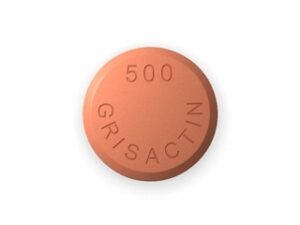
- Griseofulvin (used for specific fungal types, depending on diagnosis)
Topical keratolytics / nail treatments
For nail infections, some products may focus on softening or removing nail material to improve penetration of antifungals. A clinician may recommend these in selected cases.
Choosing the right option depends on whether the cause is dermatophyte mould (often terbinafine-favoured) versus yeast, and on the location and severity of infection.
Market and legal context in the United Kingdom
In the UK, antifungal medicines are supplied under product-specific regulatory classifications. Many topical antifungals are available through pharmacies and may be sold without needing specialist involvement, while oral treatment often involves more structured assessment due to the medicine’s safety profile and the need for appropriate diagnosis and duration.
UK medicines practice also reflects broader public health principles:
- Appropriate diagnosis: treating the correct organism reduces relapse and avoids unnecessary medicine exposure.
- Antimicrobial stewardship: appropriate use helps reduce avoidable side effects and misuse.
- Safety monitoring: liver risk is a key consideration for oral therapy.
Availability can vary by manufacturer, strength, and whether a formulation is licensed for self-care versus pharmacy/clinical supply routes.
Recent guidance and evidence (high-level)
Recent UK clinical practice continues to emphasise:
- Confirming fungal nature when symptoms are persistent, atypical, or recurrent.
- Using treatment for the full recommended duration, particularly for nail infections.
- Safety vigilance with oral terbinafine, especially for possible liver-related adverse effects and potential drug interactions.
- Considering patient factors such as liver history, concomitant medicines, and feasibility of adherence.
Because guidance can be updated and may differ for specific product licences, always follow the directions on your pack and consult a pharmacist for personal advice.
Delivery and availability
Terbinafine products may be available from UK online pharmacies and may include both topical and oral formulations depending on local regulatory requirements and stock. Delivery options and times depend on the supplier, warehouse location, and courier service.
- Availability: typically subject to stock levels and formulation demand.
- Dispatch: usually arranged quickly after order processing during working days.
- Packaging: products are shipped in secure retail packaging and may include safety information leaflets.
Tip: Check product page details for delivery estimates and whether the item is topical or oral.
Summary table: key facts at a glance
| Topic | Terbinafine (overview) |
|---|---|
| Type of medicine | Antifungal (allylamine) |
| Main use | Dermatophyte fungal infections of skin and nails |
| Common forms | Tablets (oral), cream/solution (topical) |
| How it works | Inhibits squalene epoxidase → reduces ergosterol in fungi |
| When to expect improvement | Skin: often within days; Nails: slow—months |
| Food effects | Oral: often taken with/after food for tolerance; follow product leaflet |
| Alcohol | Be cautious with oral terbinafine due to liver metabolism |
| Key safety watchouts | Possible liver problems; severe rash; allergic reactions |
FAQ: Terbinafine (UK)
1) Can terbinafine be used for athlete’s foot?
Yes. Terbinafine is commonly used for athlete’s foot (tinea pedis). The correct choice depends on whether your case is mild (often topical) or more extensive.
2) How long does it take to work?
For skin infections, some improvement is often seen within a few days. For nail infections, improvement is slower because nails grow gradually—clear results may take several months.
3) Should I stop if symptoms improve?
No. You should complete the full course recommended for your product. Stopping early can lead to relapse.
4) Is terbinafine safe to use with other medicines?
Terbinafine can interact with some medicines due to liver metabolism. Before starting, check with a pharmacist if you take any regular prescription medicines or supplements.
5) What alcohol interactions should I know about?
Alcohol may increase liver stress when taking oral terbinafine. Avoid heavy drinking and seek advice if you have liver concerns or drink regularly.
6) What side effects are most common?
Common side effects (especially oral) include headache, taste disturbances, and stomach upset. Topical use may cause local irritation in some people.
7) When should I get medical help urgently?
Seek urgent help if you develop symptoms that could indicate liver problems (such as jaundice or dark urine), a severe rash, or signs of an allergic reaction.
8) Do I need to treat my shoes and towels too?
Yes—this can help reduce reinfection. Wash towels regularly, keep feet dry, and consider changing socks and footwear frequently. Some antifungal spores can survive on fabrics and surfaces.
9) Can I use terbinafine if I’m not sure it’s a fungal infection?
It’s best to be confident about the diagnosis. Conditions like eczema, psoriasis, or contact dermatitis can resemble fungal infections. If you’re unsure or not improving, seek advice rather than continuing indefinitely.
10) What if the infection keeps coming back?
Recurrent infection may occur due to incomplete treatment, reinfection from contaminated items, or a different underlying cause. Review hygiene measures and consider professional assessment, especially for recurrent nail infections.
Before you start: quick checklist
- Confirm the affected area and symptoms match a fungal infection.
- Use the correct formulation (topical vs oral) for your infection type.
- Follow the full course and dosing schedule on the product instructions.
- Check for medicine interactions if you take other regular treatments.
- Be alert for severe side effects—especially with oral terbinafine.
If you have any concerns about suitability, interactions, or persistence of symptoms, speak to a pharmacist for advice. They can help you choose the most appropriate terbinafine product and treatment plan.