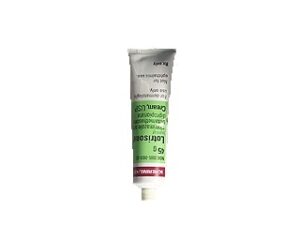
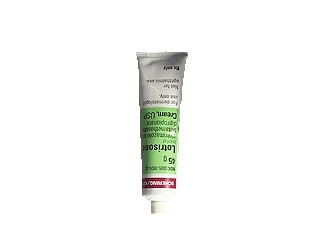
Lotrisone (Betamethasone / Clotrimazole) — Patient Information
Lotrisone is a medicine used to treat certain fungal (yeast/dermatophyte) skin infections and the inflammation that can come with them. It contains two active ingredients:
- Betamethasone (a corticosteroid that reduces inflammation and itch)
- Clotrimazole (an antifungal medicine that kills or stops fungal growth)
This leaflet-style guide is designed to be helpful for people in the United Kingdom who are considering or already using Lotrisone for suitable skin conditions.
Quick overview
| Feature | What it means |
|---|---|
| Medicine | Lotrisone (Betamethasone / Clotrimazole) topical cream |
| How it works | Clotrimazole fights fungus; betamethasone reduces inflammation, redness and itching |
| Who it may suit | Adults and some children for selected fungal skin infections with significant inflammation (see dosing section) |
| Typical timing | Usually applied twice daily for a short course, unless your clinician advises otherwise |
| Key safety points | Avoid use on the face, groin, armpits and broken skin unless specifically directed; do not use longer than recommended |
| Common side effects | Mild burning/irritation, skin thinning with prolonged use, worsening fungal infections if misused |
How Lotrisone works (mechanism of action)
Lotrisone contains:
- Clotrimazole: works by interfering with the fungal cell membrane. This reduces the fungus’s ability to grow and spread, helping clear the infection.
- Betamethasone: reduces inflammatory reactions in the skin. It can relieve symptoms such as redness, swelling, soreness and itch.
Why the combination is helpful: Fungal skin infections can be itchy and inflamed, which may lead to scratching and further irritation. Clotrimazole targets the fungus, while betamethasone quickly calms inflammation so the skin feels better while the antifungal takes effect.
Pharmacokinetics (what happens in the body)
Because Lotrisone is applied to the skin, only small amounts of the ingredients are expected to enter the bloodstream under normal conditions. The degree of absorption can be affected by:
- Skin condition (intact skin absorbs less than broken or inflamed skin)
- Area treated (larger areas can increase absorption)
- Duration (longer use may increase total absorption)
- Use under occlusion (e.g., covering with airtight dressings increases absorption)
- Use in children (children’s skin can absorb more)
In general, topical corticosteroids may be absorbed and metabolised by the body. Any systemic absorption is typically limited when used as directed. Clotrimazole is largely active locally in the skin.
Typical uses in the UK
Lotrisone is used for specific fungal skin infections where inflammation is also present. It is commonly considered for conditions such as:
- Fungal infections of the skin (dermatophyte and yeast infections) with marked inflammatory symptoms
- Skin areas such as the body where redness, itch and scaling are significant
Important: This medicine is not suitable for every rash. Some rashes are not fungal, and steroids can worsen certain infections. If you are unsure, seek medical advice.
When to apply and for how long (timing)
General approach: Lotrisone is usually applied twice daily to the affected skin and the surrounding area, for a short course. Relief may begin within a few days, but fungal infections often require continued treatment to fully clear.
Typical course: Follow the recommended duration provided with your product or by a healthcare professional. Avoid extending treatment beyond what is advised, even if symptoms improve early.
Practical timing tips
- Use a consistent schedule (for example, morning and evening).
- Apply to clean, dry skin.
- Even if symptoms improve, continue for the full course unless advised otherwise.
- If you see no improvement within the advised timeframe (often within about 1–2 weeks, depending on the condition), stop and get advice.
Food interactions
Because Lotrisone is used on the skin, it is not expected to have meaningful food interactions. Food does not generally affect how topical clotrimazole or betamethasone work.
Alcohol and medicine interactions
Alcohol: There is no direct alcohol interaction expected with Lotrisone when used as directed. However, if you are using other medicines alongside Lotrisone, check for possible interactions with those medicines.
Other medicines: Systemic interactions are unlikely due to limited absorption, but caution is still sensible if you are using other topical products on the same area (e.g., additional creams, antiseptics or medicated powders). Tell a healthcare professional if you use:
- Other topical corticosteroids
- Other antifungals
- Products that may irritate the skin (e.g., strong acids or harsh soaps)
Do not mix products on the same area unless instructed. If you are using other treatments, consider spacing them out and follow professional advice.
Indications (what it is used for)
In the UK, Lotrisone is indicated for fungal skin infections that are significantly inflamed, where both an antifungal and an anti-inflammatory effect are needed.
Common features that might suggest a fungal cause include:
- Itch and redness
- Scaling or well-defined edges
- Recurrent symptoms, particularly in warm, moist areas
Do not use Lotrisone to treat rashes that are likely to be:
- Viral skin infections
- Acne or rosacea
- Open wounds
- Rashes of unknown cause
If symptoms are worsening, painful, oozing, associated with fever, or you suspect a different diagnosis (such as eczema flares, psoriasis, scabies, or bacterial infection), seek advice promptly.
Dose and method of use
How to apply: Apply a thin layer to the affected area and the immediate surrounding skin. Gently rub in.
Typical dosing
- Adults: usually apply twice daily for the prescribed short course.
- Children: use in children should only be under appropriate guidance. Children have a higher risk of steroid absorption-related side effects.
Hand hygiene: Wash your hands before and after application, unless your hands are the treated area.
What to avoid
- Avoid using on eyes or around the eyes.
- Avoid use on broken skin unless directed.
- Avoid occlusive dressings (airtight coverings) unless specifically instructed.
- Avoid use on the face unless advised, because steroid-containing creams can cause irritation and other steroid-related effects.
- Avoid long-term use.
If you miss a dose: Apply as soon as you remember, then continue at the usual times. If it is close to the next dose, skip the missed one. Do not apply a double amount.
Safety profile and side effects
Lotrisone contains a potent corticosteroid (betamethasone). This means it can be effective for inflammatory fungal rashes, but it also carries risks if used inappropriately or for too long.
Common or mild side effects
- Skin burning or stinging
- Itching or irritation
- Redness at the application site
- Dryness or mild peeling
Less common but important steroid-related risks
With prolonged use or use over large areas, steroid effects can occur, such as:
- Skin thinning (atrophy)
- Stretch marks (striae)
- Visible blood vessels (telangiectasia)
- Changes in pigmentation
- Worsening or masking of infections (the steroid can reduce visible inflammation even if the fungus is not controlled)
When to seek urgent advice
- Severe worsening of rash, widespread symptoms, or swelling
- Pus, strong pain, or signs of bacterial infection
- Rash near the eyes, eye pain, or vision changes
- Any signs of an allergic reaction (e.g., hives, significant swelling, breathing difficulties)
Who should use extra caution?
- Children (greater absorption risk)
- People treating large areas
- People using occlusion
- People with history of sensitivity to topical medicines
- Anyone with unknown rash diagnosis
Practical use tips for better results
- Keep the skin clean and dry: Fungi thrive in warm, moist conditions. Dry thoroughly after washing.
- Use a thin layer: More is not better. A thin layer helps reduce irritation and lowers absorption risk.
- Treat beyond the edge of the rash: Apply to the affected area plus surrounding skin to reduce recurrence.
- Don’t share towels or clothing if you suspect a contagious fungal infection.
- Wash and dry clothing and bedding regularly, especially for recurrent infections.
- Avoid scratching: Scratching can spread infection and delay healing.
- Check footwear and socks if the rash is related to athlete’s foot (tinea pedis) or affects feet/under nails.
- Complete the course: Stopping early can lead to partial clearance and relapse.
Alternative options (depending on the diagnosis)
If the fungal infection is mild or there is little inflammation, you may not need a steroid-containing product. In the UK, clinicians often consider:
- Antifungal-only creams (e.g., clotrimazole or other azole/allylamine antifungals) for uncomplicated fungal infections
- Oral antifungals for widespread, severe, or resistant infections (only under appropriate medical supervision)
- Non-steroid skin treatments for dermatitis-like rashes if the cause is not fungal
Key point: Because Lotrisone includes a steroid, it may not be the best choice if your rash is not confirmed as fungal. If you’re not improving, consider getting the diagnosis checked rather than switching between products repeatedly.
Market and legal context in the UK
Lotrisone is a topical prescription/regulated medicine in the UK and is supplied in line with UK medicines regulation. Availability may vary by pharmacy and stock. Lotrisone is commonly supplied via community pharmacies, and purchasing online should be through reputable UK-regulated providers.
In the UK, medicines are regulated by the Medicines and Healthcare products Regulatory Agency (MHRA), and pharmacy supply must comply with relevant legal and professional standards.
Always use the product only as directed for the condition it is intended to treat. If symptoms are not consistent with a fungal infection, or if you have repeated episodes, it is important to get appropriate advice to prevent incorrect use of steroid-containing creams.
Recent guidance and clinical considerations
UK clinical practice for skin fungal infections generally emphasises:
- Accurate diagnosis: Many rashes resemble fungal infections, but treatments differ.
- Using antifungals appropriately: Antifungal therapy should target the likely fungal cause.
- Limiting steroid exposure: Steroid combinations can relieve symptoms quickly, but they may also mask ongoing infection and carry risks if used too long or in unsuitable areas.
- Review if not improving: If there is no clear improvement, reassess diagnosis and treatment choice.
This means that Lotrisone should typically be used for the right rash type and for the recommended duration, rather than as a long-term “reliever” for any itchy red skin.
Delivery and availability (UK online pharmacy)
Availability can vary between pharmacies and suppliers. When ordering online in the UK:
- Check product strength and pack size to ensure you have the correct formulation.
- Review delivery options at checkout (standard and express services may differ by location).
- Confirm storage instructions listed on the outer pack.
Most topical creams are shipped at room temperature and do not require refrigeration, but always follow the instructions on your specific product carton.
How to store Lotrisone
- Store at room temperature, away from direct heat and sunlight.
- Keep the tube tightly closed.
- Keep out of the sight and reach of children.
- Do not use after the expiry date shown on the packaging.
FAQ
1) What is Lotrisone used for?
Lotrisone is used to treat selected fungal skin infections that are also inflamed. It combines an antifungal (clotrimazole) with a steroid anti-inflammatory (betamethasone).
2) How quickly should I see improvement?
Many people notice symptom relief (less itch/redness) within a few days. Full clearance can take longer, so it’s important to complete the recommended short course unless advised otherwise.
3) Can I use Lotrisone on my face or groin?
Because it contains a corticosteroid, it should generally be avoided on the face and used with extra caution in sensitive areas such as the groin or armpits unless specifically directed by a healthcare professional. If you are unsure, seek advice.
4) Is Lotrisone safe to use for a long time?
No. Steroid-containing creams are generally intended for short courses. Prolonged use increases the risk of skin thinning and other steroid-related side effects.
5) What if my symptoms get worse after using Lotrisone?
Stop and get advice promptly. Worsening can indicate the rash is not fungal, or the infection is not responding.
6) Can I wash the area after applying?
Try to avoid washing immediately after application. Apply to clean, dry skin and allow it to absorb/rub in. Wash hands after use (unless hands are being treated).
7) Does it stain clothes?
Some creams can transfer to clothing, depending on the skin area and amount used. Use a thin layer and allow it to absorb. If treating areas under tight clothing, consider loose, breathable fabric.
8) Can I use Lotrisone with other creams?
You can use other products, but it’s best to avoid applying multiple active medicines to the same area at the same time. If you’re using moisturisers, wait until the Lotrisone is absorbed, and avoid mixing.
9) Is there any food or alcohol interaction?
Food is not expected to affect a topical cream. Alcohol interactions are not expected when used as directed, but always consider interactions with any other medicines you may take.
10) If I keep getting the rash, what should I do?
Recurrent fungal infections can be due to incomplete clearance, reinfection from clothing/footwear, or an incorrect diagnosis. If symptoms return repeatedly, arrange advice to confirm the cause and discuss prevention.
Remember: Use Lotrisone only for suitable fungal skin infections with significant inflammation, as directed, and avoid long-term use. If you are uncertain about the rash type or you do not improve within the recommended timeframe, seek advice to ensure correct treatment.