Lamisil (Terbinafine) — Patient Guide (UK)
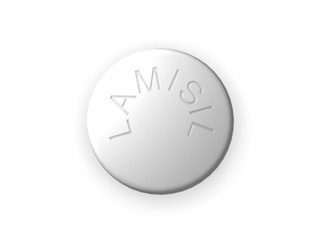
Lamisil contains terbinafine, an antifungal medicine used to treat infections caused by fungi. It is available in several forms in the UK (such as creams, sprays, gels, and oral tablets depending on the strength and licensing). This guide explains how terbinafine works, how it is typically used, key safety information, and practical tips to help you get the best results.
Quick overview
- Medicine: Lamisil (terbinafine)
- Uses: Fungal skin infections (e.g., athlete’s foot, ringworm), and certain fungal nail infections (with oral forms)
- How it works: Blocks fungal cell growth by disrupting a key enzyme
- Typical duration: Depends on the condition and form (often 1–2 weeks for skin, longer for nails)
- Important safety note: Some people may be at risk of liver problems with oral terbinafine—seek urgent medical advice if symptoms occur
Basic product information
| Feature | What to know |
|---|---|
| Active ingredient | Terbinafine |
| Common brand | Lamisil |
| Medicines available | Different formulations depending on the infection site (e.g., topical cream/spray/gel; oral tablets for some fungal nail and other indications) |
| Medicine type | Antifungal |
| Infection target | Fungi such as dermatophytes (common causes of ringworm and athlete’s foot) |
Note: Availability and exact pack strengths may vary. Always check the specific product label and leaflet supplied with your Lamisil product.
How terbinafine (Lamisil) works — mechanism of action
Fungi need a substance called ergosterol to build and maintain their cell membranes. Terbinafine blocks an important step in ergosterol production by inhibiting an enzyme called epidermal squalene epoxidase (also known as squalene epoxidase).
- Fungal cell membrane disruption: Less ergosterol is produced.
- Accumulation of toxic intermediates: Squalene accumulates within fungal cells.
- Result: Fungal cells are damaged and die, stopping the infection from spreading.
Why this matters: Terbinafine is fungicidal against many dermatophytes, meaning it can actively kill the fungus rather than only slowing it down.
Pharmacokinetics — what the body does with terbinafine
1) Topical (cream/spray/gel)
When applied to the skin, terbinafine is absorbed locally where the infection is. Systemic absorption is generally much lower than with oral tablets, so whole-body exposure is limited.
- Local action: Concentrations build up in the skin layers and help clear the fungus.
- Continued effect: Even after the course, improvement typically continues as the skin heals.
2) Oral tablets (where licensed)
With oral terbinafine, the medicine is absorbed through the gut and distributed to tissues. It is metabolised mainly by liver enzymes and eliminated through the urine and bile.
- Distribution: It reaches skin and nail tissues, which is why oral therapy may help with fungal nail infections.
- Metabolism: The liver breaks down terbinafine.
- Elimination: Metabolites are excreted mainly via urine.
Important: Because oral terbinafine involves the liver, people with liver disease or a history of abnormal liver tests need extra caution (see Safety Profile).
Typical uses (indications)
Lamisil/terbinafine is used to treat certain fungal infections, including:
- Athelete’s foot (tinea pedis)
- Ringworm of the body (tinea corporis)
- Jock itch (tinea cruris)
- Fungal infections affecting the skin caused by susceptible fungi
- Some fungal nail infections (onychomycosis) — usually requiring oral terbinafine in appropriate cases
Not all rashes are fungal. If you’re unsure, especially if symptoms are severe, persistent, or spreading rapidly, it may be important to seek clinical advice. Using antifungals on non-fungal conditions won’t help and can delay effective treatment.
Dosing and timing — what to expect
Always follow the instructions provided with your specific Lamisil product. Below are typical approaches for common terbinafine formulations used in the UK.
Topical terbinafine (cream/spray/gel)
- Common schedule for many skin infections: usually once or once daily depending on product instructions.
- Common duration: often 1–2 weeks for many dermatophyte skin infections (some areas may require longer).
- Apply to: clean, dry skin in and around the affected area.
- Continue for the full course: even if symptoms improve early.
Oral terbinafine tablets (for licensed indications)
Oral dosing depends on the condition and weight/age (if applicable). Courses for nail infections often last weeks to months because nails grow slowly and may not look normal until after treatment ends.
- Timing: start and finish dates should match the pack/leaflet schedule.
- Improvement timeline: nail clearing generally takes place gradually as new nail grows.
- If no improvement: do not assume it is working—fungal nail infections can require reassessment.
Practical tip: For nail infections, visible improvement lags behind the start of treatment. Continuing exactly as directed is key.
How to use Lamisil (practical tips)
If using a topical product
- Wash and dry: gently clean the area and dry thoroughly.
- Apply correctly: use a thin layer to cover the affected skin. For many conditions, you apply slightly beyond the visible edge.
- Wash hands: after applying, unless your hands are the treated area.
- Avoid irritation: don’t apply to broken skin unless your product instructions allow it.
- Keep the area dry: fungi often thrive in warm, moist environments.
- Finish the course: premature stopping increases the chance of recurrence.
If using oral tablets
- Take with water: swallow tablets whole unless the leaflet allows splitting/alternatives.
- Stick to the schedule: choose a consistent time of day to help you remember.
- Know warning signs: see “Safety profile” for liver-related symptoms.
- Regular review if needed: if you are prescribed or advised to take oral terbinafine for longer periods, follow any monitoring advice provided.
Food interactions
Topical terbinafine: Because systemic absorption is low, food interactions are generally not expected to be clinically significant.
Oral terbinafine: Food may influence absorption slightly, but many people can take terbinafine tablets without strict timing around meals. As always, follow the instructions in your leaflet for your specific product.
- If the leaflet says it can be taken with or without food, you can choose what suits your routine.
- If you have stomach upset when taking tablets, consider taking with food (unless the leaflet advises otherwise).
Alcohol and medicine interactions
Alcohol
Topical terbinafine: No specific alcohol restrictions are generally expected, because the medicine acts mainly on the skin.
Oral terbinafine: Because oral terbinafine is metabolised by the liver, heavy alcohol intake may increase stress on the liver. It’s best to keep alcohol moderate and discuss your alcohol use with a clinician if you have liver concerns.
Seek urgent help if you develop symptoms that may suggest liver problems (see Safety Profile).
Medicine interactions
Terbinafine can interact with certain medicines, mainly through how it is processed in the body. If you are taking other medications regularly, it’s important to check for interactions.
- Tell your pharmacist/clinician about all medicines you use, including herbal remedies and over-the-counter products.
- Be especially cautious with medicines that affect liver enzymes or have potential liver effects.
Examples of medicines that may require attention: depending on your regimen, certain antidepressants, beta-blockers, antiarrhythmics, and other drugs may have interaction potential. The exact relevance depends on the product and your personal medication list.
Recommendation: If you’re unsure, ask us to help you check your medicine list against terbinafine before purchase or use.
Safety profile — who should be cautious
Most people tolerate terbinafine well. However, like all medicines, it can cause side effects. Safety depends on whether you use a topical product or oral tablets.
Common side effects (often mild)
- Topical: mild skin irritation, redness, itching, burning or peeling at the application site
- Oral: headache, changes in taste, nausea, diarrhoea, stomach discomfort
Serious warnings (especially with oral terbinafine)
Possible liver problems: Oral terbinafine has been associated with rare cases of serious liver injury. Stop taking oral terbinafine and seek urgent medical advice if you develop:
- yellowing of the skin or eyes (jaundice)
- dark urine
- persistent nausea or vomiting
- unusual fatigue or weakness
- pain in the upper right abdomen
- unexplained itching with no rash
Allergic reactions
Seek urgent help if you experience signs of allergy, such as:
- swelling of the face, lips, tongue, or throat
- difficulty breathing
- severe rash or hives
Other precautions
- Existing liver disease: discuss before using oral terbinafine.
- Skin irritation: discontinue topical use and seek advice if irritation becomes severe.
- Pregnancy and breastfeeding: use should be considered carefully; talk to a healthcare professional and follow the leaflet.
- Children: suitability depends on age and formulation; follow the product instructions.
When to see a clinician (or pharmacist)
Contact a healthcare professional if:
- you are not improving after the recommended treatment period
- the rash spreads quickly or becomes very painful
- there are signs of infection (pus, fever, rapidly worsening redness)
- you have repeated episodes (recurrence may require different measures)
- you suspect fungal nail infection and treatment options are unclear
Food, hygiene, and lifestyle tips to improve results
Even with the right medicine, fungal infections often persist if the environment remains favourable for fungus growth. These tips can improve outcomes:
- Keep the area dry: change socks/underwear regularly.
- Use breathable fabrics: cotton or moisture-wicking materials can help.
- Separate towels: avoid sharing towels and ensure towels are washed thoroughly.
- Footwear hygiene: rotate shoes, let them dry, and consider antifungal insoles if recommended.
- Household cleaning: wash bedding and clothing that touch the affected area at appropriate temperatures.
- Don’t cover the infection unnecessarily: tightly sealed dressing may trap moisture unless advised by a clinician.
Alternative options (other antifungals)
If Lamisil/terbinafine isn’t suitable, other antifungal options may be considered depending on the infection type and location:
Common alternatives
- Azole antifungals (e.g., clotrimazole, miconazole, ketoconazole): often used for skin fungal infections
- Other topical antifungals: choices depend on the suspected fungus and the body area affected
- Oral antifungals for specific cases (where appropriate): may include other systemic medicines depending on diagnosis
Choosing an alternative: the best option depends on what organism is causing the infection, how widespread it is, and whether the infection involves nails or skin folds.
UK market and legal context (what to expect)
In the United Kingdom, access to medicines is regulated by the Medicines and Healthcare products Regulatory Agency (MHRA), and supply arrangements vary by product formulation and classification. Some terbinafine products may be available without prescription depending on their strength and licensed indication, while other formulations (including oral tablets) may have different rules for access and suitability.
Online pharmacies: Reputable UK online pharmacies follow legal requirements for medicine supply, including providing patient information leaflets and ensuring safe use instructions are available.
Recent guidance (general principles): Current antifungal practice emphasises correct diagnosis (not all rashes are fungal), adherence to the full course, appropriate duration for location (especially nails), and attention to safety warnings for systemic therapy.
Delivery and availability (UK)
Availability of Lamisil/terbinafine products can vary by formulation (cream/spray/gel vs oral tablets) and pack size. Most online pharmacies in the UK aim to provide timely dispatch and tracked delivery.
- Typical delivery: often 1–3 working days after dispatch (varies by supplier and location)
- Packaging: medicines are supplied in original packaging where possible, with leaflet and patient information
- Stock changes: certain products may be temporarily unavailable during high demand—check current stock status
Tip: If you need a specific formulation (e.g., cream vs spray), confirm you are selecting the correct product for your condition.
FAQ
1) Is Lamisil the same as terbinafine?
Yes. Lamisil is a brand name that contains terbinafine as the active ingredient. Different products may have different strengths and formulations.
2) How long does it take to work?
For skin fungal infections, symptoms often start improving within a few days, but you should continue using the product for the full course specified. For nail infections, visible improvement can take much longer because nails grow slowly.
3) Can I stop once it looks better?
It’s best to finish the recommended course, even if symptoms improve early. Stopping early can increase the chance of relapse.
4) Can I use Lamisil on large areas?
For topical treatments, use according to the product directions. Covering very large areas or using more frequently than recommended may increase side effects or absorption. If the area is extensive, seek advice.
5) What if my rash is still there after treatment?
Possible reasons include incorrect diagnosis, incomplete course, reinfection from contaminated clothing or footwear, or fungus resistant to treatment (less common). If there’s no improvement after the recommended duration, consult a clinician or pharmacist.
6) Is terbinafine safe for children?
Safety and suitability depend on the child’s age and the formulation. Always follow the leaflet instructions. If unsure, ask a healthcare professional.
7) Can I drink alcohol while taking terbinafine tablets?
Moderate alcohol intake may be acceptable for some people, but because oral terbinafine involves the liver, heavy drinking may not be advisable. If you have liver issues, take alcohol seriously—seek advice from a clinician.
8) What should I do if I miss a dose?
Topical: apply when you remember, then continue as directed.
Oral: follow the leaflet guidance for missed doses; generally, take the missed dose when remembered unless it’s close to the next dose—then continue with the regular schedule. Do not double doses.
9) When should I seek urgent medical help?
Seek urgent medical attention if you suspect an allergic reaction (breathing difficulty, swelling) or if you experience possible liver injury symptoms when using oral terbinafine (jaundice, dark urine, severe or persistent sickness, upper abdominal pain).
10) Are there creams I can use instead?
Yes. Other antifungals such as azoles (e.g., clotrimazole) may be suitable depending on the infection site and type. A pharmacist can help match the likely condition to an appropriate product.
Remember: Correct identification of the infection matters. If your symptoms are severe, unusual, recurrent, or not improving after the expected treatment period, seek professional advice to avoid delays in the right care.