Miconazole
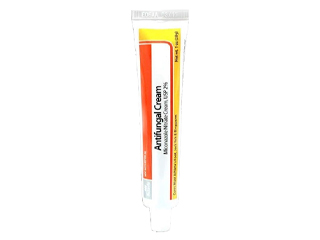
Miconazole is an antifungal medicine used to treat infections caused by fungi, particularly Candida (yeast) and some types of skin fungi. It comes in several forms, including creams, pessaries (vaginal inserts), gels, and sometimes oral products depending on local availability.
This guide is written for people in the United Kingdom to help you understand how miconazole works, when it is used, how to use it safely, and what to expect. Always follow the instructions provided with your specific product.
At a glance
- What it treats: fungal infections such as athlete’s foot, ringworm (tinea), jock itch, and vaginal thrush (depending on the form).
- How it works: interferes with fungal cell membrane formation, stopping the fungus from growing.
- Common forms: cream, spray/gel, pessary/vaginal products (product-dependent).
- Typical treatment time: often 1–2 weeks for skin infections; vaginal treatments may run for several days up to 1–2 weeks depending on the product.
- Important: keep using for the full course even if symptoms improve early.
Basic product information
| Feature | Details |
|---|---|
| Generic name | Miconazole |
| Medicine type | Antifungal (imadazole derivative) |
| Common uses | Skin fungal infections and vaginal thrush (depending on formulation) |
| Common forms | Skin cream, gels/sprays, vaginal pessaries/creams (availability varies) |
| Where it acts | Primarily local (topical); some formulations aim for local action in the vagina or mouth (product-dependent) |
| Availability | Many topical products are available via pharmacies; some may be pharmacy-only or prescription depending on strength/form |
How miconazole works (mechanism of action)
Miconazole belongs to the imidazole group of antifungals. Its main action is to disrupt the production of ergosterol, a key component of fungal cell membranes.
When ergosterol synthesis is blocked, the fungal cell membrane becomes damaged and the fungus cannot grow properly. Depending on the organism and concentration, miconazole may also have direct fungicidal effects (killing the fungus) or fungistatic effects (slowing or stopping growth).
Pharmacokinetics (how the body handles it)
The way miconazole behaves in the body depends strongly on the route of administration (skin vs. vaginal vs. oral). In many topical skin products, absorption is low, meaning only small amounts reach the bloodstream.
Topical skin preparations
- Absorption: generally limited through intact skin.
- Distribution: most activity is at the application site.
- Metabolism and excretion: any absorbed fraction is metabolised and eliminated by normal body processes.
Vaginal preparations
- Absorption: typically local; systemic absorption is usually low.
- Action: targets fungal overgrowth in the vagina and surrounding tissues.
General note
If you apply miconazole to large areas, use it frequently, or apply it to broken/irritated skin, more may be absorbed than usual. This does not usually cause major issues, but it is a reason to follow the dose instructions carefully.
Typical uses and indications
Indications can vary by formulation. Below are common conditions treated with miconazole-containing products in the UK.
Skin fungal infections
- Athlete’s foot (tinea pedis)
- Ringworm (tinea corporis)
- Jock itch (tinea cruris)
- Fungal infections of skin folds (for example, groin or under-breast areas)
- Some cases of cutaneous candidiasis (yeast-related skin irritation)
Vaginal thrush (Candida)
Vaginal miconazole products are used for thrush (vaginal candidiasis). Symptoms commonly include itching, soreness, redness, and a thick white discharge (often described as “cottage cheese”).
Oral thrush (depending on product)
Some miconazole formulations are used for oral thrush (mouth fungal infection). Indications depend on the exact product available.
Timing: when to apply and how often
Correct timing is essential for success with antifungal treatment. Always follow the specific leaflet for your product, because schedules differ by formulation and strength.
Skin infections (cream/gel/spray)
- Usually applied once or twice daily (product-dependent).
- Apply to the clean, dry affected area and a small margin around it (often 1–2 cm) to treat the spread-out fungus.
- Continue for the full course even if symptoms improve early.
Vaginal thrush (pessary/vaginal cream)
- Use at the time(s) specified on the packaging (commonly once daily at bedtime or per a multi-day schedule).
- Many people find bedtime use helps reduce leakage and improves comfort while the medicine works.
- If symptoms do not improve within a few days, speak to a healthcare professional or pharmacist.
Food interactions
For most topical miconazole products used on skin or in the vagina, food interactions are not expected because systemic absorption is low.
However, if you are using an oral miconazole preparation (for example, for mouth thrush), check the leaflet for instructions about eating and drinking. In general, oral medicines can be affected by how they are taken, but direct food interactions are not usually a major issue with miconazole topical therapies.
Alcohol and medicine interactions
Alcohol does not usually interact with miconazole skin or vaginal treatments because the medicine is primarily acting locally. For oral forms, follow the leaflet advice and consider your general health.
Common medicine interactions (important)
Miconazole has the potential to interact with certain medicines, particularly those that rely on liver enzymes for breakdown. Interactions are more likely with systemic exposure (higher absorption), which is less typical for many topical products. Still, it’s wise to check interactions if you take other medicines.
Particular caution is often advised with medicines such as:
- Warfarin (and other vitamin K antagonists): antifungal medicines may increase bleeding risk in some situations.
- Some oral diabetes medicines and other drugs metabolised by liver pathways.
- Medicines with narrow therapeutic windows where small changes can matter.
If you take regular medicines or have long-term health conditions, speak to a pharmacist to confirm there are no concerns for your specific product and personal medicines list.
How to use miconazole safely (practical tips)
General tips
- Wash your hands before and after applying the product (unless the product is specifically a hand application).
- Keep the area clean and dry. Moisture can help fungi grow.
- Avoid covering the area with airtight dressings unless advised. Some fungi thrive under occlusion.
- Don’t share towels or personal items. Fungal infections can spread through contact.
Skin application technique
- Apply a thin layer to the affected area and surrounding skin.
- If the skin is cracked or very irritated, be gentle to avoid worsening discomfort.
- If you’re treating foot problems, change socks regularly and use breathable footwear.
Vaginal thrush practical guidance
- Follow the instructions for insertion carefully. If using an applicator, do so hygienically.
- Expect some discharge or leakage; use a panty liner if helpful.
- Consider whether partners may be affected. Thrush is common and often not treated routinely for partners, but persistent symptoms may warrant advice.
Dosing guidance (typical schedules)
Dosing varies by formulation. Use the instructions on your packaging or leaflet for the exact product you have. Below are typical dosing patterns seen with miconazole products:
Skin infections (cream/gel)
- Often 2 times daily for 1–2 weeks (product-dependent).
- For some products, schedules may be shorter or longer. If there is no improvement after the first 1–2 weeks, get advice.
Vaginal thrush (pessary/vaginal cream)
- Commonly once daily at bedtime for several days (or as a longer course depending on product strength).
- Complete the course even if symptoms improve quickly.
If you miss a dose: apply/inser it as soon as you remember unless it is close to the next dose. Do not double up.
Safety profile and side effects
Like all medicines, miconazole can cause side effects, although not everyone gets them. Most effects are mild and local to where the medicine is applied.
Common mild side effects
- Skin irritation, mild burning, redness, or itching at the application site (skin products)
- Vaginal irritation or discomfort (vaginal products)
- Occasional dryness or mild soreness
Stop use and seek urgent advice if
- You develop signs of an allergic reaction, such as swelling of the face/lips, widespread rash, or difficulty breathing.
- Symptoms rapidly worsen, you develop severe pain, or there is significant skin breakdown.
When to contact a healthcare professional
- No improvement after completing the recommended course or within the expected timeframe.
- Recurrent infections (for example, thrush returning frequently).
- You are pregnant, immunocompromised, have poorly controlled diabetes, or the infection is widespread.
- The infection is on unusual areas (for example, face or near eyes) or you are unsure it is fungal.
Pregnancy and breastfeeding (general information)
Many topical antifungals are used during pregnancy or breastfeeding when needed, but the best choice depends on the product and your situation. If you are pregnant or breastfeeding, seek advice from a pharmacist or clinician to ensure the correct formulation and duration.
Special considerations
Don’t treat uncertain rashes with antifungals alone
Not all rashes or itching are fungal. Eczema, dermatitis, psoriasis, bacterial infections, or sexually transmitted infections can mimic thrush or fungal conditions. If the diagnosis is unclear, ask for advice.
Recurrent vaginal thrush
If you experience thrush repeatedly, it may be linked to factors such as antibiotics use, hormonal changes, diabetes, or irritants. Persistent or recurrent symptoms should be discussed with a healthcare professional.
Diabetes and immune conditions
People with diabetes or weakened immunity may be more prone to fungal infections and may need earlier review if symptoms don’t improve.
Alternative options to miconazole
Depending on the type and location of the fungal infection, other antifungal medicines may be suitable. Alternatives may include:
- Clotrimazole (cream or vaginal preparations)
- Terbinafine (often for skin fungal infections; may be more suitable for certain tinea types)
- Fluconazole (oral antifungal in some settings; typically for more extensive or recurrent cases)
- Nystatin (used in some cases, including certain oral thrush treatments)
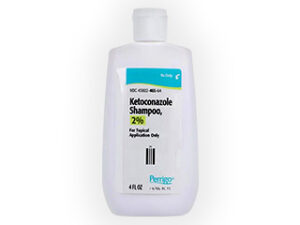
- Ketoconazole (in some formulations such as certain skin/anti-dandruff products)
The best alternative depends on the site of infection, severity, and whether it is a first episode or recurrent. A pharmacist can help you choose an appropriate option.
UK market/legal context and recent guidance
In the UK, antifungal medicines are regulated by the Medicines and Healthcare products Regulatory Agency (MHRA). Availability varies by product type and strength:
- Some antifungal treatments can be bought from pharmacies for common conditions.
- Other medicines may require review or are classified differently based on route of administration or dose.
- The NHS and UK clinical guidance generally emphasise correct diagnosis, completing the course, and seeking advice if symptoms persist or recur.
Recent UK practice focuses on:
- Confirming symptoms match a fungal infection (especially for recurrent thrush).
- Supporting antimicrobial stewardship by using the most appropriate treatment and duration.
- Reviewing complications in high-risk groups (for example, people with diabetes or immunosuppression).
If you are unsure whether your symptoms are fungal, speaking to a pharmacist is often the fastest way to choose the right treatment.
Delivery and availability (United Kingdom)
Miconazole is commonly available through UK pharmacies and online pharmacy services, with delivery options that may vary by location and product category. Availability may depend on:
- Current stock levels
- Your chosen formulation (cream, gel, or vaginal product)
- Strength and pack size
When ordering online, check the product details to ensure you have the correct formulation for your condition (skin vs. vaginal vs. oral). Delivery times are typically shown at checkout.
Practical do’s and don’ts
Do
- Use the medicine for the full duration recommended.
- Keep the area dry and change socks/underwear regularly.
- Follow hygiene practices to reduce re-infection (towels, bedding, clothing).
- Contact a healthcare professional if you have severe symptoms or no improvement.
Don’t
- Don’t stop early just because symptoms improve.
- Don’t apply to large areas or more often than recommended.
- Don’t use on broken skin unless the leaflet allows it and you are able to apply safely.
- Don’t use shared towels or clothing while infection is active.
FAQ
1) How quickly should miconazole work?
Many people notice improvement within a few days. Skin fungal infections may take longer, and symptoms can improve before the fungus is fully cleared. If there is no improvement within the expected timeframe (often after about 1–2 weeks for skin infections, depending on severity), seek advice.
2) Can I use miconazole if I’m pregnant or breastfeeding?
Some antifungal treatments are commonly used in pregnancy or breastfeeding, but the safest choice depends on the product and your circumstances. If you are pregnant or breastfeeding, check the product leaflet or ask a pharmacist for guidance.
3) Is miconazole safe for children?
Some miconazole products are suitable for children, but age restrictions and dosing differ by formulation. Always use the product specifically indicated for the child’s age and follow leaflet instructions. When in doubt, ask a pharmacist.
4) What should I do if the rash or symptoms return after treatment?
If symptoms return, it may mean the infection wasn’t fully cleared, the diagnosis wasn’t fungal, or there is re-exposure. For recurrent vaginal thrush, frequent recurrence should be reviewed. A pharmacist or clinician can help confirm the cause and consider alternative treatments.
5) Can I have sex during treatment for vaginal thrush?
Many people prefer to avoid sex until symptoms settle, as friction can worsen irritation and discomfort. Also, some treatments may be affected by compatibility with latex condoms or diaphragms depending on formulation ingredients. Check your product leaflet.
6) Does miconazole stain clothes or bedding?
Some creams can leave residue. If needed, use panty liners or dressings to protect underwear and wear clean, breathable clothing. Launder items regularly during treatment.
7) Can I use moisturisers with miconazole on skin?
You can often use a moisturiser, but avoid applying it at the exact same time and avoid layering over the antifungal unless advised. Let miconazole absorb first and consider using moisturiser on non-infected areas or as directed by the leaflet.
8) Are there any food interactions?
Food interactions are usually not relevant for skin or vaginal preparations because they act locally. Oral preparations may have specific instructions; check the product leaflet if you are using an oral formulation.
9) Does alcohol affect miconazole?
Alcohol is not usually an issue with miconazole skin or vaginal products. If using an oral formulation or if you take other medicines, follow the leaflet and consider speaking to a pharmacist.
10) What if I accidentally apply too much?
If you apply more than recommended, remove excess gently if possible and then continue only as instructed. If large amounts are used on broken skin or you develop significant side effects, seek medical advice.
Summary
Miconazole is a widely used antifungal treatment that helps clear fungal infections by interfering with the fungus’s ability to build and maintain its cell membrane. Success depends on using the correct formulation for your condition, applying it at the right times, and completing the full course even when symptoms start to improve.
If you are unsure about the diagnosis, have recurrent symptoms, or you are taking regular medicines, a pharmacist can help you choose the safest and most effective option.