Ketoconazole: Uses, How It Works, and Important Safety Information (UK)
Ketoconazole is an antifungal medicine used to treat certain fungal infections. Depending on the form and strength available, it may be used on the skin or applied to the scalp (for example, in anti-dandruff shampoos), and in some situations it has also been used for more serious fungal infections.
This guide explains how ketoconazole works, how it behaves in the body, what it’s used for, and how to use it safely. It is written for people in the United Kingdom and highlights practical tips, interactions, and commonly asked questions.
Basic product information
- Active ingredient: Ketoconazole
- Medicine type: Antifungal
- Common forms (availability varies): Cream, oral tablets, and shampoos/foams (depending on product brand and local availability)
- Therapeutic areas: Dermatology (skin and scalp fungal conditions); selected systemic fungal infections (oral forms)
- Who it may suit: People with confirmed or suspected fungal infections, when appropriate for the chosen product form and strength
Important note: Ketoconazole oral products have specific safety considerations due to potential serious liver-related side effects. Local availability and guidance may also differ by formulation and strength. Always follow the instructions provided with your product and the advice of a healthcare professional.
How ketoconazole works (mechanism of action)
Fungi rely on certain chemical pathways to build and maintain their cell membranes. Ketoconazole reduces fungal growth by interfering with the production of ergosterol, a key component of the fungal cell membrane.
Mechanistically, ketoconazole inhibits enzymes involved in ergosterol synthesis, leading to changes in membrane structure and function. As a result, fungal cells become less able to survive and multiply.
- Result: Antifungal activity against susceptible organisms.
- Type of activity: Often described as fungistatic at lower exposures, and potentially fungicidal at higher concentrations depending on the organism and site of infection.
Pharmacokinetics: what the body does to ketoconazole
“Pharmacokinetics” describes how the body absorbs, distributes, metabolises, and eliminates a medicine. These details can vary with the formulation (skin vs oral), dose, and whether the infection involves skin or more internal tissues.
Oral ketoconazole (general overview)
- Absorption: Ketoconazole absorption from the gut depends on stomach acidity. Reduced stomach acid can significantly impair absorption.
- Metabolism: Primarily metabolised in the liver.
- Elimination: Excreted mainly through bile and faeces (with some contribution from urine).
- Half-life: The time for the blood level to decrease by half varies between individuals.
Topical ketoconazole (skin/scalp)
- Absorption: Typically limited systemic absorption when used on intact skin. Absorption can be higher on broken skin or large areas, but still usually remains relatively low.
- Metabolism & elimination: Any absorbed fraction follows normal body metabolic pathways.
If you are using oral ketoconazole, kidney and liver function, your other medications, and stomach acidity all matter for how well it works and how safe it is.
Typical uses in the UK
Ketoconazole is used for fungal infections where it is suitable and appropriate. The exact list depends on the product form, strength, and local authorisation.
Topical (skin and scalp)
Common dermatology uses include:
- Fungal skin infections caused by susceptible yeasts and fungi (for example, tinea-like or yeast-related conditions).
- Seborrhoeic dermatitis (red, itchy, flaky skin, often on the scalp, face, or chest).
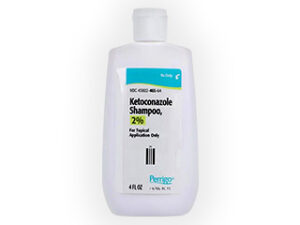
- Dandruff and scalp scaling associated with Malassezia species (often treated with ketoconazole shampoo/foams, depending on the product).
Oral (systemic) ketoconazole
Oral ketoconazole has historically been used for more serious fungal infections. However, due to important safety considerations (especially liver risk and interactions), current use may be more restricted and guided by specialist advice.
For best safety, always use the correct formulation for your condition—topical ketoconazole is not a substitute for systemic treatment where internal infection is present.
When to take it and how to use it (timing)
Topical ketoconazole (cream / shampoo)
- Follow product instructions: Many skin treatments are applied once or twice daily depending on the product.
- Scalp shampoo: Typically applied to the scalp, left for a short period, then rinsed. A common pattern is using it several times per week initially.
- Consistency matters: Continue for the full course even if symptoms improve quickly.
Oral ketoconazole (tablets)
- Take at the recommended time: Often taken once daily or divided doses, depending on the specific product and strength.
- Stomach acidity is important: Absorption may be affected by medicines that reduce stomach acid.
- Complete the course: Stopping early can allow infection to return.
If you are unsure whether your product is topical or oral, check the packaging and the “Directions for use” section carefully.
Food interactions and stomach acidity
For oral ketoconazole, food and drinks can affect absorption due to their effect on stomach acid.
- Stomach acid–reducing medicines (e.g., some antacids and acid-suppressing drugs) can significantly reduce absorption.
- Best approach: Use the product exactly as directed regarding timing with meals. Some oral regimens advise taking with food to support absorption, while others specify a particular timing strategy.
For topical ketoconazole, food does not usually play a meaningful role because systemic absorption is limited.
Alcohol and medicine interactions
Alcohol
With ketoconazole, especially oral use, alcohol should be approached cautiously. Since oral ketoconazole is processed in the liver, heavy alcohol intake may increase strain on the liver. If you drink alcohol regularly, discuss this with a healthcare professional.
Medicine interactions (general points for oral ketoconazole)
Ketoconazole can interact with other medicines, mainly through liver metabolism and effects on drug levels. Interactions may include:
- Acid-reducing medicines: These can reduce ketoconazole absorption.
- Medicines that affect liver enzymes: Some drugs can increase or decrease ketoconazole levels, changing effectiveness and side effect risk.
- Medicines with heart rhythm effects: Certain antifungals can interact with other medicines that affect the QT interval (a measure seen on an ECG). If you take medicines that influence heart rhythm, additional caution is needed.
- Other medicines with liver risk: Combining multiple medicines that can affect the liver may increase risk.
Because interaction patterns depend heavily on your exact product and other medicines, it’s safest to review your current medication list with a healthcare professional or pharmacist—particularly before starting oral ketoconazole.
Indications: what ketoconazole can treat
“Indications” refers to the conditions a medicine is intended to treat. Common indications include:
- Fungal skin infections due to susceptible organisms (topical preparations).
- Seborrhoeic dermatitis (topical preparations, including scalp preparations).
- Dandruff associated with Malassezia (topical preparations).
- Selected systemic fungal infections (oral preparations in appropriate circumstances, guided by specialist advice and safety considerations).
If symptoms are severe, recurrent, or not improving, it’s important to confirm the diagnosis. Some skin conditions can look similar to fungal infections but need different treatment.
Dosing: typical regimens (product-dependent)
Dosing varies by product (cream vs shampoo vs tablets), strength, and the condition being treated. Always use the dosing instructions that come with your specific product.
Topical dosing (general guidance)
- Cream: Apply a thin layer to the affected area as directed (often once or twice daily). Clean and dry the area first.
- Shampoo/foam: Apply to the scalp, massage gently, leave for a specified time (commonly a few minutes), then rinse. Use as directed—often multiple times per week initially, then less frequently for maintenance if needed.
Oral dosing (general considerations)
- Only use as directed for your condition. Oral dosing can vary widely depending on severity, organism, and patient factors.
- Liver safety monitoring may be required. If oral ketoconazole is used, additional checks may be recommended by clinicians.
If you tell us which product strength and form you have (cream, shampoo, or tablets), we can help you understand typical instructions—without replacing clinical advice.
Safety profile: side effects and when to seek help
Like all medicines, ketoconazole can cause side effects. Most people tolerate ketoconazole well, particularly when used topically, but there are important safety considerations—especially for oral ketoconazole.
Common side effects (often mild)
- Topical: Skin irritation, redness, itching, dryness, or a mild burning sensation at the application site.
- Scalp products: Possible scalp irritation or changes in hair feel.
Serious risks (particularly for oral ketoconazole)
Oral ketoconazole has been associated with serious liver injury. The risk and monitoring approach can depend on the individual and the duration of therapy.
Seek urgent medical help if you develop symptoms that may suggest liver problems, such as:
- Yellowing of the skin or eyes (jaundice)
- Dark urine
- Severe nausea or vomiting
- Loss of appetite, unusual fatigue
- Right upper abdominal pain
Allergic reactions (any formulation)
Stop using the medicine and get urgent advice if you have signs of an allergic reaction such as:
- Swelling of the face, lips, or throat
- Wheezing or difficulty breathing
- Severe rash or blistering
General precautions
- Use on skin only as directed: Avoid eyes, mouth, and broken skin unless specifically instructed.
- Report other conditions: Particularly liver disease, heart rhythm issues, and any regular medication use.
- Do not share: Don’t use someone else’s prescription or treatment plan.
Practical use tips for best results
Topical care basics
- Clean and dry: Apply to clean, dry skin/scalp for better adherence.
- Use enough product: A thin layer is often enough for cream, but ensure you cover the affected area and a small margin around it.
- Be patient: Fungal symptoms can take days to weeks to settle. Continued use is usually required.
- Avoid irritants: Fragranced products or harsh cleansers can worsen irritation, particularly in seborrhoeic dermatitis.
Scalp hygiene
- Let it sit: For shampoo products, leaving it for the recommended time improves effectiveness.
- Don’t scratch: Excess scratching can worsen inflammation and increase irritation.
- Comb hygiene: Clean combs and hats regularly to reduce reinfection or lingering contamination.
Preventing recurrence
- Continue maintenance if advised: Some people benefit from ongoing treatment frequency changes after the initial flare settles.
- Address contributing factors: Oily skin, stress, illness, and certain hair/skin products can influence dandruff and seborrhoeic dermatitis.
Alternative options for fungal infections
If ketoconazole is not suitable (for example, due to side effects, lack of response, or product availability), alternative antifungals may be considered depending on the condition and site of infection. Options may include:
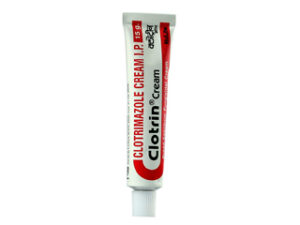
- Topical azoles: Examples include clotrimazole, miconazole, and econazole (availability depends on UK market).
- Allylamines: Terbinafine (commonly used for certain fungal skin infections).
- Other antifungals: Products such as ciclopirox or selenium sulfide may be used for particular scalp conditions (depending on the diagnosis).
- For seborrhoeic dermatitis: Some people respond to non-azole scalp treatments or supportive anti-inflammatory approaches, depending on severity.
The best alternative depends on the organism involved, the location of the infection, and whether it’s confirmed or suspected. Persistent symptoms should be reassessed.
UK market and legal context (overview)
Medicines availability and classification in the UK can vary by formulation:
- Topical products (such as medicated shampoos and creams) may be supplied through licensed channels and may be available for purchase depending on brand and strength.
- Oral ketoconazole may have more restricted use due to safety concerns, and access may depend on clinical judgement and regulatory position.
Regulatory expectations focus on patient safety—particularly for systemic antifungals and interactions. Product availability can change over time, so always check the specific listing for the item you are ordering.
Recent guidance and safety awareness
Recent years have emphasised awareness of ketoconazole-related safety risks, particularly for oral formulations (including liver toxicity and significant drug interactions). This has influenced prescribing practices and the caution advised in clinical settings.
For UK users, it’s also important to follow current NHS and regulator advice where relevant, including:
- Use ketoconazole only for the condition it is appropriate for.
- For oral use, ensure all potential interactions are reviewed.
- Watch for symptoms that might indicate serious side effects (especially liver-related symptoms).
- If symptoms do not improve, seek medical review rather than repeating courses indefinitely.
Delivery and availability (online pharmacy)
Availability of ketoconazole products may vary by the specific formulation (cream, shampoo, or oral tablets), strength, and local supply. When ordering online in the UK:
- Check the product form: Confirm whether you are purchasing a topical product (for skin/scalp) or an oral product.
- Delivery times: Typical delivery timeframes vary by supplier and location; display estimates at checkout.
- Packaging: Products are usually dispatched in protective packaging to keep them intact during transit.
- Cold chain: Most ketoconazole products do not require special temperature handling, but check storage instructions on the label.
If a specific ketoconazole product is temporarily unavailable, you may see alternative brands or equivalent antifungal options as substitutes.
FAQ: Common questions about ketoconazole
1) What infections does ketoconazole treat?
Ketoconazole can treat certain fungal infections, particularly skin and scalp conditions such as seborrhoeic dermatitis and dandruff (especially with medicated shampoos). Some oral uses exist for more serious fungal infections, but suitability depends on safety considerations and interactions.
2) How long does ketoconazole take to work?
For topical treatments, improvement is often seen within a few days, but complete resolution may take longer. Scalp dandruff and seborrhoeic dermatitis may require repeated use over several weeks. If there is little or no improvement after the recommended course, seek further advice.
3) Can I use ketoconazole with other skin products?
Generally, you can combine it with gentle moisturisers and non-irritating skincare, but avoid applying harsh or strongly fragranced products directly on the treated area if you experience irritation. For hair/scalp routines, check whether other medicated products are needed or might irritate your skin.
4) Is ketoconazole safe to use long-term?
For scalp and seborrhoeic dermatitis, some maintenance use may be considered. However, long-term use should follow product guidance or clinician advice. If you need continuous treatment, it’s reasonable to review the underlying cause with a healthcare professional.
5) Why does oral ketoconazole interact with stomach acid tablets?
Ketoconazole absorption depends on stomach acidity. Medicines that reduce acid can lower absorption and reduce effectiveness. Always follow the instructions on your oral product and discuss interactions with a pharmacist if you take acid-reducing medicines.
6) Can I drink alcohol while using ketoconazole?
Alcohol is not always strictly prohibited for topical use, but for oral ketoconazole, caution is important due to potential liver risk. If you drink alcohol regularly or heavily, seek advice before starting oral ketoconazole.
7) What should I do if I miss a dose?
For topical products, apply as soon as you remember unless it’s close to the next dose—then continue as normal. For oral regimens, follow the product instructions. Avoid doubling up unless advised.
8) When should I stop and get medical advice?
Stop use and get urgent help if you develop signs of a serious allergic reaction or symptoms that may indicate liver injury (especially for oral ketoconazole). For persistent or worsening symptoms, seek medical review.
9) Can ketoconazole be used during pregnancy or breastfeeding?
Safety in pregnancy and breastfeeding can depend on the formulation and your specific situation. It’s important to consult a healthcare professional for personalised advice. Topical use may be preferred in some scenarios, but the safest approach depends on the extent of treatment.
10) Is ketoconazole the same as other antifungals?
Ketoconazole is one specific antifungal. Other antifungals (such as clotrimazole, miconazole, or terbinafine) may be used for similar conditions but can differ in effectiveness, dosing, and suitability.
Summary
Ketoconazole is an antifungal medicine used to treat certain fungal infections, most commonly with topical products for skin and scalp conditions such as dandruff and seborrhoeic dermatitis. It works by disrupting the fungal cell membrane formation (ergosterol). While topical ketoconazole is generally well tolerated, oral ketoconazole has important safety considerations—especially liver-related risks and interactions with other medicines.
If you’re choosing a product, make sure you select the right formulation for your condition, use it as directed, and seek advice if symptoms persist or side effects occur.
At-a-glance information table
| Topic | What you should know |
|---|---|
| Medicine | Ketoconazole (antifungal) |
| Common uses | Scalp/dandruff and seborrhoeic dermatitis (topical); selected systemic fungal infections (oral, where appropriate) |
| How it works | Inhibits fungal ergosterol synthesis, impairing fungal cell membranes |
| Absorption | Oral absorption depends on stomach acidity; topical absorption is usually limited |
| Food effects | Oral ketoconazole may be affected by food and reduced stomach acid; follow product directions |
| Alcohol | Caution with oral use due to potential liver-related risk |
| Key interactions | Especially with medicines that affect stomach acid and liver metabolism |
| Safety | Topical: possible skin/scalp irritation; Oral: serious liver injury risk—watch for warning signs |