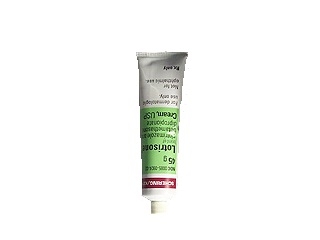
Betamethasone / Clotrimazole – Cream for Inflammation and Fungal Infection (UK)
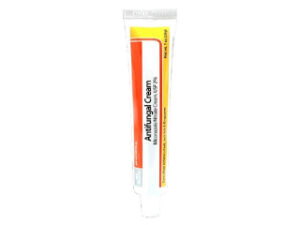
Betamethasone / Clotrimazole is a combination medicine used to treat certain skin conditions where fungal infection and inflammation occur together. It combines:
- Clotrimazole – an antifungal that helps stop the fungus causing infection.
- Betamethasone – a corticosteroid that reduces redness, swelling, itching and irritation.
This leaflet-style guide explains what the medicine does, how it’s used, what to expect, and important safety information. Always follow the directions on your product packaging or as advised by a healthcare professional.
Key Product Information
| Category | Combination treatment |
|---|---|
| Active ingredients | Clotrimazole + Betamethasone (topical) |
| Typical formulation | Cream (also available as ointment depending on brand) |
| How it works | Antifungal + anti-inflammatory corticosteroid |
| Common uses | Inflamed fungal skin infections (selected conditions) |
| Who it’s for | Adults and some adolescents/children only if appropriate for age and site |
Note: Brand names and strengths can vary. Check your specific product label for exact concentrations and instructions.
How It Works (Mechanism of Action)
Clotrimazole (antifungal component)
Clotrimazole belongs to the group of medicines called imidazole antifungals. It works by interfering with fungal cell membranes. In practical terms, it helps stop the growth of the fungus and gradually clears the infection.
Betamethasone (corticosteroid component)
Betamethasone is a topical corticosteroid. It reduces inflammation by influencing local immune responses and inflammatory pathways in the skin. This helps to relieve:
- Itching
- Redness
- Swelling
- Discomfort and irritation
Why the combination matters: Many fungal rashes become very inflamed. Treating the fungus and the inflammation at the same time can improve symptoms more quickly.
Pharmacokinetics (What Happens to the Medicine in the Body)
Because Betamethasone / Clotrimazole is applied to the skin, absorption is generally low when used correctly on small areas. However, absorption can increase under certain conditions.
Topical absorption
- Clotrimazole primarily acts locally in the skin.
- Betamethasone can be absorbed through the skin, especially if used on large areas, under occlusion (e.g., covered with dressings/plasters), on broken skin, or for long periods.
Metabolism and elimination
Absorbed corticosteroid may be metabolised in the liver and eliminated through the body in urine and faeces. The extent of absorption depends on how and where the product is applied.
Practical takeaway: Use the smallest effective amount for the shortest suitable duration, and avoid covering the area unless advised.
Typical Uses and Indications
This combination is typically used for fungal skin infections that are accompanied by inflammation. Common examples seen in clinical practice include:
- Tinea infections (ringworm) on the body or groin, when inflammation is significant
- Fungal infections where marked redness, itch and irritation are present
Important: Not every rash is fungal. Using a corticosteroid on an infection that isn’t fungal (or on the wrong condition) may make things worse or mask symptoms.
Avoid using on certain conditions
- Unexplained rashes where the cause is uncertain
- Infections caused by viruses (e.g., cold sores, chickenpox)
- Skin conditions such as acne or rosacea unless specifically advised
- Fungal infections on areas like the face unless a clinician has directed use (steroid-related skin thinning risks are higher)
When to Apply: Timing and Routine
Follow your product label for the exact schedule, but topical combination antifungal–steroid creams are often used:
- Once or twice daily depending on the severity and brand instructions
How long to use
Treat for the period specified on the packaging. In general, corticosteroids should not be used for long continuous periods on the skin. If symptoms persist after a short course, you should seek further medical advice rather than continuing.
Tip: Continue treatment for long enough to clear the fungus. Stopping too early can lead to relapse.
How to Use It Safely (Practical Step-by-Step)
- Clean and dry the affected area gently.
- Wash your hands before applying the cream.
- Apply a thin layer to the affected skin and a small surrounding margin (unless your label says otherwise).
- Rub in lightly until the cream disappears.
- Wash your hands again after application (unless the hands are the treatment area).
Keep the area dry
Fungal infections often improve faster when the area stays dry. Consider breathable clothing and avoid tight, occlusive garments.
Do not occlude
Avoid covering the treated area with tight dressings or impermeable wraps unless advised. Occlusion can increase steroid absorption.
Food Interactions
There are no known direct food interactions with this topical medicine. Because it is applied to the skin, dietary changes are not typically required.
However, if you are also taking oral medicines for other conditions, review interactions separately with your pharmacist or prescriber.
Alcohol Interactions
No specific alcohol interaction is expected from this topical treatment. Still, if you experience side effects such as skin irritation or if you are taking other medicines that interact with alcohol, follow the advice relevant to those medicines.
Medicine Interactions
Systemic (whole-body) interactions are unlikely due to topical use, but absorption of the steroid component could increase under certain circumstances.
Potential situations where extra caution is needed
- Other topical corticosteroids used at the same time or over the same area
- Strong skin-penetrating products (e.g., some medicated gels/solutions) applied to the same site
- Medications affecting immunity (e.g., certain immunosuppressants), where more careful monitoring may be advised
If you are unsure, ask a pharmacist—especially if you use multiple creams on the same area.
Dosing (Adults and Children)
The exact dose depends on your product strength and the condition being treated. Always use the dose stated on the packaging.
Typical dosing pattern
- Adults: often applied once or twice daily for a short treatment period.
- Children: only use if appropriate for age and site. Steroid preparations may carry additional risks in children due to greater skin surface area relative to body weight.
How much to apply
Use a thin layer that covers the affected area. Over-application increases the risk of side effects.
What if you miss a dose?
- Apply it as soon as you remember.
- If it’s close to the next scheduled dose, skip the missed application and continue normally.
Safety Profile and Side Effects
Like all medicines, Betamethasone / Clotrimazole can cause side effects. Most people experience none or only mild, temporary skin effects.
Common local side effects
- Skin irritation or burning
- Itching
- Redness
- Dryness
Serious side effects (seek prompt advice)
Stop using the cream and seek medical advice urgently if you notice signs of a severe reaction or worsening infection, such as:
- Rapidly spreading rash
- Severe swelling, blistering, or weeping
- Signs of allergy (e.g., widespread hives, facial swelling, breathing difficulty)
- Severe pain or fever
Risks from the corticosteroid component
With topical steroids, risks increase when used too long, on large areas, under occlusion, or on sensitive skin (face, groin, skin folds). Possible steroid-related issues include:
- Skin thinning (atrophy)
- Stretch marks
- Worsening of existing infections or masked symptoms
- Perioral dermatitis or acne-like eruptions (more common on the face)
Contact and fungal clearance
If symptoms don’t improve after the recommended course, the diagnosis may be different (e.g., eczema, psoriasis, bacterial infection) or resistance/complication may be present.
Safety Advice: Who Should Be Extra Careful?
- Children: use only under appropriate guidance.
- Pregnancy and breastfeeding: discuss with a pharmacist or healthcare professional before using. Use only if clearly necessary and avoid large-area use or prolonged treatment.
- Broken or irritated skin: absorption may increase; avoid applying to open wounds unless instructed.
- Eye area: do not apply near eyes. Corticosteroids around the eyes may increase risk of eye complications.
- Face, groin, and skin folds: should generally be treated cautiously with topical steroids.
Practical Use Tips for Best Results
- Don’t share towels or clothing to reduce spread and reinfection.
- Wash bedding and clothing regularly if the condition is recurrent.
- Keep nails trimmed to prevent fungus transfer from skin to other areas via scratching.
- Dry thoroughly after washing, especially skin folds and feet.
- Check household sources (e.g., athlete’s foot in another person) if the infection keeps returning.
- Reassess if not improving within the expected timeframe.
Alternative Options
Depending on the exact diagnosis, alternative treatments may include:
- Clotrimazole alone (antifungal-only) for fungal rashes without significant inflammation
- Other topical antifungals such as terbinafine or miconazole (choice depends on the fungal type and site)
- Non-steroid anti-inflammatory options (for certain inflammatory skin conditions)
- Different prescriptions/strengths where a steroid is not appropriate or where infection type differs
Why alternatives matter: Using a steroid combination can be unsuitable for conditions that aren’t fungal. If you’re unsure, it may be safer to start with an antifungal-only approach or seek advice.
Market and Legal Context in the United Kingdom
In the UK, topical antifungal and topical corticosteroid medicines are supplied under regulatory frameworks overseen by medicines regulators. The availability of specific formulations can vary between:
- Pharmacy (P) products supplied by a pharmacist
- General sales list (GSL) products where relevant
- Prescription-only medicines (depending on product and strength)
When ordering online, UK regulations typically require medicines to be supplied only in line with their legal classification and safety checks. A pharmacy may also provide advice about correct use, suitability, and when to seek further help.
Brand availability: The exact brand and packaging details differ across manufacturers. Always rely on the information in your product leaflet and the label on your specific item.
Recent Guidance and Clinical Considerations (UK-Focused)
Dermatology and primary care guidance commonly emphasise:
- Confirming the diagnosis when rashes persist or recur
- Avoiding unnecessary topical steroids when fungal infection is not confirmed
- Limiting duration of corticosteroid-containing creams
- Reviewing if symptoms worsen or do not improve after the expected treatment period
Because the corticosteroid component can improve redness and itch quickly, it may also hide features that would otherwise indicate the underlying cause. Therefore, if you do not improve as expected, do not continue indefinitely.
Delivery and Availability (UK Online Pharmacy)
Availability depends on the product’s legal status and your location. Typical UK online pharmacy delivery approaches include:
- Standard delivery (often 2–5 working days depending on courier and dispatch time)
- Express delivery options where available
- Tracking and discreet packaging
Cold-chain: This type of skin cream usually does not require refrigeration, but store according to the label instructions.
What to check before ordering:
- Correct product name and strength
- Expiry date
- Whether your planned use area is suitable
How to Store
- Store at room temperature unless the label states otherwise.
- Keep the tube tightly closed.
- Keep out of sight and reach of children.
- Do not use after the expiry date.
FAQ – Betamethasone / Clotrimazole
1) What is Betamethasone / Clotrimazole used for?
It’s used for certain fungal skin infections where there is noticeable inflammation such as redness, itching and irritation. The antifungal component targets the fungus; the betamethasone helps reduce inflammatory symptoms.
2) How quickly should I see improvement?
Some symptom relief (itching/redness) may start within a few days. Full clearance can take longer. If you see no improvement within the recommended timeframe on the pack, seek advice.
3) Can I use it on the face or groin?
Because betamethasone is a corticosteroid, special care is needed on the face, groin, and skin folds. Use only if your product label or a clinician has advised it for that site.
4) Can I stop as soon as symptoms improve?
It’s usually best to complete the course stated on the packaging or advised by a healthcare professional. Stopping early can allow the fungus to return.
5) What if my rash gets worse?
Stop using the cream and contact a pharmacist or clinician. Worsening could mean the rash is not fungal, the condition is more severe than expected, or there is an alternative diagnosis.
6) Is it safe to use with moisturisers or other creams?
You can often use moisturisers on nearby or different areas, but avoid mixing products on the same spot unless advised. If you use multiple products on the same skin area, ask a pharmacist to help you space them appropriately and avoid unnecessary irritation.
7) Can I use it if I have athlete’s foot or fungal infection on my feet?
It may be suitable for some fungal skin conditions, but the correct product for feet (and the correct pattern of application) may differ. If you’re treating a household fungal condition, consider treating all relevant sites and addressing reinfection sources.
8) Are there any alcohol interactions?
There are no expected direct alcohol interactions with this topical medicine.
9) What should I do if I miss a dose?
Apply when you remember, unless it’s close to your next dose. Do not double up to make up for the missed application.
10) When should I seek medical advice urgently?
Seek urgent advice if you develop signs of a severe allergic reaction, rapidly spreading redness, blistering/weeping, severe pain, or you feel unwell.
Summary
Betamethasone / Clotrimazole is a topical combination cream designed to treat fungal skin infections with inflammation. Clotrimazole targets the fungus, while betamethasone helps reduce redness, itch and irritation. To use it safely, apply a thin layer to the affected area, avoid prolonged use or occlusion, and seek advice if the rash does not improve or worsens.
Always check your specific product packaging for the most accurate instructions on dosing, duration and suitability for your skin area.