Tretiva (Isotretinoin) – Patient-Friendly Guide (UK)
Tretiva is a medicine containing isotretinoin, a powerful treatment used for certain types of acne. Because isotretinoin can cause serious side effects, it must be used carefully and with clear monitoring. This guide explains how Tretiva works, how it is used, what to expect, and the key safety considerations for people in the United Kingdom.
Important: This information is for general guidance and does not replace advice from a healthcare professional.
Basic product information
| Item | Details |
|---|---|
| Medicine | Tretiva |
| Active ingredient | Isotretinoin |
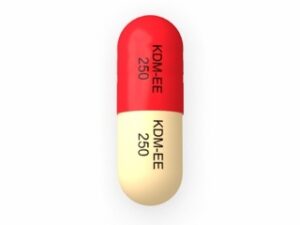
| Medicinal form | Oral capsules (commonly available in strengths such as 10 mg and 20 mg) |
| Type of medicine | Retinoid (vitamin A–related medicine) |
| Main use | Severe acne and related conditions that do not respond to standard therapies |
| Key safety topic | Major risk in pregnancy; strict pregnancy prevention measures are required |
How Tretiva works (mechanism of action)
Isotretinoin works on several causes of acne at the same time:
- Reduces oil (sebum) production by shrinking the sebaceous glands.
- Normalises skin cell turnover, helping prevent blocked pores.
- Decreases inflammation and helps calm acne lesions.
- Helps reduce acne-causing bacteria activity, partly by altering the skin environment.
Compared with many topical treatments, isotretinoin is systemically acting, which is why it can be effective for more persistent or severe acne.
Pharmacokinetics (what the body does to the medicine)
“Pharmacokinetics” describes how isotretinoin is absorbed, processed and eliminated.
- Absorption: Isotretinoin absorption increases when taken with food, particularly a meal with fat. This affects how much reaches the bloodstream.
- Metabolism: Isotretinoin is converted in the body to active metabolites, mainly involving hepatic (liver) metabolism.
- Distribution: It can distribute into tissues, including skin, where it helps target acne processes.
- Elimination: Metabolites are eliminated primarily via urine and bile. The process takes time, which is why effects can persist after treatment ends.
Because individual metabolism can vary, clinicians may adjust dosing based on response and side effects, supported by lab monitoring.
Typical use in acne treatment
Tretiva is used for:
- Severe acne (particularly nodular or cystic acne)
- Acne that risks scarring or has already caused scars
- Acne that has not responded adequately to appropriate standard treatments, such as certain antibiotics and topical therapies
- Acne with significant psychological impact where specialist assessment supports isotretinoin
Treatment is usually given as a course lasting several months. The exact schedule depends on the severity of acne, tolerability, and the chosen dosing strategy.
When to take Tretiva (timing and routine)
Consistency is important for reliable absorption and symptom control.
- Take the capsule(s) once or twice daily as advised.
- Take with food (see food interaction section below) to improve absorption.
- Choose a routine that you can stick to (for example, with breakfast and/or dinner).
- Do not crush or open capsules unless the product instructions explicitly allow it.
If you miss a dose, follow the directions provided by your healthcare professional or the medicine’s patient information. In general, do not take a double dose to make up for a missed one.
Food interactions
Food plays a meaningful role in how well isotretinoin is absorbed:
- Taking with a meal generally increases absorption compared with taking it on an empty stomach.
- Fat-containing meals can increase absorption further. This does not mean you must eat a high-fat diet—just that taking it with a normal meal is recommended in many regimens.
- Keep it consistent: if you usually take it with breakfast, try not to switch to a totally fasting routine.
If you have digestive issues, special diets, or concerns about appetite, discuss practical options with your healthcare team.
Alcohol and medicine interactions
Alcohol
Isotretinoin can affect liver function and blood fats (lipids). Alcohol may also stress the liver or worsen lipid changes. For that reason, it’s best to:
- Avoid heavy or regular alcohol intake during treatment.
- Discuss safe limits with your clinician—especially if you have existing liver problems, elevated liver enzymes, or high triglycerides.
Other medicines (general interaction overview)
Interactions may occur with medicines that also affect the liver, skin, or vitamin A pathways.
- Vitamin A supplements: Avoid taking vitamin A or “high-dose” supplements containing vitamin A (risk of additive toxicity).
- Tetracycline antibiotics (certain antibiotics): Using tetracyclines alongside isotretinoin is generally avoided due to rare reports of increased intracranial pressure (severe headache/vision symptoms).
- Hormonal therapy: Some acne treatments may be adjusted during isotretinoin therapy. Your prescriber will consider your full medicine list.
- Other medicines affecting the liver: Many medicines can influence liver enzymes. Your healthcare team may monitor blood tests more closely.
- Herbal products: Some herbal remedies may affect liver function. Tell your clinician about any supplements.
Always provide a complete list of medicines, over-the-counter products and supplements to your healthcare professional.
Indications and who it may be suitable for
In the UK, isotretinoin is typically reserved for people with acne that is severe, resistant, or causing significant scarring risk. Suitability depends on:
- Acne severity and type (for example, nodular/cystic acne)
- Past treatments already tried and response
- Scarring risk and impact on quality of life
- Medical history, including liver disease or lipid disorders
- Ability to comply with safety measures (especially pregnancy prevention where relevant)
Dosing: how treatment schedules are set
Dosing is individualised. A common approach is to aim for a total cumulative dose over the treatment course, with daily dosing adjusted to balance effectiveness and side effects.
- Strengths: Capsules may be available in different strengths (for example, 10 mg and 20 mg).
- Daily dosing: Often once or twice daily depending on the regimen.
- Course length: Commonly several months, with adjustments as necessary.
- Monitoring may influence dosing: If blood tests show significant changes or side effects become difficult, the dose may be reduced or treatment paused.
Do not change your dose without medical advice. The goal is to maintain a balance between efficacy and tolerability.
Safety profile: what to watch for
Isotretinoin has a well-known safety profile. Most side effects are related to reduced oil production and drying of tissues, but more serious effects can occur and require prompt action.
Common side effects
- Dry lips (very common)
- Dry skin and skin peeling
- Dry eyes or eye irritation
- Dry nose and possible nosebleeds
- Sun sensitivity (skin may burn more easily)
- Temporary acne flare early in treatment (not everyone experiences this)
- Muscle or joint aches
Less common but important risks
- Blood fat changes (e.g., triglycerides) and sometimes cholesterol
- Liver enzyme changes (requires blood monitoring)
- Headache and vision symptoms—seek urgent advice if severe headache, blurred vision, or persistent vomiting occurs
- Mood changes: any new or worsening low mood, anxiety, or behavioural changes should be discussed promptly
- Severe skin reactions are rare but require immediate medical attention
Pregnancy and reproductive safety (critical)
Isotretinoin is highly teratogenic (can cause severe birth defects). If there is any possibility of pregnancy, strict pregnancy prevention measures must be followed exactly as directed by healthcare professionals, including appropriate contraception and testing where relevant.
People who can become pregnant should understand and comply with all required safeguards. If you are trying to conceive, or if pregnancy is suspected, you should seek immediate medical advice.
Breastfeeding
Discuss breastfeeding plans with your healthcare professional, as isotretinoin is generally not recommended during breastfeeding due to potential risks.
Practical use tips (to stay comfortable and improve results)
Many isotretinoin side effects can be reduced with good skincare habits and sensible lifestyle adjustments.
- Moisturise regularly: Use a gentle, fragrance-free moisturiser. Apply after washing and as needed.
- Protect your lips: Use lip balm frequently; reapply especially after eating or in dry environments.
- Eye comfort: If eyes feel gritty or dry, consider preservative-free artificial tears. Seek advice if symptoms persist.
- Sunscreen daily: Use a broad-spectrum SPF and consider protective clothing—skin can burn more easily.
- Avoid aggressive skin treatments: Try to limit exfoliating scrubs, harsh chemical peels, or abrasive products while on treatment and discuss procedures with your clinician.
- Be careful with waxing/laser: Your skin may be more sensitive. Always ask before cosmetic procedures.
- Stay hydrated and manage aches: Gentle exercise and stretching may help; if pain is severe, contact your healthcare team.
- Keep a symptom diary: Note dryness severity, mood changes, headaches, or other concerns so they can be discussed at follow-up.
If side effects become difficult, do not stop abruptly without guidance—contact your healthcare professional to discuss options.
What to expect during treatment (timing of results)
Acne improvement often follows a typical pattern, but experiences vary:
- First weeks: Some people notice increased dryness. A temporary acne flare can happen early.
- After 4–8 weeks: Many start to see fewer new spots.
- Mid-course: Continued reduction in inflammation and fewer lesions.
- End of course: Ongoing clearing and stabilisation.
- After stopping: Effects can continue for a period as the medicine leaves the body.
If you feel acne is worsening rapidly, or if you develop concerning side effects, contact your healthcare team promptly.
Monitoring and blood tests (why they’re done)
Because isotretinoin can affect the liver and blood fats, monitoring commonly includes:
- Liver function tests
- Lipid profile (including triglycerides)
- General health checks based on symptoms and risk factors
Your healthcare team will determine the frequency of blood tests. If you have symptoms such as yellowing of the skin/eyes, dark urine, severe abdominal pain, or marked fatigue, seek urgent medical advice.
Alternative options for acne (if Tretiva isn’t suitable)
Acne treatment depends on the type and severity of acne and prior response. Possible alternatives include:
Topical treatments
- Retinoids (topical): such as adapalene/tretinoin (depending on availability and suitability)
- Antibiotics (topical): used in limited courses and often combined with other agents to reduce resistance
- Benzoyl peroxide: helpful for inflammation and bacterial load
- Azelaic acid: useful for mild to moderate acne and pigmentation
Oral treatments
- Oral antibiotics (typically for limited duration with careful stewardship)
- Hormonal therapies (for some people, particularly in females with appropriate indication)
Procedures and supportive care
- Extraction/comedone management by a trained professional
- Laser or light-based therapies for selected cases
- Management of scarring once acne is controlled (e.g., microneedling, subcision, resurfacing)
Your clinician can help you weigh benefits, risks and expected timeframes.
UK market and legal context (patient overview)
Isotretinoin is a medicine that requires careful control because of its pregnancy risk and potential adverse effects. In the UK, isotretinoin programmes and regulations are designed to ensure safe use, including:
- Clear patient education about risks and required precautions.
- Structured monitoring for side effects and lab changes.
- Strict pregnancy prevention measures for people who can become pregnant.
- Supply chain controls to support correct dispensing and safety documentation.
Requirements can vary by specific product branding and current programme updates. Always follow the directions provided with your medicine and documentation from your healthcare professional.
Recent guidance (what UK patients should know)
Acne management guidance in the UK generally emphasises:
- Antibiotic stewardship: oral antibiotics should be used appropriately and not for longer than needed.
- Individual risk assessment: isotretinoin suitability is based on acne severity, previous treatment response, and safety profile.
- Contraception and pregnancy prevention where relevant: strict measures remain a core requirement.
If you have questions about current local pathways, ask your dermatologist or GP, or consult official NHS resources and medicine safety updates.
Delivery and availability in the United Kingdom
Availability can vary by pharmacy stock and capsule strength. Many online pharmacies offer:
- Order processing during business hours (timing depends on verification steps and service model).
- Tracked delivery across the UK, with delivery estimates shown at checkout.
- Discrete packaging for privacy.
- Cold-chain handling (rarely needed): isotretinoin capsules are not typically temperature-sensitive, but follow pharmacy instructions.
Delivery times may vary depending on prescription/medicine verification procedures, stock availability, and carrier conditions. Check the delivery and returns policy shown on the pharmacy website.
Safety checklist before starting (practical)
Use this list to prepare for treatment discussions:
- Tell your clinician about: liver problems, high cholesterol/triglycerides, kidney disease, diabetes, or any long-term illness.
- Review your current medicines and supplements (including herbal products and vitamin A).
- Plan skin-care support: moisturiser, lip balm, sunscreen, and eye drops if needed.
- Discuss contraception and pregnancy prevention where relevant and ensure you can comply with all requirements.
- Know warning signs: severe headache/vision changes, severe mood changes, or signs of liver trouble (such as yellowing skin/eyes).
FAQ
How long does isotretinoin take to work?
Many people begin to see improvement within 4–8 weeks. Some notice early changes sooner, while others need longer. Full results often build over the course of treatment and may continue after stopping.
Will my acne get worse at the beginning?
A temporary flare can occur in the early weeks. It is not experienced by everyone. If it’s severe or accompanied by concerning symptoms, speak to your healthcare professional.
Can I take Tretiva with food?
Usually, isotretinoin is recommended to be taken with a meal to improve absorption. Try to take it consistently with similar types of meals.
What are the most common side effects?
The most common include dry lips, dry skin, dry eyes, nose dryness, and sensitivity to sunlight.
Are there medicines I must avoid?
Avoid products containing vitamin A. Certain antibiotics, particularly tetracyclines, are generally avoided with isotretinoin due to safety concerns. Always review your full list of medicines and supplements with your healthcare professional.
Is alcohol completely forbidden?
Alcohol is not always strictly forbidden, but it may increase risks to the liver and triglycerides. It’s generally advised to avoid heavy drinking and discuss safe limits with your clinician, especially if you have blood test changes.
Can I get pregnant while taking Tretiva?
Isotretinoin can cause severe birth defects. If there is any possibility of pregnancy, strict pregnancy prevention measures are essential. Follow the guidance you are given and seek urgent advice if pregnancy is suspected.
What monitoring will I need?
Many patients have blood tests to check liver function and blood lipids. The frequency depends on your risk factors and any symptoms.
Can I use moisturiser and sunscreen during treatment?
Yes. In fact, moisturiser, lip balm and sunscreen are strongly recommended to reduce dryness and sun sensitivity.
What should I do if I miss a dose?
Follow the directions provided by your healthcare professional or product leaflet. In general, do not take a double dose to make up for a missed capsule.
If you have further questions about Tretiva (isotretinoin) for your individual situation, speak to a healthcare professional or consult the medicine’s patient information leaflet included with your product.