Acticin (Permethrin) – Patient Information
Acticin contains permethrin, an insecticidal medicine used to treat certain skin infestations caused by parasites (most commonly scabies and lice). This page explains what Acticin is, how it works, how to use it safely and effectively, and what to expect during treatment.
This information is written for patients in the United Kingdom (UK) and is intended to be patient-friendly. For specific advice about your individual situation, follow your healthcare professional’s instructions and read the package leaflet provided with your product.
Quick overview
| Feature | What you should know |
|---|---|
| Active ingredient | Permethrin |
| Common uses | Scabies and head lice (varies by product/presentation) |
| How it works | Kills the parasite by interfering with nerve function |
| Where it is used | On the skin (and sometimes as directed for hair, depending on formulation) |
| Key practical step | Treat close contacts and follow cleaning measures |
| Time to see improvement | Itch may continue for days after successful treatment |
Basic product information
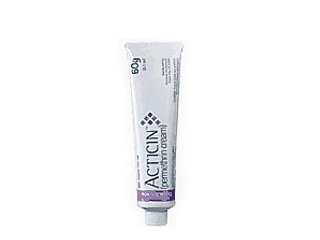
Acticin is a well-known brand of permethrin. Depending on the presentation, it may be used for conditions such as scabies or head lice.
In the UK, scabies and head lice are common public health issues. Effective treatment often depends not only on applying the medicine correctly, but also on treating close contacts and reducing re-infestation from the environment.
Always check the package leaflet and product label for the exact indication, concentration, age guidance, and instructions specific to the Acticin product you have.
How Acticin (permethrin) works (mechanism of action)
Permethrin is a pyrethroid insecticide. It works by affecting the parasite’s nervous system:
- It interferes with sodium channel function in the nervous system of the parasite.
- This leads to abnormal nerve firing, causing paralysis and death of the parasite.
- It is designed to target the infestation on the skin or hair surface, depending on the condition being treated.
For scabies, correctly timed application to the affected skin and adequate repeat dosing (as instructed) are important to improve the chance of cure, because eggs may survive the first application.
Pharmacokinetics: what the body does with permethrin
When permethrin is applied to the skin as directed, only a small amount is typically absorbed into the bloodstream.
- Absorption: Limited systemic absorption through intact skin; absorption may be higher if the skin is irritated or inflamed, but overall exposure remains generally low when used as directed.
- Distribution: Systemic distribution is limited because absorption is low.
- Metabolism: Any absorbed permethrin is metabolised primarily in the liver.
- Elimination: Metabolites are excreted mainly through the kidneys (urine).
Overall, for typical topical use in scabies or lice, systemic levels are expected to be low. This is one reason topical permethrin is generally tolerated when used correctly.
Typical uses and indications in the UK
Scabies
Acticin (permethrin) is widely used for the treatment of scabies, a contagious skin condition caused by the Sarcoptes scabiei mite.
Common signs include:
- Intense itch, often worse at night
- Small bumps, redness, or rash
- Possible burrows or lesions in characteristic areas
Scabies is highly contagious through close, prolonged skin-to-skin contact. Household members and close contacts often need treatment at the same time to prevent re-infestation.
Head lice (where applicable)
Some permethrin formulations are used for head lice. The exact directions (including whether a repeat application is advised) depend on the product and concentration.
Typical signs include:
- Itching of the scalp
- Visible lice or nits (eggs)
If you are treating head lice, consider using a fine-tooth nit comb as part of an effective management plan.
When to use it: treatment timing
Correct timing is crucial for scabies and can also matter for lice.
Scabies – typical approach
- Apply the product as instructed to the skin, covering the areas specified in the leaflet.
- Many scabies regimens include a second application after a set interval (commonly about one week), to account for newly hatched mites.
- Itch and rash can persist for some time even after mites are killed.
Head lice – typical approach
- Treat according to the leaflet for the specific product strength.
- A repeat treatment is sometimes recommended to catch newly hatched lice, depending on product guidance.
If symptoms worsen or do not improve after completing treatment correctly, seek advice from a pharmacist, GP, or other healthcare professional.
Dosing and how to apply Acticin
Because Acticin may come in different presentations, dosing depends on the condition and the specific product concentration. Always follow the instructions in the leaflet that came with your medicine.
General scabies application principles (skin treatment)
- Use the amount stated in the leaflet. In scabies, it is important not to under-apply.
- Apply to clean, dry skin as instructed.
- Pay attention to treated areas such as hands, wrists, between fingers, and other sites listed for scabies.
- Include children appropriately, including scalp and facial areas only if your specific product instructions say so.
After application:
- Leave the product on for the specified period.
- Wash off as directed (for example, after a set number of hours), and change into clean clothes/towel as advised.
- If a second treatment is recommended, repeat exactly as instructed.
General head lice principles (hair treatment, where applicable)
- Apply to the scalp and hair as instructed.
- Leave on for the specified time.
- Comb through with a fine nit comb to remove dead lice and nits.
- Repeat treatment only if the leaflet advises it.
Do not exceed the recommended frequency or amount.
Food interactions
Acticin (permethrin) is generally applied to the skin and is not taken as a food or drink medicine. Therefore, there are typically no direct food–drug interactions expected.
That said, if you are using the medicine for a child or if you are treating a large skin area, it is sensible to follow general safety advice:
- Do not ingest the medicine.
- Wash hands thoroughly after application.
- Avoid contact with eyes and mouth.
Alcohol and medicine interactions
There are typically no known direct interactions with alcohol for permethrin used topically as directed. Because systemic absorption is low, the likelihood of interaction is limited.
However, if you are concerned about interactions with other medicines (for example, if you have a complex medical condition or you are treating several family members at once), ask a pharmacist for advice. They can also check whether your specific permethrin product has any unique guidance.
Note: Using additional topical products (such as strong soaps, creams, or medicated lotions) at the same time may affect skin comfort or how well you can apply the permethrin correctly. Follow leaflet instructions and keep things simple.
Safety profile: who should take extra care?
Common side effects
Like all medicines, permethrin can cause side effects, although not everyone gets them.
- Skin irritation (mild burning, itching, redness)
- Temporary worsening of itch or rash after treatment
- Dryness or sensitivity of the skin
For scabies, continued itching after treatment can happen due to the skin reaction to dead mites rather than ongoing infestation.
Serious side effects (seek urgent advice)
Serious reactions are uncommon, but seek medical help urgently if you experience signs of a severe allergy, such as:
- Swelling of the face, lips, or eyelids
- Difficulty breathing or wheezing
- Severe rash, blistering, or widespread swelling
Precautions
- Eye contact: Avoid eyes. If product gets into the eye, rinse carefully with water.
- Mucous membranes: Avoid mouth, inside nose, and other sensitive areas unless the leaflet instructs otherwise.
- Broken skin: Do not apply to large areas of broken or heavily inflamed skin unless instructed; irritation may be greater.
- Children: Use only for the age groups and indications stated in the leaflet.
Practical use tips for best results
For scabies
- Treat contacts at the same time: Household members and close contacts should usually be treated simultaneously to reduce the risk of re-infestation.
- Follow the full course: Even if symptoms improve, complete the regimen (including any repeat dose).
- Pay attention to application technique: Apply thoroughly to the areas listed in your leaflet.
- Clothing and bedding: Follow the cleaning guidance in the leaflet (for example, washing clothing and bedding at the temperature or method advised, and drying thoroughly).
- Don’t share towels: Use separate towels for each person until treatment is complete.
For head lice (where applicable)
- Use a nit comb: Regular combing helps remove lice and nits and improves treatment success.
- Check close contacts: Lice can spread within families and schools.
- Be consistent: Nit combing over several days may be necessary to remove remaining eggs.
- Manage the environment: Follow leaflet instructions for washing or bagging items such as hats and bedding.
Alternative options
If permethrin is not suitable, not available, or does not work after correct use, there are other treatment options for scabies and head lice in the UK. Options may vary depending on age, pregnancy status, severity, and local guidance.
For scabies
- Other topical scabicides (e.g., preparations containing alternative active ingredients, depending on availability and guidance)
- Oral medicines for certain cases (typically prescribed or directed by a healthcare professional)
- Supportive measures for itch (e.g., emollients and antihistamines, as advised)
For head lice
- Other pediculicides (active ingredients differ by product)
- Dimeticone-based treatments (mechanism differs; may help with resistance concerns in some settings)
- Thorough combing and close monitoring
If treatment fails, it’s important to consider:
- Whether the product was applied correctly
- Whether close contacts were treated at the same time
- Whether re-infestation occurred from the environment
- Whether resistance is suspected
Market and legal context in the UK
In the UK, medicines are regulated under the Medicines and Healthcare products Regulatory Agency (MHRA). Guidance for treating infestations like scabies and head lice is provided through healthcare professional resources and national public health advice.
Availability of Acticin depends on the specific product presentation and formulation. Some products may be available through retail pharmacy channels, while others may be supplied via different routes. The exact way you purchase your product may therefore vary.
Local guidance may also emphasise:
- Coordinated treatment of close contacts for scabies
- Correct repeat timing where recommended
- Environmental cleaning steps to reduce re-infestation
- Professional review when symptoms persist
Recent guidance and clinical considerations (UK)
In scabies and lice care, current clinical practice places strong emphasis on:
- Correct application and completion of any repeat dosing schedule.
- Managing contacts to prevent “ping-pong” re-infestation.
- Understanding post-treatment itch: itch can continue for days due to inflammation, even when mites are gone.
- Checking for treatment failure when symptoms continue beyond expected recovery, or if new lesions appear.
If you are uncertain whether the infestation has cleared, a pharmacist or GP can help assess whether the symptoms are consistent with post-treatment reaction or suggest ongoing infestation.
Delivery and availability (UK)
Online availability depends on stock levels and the specific Acticin product presentation. When ordering from an online pharmacy in the UK:
- Confirm the exact product you are ordering matches the intended condition (scabies vs head lice).
- Check the strength, age information, and dosing instructions on the packaging.
- Use the leaflet guidance for timing and repeat treatment, if required.
Delivery times vary by provider and location within the UK. Your order may be dispatched from a UK warehouse, and tracking may be available depending on the service. If you need treatment urgently, choose the delivery option that offers the fastest dispatch and confirm delivery dates at checkout.
FAQ: Acticin (Permethrin)
1) How quickly will Acticin work?
For scabies, you may notice reduced itch and fewer new lesions over several days. Itching can continue for a while even if the mites have been killed. For head lice (where applicable), lice should be killed after the treatment period, and combing helps remove remaining lice and eggs.
2) Why is the itch still there after treatment?
Scabies itch may persist due to the skin’s reaction to dead mites and mite products. If symptoms are improving overall, this can be normal. If there are clearly new lesions or the condition does not improve after the expected timeframe, seek advice.
3) Do I need to treat everyone in the household for scabies?
Often, yes—close contacts are frequently treated at the same time to prevent re-infestation. The exact number of contacts depends on your household circumstances and guidance in the leaflet or from a clinician.
4) Can I wash after applying Acticin?
You should wash off when the leaflet tells you to. Do not wash off too early, because effectiveness depends on exposure time. After washing, change into clean clothing and follow environmental cleaning advice.
5) Should I reapply if I missed a step?
Follow the leaflet instructions. If you missed a step (for example, leaving it on for too short a time), consult a pharmacist or healthcare professional for advice. Do not double up or apply more frequently than recommended.
6) Is Acticin safe for children?
Acticin may be suitable for children, but use the product only for the age group and condition listed in the leaflet. If you are treating infants or very young children, check guidance carefully and consider speaking with a pharmacist.
7) Can I use Acticin during pregnancy or breastfeeding?
Many topical treatments are used during pregnancy or breastfeeding when appropriate. However, the safest option depends on the condition being treated and your individual circumstances. Check the leaflet and seek professional advice if you are unsure.
8) What if Acticin doesn’t work?
Treatment failure can occur for several reasons, including incorrect application, lack of simultaneous treatment of contacts, or re-infestation from bedding and clothing. If you have followed all instructions and symptoms persist, seek advice from a pharmacist or GP to review the situation and consider alternative treatments.
9) Are there any food or alcohol interactions?
There are typically no direct food interactions because Acticin is applied to the skin. There are also usually no direct alcohol interactions for topical permethrin when used as directed. If you are taking other medicines or have concerns, ask a pharmacist.
10) How should I dispose of or store Acticin?
Store it as instructed on the packaging (typically at room temperature, away from children). Dispose of unused product safely according to local waste guidance or the instructions in the leaflet.
When to seek medical help
Speak to a pharmacist or healthcare professional if:
- Your symptoms do not improve after completing treatment as directed
- New areas keep appearing despite appropriate use
- You develop signs of a severe allergic reaction
- You have infection in the skin (e.g., spreading redness, pus, fever)
Remember: The best outcome usually comes from correct application, correct timing (including any repeat treatment), and treating close contacts when needed—plus sensible cleaning measures to reduce re-infestation.