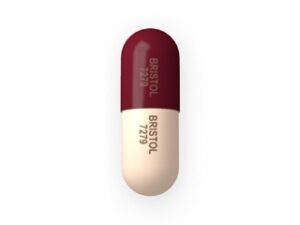


Ilosone (Erythromycin) — Patient-Friendly Information (UK)
Ilosone is a brand name medicine containing erythromycin, an antibiotic in the macrolide group. It is used to treat certain bacterial infections. This guide explains what Ilosone is, how it works, how it’s taken, key safety points, and what to consider regarding food, alcohol, and other medicines—tailored for people in the United Kingdom.
Please read this information carefully and follow the advice provided by your healthcare professional. If you are unsure about your dose or how to take Ilosone, ask a pharmacist or clinician.
1) Basic product information
| Feature | Details |
|---|---|
| Medicine name | Ilosone |
| Active ingredient | Erythromycin (macrolide antibiotic) |
| Typical forms | Oral formulations (varies by product strength and brand packaging) |
| What it treats | Bacterial infections (not viruses) |
| How it works | Stops bacteria from making proteins they need to grow and multiply |
| Availability (UK) | Availability depends on local pharmacy supply and packaging; some strengths may be more commonly stocked |
2) How Ilosone works (mechanism of action)
Erythromycin works by interfering with the way bacteria produce proteins. It binds to the bacterial ribosome (the site where proteins are assembled), which helps prevent bacteria from growing and multiplying.
Depending on the infection and the type of bacteria, erythromycin can be bacteriostatic (slows bacterial growth) and, in some cases, may act more strongly against certain organisms.
3) Pharmacokinetics (how the body handles it)
“Pharmacokinetics” describes how the body absorbs, distributes, metabolises, and excretes a medicine. With erythromycin:
- Absorption: Oral erythromycin is absorbed from the gastrointestinal tract, though the degree of absorption can vary.
- Distribution: It spreads through body tissues and fluids and can reach sites of infection.
- Metabolism: The liver plays a role in processing the medicine.
- Elimination: Erythromycin is removed from the body through a combination of metabolism and excretion.
Your dose and timing are chosen to maintain effective levels in the body during the course of treatment.
4) Typical uses in the UK
Ilosone (erythromycin) may be used for certain bacterial infections depending on local guidance, the infection type, and susceptibility of the bacteria.
Common clinical situations where erythromycin may be considered include:
- Respiratory tract infections (for selected bacterial causes)
- Skin and soft tissue infections
- Eye infections (such as bacterial conjunctivitis, where appropriate)
- Some sexually transmitted infections (where erythromycin is an option and advised)
- Prevention or treatment of particular infections in specific circumstances
The exact choice of antibiotic depends on factors such as the suspected/confirmed bacteria, severity, allergies, and your medical history. In many cases, prescribers also consider whether a different antibiotic would be more suitable due to resistance patterns.
5) When to take Ilosone (timing and consistency)
To get the best effect, it’s important to take Ilosone at the times your clinician/pharmacist has advised. Antibiotics work best when blood levels remain relatively consistent throughout the course.
- Try to take it at regular intervals (for example, morning and evening, or as directed).
- Finish the full course unless you are told to stop.
- If you miss a dose: take it as soon as you remember unless it is almost time for the next dose. Do not take a double dose to make up for a missed one.
- If you vomit shortly after taking a tablet: you may not have absorbed the medicine. Seek advice from a pharmacist for what to do next.
6) Food interactions and taking with meals
Food can affect how medicines are absorbed and tolerated. Erythromycin may be taken with food to reduce stomach upset, but follow your local instructions and the advice provided with your specific product.
General tips:
- If Ilosone upsets your stomach, taking it with or after food may help.
- Avoid unnecessary changes to your usual eating habits during a course, since consistent intake can help maintain steady absorption.
- For certain formulations, timing relative to meals may be important—check your leaflet or pharmacist advice.
7) Alcohol and medicine interactions
While alcohol may not directly “cancel out” erythromycin, it can worsen side effects such as nausea, stomach discomfort, dizziness, and diarrhoea. If you do drink alcohol, do so cautiously and in moderation.
Alcohol—practical advice
- Prefer to avoid alcohol during treatment if you’re feeling unwell.
- If you choose to drink, keep it small and watch for increased side effects.
- Seek medical advice if you experience severe vomiting, dehydration, or severe diarrhoea.
Important medicine interactions
Erythromycin is known to interact with other medicines, particularly those that affect the heart rhythm or those metabolised by certain liver enzymes. Interaction risk can be higher with some combinations.
Tell a pharmacist or clinician if you are taking any of the following (examples):
- Medicines that affect heart rhythm (risk of abnormal rhythm / QT prolongation)
- Some antihistamines (certain older medicines can interact)
- Some antidepressants or antipsychotics
- Antifungal medicines (e.g., certain azoles)
- Some cholesterol-lowering medicines (statins, and particularly those with known interaction potential)
- Blood thinning medicines (e.g., warfarin—monitoring may be needed)
- Medicines for migraine (some ergot alkaloids—combination may be unsafe)
- Seizure medicines (several can alter levels)
This list is not exhaustive. Always provide your full current medication list (including over-the-counter products and herbal supplements) so interactions can be checked.
8) Indications: infections where Ilosone may be appropriate
“Indications” means the circumstances in which the medicine is used. Ilosone is used to treat or prevent infections caused by bacteria that are susceptible to erythromycin.
It is not effective against viruses such as colds and most coughs. Using antibiotics unnecessarily can contribute to antibiotic resistance, making infections harder to treat in the future.
9) Dosing information (general guidance)
Dosage depends on the infection being treated, your age, kidney/liver function, and the specific formulation strength. The most accurate dosing instructions are the ones provided with your medicine and your healthcare professional’s plan.
How dosing is usually determined
- Type of infection (e.g., skin vs respiratory)
- Severity and whether it is a mild or serious infection
- Susceptibility of the bacteria (where known)
- Patient factors (age, weight in children, liver function)
Typical dosing frequency
Erythromycin is commonly taken several times per day depending on the formulation. Some regimens use multiple doses to maintain adequate levels. Follow the schedule on your label.
What to do if you stop early
Stopping too soon can allow surviving bacteria to regrow, increasing the chance of the infection returning or becoming more difficult to treat. If side effects become difficult to manage, contact a pharmacist promptly rather than stopping without advice.
10) Safety profile: who should be careful
Most people can take Ilosone without serious problems, but it can cause side effects. Some people are at higher risk of complications, especially those with a history of allergic reactions or heart rhythm problems.
Common side effects
- Stomach upset (nausea, abdominal discomfort)
- Diarrhoea
- Headache
- Loss of appetite
- Vomiting (less commonly)
Less common but important risks
- Allergic reactions: rash, itching, swelling of the face/lips, breathing difficulties
- Liver problems: yellowing of eyes/skin, dark urine, persistent nausea or unusual tiredness
- Severe diarrhoea: persistent watery or bloody diarrhoea, abdominal cramps, fever (can be a sign of a serious bowel condition)
- Heart rhythm changes: palpitations, fainting, or feeling very unwell (risk may be higher with certain medicines or underlying heart conditions)
Seek urgent medical help if
- You have signs of an allergic reaction (swelling, trouble breathing, severe rash)
- You experience severe or persistent diarrhoea
- You faint, have severe dizziness, or notice fast/irregular heartbeat
Who should take extra care
Discuss with a healthcare professional before using Ilosone if you have any of the following:
- Known allergy to erythromycin or other macrolides
- Previous liver issues linked to antibiotics
- Known heart rhythm problems or risk factors for abnormal rhythms
- Low potassium or magnesium (which can increase rhythm risk)
- Myasthenia gravis (a condition affecting muscle strength), as antibiotics in this class may worsen symptoms in some cases
- Use of interacting medicines (especially those affecting the heart or metabolised by specific pathways)
11) Practical use tips to get the most from treatment
- Complete the course even if you feel better, unless you are advised to stop.
- Use reminders (phone alarms) so doses aren’t missed.
- Stay hydrated if you have diarrhoea or stomach upset.
- Take with food if needed to reduce nausea (unless your specific product instructions say otherwise).
- Avoid sharing antibiotics with others—dosage and appropriateness vary.
- Track symptoms: if you’re not improving after a few days, contact a clinician.
12) Alternatives to Ilosone (erythromycin)
Alternatives depend on the infection, age, pregnancy status, allergy history, local resistance patterns, and whether the bacteria is susceptible.
Common antibiotic alternatives (examples)
- Penicillins (where appropriate and not contraindicated)
- Cephalosporins (selected cases)
- Doxycycline (for certain infections, depending on local guidance)
- Clindamycin (in selected cases, especially for skin infections or certain allergies)
- Other macrolides (e.g., azithromycin) may be considered in some settings
A clinician or pharmacist can help decide the best option by weighing benefits and risks for your specific situation.
13) Market and legal context for the UK
In the UK, antibiotic use is tightly governed to support safe treatment and help combat antibiotic resistance. Medicines are licensed and monitored under UK pharmaceutical regulations, and community antimicrobial stewardship programmes encourage appropriate prescribing.
Ilosone (erythromycin) is dispensed through regulated pharmacy channels. Availability may vary based on product strength, stock levels, and manufacturer supply. Always use medicines only as directed and check the product packaging for the correct strength and form.
14) Recent guidance and stewardship considerations
UK healthcare guidance emphasises:
- Antibiotics should only be used when bacterial infection is likely or confirmed.
- Local susceptibility patterns and recommended first-line options should be followed where possible.
- Review of treatment if symptoms do not improve, to reduce unnecessary exposure.
- Complete courses when antibiotics are used as advised.
If your symptoms worsen, spread, or fail to improve, contact a clinician promptly for review.
15) Delivery and availability (online pharmacy)
Delivery options and dispatch times vary depending on the pharmacy supplier and stock status. Many online pharmacies offer:
- Home delivery within the UK
- Standard and express options where available
- Packaging in accordance with legal and safety requirements
For the fastest service, ensure your delivery details are accurate and keep an eye on delivery tracking notifications if provided.
Note: Availability may differ for specific strengths or formulations. If a product is temporarily out of stock, the pharmacy may offer a suitable alternative or restock ETA—subject to regulations and clinical appropriateness.
16) Frequently Asked Questions (FAQ)
Is Ilosone the same as erythromycin?
Yes. Ilosone is a brand name that contains erythromycin. Always check the label to confirm the active ingredient and strength.
What should I do if I feel worse after starting Ilosone?
Some improvement is usually expected within a few days for many bacterial infections. If you feel significantly worse, develop new severe symptoms, or have high fever or breathing difficulties, contact a clinician urgently.
Can I take Ilosone with food?
Many people find it easier on the stomach if taken with food or after meals. Follow the instructions provided with your specific product, and ask your pharmacist if you’re unsure.
Does Ilosone interact with other medicines?
Yes. Erythromycin can interact with several medicines, including those affecting heart rhythm or processed via certain liver pathways. Inform your pharmacist of all medicines and supplements you use.
Can I drink alcohol while taking Ilosone?
It’s best to avoid alcohol if you feel unwell. If you choose to drink, keep it minimal and watch for increased side effects such as nausea or diarrhoea. Seek advice if you experience severe symptoms.
What if I miss a dose?
Take it when you remember unless it’s close to the next dose. Don’t take two doses at once. If you’re unsure, ask a pharmacist.
How long will it take to work?
Some symptoms can start to improve within 24–72 hours, depending on the infection and the bacteria involved. If there is little or no improvement, you should seek medical advice.
Are there foods I should avoid?
There are no universal food bans for erythromycin, but food can influence tolerance and absorption. If you experience stomach upset, taking it with food may help. Follow your product leaflet for specific guidance.
Can I take Ilosone if I’m allergic to macrolides?
If you’ve had an allergic reaction to erythromycin or other macrolide antibiotics, you should avoid it and speak to a clinician/pharmacist about safe alternatives.
What side effects should worry me?
Urgent help is needed for signs of a severe allergic reaction, severe/persistent diarrhoea, yellowing of skin/eyes, fainting, or symptoms suggestive of an abnormal heart rhythm.
Do I need to avoid stopping early?
Completing the full prescribed course helps reduce the risk of relapse and resistance. If side effects occur, contact a pharmacist for advice rather than stopping without guidance.
17) Summary
Ilosone (erythromycin) is an oral macrolide antibiotic used for bacterial infections. It works by stopping bacteria from making proteins needed for growth. Like all antibiotics, it should be taken correctly and for the full recommended course to support effective treatment and reduce resistance.
Pay attention to potential interactions—especially with other medicines—and consider taking the medicine with food if it upsets your stomach. If you experience severe side effects or your condition worsens, seek medical advice promptly.