

Biltricide (Praziquantel) — Patient Guide (UK)
Biltricide contains praziquantel, a medicine used to treat certain parasitic worm (helminth) infections. It is widely used in the UK for specific conditions where praziquantel is the recommended treatment. This guide explains what Biltricide is, how it works, how it’s taken, what to expect, and important safety information.
Important: Always follow the instructions provided by your healthcare professional or the directions on the medicine packaging. If you’re unsure which infection you have, seek medical advice before taking Biltricide.
Quick Facts
- Medicine: Biltricide (praziquantel)
- How it works: Kills parasitic worms by disrupting their muscle function
- Common uses: Schistosomiasis (bilharzia) and certain other worm infections (see “Indications”)
- Typical administration: Oral tablets taken by mouth, often as a single dose or short course depending on the condition
- Availability in the UK: Widely used medicine; availability may depend on supplier and strength
What Is Biltricide?
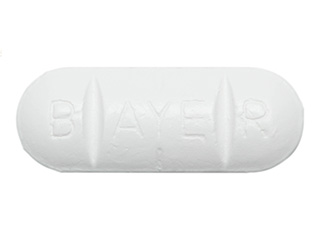
Biltricide is an oral tablet medicine containing praziquantel. Praziquantel is a targeted anti-parasitic drug used to treat infections caused by certain flukes and schistosomes (blood flukes). It is especially important for illnesses such as schistosomiasis, which can be acquired after travel to endemic regions.
Depending on the diagnosis, treatment may be given as:
- A single dose (for some infections)
- One-day or multi-day dosing (for others)
- A dose that may need repeating in some situations (e.g., based on follow-up testing or specific parasite life cycles)
How Biltricide Works (Mechanism of Action)
Praziquantel works by affecting the parasite’s nervous system and muscles. In simple terms:
- It causes changes to the parasite’s calcium control, leading to muscle contraction and paralysis.
- This disrupts the worm’s ability to attach, move, and survive in the body.
- The parasite is then damaged and cleared by the body’s natural processes.
Because praziquantel targets certain parasite species effectively, treatment recommendations depend on the specific type of worm and the stage of infection.
Pharmacokinetics (How the Body Handles It)
After you take Biltricide by mouth, praziquantel is absorbed and processed by the body. Key points include:
- Absorption: Praziquantel is absorbed from the intestine.
- Metabolism: It is mainly metabolised in the liver.
- Elimination: Metabolites are largely excreted through the urine (and to a lesser extent via other routes).
- Half-life: The drug’s active effects can be relatively short, which is one reason dosing schedules are kept brief but tailored to the infection.
Individuals with significant liver impairment may need extra caution, as praziquantel is metabolised in the liver.
What Is It Used For? (Indications in Plain Language)
Biltricide is used for a range of parasitic infections. The most well-known UK use includes schistosomiasis. Depending on local practice and diagnosis, it may also be used for other trematode infections.
Common conditions praziquantel treats include:
- Schistosomiasis (bilharzia) caused by specific Schistosoma species affecting the intestines or urinary tract
- Some fluke (trematode) infections, including selected cases caused by certain species
Why this matters: Praziquantel does not treat all types of worms. Treatment is best guided by a confirmed diagnosis (e.g., stool/urine testing or other clinical evaluation), especially because different parasites require different medicines.
Dosing: Typical Schedules and How to Take It
Dosing depends on the infection type, your weight, age, and clinical assessment. A common approach for many praziquantel uses is based on body weight (mg per kg).
Important: This section provides general information. Your clinician may give a tailored regimen.
General principles
- Take the correct total dose: The total daily dose may be split into multiple tablets.
- Split doses may improve tolerability: If your course requires more than a single dose, it may be divided throughout the day.
- Time matters: Follow the recommended dosing times to maintain effectiveness.
Typical example dosing patterns (general)
In clinical practice, praziquantel regimens often include:
- Single-day treatment for some schistosomiasis forms
- Repeated dosing in certain infections, guided by follow-up testing or local guidance
How many tablets? The number of tablets depends on the strength of the tablet you receive and your prescribed dose. Do not guess—check the prescription label or the dosing instructions on your medicine pack.
Timing and Practical Taking Instructions
How to take Biltricide
- Take your tablets by mouth.
- Swallow tablets with water.
- If your dose is split, take each part at the recommended time intervals.
Common “timing” tips
- Complete the full course: Even if you feel better, finish the recommended regimen.
- Plan around work or travel: Some people experience dizziness, tiredness, or stomach upset after dosing.
- Follow-up testing may be needed: In schistosomiasis, symptom improvement may not be immediate, and clinicians may recommend tests after treatment.
Food Interactions and Taking With Meals
Food can affect absorption. To reduce the chance of stomach upset and help absorption, many patients are advised to take praziquantel with food or shortly after a meal.
- If you’re tolerating meals: take with a normal meal.
- If you’re nauseated: small, bland meals may be easier to manage.
Consistency helps: Try to take the medicine the same way each time (e.g., always with food) unless your healthcare professional advises otherwise.
Alcohol Interactions and Other Medicine Interactions
Alcohol
There is no single universal “safe” rule for everyone, but praziquantel can cause tiredness, dizziness, or gastrointestinal upset in some people. Alcohol may worsen these effects.
- Recommendation: Avoid or limit alcohol while taking Biltricide and for a short period after, especially if you feel unwell or dizzy.
- If you do drink alcohol: keep it minimal and avoid driving if you feel affected.
Medicines that may interact
Praziquantel can interact with other medicines through liver enzyme pathways. Inform your healthcare professional or pharmacist about all medicines you take, including:
- Antiepileptics (some seizure medicines)
- Some antibiotics or antifungal medicines
- Medicines that affect liver enzymes
- Herbal products (e.g., St John’s wort)
Practical step: Keep an up-to-date list of your medicines and show it to a pharmacist if you’re buying from an online pharmacy or receiving treatment guidance.
Safety Profile: Side Effects and When to Seek Help
Common side effects
Many people tolerate praziquantel well, but side effects can occur—particularly after the first dose. Common effects include:
- Headache
- Dizziness
- Fatigue or feeling weak
- Nausea and stomach discomfort
- Vomiting (less commonly)
- Diarrhoea
- Fever or chills
Possible reaction during parasite clearance
In some infections, symptoms may temporarily worsen as parasites die. If you experience a flare of symptoms, this can sometimes occur even with correct treatment. Seek advice if symptoms are severe or worsening.
Seek urgent medical help if
- You develop swelling of the face/lips, breathing difficulties, or hives (possible allergy)
- Severe or persistent vomiting prevents you from keeping tablets down
- Severe dizziness, fainting, confusion, or falls
- High fever, severe abdominal pain, or blood in urine/stool
Who should be extra cautious?
- Liver disease or impaired liver function
- People with a history of sensitivity to praziquantel
- Those with significant medical conditions taking multiple medicines
- Pregnancy and breastfeeding (decisions should be individualised—see “Special populations” below)
Special Populations: Pregnancy, Breastfeeding, Children, and Older Adults
Pregnancy
Praziquantel has been used in pregnancy for certain infections where benefit is considered to outweigh risk. If you are pregnant or planning pregnancy, discuss your situation with a clinician for personalised guidance.
Breastfeeding
Breastfeeding decisions depend on the infection, dose, and your health. Speak with a pharmacist or healthcare professional for advice appropriate to your circumstances.
Children
Dosing for children is commonly based on body weight. Children may be more prone to side effects such as nausea, so monitoring is important. Ensure the dose is correct for the child’s weight and follow the guidance provided.
Older adults
Older adults may be more sensitive to side effects such as dizziness or fatigue. Take extra care with driving or operating machinery and ensure you remain hydrated and able to eat small meals after dosing.
Practical Use Tips (What Many Patients Find Helpful)
- Take with food if advised—this can help reduce nausea.
- Stay hydrated, especially if you have diarrhoea.
- Plan for recovery: consider taking the dose when you can rest afterward.
- Avoid driving if you feel dizzy or drowsy.
- Keep follow-up appointments: for some infections, repeat testing may be recommended to confirm cure.
- Hygiene matters: in areas where schistosomiasis is endemic, prevention includes avoiding freshwater exposure and following local health guidance.
Alternative Options (Depending on the Infection)
There is no single “replacement” for praziquantel for every parasitic infection. Alternative medicines depend on the specific parasite:
- Different worm species may require other anti-parasitic drugs.
- Different life stages may respond differently, so the same medicine may not be used for all cases.
- Some infections may require combination therapy or additional supportive treatment.
Examples of alternative anti-parasitic medicines used for other conditions include medicines such as albendazole or mebendazole (for certain intestinal worms), or other agents for specific trematodes—however, these are not interchangeable with praziquantel for schistosomiasis.
If you’re deciding between options, confirm the likely diagnosis and discuss the best regimen with a clinician or pharmacist.
Market and Legal Context for the UK
In the UK, the use of medicines such as Biltricide is governed by medicines regulation and pharmacy practice. Supply and advice are shaped by UK healthcare policies, including guidance from bodies such as:
- MHRA (Medicines and Healthcare products Regulatory Agency)
- NHS and specialist infectious disease guidance for travel-related and helminth infections
- Local clinical guidance for diagnosis and follow-up testing
Online pharmacies in the UK typically provide regulated medicines alongside professional information, safety checks, and appropriate customer support. Availability can vary by strength and stock levels.
Recent guidance note: For parasitic infections like schistosomiasis, UK practice often emphasises accurate diagnosis, appropriate dosing, and follow-up assessment. Recommendations may also account for pregnancy status, liver health, co-infections, and local antimicrobial or parasitic treatment pathways.
How Delivery and Availability Works Online (UK)
Biltricide availability through UK online pharmacies can depend on:
- Stock levels and tablet strength
- Distribution rules and supply chain logistics
- Lead times for non-routine orders
When ordering online, ensure you:
- Check that the product is the intended strength and form.
- Confirm that the medication name matches “Biltricide” / “praziquantel”.
- Review delivery options and estimated dispatch times at checkout.
Packaging and storage: Store tablets according to the instructions on the pack. Keep them out of the reach of children.
Important Warnings and When to Contact a Professional
- If you suspect schistosomiasis or have symptoms after travel, don’t delay seeking assessment.
- If you have liver problems, check with a healthcare professional before using praziquantel.
- If you’re taking multiple medicines, ask a pharmacist to review potential interactions.
- If you miss a planned dose, follow advice from your pharmacist/clinician rather than doubling up.
Biltricide (Praziquantel) — Product Summary Table
| Category | Details |
|---|---|
| Medicine name | Biltricide (praziquantel) |
| Type | Anti-parasitic (anti-helminth), active against specific trematodes and schistosomes |
| Administration | Oral tablets |
| How it works | Disrupts parasite muscle function leading to paralysis and death |
| Food | Often taken with food to support absorption and reduce stomach upset |
| Alcohol | May worsen dizziness/tiredness and stomach effects; consider avoiding |
| Key safety issues | Possible dizziness, headache, GI upset; use caution with liver disease |
FAQ: Biltricide (Praziquantel) — Common Questions
1) What infections does Biltricide treat?
Biltricide contains praziquantel and is used to treat specific worm infections, most notably schistosomiasis (bilharzia) caused by certain Schistosoma species. It may also be used for certain fluke (trematode) infections depending on the parasite type and local treatment recommendations.
2) How fast will I feel better?
Some people notice improvement within days, but symptoms may temporarily worsen while parasites die and inflammatory reactions settle. The speed of recovery depends on the infection type and how advanced it is.
3) Should I take Biltricide with food?
Many patients are advised to take it with a meal because food can help absorption and may reduce nausea. Follow the directions you receive with your medicine.
4) Can I drink alcohol while taking it?
Alcohol can increase the risk of side effects like dizziness and stomach upset. It’s sensible to avoid or limit alcohol during treatment and shortly after—especially if you feel unwell.
5) Are there interactions with other medicines?
Praziquantel may interact with medicines that affect liver enzymes. Tell your pharmacist about all medicines and herbal supplements you take, including seizure medicines and some antibiotics/antifungals.
6) What side effects are common?
Common side effects include headache, dizziness, fatigue, and gastrointestinal symptoms such as nausea or diarrhoea.
7) When should I get urgent help?
Seek urgent medical help if you have signs of allergy (swelling, breathing difficulty, hives), severe or persistent vomiting, fainting/confusion, or severe symptoms such as high fever or severe abdominal pain.
8) What if I vomit after taking a tablet?
If you vomit soon after taking your dose, absorption may be reduced. Contact a pharmacist or healthcare professional for advice on whether you need to repeat a dose.
9) Do I need follow-up tests?
For some infections—particularly schistosomiasis—follow-up may be recommended to confirm cure and monitor for complications. Your clinician will advise the timing of any repeat tests.
10) Is Biltricide suitable for children?
It can be used in children for appropriate infections, but dosing must be based on body weight and age-specific guidance. Ensure the dose is correct and monitor for side effects.
Where to Get Support
If you have symptoms after travel, ongoing bowel or urinary symptoms, or you suspect a parasitic infection, consult a healthcare professional. A pharmacist can also help with practical advice about taking the tablets safely and checking interactions.
Remember: This guide is for information only and does not replace personal medical advice.