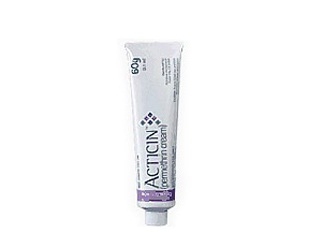
Permethrin (Topical): Skin Treatment for Scabies and Lice
Permethrin is a medicine used on the skin to treat certain parasitic infestations, most commonly scabies and head lice. It works by targeting the nervous system of the parasite, helping to kill mites and lice and reduce itching and irritation. It is available in different strengths and formulations depending on the condition being treated.
This page explains how permethrin works, how to use it safely and effectively in the UK, and what to expect during treatment.
Basic product information
| Feature | What you should know |
|---|---|
| Generic name | Permethrin |
| Medicine type | Topical insecticide/acaricide (skin-applied) |
| Common uses | Scabies; head lice (depending on formulation) |
| Typical forms | Cream for scabies; lotion/cream rinse/gel-type preparations for head lice (varies by product) |
| Strengths | Different strengths exist depending on formulation and condition |
| How it’s used | Applied to the skin (scabies) or hair/scalp (head lice), then left for a specified time and rinsed/removed as directed |
| Key idea | Repeat dosing may be needed, especially for scabies, to treat newly hatched mites |
What permethrin does (mechanism of action)
Permethrin is a synthetic chemical related to the natural insecticide pyrethrum. It works primarily by affecting the nerve cells of the parasite.
- It interferes with the way nerve cells send and receive signals.
- This leads to paralysis and death of mites (scabies-causing organisms) or lice (depending on the product and location treated).
- It is designed for local action with limited absorption through the skin when used correctly.
Pharmacokinetics (how the body handles it)
After appropriate topical use, only a small amount of permethrin typically enters the bloodstream. Key points include:
- Absorption: Generally low through intact skin when used as directed; absorption may increase if applied to large areas or broken/irritated skin.
- Distribution: Any absorbed drug is distributed in the body and is processed by normal metabolic pathways.
- Metabolism: Permethrin is broken down into metabolites.
- Elimination: Metabolites are removed mainly via the kidneys and, to a lesser extent, through other routes.
For most people, using permethrin as instructed results in very low systemic exposure.
Typical use in the UK
In the United Kingdom, permethrin-based products are commonly used for:
- Scabies: an infestation caused by the scabies mite. Symptoms include intense itching (often worse at night) and a rash in typical areas.
- Head lice: small insects on the scalp that cause itching; eggs (nits) may be attached to hair.
Correct treatment is not only about applying the medicine, but also about hygiene and avoiding reinfestation. Scabies and lice can spread through close contact and shared items.
When to use it: timing and repeat treatment
Timing depends on the condition and the specific product instructions. Always follow the directions printed on the package or supplied with your product.
Scabies
- Common approach: Apply permethrin to the skin for the recommended period, then wash off as directed.
- Repeat dose: Many scabies regimens include a second application about 7 days later to cover mites that may hatch after the first treatment.
- Itching after treatment: Itching can persist for up to several weeks even when mites are killed. This is not necessarily treatment failure.
Head lice
- Single or repeat treatment: Some lice products are used once and repeated later; others include a routine comb-out schedule with or without repeat treatment.
- Combing matters: Removing nits and live lice with a proper lice comb improves results and reduces the chance of reinfestation.
Important: If symptoms continue or worsen, check whether everyone in the relevant close contacts was treated (for scabies, this is crucial) and whether the application steps were followed carefully.
Food interactions
Permethrin is used on the skin, and there are typically no direct food interactions expected. You may eat and drink normally while using topical permethrin.
If you experience any unusual systemic symptoms (such as severe dizziness, breathing difficulties, or widespread rash), stop using the product and seek medical advice promptly.
Alcohol and medicine interactions
Alcohol: No specific interaction with alcohol is generally expected for topical permethrin used as directed. However, if you are concerned (for example, you feel unwell after treatment), follow the product guidance or seek advice from a healthcare professional.
Other medicines: Because permethrin is applied to the skin and systemic absorption is usually low, interactions are not common. Still, it’s wise to consider:
- Avoid applying permethrin on top of other medicated creams or strong irritant products unless a clinician advises it.
- If you are treating both scabies and a skin condition such as eczema, follow product instructions carefully and avoid applying to areas where skin is severely inflamed unless directed.
Indications (what permethrin is used for)
Depending on the formulation, permethrin is indicated for:
- Scabies infestation (often used as a first-line option in many clinical settings).
- Head lice (in appropriate topical preparations).
Use permethrin only for the condition matching your product’s instructions and strength.
Dosing and how to apply (practical guidance)
Because permethrin comes in different strengths and formats, dosing depends on the exact product. Always follow the directions supplied with your specific permethrin item.
Below are general dosing principles commonly used in the UK; these are not a substitute for the product leaflet.
Scabies: general dosing principles
- How much: Use enough to cover the recommended areas thoroughly.
- Where to apply: Many regimens cover the entire body from the neck down, including skin folds and areas between fingers and toes, and other typical sites. Infants and young children may require special attention to the head and neck depending on guidance.
- How to apply: Apply to clean, dry skin. Wash hands after application unless hands are being treated as part of the regimen.
- How long to leave on: Leave for the stated time, then wash off as directed.
- Repeat: Often repeated after about 7 days (commonly for scabies).
Close-contact treatment: Scabies often requires treating household/close contacts at the same time to prevent reinfestation.
Head lice: general dosing principles
- Application: Apply to the scalp and hair according to the instructions for your specific product.
- Leave time: Use the time stated on the label or leaflet.
- Combing: Use a lice comb to remove nits and help remove lice. Repeat combing on the schedule recommended for your product (often on days following treatment).
- Repeat dose: Some products recommend repeating treatment after a set number of days if lice persist or according to product guidance.
If you are unsure which permethrin product you have: Check the exact name/strength and the instructions on the package or in the product leaflet.
Safety profile: who should be careful
Permethrin is generally well tolerated when used correctly, but side effects and precautions can occur.
Common side effects
- Mild skin irritation (burning/stinging)
- Redness or temporary changes in skin appearance
- Dryness and itching
Less common but important effects
- Allergic reactions (uncommon), such as swelling, widespread rash, or worsening irritation
- Severe skin reactions (seek advice promptly if you develop blistering, significant swelling, or signs of infection)
- Eye exposure: If it gets into the eyes, rinse thoroughly with water
When to seek medical advice
- Symptoms are not improving after following the regimen correctly.
- There are signs of infection (increasing pain, warmth, pus, fever).
- You suspect a more serious reaction (facial swelling, difficulty breathing, widespread hives).
Special populations
- Children: Use only products and application methods intended for the child’s age and condition. Check product labelling.
- Pregnancy and breastfeeding: Many topical treatments have limited absorption, but individual advice may be needed. Follow the product leaflet and consider talking to a healthcare professional if unsure.
- Sensitive skin or eczema: Avoid unnecessary irritation; if the skin is very inflamed, follow guidance carefully.
Always avoid applying to open wounds unless the leaflet specifically permits it.
Practical use tips for best results
For parasitic skin infestations, success depends heavily on application technique and preventing reinfestation.
Scabies practical tips
- Trim nails and keep them short to reduce skin damage from scratching.
- Apply thoroughly—missed areas reduce effectiveness.
- Keep it on for long enough—don’t wash off early.
- Treat close contacts as advised. Scabies spreads easily through prolonged skin-to-skin contact.
- Wash bedding and clothing used recently. Follow advice on laundering and bagging items if recommended.
- Expect itching to linger even after successful treatment. Continue to manage symptoms as advised.
Head lice practical tips
- Use a proper nit comb and comb carefully and systematically.
- Repeat combing according to the product schedule (often several sessions over days).
- Check close contacts and treat if needed to prevent ongoing spread.
- Don’t rely on treatment alone—combing is a key part of many successful approaches.
How to avoid common mistakes
- Applying too little product or only to visible rash areas (for scabies, distribution is important).
- Leaving the product on for less time than directed.
- Not repeating treatment when the regimen recommends it.
- Skipping treatment for close contacts (especially with scabies).
Alternative options
Depending on the infestation and individual circumstances, alternative treatments may be considered. Your choice can be influenced by age, previous treatments, suspected resistance, and skin sensitivity.
- For scabies: Other scabicides may be used as alternatives in some situations (for example, based on local guidance and tolerance).
- For head lice: Other anti-lice treatments may be available, sometimes with different active ingredients and schedules.
- Physical measures: For lice, careful combing is often essential regardless of the medicine used.
Important: If treatments do not work, it’s worth reassessing diagnosis (scabies vs dermatitis; lice vs other scalp conditions), application technique, and whether reinfestation is occurring.
Market and legal context for the United Kingdom
In the UK, medicines are regulated under the Medicines and Healthcare products Regulatory Agency (MHRA). Products containing permethrin are authorised for specific indications, strengths, and directions for use. Availability can vary between:
- Prescription-only supply (depending on formulation and strength)
- Pharmacy or other regulated routes, depending on local classification and product licensing
Product labelling, packaging, and leaflets reflect MHRA-approved information, including indications, dosing, warnings, and safety guidance.
Recent guidance and treatment considerations
Clinical and public health guidance for infestations like scabies and head lice generally emphasises:
- Accurate diagnosis and correct identification of the infestation.
- Correct application technique and adhering to the recommended timing.
- Managing close contacts to prevent reinfestation (particularly for scabies).
- Infections and complications should be assessed promptly where skin is broken or irritated.
- In some areas, treatment failure may relate to reinfestation, incorrect use, or less commonly reduced sensitivity; if this is suspected, local advice may be needed.
If you are managing an outbreak (e.g., in a nursery, school, or care setting), follow the recommended approach provided by relevant health services.
Delivery and availability (UK)
Permethrin products are commonly stocked through online pharmacies and healthcare retailers, with availability depending on the specific brand and strength. Delivery options often include standard and expedited services across the UK.
- Availability: Stock can vary by strength and formulation (scabies cream vs lice lotion, etc.).
- Packaging: Medicines are typically supplied in secure, sealed packaging.
- Dispatch: Orders are generally dispatched on working days, subject to stock and processing times.
- Temperature considerations: Store at the temperature stated on the product label and keep out of direct sunlight.
When ordering, ensure you select the correct product for your condition and age group, and double-check the strength and instructions.
Storage and disposal
- Storage: Store according to the label directions (commonly at room temperature, away from heat sources).
- Keep out of sight and reach of children.
- Disposal: Return to pharmacy collection points if available, or follow local guidance for medicines disposal. Do not flush down the toilet.
FAQ
How quickly does permethrin work?
For many people, itching may start to improve after treatment, but symptoms can persist for some time. This does not necessarily mean the treatment failed. With correct use and repeat dosing when recommended, mites/lice are typically eliminated.
Why is my skin still itchy after scabies treatment?
Scabies itching can last for several weeks after successful treatment due to the immune response to dead mites and mite debris. If itching continues to worsen significantly or new lesions appear after the treatment course, you may need further review for reinfestation or incorrect use.
Should everyone in the household be treated for scabies?
Often, yes—particularly people who have had close, prolonged skin-to-skin contact. Treatment of close contacts at the same time helps prevent reinfestation.
Can permethrin be used on children?
Yes, but only with the correct product and strength intended for children and the correct age group. Always check the product leaflet for age limits and application guidance.
Is permethrin safe for pregnancy or breastfeeding?
Topical permethrin is used on the skin and absorption is generally low, but individual circumstances vary. Check the leaflet and consider speaking to a healthcare professional if you’re unsure.
What if head lice persist after using permethrin?
Re-check that lice (not only nits) remain, follow the combing schedule carefully, and confirm you followed the exact timing. Persistent cases can be due to reinfestation, inadequate combing, or incorrect application. Consider advice from a pharmacist or healthcare professional for next steps.
Can I wash clothes and bedding as normal?
For scabies and lice, appropriate laundering helps reduce reinfestation risk. Follow the product leaflet or current public health advice on washing and bagging items used recently.
Is permethrin affected by food or alcohol?
There are typically no direct food interactions. No specific alcohol interactions are generally expected with topical permethrin used correctly.
Can I apply permethrin more often than the leaflet says?
No. Use the schedule stated in the leaflet. Overuse can increase the risk of irritation and doesn’t necessarily improve effectiveness.
Summary
Permethrin is a skin-applied medicine used in the UK for scabies and head lice (depending on formulation). It works by disrupting the parasite’s nervous system, with low systemic absorption when used correctly. Successful treatment depends on using the product carefully, leaving it on for the correct duration, repeating treatment when recommended, and preventing reinfestation—especially by treating close contacts and following appropriate cleaning measures.