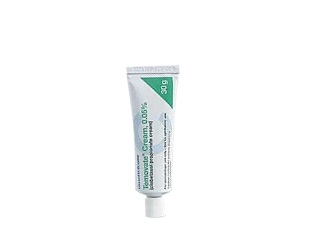
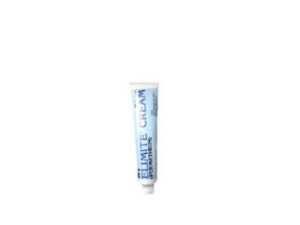
Clobetasol 0.05% Cream / Ointment (High-Strength Topical Steroid) — Patient Information (UK)
Clobetasol 0.05% is a very potent topical corticosteroid used to reduce inflammation and relieve symptoms of certain skin conditions. It is available in the UK as a cream or ointment (the most suitable choice depends on the condition and the area of skin). This guide explains what the medicine does, how to use it safely, and what to expect.
Important: Clobetasol is designed for short-term use on skin. Overuse can lead to side effects, including skin thinning and systemic steroid effects. Always follow the instructions supplied with your product and/or by your healthcare professional.
Basic Product Information
| Category | Details |
|---|---|
| Active ingredient | Clobetasol propionate 0.05% |
| Strength | 0.05% (high potency) |
| Formulations | Typically cream and/or ointment |
| How it works | Topical corticosteroid to reduce inflammation |
| Route | For use on the skin only |
Who it’s for: Adults and, where advised, children for specific inflammatory skin conditions. Because clobetasol is very potent, it should be used with extra caution in children and only on specialist advice.
How Clobetasol Works (Mechanism of Action)
Clobetasol belongs to a group of medicines called corticosteroids (steroids). When applied to the skin, it helps to:
- Reduce inflammation by dampening the activity of inflammatory cells.
- Relieve itching, redness and swelling.
- Slow abnormal immune responses in the affected skin area.
- Reduce scaling and thickened skin in certain conditions (e.g., some forms of psoriasis).
The result is improved comfort and appearance, often within a few days—though complete control may take longer depending on the condition and severity.
Pharmacokinetics (What Happens in the Body)
Clobetasol acts locally on the skin, but some absorption can occur. How much enters the bloodstream depends on several factors:
- Skin integrity: broken, inflamed, or diseased skin can increase absorption.
- Area treated: larger areas raise absorption risk.
- Duration of use: longer use increases exposure.
- Use of occlusion: covering with airtight dressings can significantly increase absorption.
- Body site: thinner skin (e.g., eyelids, groin) absorbs more.
- Age: children may absorb more relative to body weight.
Once absorbed, clobetasol is metabolised mainly in the liver and is eliminated from the body via normal routes (including kidney excretion of metabolites). Systemic effects are uncommon with correct, short-term use on limited areas, but the risk rises if instructions are not followed.
Typical Use and Timing
Clobetasol is usually applied to the affected skin only. The frequency and duration may vary depending on the condition and the strength of the product. Many regimens use once daily initially, then review and reduce as the skin improves.
- Choose a consistent time: Apply at the same time each day if using once daily.
- Allow time to absorb: Let it fully absorb before dressing.
- Wash hands: After applying, wash your hands unless treating your hands.
- Do not “double up”: If you miss a dose, apply when you remember unless it’s nearly time for the next dose.
Do not use more than advised. If you are unsure how long to use it, speak to a pharmacist or healthcare professional.
Food Interactions
Because clobetasol is a topical medicine, clinically relevant interactions with food are unlikely. Any absorbed steroid levels are generally low when used correctly.
Still, if you are also taking other medicines or have multiple health conditions, it’s wise to confirm suitability with a healthcare professional—especially if you require long-term or large-area topical steroid treatment.
Alcohol and Medicine Interactions
Alcohol
There are no specific, well-established alcohol interactions with clobetasol topical use. However, alcohol may worsen skin irritation for some people or affect overall immune function in heavy use. If you notice flare-ups linked to alcohol intake, discuss this with a clinician.
Other medicines
Systemic drug interactions are uncommon with correct topical use, but interactions may be more likely if:
- You use clobetasol over large areas, under occlusion, or for long periods.
- You are using other medicines that affect steroids or the immune system.
If you take medicines that can interact with steroid metabolism (or if you have an immune-related condition), it’s best to ask your pharmacist for advice.
Indications (What It’s Used For)
Clobetasol 0.05% is indicated for inflammatory and pruritic (itchy) conditions that require a very potent topical steroid. Typical uses may include:
- Severe eczema (particularly when other treatments are insufficient).
- Psoriasis (certain plaque-type areas), under guidance.
- Dermatitis where intense inflammation is present.
- Lichen planus and other immune-mediated inflammatory skin disorders (as advised).
- Selected cases of steroid-responsive inflammatory skin conditions.
Not for all skin problems: Clobetasol is not suitable for infections such as untreated fungal or viral skin conditions. If infection is present or suspected, a different treatment approach is needed.
Dosing and How to Apply (UK-Friendly Practical Guidance)
Dosing depends on the condition, severity, and site of treatment. Always follow the instructions in your patient information leaflet. The following are general principles for safe use:
- Thin layer: Apply a thin film to the affected area and gently rub in.
- Avoid unaffected skin: Try not to spread onto surrounding healthy skin unnecessarily.
- Short course: Use the lowest effective strength for the shortest possible duration.
- Review progress: If there is no improvement within the timeframe advised, seek advice.
“Finger tip unit” (FTU) — useful dosing concept
To help measure how much to apply, many UK clinicians use the fingertip unit (FTU):
- One FTU is the amount of cream/ointment squeezed along a line from the fingertip to the first crease.
- FTU amounts can estimate coverage for areas of the body.
A pharmacist can help you estimate the correct amount for your body area.
Common regimen patterns (examples)
Many potent topical steroids are used as:
- Once daily for a short period (often several days up to around two weeks, depending on condition and medical advice).
- Then stop or step down to a less potent steroid as symptoms improve.
Because clobetasol is very strong, long continuous treatment is generally not recommended without specialist supervision.
What type to choose: cream vs ointment
- Cream: often preferred for weeping areas or where a lighter texture is needed.
- Ointment: more occlusive; useful for dry, thickened areas but may be greasier.
Safety Profile: Who Should Be Cautious?
Clobetasol 0.05% can be highly effective, but safety depends on correct use. Possible side effects range from local skin changes to, rarely, systemic steroid effects if used improperly.
Common local side effects
- Skin thinning (atrophy) with overuse
- Stretch marks (striae)
- Increased visibility of small blood vessels (telangiectasia)
- Burning, stinging or irritation at application site
- Folliculitis (inflammation of hair follicles)
- Dryness or change in skin texture
Serious or urgent warning signs
Seek medical advice promptly if you experience:
- Signs of skin infection (worsening redness, pus, increasing pain, fever).
- Rapid worsening or no improvement after the recommended period.
- Extensive spread of rash or a reaction beyond the treated area.
- Eye symptoms (pain, blurred vision) if near the eye.
Systemic steroid effects (rare with correct use)
When high amounts are absorbed (e.g., large areas, long duration, occlusion), systemic effects can occur. Examples include effects on the adrenal glands (suppression) and features of steroid exposure. This risk is higher in children.
Extra caution (avoid unless specifically advised)
- Children: generally require specialist advice due to higher absorption risk.
- Face, eyelids, genitals: thin skin increases risk of side effects.
- Broken skin or large wounds.
- Under occlusive dressings (airtight covering) unless directed.
- Long-term continuous use.
When clobetasol may be unsuitable
It may not be appropriate if you have:
- Untreated bacterial, fungal, or viral skin infections.
- Conditions where steroids can worsen outcomes, unless combined with appropriate anti-infective treatment.
- Known sensitivity to clobetasol or formulation ingredients.
Practical Use Tips for Best Results
- Start with clean, dry skin: Apply to the affected area after gentle cleansing and patting dry.
- Use the smallest effective area: Treat only the affected parts.
- Don’t cover unless told: Avoid airtight dressings or plastic wrap unless your clinician advised this.
- Moisturise wisely: If you use an emollient, apply it first and leave a gap (often at least 15–30 minutes) before applying clobetasol, unless your clinician advises otherwise.
- Use a “step-down” approach: Once controlled, stop clobetasol or switch to a less potent product to reduce risk.
- Monitor response: If symptoms worsen or spread, stop and seek advice.
If you are treating chronic skin conditions like eczema or psoriasis, long-term management often involves regular moisturising and trigger control in addition to steroid treatment.
Alternative Options (Depending on Condition)
Alternatives to clobetasol include other topical anti-inflammatory treatments and steroid-sparing medicines. The best option depends on your diagnosis, location, severity, and previous treatments.
Common alternatives
- Lower potency topical steroids (e.g., for less severe flares or maintenance).
- Emollients and barrier creams (cornerstone for eczema care).
- Calcineurin inhibitors (steroid-sparing options often used on sensitive areas—by clinician decision).
- Phototherapy for certain widespread inflammatory skin conditions (specialist-led).
- Systemic treatments for severe disease (not for everyone; specialist-led).
If you need frequent courses of a very potent steroid, it may be worth asking about a long-term plan to reduce reliance on high-strength products.
Market and Legal Context in the UK
Medicines containing clobetasol 0.05% are widely used in the UK for inflammatory skin conditions. UK availability and prescribing practices depend on the specific product, formulation, and local clinical pathways.
Regulations in the UK require that users follow safe-use guidance and that medicines are supplied appropriately in line with healthcare standards. For online pharmacy purchases, ensure you receive the correct strength and formulation and check the leaflet for your specific brand.
If you are unsure about suitability (for example, pregnancy/breastfeeding, age, or existing skin infection), consult a healthcare professional or a pharmacist before use.
Recent Guidance and Practical Updates (UK Perspective)
General UK clinical guidance over recent years has emphasised:
- Use the lowest effective potency for the shortest possible duration.
- Avoid high-strength steroids on high-risk sites (such as eyelids and groin) unless specifically advised.
- Consider steroid-sparing options for longer-term management where appropriate.
- Review promptly if there is no response or if infection is suspected.
Your pharmacist can help interpret the instructions for your specific condition, including how to step down therapy safely.
Delivery and Availability (UK Online Pharmacy)
Clobetasol 0.05% products are commonly stocked by UK online pharmacies in cream and/or ointment formats. Delivery availability can vary depending on stock levels and the product size.
- Typical processing time: Often same-day dispatch or next working day (varies by supplier).
- Delivery methods: Standard or tracked delivery, depending on selected service.
- Packaging: Medicines are typically delivered in sealed packaging with patient information included.
- Availability: If out of stock, some suppliers may offer alternatives or re-stock notifications.
Always check that the product you receive matches the strength and formulation you intended (cream vs ointment).
FAQ — Frequently Asked Questions
1) How quickly should clobetasol start working?
Many people notice reduced redness, itching, or discomfort within a few days. If there is no improvement within the timeframe advised on the leaflet or by your clinician, seek advice.
2) Can I use clobetasol on my face?
The face is higher risk because the skin is thinner and side effects such as thinning can occur. Use on the face should be only if specifically instructed. Avoid getting it into the eyes.
3) Is clobetasol safe for long-term use?
Clobetasol is a very potent steroid and is generally intended for short-term courses. Long-term continuous use increases the risk of skin thinning and other side effects. If you need repeated courses, discuss a broader management plan.
4) Can I use it with moisturisers?
Yes. Apply your moisturiser first and leave a gap (often 15–30 minutes) before clobetasol, unless your healthcare professional advises a different routine.
5) Should I cover the area after applying?
Do not use airtight occlusive dressings unless you have been told to do so. Covering can increase absorption and raise the chance of side effects.
6) What should I do if I accidentally apply too much?
Remove excess by gently washing the skin with water (avoid harsh rubbing) and return to the recommended amount. If you have used it extensively over a large area or for longer than advised, seek pharmacy or medical advice.
7) Can I stop as soon as the rash improves?
Often, yes. Potent steroids are commonly used until control is achieved, then stopped or reduced. Don’t continue longer than advised even if symptoms improve, unless your clinician told you to.
8) What if my symptoms get worse?
Worsening redness, swelling, pain, oozing, or a spreading rash can indicate infection or steroid intolerance. Stop using the steroid and seek medical advice promptly.
9) Can I use clobetasol if I think I have a fungal infection (e.g., ringworm)?
Steroids can sometimes mask symptoms and worsen fungal infections. If infection is suspected, you should get advice to confirm the diagnosis and choose appropriate treatment.
10) Is there any interaction with alcohol?
No specific alcohol interaction is known for topical clobetasol, but heavy alcohol use may affect overall health and may worsen some skin conditions indirectly.
Summary: Key Points to Remember
- Clobetasol 0.05% is a very potent topical corticosteroid used for flare-ups of inflammatory skin conditions.
- Apply a thin layer to affected areas only for the shortest effective duration.
- Be especially cautious on face, eyelids, groin, and in children.
- Do not use airtight occlusion unless advised.
- If you suspect infection or notice worsening, seek advice.
If you’d like, tell us which skin condition you’re treating (e.g., eczema, psoriasis), the area of skin, and whether you’re using the cream or ointment—then we can help you understand general, safe-use instructions and what questions to ask your healthcare professional.