

Valtrex (Valacyclovir) – Uses, How It Works & Practical Information (UK)
Valtrex is the brand name for valacyclovir, an antiviral medicine used to treat and sometimes prevent certain viral infections. It is commonly prescribed for conditions caused by the herpesviruses, including herpes simplex (HSV) and varicella zoster (the virus that causes chickenpox and shingles).
This guide is designed to be patient-friendly and easy to follow. It explains how Valtrex works, typical uses, timing, dosing considerations, food and alcohol interactions, safety information, and what to expect in everyday use in the United Kingdom.
Basic product information
- Medicine name: Valtrex
- Active ingredient: Valacyclovir
- Medicine type: Antiviral (nucleoside analogue prodrug)
- Common forms: Tablets (strengths vary by country and supply)
- Therapeutic areas: Herpes simplex infections, shingles (herpes zoster), and related prevention/management
- Available in the UK: Through authorised UK supply channels (availability may vary by strength and formulation)
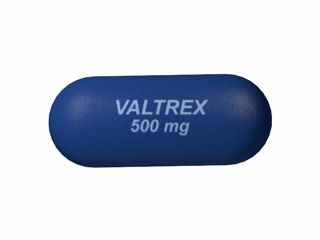
Always check the package for the exact tablet strength you have been supplied (for example, 500 mg or 1 g in many markets), and follow the instructions provided with your medicine.
How Valtrex works (mechanism of action)
Valacyclovir is a prodrug, meaning it is converted in the body into its active antiviral form. After absorption, valacyclovir is converted mainly to acyclovir, which blocks viral replication.
Acyclovir works by interfering with viral DNA synthesis. In simple terms:
- The active form becomes incorporated into viral genetic material.
- It stops the virus from multiplying effectively.
- This helps reduce the duration and severity of outbreaks and can help prevent recurrence in some people.
Antivirals work best when started early in the course of an episode.
Pharmacokinetics (how the body handles it)
Understanding basic pharmacokinetics can help you feel confident about timing and why dosing schedules are set as they are. While individual results vary, typical features include:
- Absorption: Valacyclovir is absorbed from the gut and converted into acyclovir.
- Conversion: Conversion to acyclovir happens efficiently, allowing higher blood levels than acyclovir tablets.
- Distribution: Acyclovir distributes into body tissues, including areas where herpes viruses replicate.
- Elimination: The medicine is cleared primarily by the kidneys.
- Kidney function matters: If you have impaired kidney function, your clinician may adjust the dose to reduce risk of accumulation.
If you have kidney disease, a history of kidney problems, or are older, it’s particularly important to ensure dosing is appropriate.
Typical uses of Valtrex
Valtrex is used for herpesvirus-related conditions. Depending on your situation, it may be used to treat an episode or to help reduce the chance of recurrence.
Common indications
- Genital herpes (HSV): Treatment of symptomatic episodes and prevention of recurrences in some patients.
- Cold sores (HSV-1): Treatment of outbreaks.
- Shingles (herpes zoster): Treatment of shingles in adults.
- Post-herpetic issues: Management strategies may differ; your clinician will guide the best plan.
- Recurrence reduction: For people who experience frequent outbreaks, daily suppressive therapy may be considered.
Valtrex does not treat HIV, and it is not a cure for herpes. It reduces viral activity and symptoms, and can help prevent future outbreaks in some people.
Timing: when to take Valtrex
Timing can be important for antiviral effectiveness. In general:
- Start early: For shingles and outbreaks, begin as soon as possible after symptoms start.
- Keep doses evenly spaced: If you are prescribed a schedule such as twice daily or three times daily, try to keep consistent intervals.
- Finish the course: Even if symptoms improve, complete the full course as directed.
- For prevention regimens: Take at the same times each day to maintain antiviral levels.
If you miss a dose, follow the instructions provided with your medicine or ask a pharmacist for advice. Avoid doubling doses unless instructed.
Food interactions: does Valtrex need to be taken with meals?
Valacyclovir can generally be taken with or without food. However, food may improve comfort for some people, especially if nausea is a concern.
- With food: May be helpful if you have a sensitive stomach.
- Without food: Many people tolerate it well; follow your usual routine and dosing schedule.
The key is consistency. Choose a routine you can stick to, and take the medicine regularly according to your schedule.
Alcohol and medicine interactions
Alcohol
There is no universal “must avoid” rule for alcohol with valacyclovir, but alcohol can worsen side effects such as dizziness, nausea, or tiredness in some people. Alcohol may also affect immune function and hydration—both of which can matter during viral outbreaks.
- If you choose to drink, do so in moderation.
- Consider extra hydration (unless you have been advised to restrict fluids).
- Stop and seek advice if you develop severe dizziness, vomiting, or worsening symptoms.
Other medicines (potential interactions)
Valacyclovir is primarily cleared by the kidneys. Medicines that affect kidney function or are also cleared renally may increase the risk of side effects if combined.
Important medicines to discuss with a pharmacist or clinician include:
- Nephrotoxic drugs (medicines that may harm kidneys), e.g., some high-risk treatments.
- Other renally cleared medicines (many drug doses require kidney adjustment).
- Drugs affecting hydration status (e.g., strong diuretics in certain situations).
- Medicines that may interact via kidney tubular secretion (the interaction may be clinically important in some people).
Always keep a list of your medicines (including over-the-counter products and herbal supplements) and check interactions if you start or stop anything new.
Dosing: what typical schedules look like
Dosing depends on the condition being treated, your age, kidney function, and whether the aim is treatment of an acute episode or long-term suppression.
Below are commonly used adult dosing patterns for valacyclovir. Actual dosing in the UK may vary by product strength and patient factors. Please use this as general guidance, not a substitute for personal instructions.
| Condition | Typical aim | Common adult dosing pattern (examples) | Key timing notes |
|---|---|---|---|
| Genital herpes (HSV) | Treat an outbreak | Often multiple doses per day over several days (exact regimen varies) | Start early when symptoms begin |
| Genital herpes (HSV) | Suppress recurrent episodes | Once or twice daily long-term dosing is commonly used (depends on patient profile) | Take at the same time(s) each day |
| Cold sores (HSV) | Treat outbreaks | Usually twice daily for a short course (depends on severity and plan) | Best started at the earliest signs (tingling/burning) |
| Shingles (herpes zoster) | Treat an episode | Typically multiple doses per day for around 7 days (exact regimen varies) | Start as soon as possible after rash appears |
Kidney impairment: If you have reduced kidney function, doses may be reduced and the dosing interval may be changed. This helps lower the chance of side effects.
Older adults: Because kidney function can decline with age, dose adjustments are often relevant.
Safety profile: side effects and what to watch for
Like all medicines, Valtrex can cause side effects. Many are mild and temporary, but some require urgent attention. If you are concerned about any symptom, contact a healthcare professional.
Common side effects
- Headache
- Nausea
- Stomach discomfort
- Dizziness
- Fatigue (tiredness)
Less common but important reactions
- Allergic reactions (e.g., rash, swelling, breathing difficulties) – seek urgent help.
- Kidney-related problems (especially if dehydrated or with existing kidney disease) – symptoms can include reduced urination.
- Neurological symptoms (rare) such as confusion or severe agitation – urgent assessment may be needed.
When to seek urgent medical advice
Get urgent help if you experience:
- Facial swelling, wheezing, or difficulty breathing
- Severe or persistent vomiting, severe dizziness, or signs of dehydration
- Confusion, hallucinations, or unusual severe drowsiness
- Very little urine or severe pain
This is not a complete list of possible side effects. Always read the leaflet supplied with your specific product.
Practical use tips (getting the best results safely)
- Hydrate: Drink fluids regularly, especially if you’re having an outbreak. This may help reduce kidney strain.
- Start early: For outbreaks and shingles, early treatment often improves symptom control.
- Maintain consistent dosing times: If twice or three times daily, use a routine (e.g., morning/evening) to avoid missed doses.
- Don’t stop early: Stopping before completion may reduce effectiveness.
- Use good skin hygiene: For cold sores or shingles, follow local hygiene advice and avoid touching lesions.
- Avoid spreading infection: Herpes can spread via skin contact. Consider protective measures during outbreaks.
- Keep track of kidney history: If you have kidney disease, tell your clinician/pharmacist before starting.
Alternative options (depending on the condition)
Alternatives depend on whether you are treating HSV outbreaks, shingles, or recurrence prevention. Options may include:
- Other antiviral medicines: Acyclovir and famciclovir are other antivirals used for similar conditions.
- Symptom-relief medicines: Pain relief (for example, analgesics) may be used alongside antivirals, particularly for shingles-related pain.
- Preventive strategies: For recurrent HSV, lifestyle measures and trigger management can complement antiviral use.
Your clinician/pharmacist can advise which option is most appropriate based on your medical history, kidney function, and the timing of your symptoms.
Market and legal context in the United Kingdom
In the UK, medicines such as Valtrex are supplied under the country’s medicines and pharmacy regulations. Supply may involve pharmacy services and clinically appropriate screening processes to ensure the medicine is suitable.
When ordering online, reputable UK pharmacies typically provide:
- Information about proper use, side effects, and safety checks
- Guidance on who the medicine is suitable for
- Advice on delivery, storage, and return/refund procedures
- Support for questions via pharmacy staff
Always use authorised sources for medicines and check that the supplier is operating legally in the UK.
Recent guidance and clinical best practice (UK context)
Clinical guidance for antivirals in herpesvirus infections generally emphasises:
- Early treatment: Starting antivirals promptly can improve outcomes, especially for shingles.
- Renal dose consideration: Dosing should reflect kidney function.
- Appropriate patient selection: Antivirals are most beneficial for people with confirmed or strongly suspected herpesvirus infection.
- Monitoring safety: Attention to side effects, hydration status, and drug interactions.
- Preventive therapy: Suppression may be used for those with frequent or distressing recurrences.
Guidance may evolve over time. For the most current advice, clinicians often refer to UK prescribing guidance and specialist recommendations.
Delivery and availability (UK)
Availability of Valtrex may vary depending on tablet strength and current stock levels. When ordering online in the UK:
- Stock status: Check the product page for real-time availability.
- Delivery times: Delivery speed depends on your location and the pharmacy’s dispatch schedules.
- Packaging: Medicines should arrive in manufacturer packaging with clear labelling.
- Storage: Store tablets as indicated on the package (commonly at room temperature and away from excessive moisture/heat).
If you require urgent treatment for shingles or a rapidly evolving outbreak, choose a service with timely dispatch and contact the pharmacy if you have questions.
FAQ about Valtrex (Valacyclovir)
1) Is Valtrex the same as acyclovir?
Valtrex contains valacyclovir, which is converted in the body into acyclovir, the active antiviral. So they are closely related, but they are not identical medicines.
2) How quickly does Valtrex work?
Many people start to notice improvement within a few days. Starting early can make a difference, especially for shingles and the initial stages of outbreaks.
3) Can I take Valtrex with food?
Yes. Valtrex can usually be taken with or without food. If it upsets your stomach, taking it with food may help.
4) What should I do if I miss a dose?
If you miss a dose, take it when you remember unless it is close to your next dose. Avoid doubling up. If you are unsure, ask a pharmacist for advice based on your exact dosing schedule.
5) Can I drink alcohol while taking Valtrex?
Moderate alcohol is not always strictly prohibited, but alcohol can worsen side effects and dehydration risk. If you drink, do so in moderation and keep well-hydrated.
6) Are there any medicines I should be especially cautious about?
Because valacyclovir is cleared through the kidneys, extra caution may be needed with kidney-related medicines or other drugs that affect kidney function. Always review your medication list with a pharmacist or clinician.
7) Who should not take Valtrex or should discuss it first?
People with a history of allergy to valacyclovir/acyclovir, significant kidney impairment, or those taking interacting medicines should discuss suitability before use. If you are pregnant, breastfeeding, or have complex medical conditions, ask a healthcare professional.
8) Is Valtrex suitable for children?
Use in children depends on the specific condition and age. Only use when advised by a healthcare professional and based on the appropriate dosing guidance for paediatric patients.
9) Does Valtrex cure herpes?
No. Valtrex helps control viral activity and symptoms and may reduce recurrence frequency. The virus can remain dormant in the body, and outbreaks may return.
10) Does taking Valtrex stop transmission?
Antivirals can reduce viral shedding and lower the risk of transmission, but they do not eliminate it entirely. Use safer sex practices and protective measures during outbreaks, as advised by healthcare professionals.
11) How should I store Valtrex?
Store according to the instructions on the packaging. Keep tablets in their original container and away from excessive heat, moisture, and light. Keep out of the reach of children.
12) What if I get severe side effects?
Seek urgent medical advice if you experience signs of an allergic reaction, severe confusion, severe dehydration, reduced urination, or other serious symptoms.
Summary
Valtrex (valacyclovir) is an antiviral medicine used for herpesvirus infections such as genital herpes, cold sores, and shingles. It works by stopping viral replication after being converted to acyclovir in the body. For best results, start early when symptoms begin and take the doses as scheduled. Consider hydration and discuss kidney function and medication interactions, especially if you are older or have existing kidney problems.
If you have questions about suitability, dosing, interactions, or side effects, speak to a pharmacist or other qualified healthcare professional.