
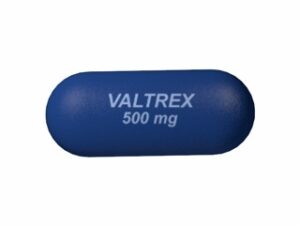
Valacyclovir (tablets) — Patient Information (UK)
Valacyclovir is an antiviral medicine used to treat and prevent certain viral infections caused by the herpes family of viruses. In the UK, it is commonly prescribed for conditions such as cold sores and genital herpes. This guide explains what valacyclovir is, how it works, how it is used, and what to consider for safe and effective treatment.
Note: Always follow the instructions given by your clinician and the information on the medicine packaging. Individual dosing may vary depending on the condition being treated, your kidney function, and other medicines you take.
Key product information
| Feature | Details |
|---|---|
| Generic name | Valacyclovir |
| Medicine type | Antiviral (nucleoside analogue prodrug of aciclovir) |
| Common forms | Tablets (strengths may vary) |
| Typical use in the UK | Treats herpes infections; may be used to reduce recurrence (suppressive therapy) |
| How it is taken | By mouth, usually once or twice daily depending on indication |
| Who should take extra care | People with kidney problems, older adults, and those taking certain medicines |
How valacyclovir works (mechanism of action)
Valacyclovir is a prodrug. This means it is converted in the body to its active form, which is called aciclovir.
The active medicine interferes with viral DNA replication. Specifically:
- Valacyclovir is absorbed from the gut and converted to aciclovir mainly in the liver and intestinal wall.
- Aciclovir is then taken up by infected cells and converted into an active triphosphate form.
- The active form blocks viral DNA polymerase, stopping the virus from multiplying.
- Because the process relies on viral enzyme activity, the antiviral effect is more selective for infected cells.
Valacyclovir helps control symptoms and reduces the duration of outbreaks when started early. For some people, it can also reduce how often herpes episodes occur.
Pharmacokinetics — what the body does to the medicine
Understanding pharmacokinetics can help explain why timing and hydration matter.
- Absorption: Valacyclovir is absorbed through the intestine. Conversion to aciclovir occurs after absorption.
- Distribution: Aciclovir distributes into body tissues and fluids, including areas affected by herpes.
- Metabolism: Conversion of valacyclovir to aciclovir is the key metabolic step.
- Elimination: The medicine is eliminated primarily by the kidneys.
- Kidney function matters: If kidney function is reduced, drug levels can rise. This may require lower doses or longer intervals between doses.
For that reason, staying well hydrated and using the correct dose are important for safe use.
Typical uses in the UK
Valacyclovir is used for infections caused by herpes viruses. Common UK uses include:
- Cold sores (herpes labialis): Treatment of outbreaks to reduce severity and healing time.
- Genital herpes (herpes simplex): Treatment of episodes.
- Recurrent genital herpes: Suppressive therapy to reduce frequency of outbreaks.
- Prevention of outbreaks: Used in people with frequent recurrences to help control symptom pattern.
Your prescriber may choose valacyclovir for other herpes-related indications depending on your medical history and risk factors.
When to start and treatment timing
Early treatment works best. For many herpes outbreaks, starting medication as soon as symptoms begin can improve results.
Practical timing tips:
- If you feel tingling, itching, burning, or early “prodrome” symptoms, start treatment promptly if advised for your condition.
- For a new outbreak, try not to delay—often treatment is most effective when started within the first 24 hours of symptoms.
- For suppressive therapy, take tablets at the same times every day to maintain steady levels.
If you are unsure when your course should begin or how long you should take it, check your packaging instructions or seek advice from your healthcare professional.
Food interactions and what to eat
Valacyclovir can generally be taken with or without food. Food may not significantly reduce effectiveness.
However, for comfort and adherence:
- Taking it with a meal or snack may help if you experience stomach discomfort.
- If you are prone to nausea, a light meal may reduce symptoms.
Alcohol and medicine interactions
Alcohol: There is no universally required “no alcohol” rule with valacyclovir for everyone. However, alcohol can worsen dehydration and may increase the chance of feeling unwell, which is not ideal when taking antivirals.
- If you choose to drink, keep it moderate and ensure you are well hydrated.
- Avoid heavy drinking during treatment, especially if you have kidney problems or are taking other medicines that affect the kidneys.
Important medicine interactions: Because valacyclovir is eliminated through the kidneys, some medicines that affect kidney function may increase risk of side effects or require dose adjustment.
- Medicines affecting kidney function (for example, certain diuretics, some non-steroidal anti-inflammatory drugs like ibuprofen or naproxen in high doses, and other renally cleared drugs) may increase the risk of kidney stress.
- Medicines that can affect the immune system or require careful monitoring in transplant or immunocompromised patients may need coordination with a clinician.
- Older adults and people with existing kidney disease may have a higher interaction risk because drug clearance can be slower.
If you list your current medications and conditions to a pharmacist, they can help check for potential interactions and advise on safe use.
Indications — what valacyclovir treats
Valacyclovir is indicated for herpesvirus conditions, including:
- Herpes simplex infections such as genital herpes and cold sores.
- Recurrent episodes of genital herpes, where suppressive therapy may reduce outbreak frequency.
- Other herpes-related clinical uses as determined by your healthcare professional.
If you are taking it for recurring symptoms, you may be advised to continue regularly for a period, then re-evaluate how often outbreaks happen.
Dosing — general guidance (varies by condition)
Dosing depends on the specific indication (cold sore vs genital herpes), whether it is treatment of an outbreak or prevention of recurrences, and your kidney function. Only use dosing instructions provided for you on your medicine label.
Common dosing patterns (illustrative):
- Cold sores: Often taken for a short course at the start of symptoms.
- Genital herpes (outbreak treatment): Usually taken over several days, frequently started promptly when symptoms begin.
- Suppressive therapy for recurrent genital herpes: Taken daily to reduce outbreak frequency; dose and schedule vary.
Kidney impairment: If you have reduced kidney function, your clinician may lower the dose or adjust how often you take it. This is one of the most important factors for safe use.
Missed dose: If you miss a dose, take it when you remember unless it is almost time for your next dose. Do not take a double dose to make up for a missed tablet.
Do not stop early: For outbreak treatment, stopping early may reduce the benefit. For suppressive therapy, consistent use helps maintain control.
Safety profile — what to expect and who needs extra caution
Most common side effects
Many people tolerate valacyclovir well. Possible side effects may include:
- Headache
- Nausea or stomach upset
- Diarrhoea
- Dizziness
Less common but important effects
Contact a clinician urgently if you develop any of the following:
- Signs of kidney problems such as reduced urination, severe back/flank pain, or sudden swelling.
- Confusion, extreme drowsiness, hallucinations, or severe agitation (rare neurological effects have been reported, especially in people with kidney impairment or dehydration).
- Allergic reaction symptoms such as swelling of the face/lips, difficulty breathing, or widespread rash.
- Severe skin reactions with blistering/peeling skin or mouth sores (rare but serious).
Who should use extra caution
- People with kidney disease or reduced kidney function.
- Older adults, particularly if dehydrated or taking multiple medicines.
- People with low hydration or who cannot drink adequately (vomiting/diarrhoea).
- Immunocompromised patients should be closely managed by their clinician.
Practical use tips for the best results
- Start early: Begin at the first sign of an outbreak if that’s how your treatment plan is set up.
- Hydrate: Because the medicine is cleared through the kidneys, drink water regularly unless you’ve been told to restrict fluids.
- Take consistently: For daily suppressive therapy, use alarms or routines to help you not miss doses.
- Don’t share tablets: Your dose and duration are based on your condition and risk profile.
- Track symptoms: Keeping a note of outbreak frequency, triggers, and timing can help you discuss prevention strategies with your clinician.
- Reduce transmission risk: Even with treatment, herpes can transmit. Consider condom use for genital herpes and discuss safe sex practices.
Alternative options for herpes infections
Depending on the type of herpes infection and your medical history, other treatment options may be available. Examples include:
- Aciclovir (a related antiviral): available in different forms, including oral dosing regimens and topical options for some herpes-related conditions.
- Famciclovir (another oral antiviral): used for herpes simplex infections in selected cases.
- Topical treatments for cold sores (in some situations): may provide symptom relief, though oral therapy is often preferred for faster and more complete outbreak control.
- Supportive care such as pain relief and keeping lesions clean and protected, which can help during outbreaks.
The best choice depends on your outbreak pattern, kidney function, tolerance, and the timing of therapy. A pharmacist or clinician can help you compare options.
UK market and legal context (overview)
In the United Kingdom, availability of valacyclovir is managed through the medicines regulatory framework and pharmacy supply rules. Medicines may be supplied as part of authorised treatment pathways depending on:
- Whether the product is classed as prescription-only in the UK (requirements can vary by product type and strength).
- Local clinical services and screening processes.
- Pharmacy governance and patient safety checks (for example, allergy status, kidney function considerations, and interaction review).
When using an online pharmacy, reputable services will typically verify your details and provide appropriate safety information and delivery options in line with UK requirements.
Safety note: Never take a different person’s antiviral medication or use it for a different infection without advice.
Recent guidance and clinical practice (general)
Guidance for herpes treatments in the UK generally focuses on:
- Early initiation of oral antiviral therapy at the start of symptoms for faster control.
- Considering suppressive therapy for people with frequent recurrences, distressing outbreaks, or specific sexual health considerations.
- Renal dosing awareness and monitoring hydration status, especially in older adults.
Local formularies and clinical pathways may update. Your healthcare professional will follow the most current information for your situation.
Delivery and availability in the UK
Online pharmacies in the UK may offer valacyclovir subject to availability, authorised supply chains, and eligibility checks. Delivery options typically include standard and express postage, with tracking where available.
When ordering online, check:
- That the product is supplied by a licensed UK pharmacy.
- The batch/expiry date information and storage requirements.
- Packaging quality and instructions within the box.
- Delivery times to your postcode and any cut-off times for dispatch.
If you need the medicine quickly (for example, an outbreak is starting), consider selecting a delivery option that fits your timeline. Starting antiviral treatment early is often beneficial.
FAQ — Frequently asked questions
1) What is valacyclovir used for?
Valacyclovir is used to treat herpes infections, most commonly cold sores and genital herpes. It may also be used to reduce the frequency of recurrent genital herpes episodes.
2) How fast does valacyclovir work?
Many people notice symptom improvement within a few days, especially when treatment begins early. Healing times vary depending on the outbreak severity and how soon you start taking the tablets.
3) Can I take valacyclovir with food?
Yes. Valacyclovir can generally be taken with or without food. If it upsets your stomach, taking it with a meal may help.
4) Do I need to avoid alcohol?
There is no strict universal ban, but alcohol can increase dehydration and may worsen how you feel. If you choose to drink, keep it moderate and stay well hydrated—especially if you have kidney problems or you are taking other medicines that may affect the kidneys.
5) Does valacyclovir cure herpes?
Valacyclovir helps control outbreaks and can reduce recurrences, but herpes viruses remain in the body. Treatment manages symptoms and outbreak frequency rather than eliminating the virus permanently.
6) What if I miss a dose?
Take the missed dose when you remember unless it is close to your next scheduled dose. Do not take a double dose. If you frequently miss doses, speak to a pharmacist for adherence strategies.
7) Are there any important interactions?
Because valacyclovir is cleared by the kidneys, medicines that affect kidney function or kidney clearance can increase risk of side effects. Tell your pharmacist about all medicines you take, including over-the-counter products and supplements.
8) What should I do if I have kidney disease?
Kidney problems may require dose adjustment. Tell your healthcare professional before starting valacyclovir. If you notice reduced urination, confusion, or unusual symptoms, seek medical advice promptly.
9) Can valacyclovir prevent transmission to a partner?
Antiviral treatment can reduce viral shedding and outbreaks, but it does not eliminate the risk of transmission. Safe sex practices (for example, condom use for genital herpes) are still important. Discuss your situation with a clinician or sexual health service.
10) What storage and shelf-life should I follow?
Store tablets according to the instructions on the pack (often in a cool, dry place, away from direct sunlight). Keep them out of reach of children and do not use after the expiry date.
When to seek urgent help
Get urgent medical help if you experience symptoms of a serious allergy (such as facial swelling or breathing difficulties) or severe neurological symptoms (such as confusion or severe drowsiness). Also seek advice urgently if you develop signs of kidney problems (such as greatly reduced urination or severe pain).
If you have concerns, a pharmacist can advise on general safety and whether your symptoms suggest a problem that needs assessment.
Summary
Valacyclovir is an antiviral medicine that helps treat and reduce episodes of herpes infections such as cold sores and genital herpes. It works by interfering with viral DNA replication after conversion to aciclovir in the body. Starting early, taking it consistently (especially for prevention), and staying well hydrated can improve outcomes and safety. Because the medicine is cleared through the kidneys, correct dosing and extra caution are important for people with kidney impairment or those taking interacting medicines.