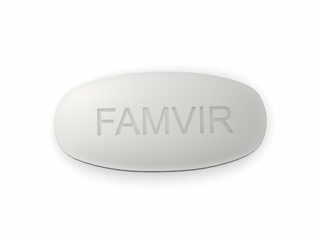

Famvir (Famciclovir) – Patient Guide (UK)
Famvir is the brand name for famciclovir, an antiviral medicine used to treat certain viral infections. This guide explains how Famvir works, how it is used, what to expect, and key safety information in a way that is easy to read.
Always read the patient information leaflet provided with your medicine and follow advice from a healthcare professional. If you have questions about your specific situation, speak to a qualified clinician or pharmacist.
Basic product information
| Item | Details |
|---|---|
| Brand name | Famvir |
| Active ingredient | Famciclovir |
| Type of medicine | Antiviral (nucleoside analogue; active against herpes viruses) |
| What it treats | Common herpes virus infections, including shingles (herpes zoster) and genital herpes (HSV) |
| Typical availability in the UK | Often supplied as tablets in specified strengths (pack size depends on local availability) |
How Famvir works (mechanism of action)
Famciclovir is a prodrug. After you take it by mouth, your body converts famciclovir mainly into its active form: penciclovir.
Penciclovir works by interfering with viral DNA production. It targets viral enzymes needed for replication, helping to stop the virus from multiplying. This leads to reduced duration and severity of symptoms when treatment is started early.
- HSV-1 and HSV-2 (e.g., cold sores and genital herpes)
- Varicella zoster virus (VZV) (e.g., shingles)
Pharmacokinetics (how the body processes it)
Pharmacokinetics describes how the medicine absorbs, is distributed, metabolised, and excreted. The key points are:
- Absorption: Famciclovir is absorbed from the gut after oral dosing and converted in the body to penciclovir.
- Active metabolite: The antiviral effect is mainly due to penciclovir.
- Distribution: Penciclovir reaches tissues where herpes viruses replicate, including skin and mucosal surfaces.
- Elimination: The active components are cleared primarily by the kidneys. This is important for people with reduced kidney function.
- Half-life (practical meaning): Penciclovir persists long enough to allow convenient dosing schedules for typical indications.
Your prescriber may adjust dose frequency if you have kidney disease or reduced renal function.
Typical uses in the UK
Famvir is commonly used for infections caused by herpes viruses. Depending on the exact diagnosis, the treatment schedule can vary. Typical indications include:
- Shingles (herpes zoster): to reduce duration of pain and help speed recovery when started promptly.
- Genital herpes (HSV): for treatment of outbreaks and sometimes to reduce recurrence in certain people.
- Cold sores (HSV-1): sometimes used depending on clinical assessment and local prescribing practice.
If you are not sure which condition you are being treated for, check your label and the information leaflet. Different herpes infections can need different dosing regimens.
Timing: when to start for best effect
Antiviral medicines work best when started early. In most herpes virus infections, beginning treatment at the earliest sign of symptoms can improve outcomes.
- Shingles: starting as soon as possible (often within the first 72 hours of rash onset) is commonly recommended for best benefit.
- Genital herpes outbreaks: starting when symptoms first appear (tingling, burning, itching, or early lesions) can help.
- Cold sores: early dosing at the first sign may reduce duration.
Even if you are past the ideal window, a clinician may still advise treatment depending on severity, immune status, or complications.
Food interactions
Famvir can generally be taken with or without food. Food does not typically require special restrictions for safety or effectiveness. If you experience stomach upset, taking it with a meal or snack may improve tolerability.
- Stomach comfort: food may reduce nausea for some people.
- Consistency: try to take doses at similar times each day.
Alcohol and medicine interactions
A direct interaction between famciclovir and alcohol is not usually highlighted as a common concern. However, alcohol can worsen dehydration, sleep quality, and immune response—factors that may affect how well you feel during infection.
Practical guidance:
- Moderation: keep alcohol to a minimum while you are unwell or recovering.
- Hydration: drink fluids regularly, particularly if you have fever or reduced appetite.
- Medication safety: avoid combining with other medicines that cause drowsiness unless you have checked compatibility.
If you have liver or kidney problems, are pregnant, or take multiple medicines, it’s wise to confirm with a pharmacist.
Indications: which herpes infections may respond
Below is a patient-friendly overview of the conditions Famvir is used for. The exact regimen (dose and duration) depends on your diagnosis, severity, age, and kidney function.
- Herpes zoster (shingles): causes a painful rash, usually on one side of the body. Famvir can help reduce the length of symptoms.
- Herpes simplex infections (HSV): includes cold sores (commonly HSV-1) and genital herpes (often HSV-2, though HSV-1 can also cause genital infection).
- Recurrent outbreaks: in some patients, antivirals may be used to reduce frequency and severity of recurrences.
Not all rashes are shingles or herpes. If symptoms are unusual, severe, or involve the eye/face, seek urgent medical advice.
Dosing: common regimens and how to take Famvir
Dosing regimens vary by the condition being treated and individual factors (especially kidney function). The information below provides general examples of dosing patterns typically used for famciclovir products; it does not replace personalised advice from a healthcare professional.
General principles
- Follow your directions: take the exact strength and schedule stated on your label.
- Complete the course: do not stop early even if you feel better.
- Kidney function matters: dose adjustment may be needed if you have reduced renal clearance.
- Timing: evenly spaced doses help maintain antiviral activity.
Typical dosing examples (summary)
Dosing varies with the indication. Common schedules include short courses for acute episodes and longer-term schedules in specific situations.
- Shingles (acute episode): often treated with a course lasting about 7 days, starting as early as possible.
- Genital herpes (acute episode): often treated with a short course, with timing based on severity and onset.
- Recurrent genital herpes: may be managed with intermittent or longer-term dosing strategies depending on frequency.
Your pharmacist can help you interpret your label (for example, how many tablets per dose and the number of days). If you are unsure, do not guess—check with a clinician or pharmacist.
Missed dose
- If you miss a dose, take it when you remember unless it is close to the next scheduled dose.
- Do not double up to make up for the missed dose.
Overdose
If you have taken more Famvir than prescribed or more than intended, contact NHS 111 or seek urgent advice. If someone is very unwell, call emergency services.
Safety profile: what to watch for
Like all medicines, Famvir can cause side effects. Many people have mild or no side effects, but it’s important to know what to look out for. The most important points include:
Common or usually mild side effects
- Headache
- Nausea or indigestion
- Diarrhoea
- Fatigue or general unwell feeling
Less common but important to seek advice
- Allergic reactions such as rash, itching, swelling, or difficulty breathing
- Severe skin reactions (for example blistering or spreading rash)
- Significant kidney-related symptoms, particularly if you already have kidney issues
If you develop signs of a severe allergic reaction (e.g., swelling of face/lips, trouble breathing), seek urgent medical help.
Who should take extra care?
- People with reduced kidney function: dose adjustments may be necessary.
- Older adults: kidney function may decline with age, affecting dosing.
- People with weakened immune systems: antiviral management may differ.
- Pregnancy and breastfeeding: risk/benefit should be assessed by a clinician.
Practical use tips (getting the best results)
- Start early: don’t wait until symptoms are severe. Use the first signs as your cue.
- Take with water: a full glass of water can help reduce irritation and support hydration.
- Follow a schedule: set reminders so you don’t miss doses.
- Manage symptoms alongside treatment: pain relief and comfort measures may be recommended for shingles and genital herpes (ask a pharmacist what’s suitable for you).
- Avoid spread: during active herpes outbreaks, reduce close contact and follow safe-sex guidance to lower transmission risk.
- Hydrate and rest: supportive care helps your body cope during infection.
For shingles, protect the rash from friction and avoid scratching. For genital herpes, keep the area clean and dry, and use gentle products.
Medicine interactions: alcohol and other medicines
Alcohol
Alcohol is not usually described as a direct interaction with famciclovir, but it may worsen how you feel while fighting infection. If you choose to drink, do so moderately and focus on hydration.
Other medicines
Always tell your pharmacist or clinician about all medicines you use, including over-the-counter products and herbal remedies. The most relevant consideration is that famciclovir is cleared mainly through the kidneys, so medicines that affect kidney function may require extra caution.
- Medicines that can affect kidneys (examples vary; your pharmacist can advise based on your list)
- Other antivirals or medicines used for viral infections
- High-dose or multiple medicines that you take regularly
If you are unsure whether a particular medicine is compatible, ask before combining. In general, avoid starting new medicines while you are on treatment without checking.
Alternative options
Depending on your diagnosis, severity, and kidney function, clinicians may consider other antivirals. Alternatives to famciclovir may include:
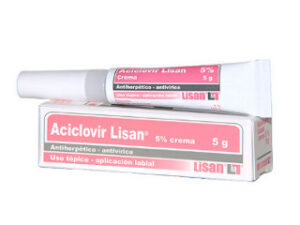
- Acyclovir
- Valaciclovir
- Other supportive treatments (for pain, itch, or inflammation) depending on the infection
Which option is best depends on factors such as dosing frequency preferences, kidney function, and the timing of starting treatment. Your pharmacist can discuss options if Famvir is not suitable or available.
UK market and legal context (overview)
In the UK, antiviral medicines are regulated and supplied under medicines legislation. The exact classification and access routes depend on the product, strength, and local pharmacy services. In practice, availability may vary by:
- Product licensing and indications on the authorised packaging
- Prescribing requirements and pharmacy supply rules
- Clinical criteria used to ensure medicines are appropriate and safe
UK pharmacy services may use clinical questionnaires and professional review processes to help ensure correct suitability and correct instructions. This supports safe use and reduces the chance of medicine errors.
Recent guidance (general direction)
Across the UK, clinicians generally emphasise:
- Early treatment for shingles and acute herpes outbreaks
- Assessment of kidney function and careful dose selection
- Advice on symptom control and transmission prevention
Guidance can evolve, so it’s important to follow current local advice from NHS and relevant clinical bodies.
Delivery and availability in the United Kingdom
Online pharmacy availability can vary by strength and pack size. Delivery timelines depend on your location, carrier, and whether the item is in stock.
- Stock status: items may be dispatched quickly if in stock; otherwise restocking times may apply.
- Delivery options: standard or tracked delivery may be available.
- Packaging: medicines are typically supplied in original packaging with clear labels and patient information.
To avoid delays, ensure your delivery address is complete and correct. If you require delivery to a specific safe location (e.g., avoiding doorstep drop-offs), check the checkout options or contact customer support.
FAQ
1) What is Famvir used for?
Famvir (famciclovir) is an antiviral medicine used for herpes virus infections such as shingles (herpes zoster) and certain outbreaks of genital herpes and other HSV-related conditions, depending on clinical assessment and local regimen.
2) How quickly will I feel better?
Many people notice improvement over several days, particularly if started early. The aim is to shorten the duration and severity of symptoms, and for shingles, to reduce the chance of prolonged pain. Individual responses vary.
3) Can I take Famvir if I have kidney problems?
Extra care is needed. Famciclovir is cleared mainly by the kidneys, so your dose may need adjustment if you have reduced kidney function. Discuss this with a healthcare professional or confirm with your pharmacist.
4) Should I take it with food?
Famvir can usually be taken with or without food. If it upsets your stomach, taking it with a meal may help.
5) Does Famvir interact with alcohol?
A direct interaction is not commonly highlighted, but alcohol may make recovery harder. If you drink, do so in moderation and keep well hydrated.
6) Is it safe to continue normal activities?
During an outbreak, rest as needed. For genital herpes or shingles, consider the risk of spreading infection: avoid close skin contact with others at times when lesions are active, and follow safe-sex guidance. If your eye is affected or symptoms are severe, seek urgent advice.
7) What if my symptoms get worse?
If pain becomes severe, you develop a widespread rash, you notice eye involvement, or you feel very unwell, contact NHS 111 or seek urgent medical care. Do not wait if symptoms are rapidly worsening.
8) Can Famvir prevent future outbreaks?
In some people, antivirals may be used to reduce recurrence. Whether this applies to you depends on how frequent and troublesome outbreaks are, and your clinical history.
9) Are there alternatives if Famvir is not suitable?
Yes. Depending on your diagnosis and circumstances, other antivirals such as aciclovir or valaciclovir may be considered. A pharmacist can advise based on your individual situation.
10) How should I store Famvir?
Follow the storage instructions on the package. Typically, medicines should be stored at room temperature away from excessive heat, light, moisture, and out of reach of children.
Important reminder
This information is intended for general patient guidance. It cannot replace advice from a qualified healthcare professional. If you have questions about whether Famvir is appropriate for your symptoms, your medical history, or your other medicines, speak to a clinician or pharmacist.