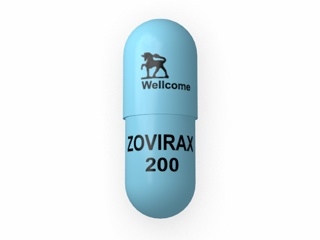


Zovirax (Acyclovir) – Patient-Friendly Guide (UK)
Zovirax is a well-known antiviral medicine whose active ingredient is acyclovir. It is used to treat certain viral infections, particularly infections caused by herpes viruses such as herpes simplex and varicella zoster. This guide explains what Zovirax does, how it works, how it is commonly taken, and what to consider for safe use in the United Kingdom.
Key product information
- Medicine name: Zovirax
- Active ingredient: Acyclovir
- Medicinal class: Antiviral (anti-herpes)
- Common forms (may vary by brand/stock): Tablets, oral suspension, cream/ointment, and other formulations depending on availability
- How it works best: Starting early in an outbreak (when symptoms begin) usually improves outcomes
What is acyclovir and what does it treat?
Acyclovir targets specific stages of viral replication. Herpes viruses include: HSV-1 (often associated with cold sores), HSV-2 (often associated with genital herpes), and VZV (chickenpox and shingles).
Depending on the formulation and clinical situation, Zovirax may be used to: treat active infections, and in some cases reduce frequency or severity of recurrent episodes.
Mechanism of action (how Zovirax works)
Acyclovir works by interfering with the way herpes viruses reproduce. In simple terms:
- Acyclovir is taken into cells that have become infected.
- Viral enzymes convert acyclovir into an active form inside the infected cell.
- The active form blocks viral DNA production.
- This helps slow viral spread and supports faster healing of lesions.
Zovirax does not “cure” herpes viruses permanently; viruses can remain dormant in the body. However, it can significantly reduce symptoms and shorten the duration of many outbreaks when started promptly.
Pharmacokinetics (absorption, distribution, metabolism, elimination)
Pharmacokinetics describes what the body does to a medicine. For acyclovir, the main points include:
- Absorption: Oral acyclovir is absorbed from the gastrointestinal tract, though absorption may vary between individuals.
- Distribution: It distributes into body tissues, including where herpes viruses replicate.
- Metabolism: Acyclovir is only lightly metabolised.
- Elimination: It is mainly eliminated by the kidneys via the urine.
- Implication for kidney health: Dose adjustments may be needed in people with reduced kidney function.
If you have kidney disease, are elderly, dehydrated, or taking medicines that affect kidney function, it is especially important to use the correct dose and ensure adequate hydration (unless your clinician has advised fluid restriction).
Typical uses of Zovirax (indications)
Zovirax is used for infections caused by susceptible herpes viruses, including:
- Herpes simplex virus (HSV): cold sores (herpes labialis), and in some cases genital herpes (HSV-2)
- Varicella zoster virus (VZV): shingles (herpes zoster), including episodes that may involve nerve pain
- Prevention: in certain situations where a person is at increased risk of recurrent outbreaks or complications (for example, in immunocompromised individuals, depending on formulation and clinical advice)
The exact indication, dose, and duration can depend on the formulation, age, severity of the illness, kidney function, and other factors. Always follow the instructions provided with your medicine.
When to start (timing and symptom management)
Antiviral medicines often work best when started early. In practice, timing may look like this:
- Cold sores: consider starting as soon as symptoms begin (for example, tingling, itching, or early blister formation), not after lesions are fully formed.
- Genital herpes: starting early in an outbreak can help reduce symptoms and healing time for some people.
- Shingles: start as soon as possible, ideally within the early window recommended by UK clinical guidance; earlier treatment is generally associated with better outcomes.
Even if symptoms are already present, Zovirax may still be beneficial—seek medical advice for the best timing if you’re unsure.
Dosing overview (UK-friendly general guide)
Dosing varies significantly by: which virus is involved, which formulation you’re using, your age, kidney function, and the severity and duration of symptoms.
Because doses can differ between tablets, oral suspension, and topical products, this section provides a general overview. For the most accurate dosing, always use the instructions supplied with your specific product and your pharmacist’s guidance.
| Condition (examples) | Common approach | Timing and duration (general) | Important notes |
|---|---|---|---|
| Cold sores (HSV-1) | Oral tablets/alternative formulation or topical options (depending on product availability) | Start early at first symptoms; course length depends on regimen | Keep good hygiene; consider avoiding close contact with others until healed |
| Genital herpes (HSV-2) | Oral antiviral course for acute episodes; some people may use suppression in recurrent disease | Start early in outbreak; duration depends on regimen | Transmission risk may be reduced with treatment, but safe sex advice still applies |
| Shingles (VZV) | Oral antiviral course | Start as soon as possible after rash onset; early treatment is key | Seek advice promptly—especially if symptoms are severe or you’re in a higher-risk group |
| Prevention in selected patients | May involve repeated or daily antiviral dosing depending on risk | Long-term regimens depend on clinician plan | Kidney function and treatment need should be reviewed regularly |
How to take Zovirax (practical use tips)
Good adherence improves the chance of the medicine working effectively. Practical tips include:
- Follow the dosing schedule: Antivirals work best when taken at the recommended intervals.
- Swallow tablets whole: unless your product instructions allow splitting or crushing (many tablets are not intended to be crushed—check your pack).
- Use oral suspension correctly: shake well if required and use the supplied measuring device.
- Complete the course: even if you feel better, unless instructed otherwise.
- Hydration matters: since acyclovir is eliminated by the kidneys, ensure adequate fluid intake unless you have been told to restrict fluids.
- Topical use (if applicable): apply cream/ointment as directed and avoid using on broken or extensively inflamed skin unless advised.
- Hygiene: wash hands after touching lesions; avoid touching eyes or face after handling infected areas.
Food interactions
Food may affect how quickly and how much acyclovir is absorbed. In many cases, taking acyclovir with or without food is possible, but you should use the instructions specific to your product.
As a general approach for oral tablets or suspension:
- If your pack says “with food”: follow that advice.
- If your pack allows flexibility: taking with meals may help some people avoid stomach upset.
- Try to be consistent: keeping a similar routine each day helps maintain predictable medicine levels.
If you have digestive side effects (nausea, diarrhoea), discuss with a pharmacist for product-specific advice.
Alcohol and medicine interactions
Acyclovir is not usually associated with direct “dangerous” interactions with alcohol for most people. However, alcohol can:
- Worsen dehydration, which may be relevant because acyclovir is cleared by the kidneys.
- Increase fatigue or dizziness in some individuals.
- Reduce adherence if you forget doses.
For safe use, consider:
- Limit alcohol while you are unwell and taking antiviral treatment.
- Drink water to stay hydrated unless you have a fluid restriction.
Other medicine interactions (including kidney-relevant medicines)
Many interactions depend on your health status and other medicines. The most important safety consideration for acyclovir relates to the kidneys and urine excretion.
Tell your pharmacist if you take any of the following (or similar medicines):
- Other medicines that affect kidney function
- Medicines that reduce kidney clearance (any medicine that may raise risk of kidney side effects)
- High-dose or frequent NSAIDs (e.g., ibuprofen) if used regularly during dehydration
- Medicines that can affect hydration status (for example, diuretics)
If you are unsure whether a medicine could interact, ask your pharmacist. They can check suitability for your specific situation.
Safety profile: common side effects and serious warning signs
Like all medicines, Zovirax (acyclovir) can cause side effects. Many are mild and temporary. However, seek urgent medical help if you develop severe reactions or concerning symptoms.
Common or mild side effects
- Nausea
- Headache
- Diarrhoea or upset stomach
- Dizziness (in some people)
- When using topical forms: local skin irritation at the application site
Less common but important risks
- Kidney problems: risk may be higher if you are dehydrated, elderly, or have pre-existing kidney disease.
- Neurological effects: very rarely, confusion or other neurological symptoms can occur, particularly in at-risk individuals.
- Allergic reactions: seek help if you develop rash, swelling, breathing difficulty, or severe itching.
If you notice reduced urine output, severe confusion, or symptoms of dehydration (such as persistent dizziness or very dry mouth), contact a healthcare professional promptly.
Who should take extra care?
- People with kidney impairment—dose adjustment may be required.
- Elderly patients—kidney function may be reduced even if not known.
- People who are dehydrated (for example, due to vomiting or poor fluid intake).
- People taking medicines that may affect the kidneys.
Practical tips for safer use
- Stay hydrated: drink water regularly through the day (unless fluid restriction applies).
- Use correct intervals: set reminders for doses, especially for frequent regimens.
- Don’t double up: if you miss a dose, follow your medicine instructions or ask a pharmacist what to do.
- Monitor symptoms: if symptoms worsen or fail to improve, get advice.
- Avoid contact with others when lesions are active: this can reduce transmission risk.
- For shingles: cover the rash where possible and keep the area clean and dry.
Alternative options
Depending on the virus, severity, and personal circumstances, clinicians may consider other antiviral medicines. Common alternatives (availability can vary) include:
- Valaciclovir
- Famciclovir
- Other supportive measures such as pain relief for shingles-related nerve pain
Topical options may be used for certain cold sore situations. Your pharmacist can advise which options are appropriate for your specific symptoms, age, and medical history.
UK market and legal context (what to expect when buying online)
In the United Kingdom, access to medicines is regulated to support safety and quality. Depending on the form and strength, Zovirax may be supplied under different categories.
When shopping online in the UK, reputable pharmacy websites typically support you with:
- Product identification: correct medicine form, strength, and expiry details.
- Eligibility checks: questions to help determine suitability and safe use.
- Pharmacist support: advice on dosing intervals, missed doses, and side effects.
- Quality assurance: medicine sourced through approved channels.
Always ensure you buy from a legitimate UK-registered pharmacy or approved online pharmacy service.
Recent guidance and clinical practice notes (UK context)
In the UK, clinical approaches to herpes infections typically emphasise:
- Early antiviral treatment for shingles and for symptomatic outbreaks where benefit is expected.
- Risk-based decisions for higher-risk groups (for example, immunocompromised individuals, older adults, or severe disease).
- Use of supportive care alongside antivirals, especially for pain management in shingles.
- Review of kidney function when appropriate, to guide dosing and safety.
Guidance may evolve as new evidence becomes available. If you have recurrent outbreaks, complications, or underlying conditions, it is wise to review your plan with a healthcare professional.
Delivery, availability, and what you can expect
Availability of specific Zovirax presentations can vary by supplier and time of year. Common examples include tablets and topical creams/ointments, but stock can differ.
- Dispatch times: Many online pharmacies dispatch quickly after order confirmation; exact timing depends on the service used.
- Packaging: medicines are typically dispatched in secure, tamper-evident packaging.
- Tracking: some services provide order tracking updates.
- Storage: check your product pack for storage instructions (commonly keep at room temperature and protect from moisture, unless stated otherwise).
If a product is temporarily out of stock, some pharmacies may offer an alternative formulation or advise when it will return to availability.
FAQ about Zovirax (acyclovir)
1) Is Zovirax used for cold sores and shingles?
Yes. Zovirax (acyclovir) is used for infections caused by herpes viruses, including cold sores (HSV) and shingles (VZV), depending on the condition and the specific product form.
2) How quickly does Zovirax work?
Many people begin to notice improvement in symptoms within a few days, especially when treatment starts early. The full benefit depends on the virus, severity, and how soon you began the medicine after symptoms began.
3) Can I stop taking Zovirax once I feel better?
Usually you should complete the course as instructed on the product information or by your healthcare professional. Stopping early can risk incomplete treatment. If you’re unsure, ask your pharmacist.
4) What should I do if I miss a dose?
Follow the guidance on the medicine pack for missed doses, or contact your pharmacist. In general, do not take a double dose to make up for a missed one unless told to do so.
5) Does Zovirax prevent outbreaks?
In some people and circumstances, antiviral treatment may be used to reduce the frequency of recurrent outbreaks. Whether that applies to you depends on your history and health status.
6) Can I take Zovirax with food?
Often yes, but it depends on the product instructions. If your pack says with food, follow that advice. If not specified, taking with meals can help some people avoid stomach upset.
7) Is it safe to drink alcohol while taking Zovirax?
There is no common, well-known severe interaction for most people, but alcohol may worsen dehydration and overall wellbeing. To be cautious, consider limiting alcohol and staying well hydrated during treatment.
8) Are there risks for people with kidney problems?
Yes. Because acyclovir is eliminated through the kidneys, people with impaired kidney function may require dose adjustment and extra monitoring. If you have kidney disease, check with a pharmacist before starting.
9) Can I use Zovirax if I am pregnant or breastfeeding?
Many antivirals are used in pregnancy when the potential benefit outweighs risks, but the best choice and dose depend on your situation. If you are pregnant or breastfeeding, ask a pharmacist or clinician for product-specific advice before using.
10) When should I seek urgent medical help?
Seek urgent medical care if you develop signs of an allergic reaction (such as difficulty breathing, facial swelling, widespread rash), severe or worsening symptoms, significant dehydration, reduced urine output, or severe confusion.
Important reminders
- Zovirax is intended for herpes virus infections and should be used only for the condition and formulation described on your product information.
- If symptoms are severe, you are in a higher-risk group, or you’re not sure what caused your symptoms, obtain advice promptly—especially for suspected shingles.
- Keep lesions covered and maintain good hygiene to reduce transmission risk to others.
This information is designed to help you understand Zovirax (acyclovir) and use it safely. For questions about your specific situation, a pharmacist can help you select the right approach.