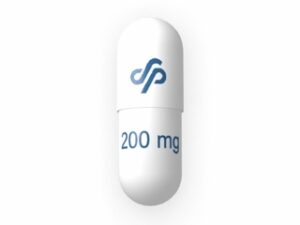


Efavirenz (HIV medicine) — Patient-Friendly Guide (UK)
Efavirenz is an antiretroviral medicine used to treat Human Immunodeficiency Virus (HIV). It belongs to the non-nucleoside reverse transcriptase inhibitor (NNRTI) class. This guide explains how efavirenz works, how your body handles it, how to take it safely, food and alcohol considerations, and what to expect in everyday use.
In the United Kingdom, efavirenz is available via licensed pharmaceutical supply routes and is used as part of combination antiretroviral therapy (ART) to help control HIV and reduce the risk of transmission. Always follow the advice of your HIV healthcare team.
Basic product information
| Item | Details |
|---|---|
| Generic name | Efavirenz |
| Drug class | Non-nucleoside reverse transcriptase inhibitor (NNRTI) |
| Common use | Part of combination therapy for HIV-1 infection |
| Typical dosage form | Tablets (strengths vary by product) |
| How it is taken | By mouth, usually once daily |
| Key point | Take consistently each day; avoid missed doses when possible |
How efavirenz works (mechanism of action)
HIV needs an enzyme called reverse transcriptase to copy itself inside your body’s cells. Efavirenz blocks this enzyme.
- Efavirenz binds to reverse transcriptase at a site different from nucleoside medicines.
- This “locks” the enzyme in a way that prevents HIV from making new genetic material.
- Used with other active antiretroviral medicines, efavirenz helps reduce the amount of HIV in the body (viral load), enabling immune recovery over time.
Pharmacokinetics: what happens in the body
Pharmacokinetics describes how efavirenz is absorbed, distributed, metabolised, and eliminated. Understanding these features can help explain why timing and interactions matter.
Absorption
Efavirenz is absorbed after oral dosing. Food—especially foods with a higher fat content—can increase drug exposure, which may increase side effects.
Distribution
Efavirenz distributes throughout the body, including into tissues where HIV can persist.
Metabolism
Efavirenz is mainly metabolised by liver enzymes (notably CYP2B6) and contributes to interaction potential with other medicines that share metabolic pathways.
Elimination
Efavirenz is cleared primarily through metabolism, with elimination of metabolites via the body’s usual excretion routes. Because it has a relatively long “tail,” missing doses can affect viral control more than with some shorter-acting medicines.
Typical use in HIV treatment
Efavirenz is used as part of combination antiretroviral therapy. Combination therapy is important because:
- It helps prevent HIV from becoming resistant to one medicine.
- It provides stronger and more durable viral suppression.
- It reduces the risk of treatment failure.
Efavirenz has been used in adults and (in some settings) in children depending on local guidance and product suitability. Your HIV team will choose the most appropriate regimen based on your medical history, other medications, and test results.
Indications (what efavirenz is for)
Efavirenz is indicated for the treatment of HIV-1 infection as part of combination therapy for patients who meet criteria defined by clinical guidance and product licensing. Your healthcare team will decide if efavirenz is suitable for your situation.
How to take efavirenz: timing and practical routine
General timing
Efavirenz is commonly taken , and many people are advised to take it at bedtime to reduce certain early nervous system side effects (for example, vivid dreams or dizziness). This is a common clinical practice and can improve day-to-day tolerability.
Consistency matters
- Try to take your dose at the same time each day.
- If you are switching regimens, follow your clinician’s step-by-step plan.
- Never stop or change doses without advice—stopping abruptly can contribute to viral rebound and resistance.
If you miss a dose
If you miss a dose, the safest approach is to follow the instructions from your pharmacist or clinician. In general, missed-dose advice depends on how long ago you missed it and when your next dose is due.
Food interactions and eating advice
Food can affect efavirenz absorption and drug exposure. Many people are advised to take efavirenz on an empty stomach or with a light meal.
- Avoid high-fat meals around your dose where possible.
- Choose light meals if you need something with your tablet.
- If you notice increased side effects after meals, discuss timing and meal size with your healthcare team.
If you are unsure how to fit efavirenz into your usual routine, ask a pharmacist for tailored advice for your typical breakfast or evening meal pattern.
Alcohol interactions and safety
Efavirenz can cause nervous system side effects in some people, such as dizziness, sleep disturbance, or unusual dreams—especially during the first few weeks.
- Alcohol may increase dizziness or impair alertness.
- Drinking heavily can worsen sleep disruption and increase the chance of accidents.
- If you plan to drink, consider avoiding alcohol when you first start efavirenz or when changing dose/regimen.
Use caution with driving or operating machinery, particularly if you feel drowsy, dizzy, or “not quite yourself.”
Medicine interactions (important in the UK)
Efavirenz has a significant interaction profile because it can influence liver enzymes and because other medicines may change efavirenz exposure. The medicines below are examples of interaction types—your pharmacist can check your full list including over-the-counter products and supplements.
Common interaction categories
- Anticonvulsants (some seizure medicines): may alter efavirenz levels.
- Antifungals and antibiotics: certain agents may affect efavirenz exposure.
- Antidepressants and anxiety medicines: may increase nervous system or mood-related risks.
- Hormonal contraceptives: efavirenz can reduce effectiveness of some hormonal methods.
- Herbal products: St John’s wort can reduce antiretroviral effectiveness.
Practical approach to avoiding interactions
- Keep an up-to-date list of all medicines and supplements you take.
- Check new medications with your pharmacist before starting.
- Do not rely on “general” advice—interaction risk can vary by dose and product.
Transport and travel medicine
If you travel or need treatment for infections, make sure healthcare staff know you take efavirenz. Some travel-related medications can interact.
Dosing information (general guidance)
Dosing must be individualised. Your regimen will be determined by your HIV healthcare team, based on factors such as: other antiretrovirals, body weight, liver function, age, and the specific product strength.
Typical adult dosing (common practice)
In many adult regimens, efavirenz has been used at a standard once-daily dose (often 600 mg), usually with other antiretroviral medicines. However, the exact dose and regimen can vary by product and clinical guidance.
Adherence and dose accuracy
- Take the exact number of tablets prescribed.
- If you miss a dose or vomit soon after taking it, you may need advice on whether to repeat the dose.
- Do not double up unless instructed.
Safety profile: what to know
Like all medicines, efavirenz can cause side effects. Many people find that side effects improve after the first few weeks. If side effects are severe or persistent, seek medical advice promptly.
Common side effects
- Nervous system symptoms: dizziness, headache, sleep disturbance, vivid dreams
- Gastrointestinal symptoms: nausea
- Fatigue
Rash
A rash can occur. Mild rashes may be monitored, but severe or blistering rashes can be serious and require urgent medical assessment. Seek urgent help if you have:
- Blistering or peeling skin
- Rash with fever
- Rash with mouth sores
- Rash with breathing difficulty
Mood changes and mental health
Efavirenz may cause or worsen mood-related symptoms in some people, such as unusual mood, anxiety, or depression. Contact your healthcare team promptly if you notice:
- New or worsening depression
- Confusion, severe agitation, or hallucinations
- Suicidal thoughts
Liver effects
Efavirenz is metabolised by the liver. People with pre-existing liver disease may require additional monitoring. Seek medical advice if you develop symptoms such as yellowing of the skin/eyes, dark urine, or severe fatigue.
Other important considerations
- Pregnancy planning: Discuss contraception and pregnancy plans with your healthcare team.
- Drug resistance risk: Do not miss doses, and use the complete combination regimen.
- Interactions: Review medicines regularly—new prescriptions can affect efavirenz levels.
Practical use tips (to get the best results)
- Take at bedtime if you experience early nervous system side effects—this is a common strategy.
- Keep food simple: follow your clinician/pharmacist’s advice about taking efavirenz on an empty stomach or with a light meal.
- Use reminders: alarms or phone reminders can reduce missed doses.
- Manage sleep disturbance: establish good sleep hygiene, and avoid heavy meals late at night.
- Record side effects: especially during the first 2–6 weeks—this helps your team adjust support.
- Check for interaction updates: new OTC products, herbal supplements, or antibiotics can interact.
Alternative options (other antiretrovirals)
There are many alternatives to efavirenz for HIV treatment, and the best choice depends on your individual situation. Options may include other NNRTIs or medicines from different drug classes.
Your HIV team can discuss alternatives if efavirenz is not suitable due to side effects, interactions, resistance history, or treatment goals. Examples of alternatives that may be considered in some regimens include:
- Other NNRTIs (depending on local guidelines and suitability)
- Integrase inhibitors (often used in modern once-daily regimens)
- Protease inhibitors (sometimes used where resistance or specific circumstances require them)
- NRTI backbones combined with a chosen “anchor” medicine
Do not switch because of short-term discomfort without clinical advice. If tolerability issues occur, your team can review the regimen and manage side effects or consider switching safely.
UK market and legal/regulatory context
In the United Kingdom, medicines used for HIV are regulated and supplied under licensing and quality standards. Availability may vary depending on product formulations, stock levels, and prescribing practices within NHS and specialist services.
Treatment choices are influenced by national and international clinical guidance, emerging evidence, and individual patient factors. Efavirenz has been used for many years; however, practice patterns may shift as newer regimens become preferred in certain circumstances. Your clinician can advise based on current local guidance and your health needs.
Recent guidance overview (what tends to matter)
Clinical guidance in the UK and internationally typically emphasises:
- Effective viral suppression using combination therapy.
- Adherence support and safe regimen selection.
- Minimising drug–drug interactions.
- Individualised choice based on side effect profiles and comorbidities.
- Monitoring (including viral load and relevant blood tests).
Efavirenz remains an option in certain regimens and scenarios, but decisions should consider tolerability (especially central nervous system effects), interaction potential, and pregnancy/contraception needs. If you are starting or switching therapy, discuss the most up-to-date approach with your HIV clinic.
Delivery and availability in the UK
Availability can depend on your local supply chain and the specific strength/formulation. Many online pharmacies in the UK may offer standard delivery for stock items, with options for faster delivery where available.
- Stock checks: some items may be subject to availability.
- Packaging: medicines are typically supplied in tamper-evident packaging.
- Cold chain: efavirenz is not generally a medicine requiring refrigeration.
If you need your medicine quickly, contact the pharmacy service to confirm dispatch times. Ensure the delivery address allows safe receipt and avoids delays.
Storage
- Store tablets in the original packaging.
- Keep out of sight and reach of children.
- Follow storage instructions on the package (typically at controlled room temperature).
- Do not use after the expiry date printed on the box or blister.
FAQ
What is efavirenz used for?
Efavirenz is used to treat HIV-1 infection as part of combination antiretroviral therapy. It helps reduce viral load and supports immune recovery.
How quickly does efavirenz work?
Many people see changes in viral load within weeks, with ongoing improvements over time. The exact timeline varies, and response is monitored with blood tests at intervals determined by your clinic.
Why do people take efavirenz at bedtime?
Taking efavirenz at bedtime can reduce the impact of early nervous system side effects, such as dizziness, sleep disturbance, and vivid dreams, by aligning them with sleep.
Can I take efavirenz with food?
Food can affect efavirenz absorption. Many patients are advised to take it on an empty stomach or with a light meal, and to avoid high-fat meals around the dose. Follow your pharmacist or clinician’s specific instructions.
Does efavirenz interact with alcohol?
Alcohol may increase dizziness and sleep-related side effects. It’s best to use caution, particularly when starting treatment or if you notice side effects.
Are there medicines I should avoid with efavirenz?
Yes—efavirenz can interact with many medicines, including certain antibiotics, antifungals, seizure medicines, antidepressants, and herbal products such as St John’s wort. Always check any new medication or supplement with your pharmacist.
What should I do if I get a rash?
Mild rashes may be monitored, but severe rash symptoms require urgent medical assessment. Seek urgent help for blistering, peeling skin, rash with fever, mouth sores, or breathing difficulty.
Can efavirenz affect mental health?
In some people, efavirenz may cause or worsen mood changes. Contact your healthcare team promptly if you develop depression, unusual thoughts, severe agitation, confusion, or suicidal thoughts.
What if I miss a dose?
Missed-dose advice depends on timing. Follow the instructions given by your healthcare team or pharmacist. Avoid doubling up unless explicitly advised.
Is there anything special about driving or using machinery?
Efavirenz may cause dizziness or sleepiness, especially early on. Until you know how it affects you, use caution with driving and machinery.
What alternatives exist if efavirenz isn’t suitable?
Alternatives may include other antiretroviral medicines from different classes, depending on your history, resistance profile, interactions, and tolerability. Your HIV team can advise on the safest and most effective option.
Important note
This page provides general information about efavirenz. Individual treatment plans vary. For personalised advice about interactions, timing, and suitability for your situation, speak to a qualified healthcare professional.