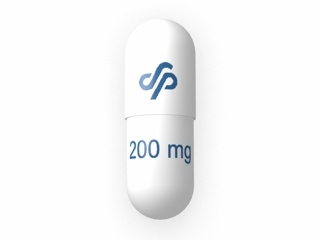
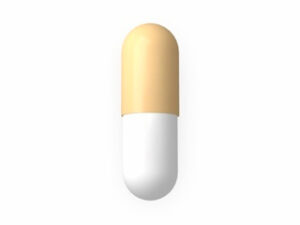

Rebetol (Ribavirin) – Patient Information (UK)
Rebetol is a brand of ribavirin, an antiviral medicine used in combination with other medicines to treat certain long-lasting (chronic) viral infections. This page is designed to help you understand what Rebetol does, how it is used, and the key safety points to consider. Always follow the specific instructions provided by your healthcare team and the medicine label.
Quick overview
- Active ingredient: Ribavirin
- Brand name: Rebetol
- Medicine type: Antiviral (nucleoside analogue)
- Common uses: Combination treatment for chronic hepatitis C in selected situations
- Typical forms: Capsules/tablets depending on local availability
- Important note: Ribavirin can cause significant blood and pregnancy-related risks, so careful monitoring and contraception are essential.
What Rebetol is and how it works
Basic product information
Rebetol contains ribavirin. It is typically used as part of a combination regimen with other antiviral medicines. The exact combination and duration depend on the viral type, prior treatment history, and your liver status.
Mechanism of action (how it works)
Ribavirin interferes with viral replication in multiple ways. While its precise antiviral mechanism can be complex, ribavirin is thought to:
- Be taken up by cells and interfere with viral nucleic acid synthesis.
- Increase the production of altered viral genetic material (often described as “lethal mutagenesis”).
- Alter viral replication and reduce viral load.
Because ribavirin often works best in combination, your overall treatment plan is designed around how each medicine complements the others.
Pharmacokinetics (how your body handles ribavirin)
Ribavirin is absorbed into the bloodstream and distributed into tissues. It has a long half-life, which means it stays in the body for a considerable time after stopping.
- Absorption: Oral ribavirin is absorbed after dosing; absorption can vary between individuals.
- Distribution: Ribavirin concentrates in certain tissues including red blood cells.
- Half-life: Long-lasting, leading to gradual clearance.
- Metabolism: Primarily via phosphorylation and metabolic pathways; major breakdown occurs in the body.
- Elimination: Mainly via the kidneys. This makes kidney function an important consideration.
These properties explain why ribavirin can cause effects that may persist for some time and why kidney function and blood tests are central to safe use.
What Rebetol is used for (indications)
In the UK, ribavirin has been used in treatment regimens for chronic hepatitis C (CHC). The current role of ribavirin depends on which other antiviral medicines are used and on individual clinical circumstances.
Your healthcare team may consider ribavirin when:
- Combination therapy is required based on your hepatitis C genotype and disease characteristics.
- You have previously received treatment and require a tailored regimen.
- A specific combination plan is indicated in line with clinical guidance and local practice.
Rebetol is generally not used for acute (short-term) hepatitis C infection and is not the sole treatment in most regimens. If you are unsure whether ribavirin applies to your specific condition, check your treatment plan or ask your pharmacist.
How to take Rebetol (timing and dosing)
Always follow the exact dosing instructions provided for you. Dose may vary based on body weight, kidney function, viral factors, and the medicines you are taking alongside ribavirin.
Typical dosing approach
While individual regimens differ, ribavirin dosing is often based on:
- Body weight
- Kidney function (because ribavirin is cleared by the kidneys)
- The combination regimen and treatment goals
- Blood test results during therapy
Your prescriber will set a schedule such as morning and evening doses on a regular basis. Missing doses can reduce effectiveness, while taking too much increases the risk of side effects—so aim for consistency.
When to take your doses
- Take your doses at the same times each day.
- If your regimen is split (e.g., twice daily), try to space doses roughly evenly.
- If you miss a dose, take it as soon as you remember on the same day, unless it is close to your next dose. Do not double up.
How long is treatment?
Duration depends on your overall regimen and response to treatment. Some courses may last weeks to months. Do not stop early without medical advice, because stopping can reduce the chance of viral response.
Food interactions and stomach tolerance
For most people, ribavirin can be taken with or without food depending on the product instructions. However, taking it with a meal may help reduce stomach upset and improve tolerability.
- General tip: If you experience nausea or stomach discomfort, taking ribavirin with food may help.
- Follow product instructions: The exact guidance can vary by formulation and local instructions.
- Consistency matters: Try to take it the same way each day.
If you have dietary restrictions (for example, due to liver disease), discuss them with your clinician or pharmacist.
Alcohol and medicine interactions
Alcohol
If you have hepatitis C or other chronic liver conditions, alcohol is strongly discouraged. Alcohol can worsen liver inflammation and scarring and may increase the risk of complications.
- Avoid alcohol during treatment if possible.
- If you find it difficult to stop, speak to your healthcare team for tailored support.
Medication interactions (important)
Ribavirin can interact with other medicines. Some interactions may increase toxicity (for example, effects on blood counts), while others can affect effectiveness or metabolism.
Tell your pharmacist or healthcare team about all medicines you take, including:
- Prescription medicines
- Over-the-counter products (including pain relief and cold/flu remedies)
- Herbal products and supplements
- Any previous antiviral treatments
Examples of interaction considerations
- Antacids and some digestive medicines may change absorption of other drugs; ask before combining.
- Alcohol-containing products or high-dose vitamin supplements should be used cautiously in liver disease.
- Medicines affecting the immune system or blood cells may require additional monitoring.
- Kidney-affecting medicines (some diuretics and anti-inflammatory drugs) may require review because ribavirin is cleared through the kidneys.
This is not an exhaustive list. Interaction risk is individual, so always get advice before starting new medicines.
Safety profile and side effects
Ribavirin has a well-known safety profile. Some side effects are common and manageable, but others—especially those involving blood counts and pregnancy exposure—can be serious.
Most common side effects
- Fatigue or weakness
- Headache
- Nausea and/or stomach discomfort
- Reduced appetite
- Dry skin or rash
- Sleep disturbances
- Anemia (low red blood cells), which can cause tiredness and breathlessness
Serious risks you must know
- Anemia (low red blood cells): Ribavirin can reduce red blood cells. This may require dose adjustment and regular blood tests.
- Pregnancy-related risk: Ribavirin can cause birth defects and harm an unborn baby. This is one of the most important safety issues.
- Teratogenicity (harm to the fetus): Both patients who can become pregnant and their partners need strict contraception measures during treatment and for a period after stopping.
- Kidney impairment: Reduced kidney function can increase ribavirin levels, raising side-effect risk.
Monitoring during treatment
Regular monitoring is commonly recommended, including:
- Blood tests (especially full blood count to watch for anemia)
- Liver function tests
- Kidney function tests
- Assessment of symptoms and side effects
If you feel unusually unwell, develop breathlessness, severe dizziness, or signs of allergic reaction (such as swelling of the face/lips or trouble breathing), seek urgent medical help.
Practical tips for using Rebetol safely
- Do not change your dose without professional advice.
- Plan ahead for blood tests: Attend monitoring appointments even if you feel well.
- Stay hydrated (unless you’ve been told to limit fluids).
- Manage anemia symptoms: If you develop significant tiredness, palpitations, or shortness of breath, contact your healthcare team promptly.
- Use contraception correctly: Follow the contraception requirements provided by your healthcare team.
- Avoid driving if you feel dizzy or very fatigued—your ability to concentrate may be affected.
- Keep a medication diary to help you remember doses and track side effects.
- Report new medicines or supplements immediately to check for interactions.
Alternative options
For chronic hepatitis C, the treatment landscape in the UK has changed significantly in recent years. Many people can now be treated with direct-acting antiviral (DAA) regimens that may be taken for shorter periods and may not require ribavirin.
Alternative options depend on genotype, previous treatment, liver condition (for example, cirrhosis), and what medicines are appropriate for you. Examples of alternatives (not exhaustive) may include:
- DAA combinations selected by genotype and disease status
- Regimens without ribavirin where suitable
- Supportive and monitoring measures tailored to liver health
Your clinician can explain which approach is recommended for your specific case and whether ribavirin is still necessary.
UK market and legal context (high-level)
In the UK, medicines are regulated by the Medicines and Healthcare products Regulatory Agency (MHRA) and safety reporting is coordinated through established pharmacovigilance systems. Guidance for hepatitis C treatment is supported by national clinical pathways and frequently updated recommendations.
Availability may vary by formulation and local supply. Healthcare professionals will prescribe according to licensed indications and clinical need. If you’re buying through an online pharmacy, ensure any medicine you receive is properly packaged, within expiry date, and supplied through legitimate channels.
Recent guidance and clinical considerations in the UK
UK clinical practice for hepatitis C has increasingly focused on DAA-based therapy. In many situations, ribavirin has been used less often when newer regimens can achieve high cure rates without it.
- Guideline updates: Recommendations can change as new evidence emerges and as the preferred regimen shifts.
- Individual factors matter: Prior treatment response, liver disease severity, kidney function, and other medical conditions may affect whether ribavirin is included.
- Monitoring remains important: Even in modern care, blood tests and safety monitoring are still key when ribavirin is used.
For the most up-to-date advice on treatment options, your healthcare team can refer to current UK guidance.
Delivery and availability (online pharmacy)
Availability of Rebetol can vary depending on stock levels and supply schedules. Online pharmacies in the UK typically aim to process orders promptly and deliver in secure packaging.
- Dispatch: Orders may be dispatched on working days, depending on stock availability.
- Delivery options: Services may include standard and express delivery where available.
- Temperature considerations: Follow storage instructions on the product packaging; ribavirin is generally stored at controlled room temperature.
- Packaging: Medicines should be delivered in tamper-evident packaging.
If you need Rebetol as part of a treatment course, try to order early to reduce the risk of delays. If you foresee a supply gap, speak to your pharmacy team right away.
FAQ – Frequently asked questions
1) Is Rebetol the only medicine I need for hepatitis C?
Usually, ribavirin is used in combination with other antiviral medicines. The exact regimen depends on your clinical situation. Do not assume ribavirin alone is sufficient.
2) How soon can I expect results?
Viral response timelines vary. Your healthcare team may check blood tests during and after treatment to measure how well the virus is responding.
3) What should I do if I miss a dose?
Take the missed dose as soon as you remember on the same day, unless it is close to your next dose. Then continue your normal schedule. Do not double to make up for a missed dose.
4) Can I take Rebetol with food?
Many people find that taking it with food helps with stomach comfort. Follow the guidance on the packaging or from your healthcare team, and keep your dosing routine consistent.
5) Can I drink alcohol while taking Rebetol?
Alcohol is best avoided during hepatitis C treatment, especially with liver disease. Alcohol can worsen liver health and may increase the risk of complications.
6) What contraception is needed?
Ribavirin can cause birth defects. If you or your partner can become pregnant, strict contraception requirements apply during treatment and for a period after stopping. Your healthcare team will provide detailed instructions based on your circumstances.
7) Does ribavirin affect my blood counts?
Yes. Ribavirin can cause anemia, so regular blood tests are typically required. Contact your healthcare team if you feel very tired, dizzy, short of breath, or notice unusual paleness.
8) What kidney problems should I tell you about?
Tell your healthcare team if you have reduced kidney function, kidney disease, or have ever been told your kidney levels are abnormal. Because ribavirin is cleared through the kidneys, dose adjustments and extra monitoring may be needed.
9) Are there common interactions with other medicines?
Yes, ribavirin can interact with other medicines. Always provide a full list of medicines, supplements, and herbal products to your pharmacist before starting or stopping anything.
10) What storage conditions are recommended?
Store ribavirin according to the instructions on the product label. Keep medicines away from excessive heat, moisture, and out of reach of children.
Dose safety reminder
Ribavirin can cause serious harm if taken incorrectly. If you have any uncertainties about your schedule, strength, or how many capsules/tablets to take, seek advice from your healthcare team or pharmacist before continuing.
Summary at a glance
| Topic | Key points |
|---|---|
| Medicine | Rebetol (ribavirin) |
| Type | Antiviral nucleoside analogue |
| Typical use in UK | Combination treatment for chronic hepatitis C in selected situations |
| How it works | Disrupts viral replication and viral genetic material |
| How to take | Often split doses (e.g., morning/evening); keep consistent; do not double missed doses |
| Food | May be taken with food to improve tolerance; follow label instructions |
| Key safety issues | Anemia and pregnancy/fetal risk; needs monitoring and strict contraception |
| Alcohol | Avoid during hepatitis C treatment; reduces liver health risk |
| Monitoring | Regular blood counts, liver and kidney function tests |